हमारे पास आपके लिए कुछ नीतियां हैं, कृपया ध्यान देवे!
- कृपया हमारे साथ अपना अकाउंट रजिस्टर करें और आप अपने पैकेज को ट्रैक करें
- चेकआउट के दौरान कृपया कूपन कोड लागू करें
- ग्राहक से अतिरिक्त शुल्क कंपनी या कूरियर कंपनी वसूल ना करे इसलिए
कैश ऑन डिलीवरी की सुविधा Gropart Bharat नहीं देती है
- रोमांचक ऑफ़र प्राप्त करने के लिए नीचे अपना ईमेल आईडी और मोबाइल नंबर दर्ज करें
COD उपलब्ध नहीं है। हम केवल प्रीपेड ऑर्डर में काम करते हैं और पूरे भारत में शिपिंग करते है. COD is not available. We work in prepaid orders only and shipping PAN India.
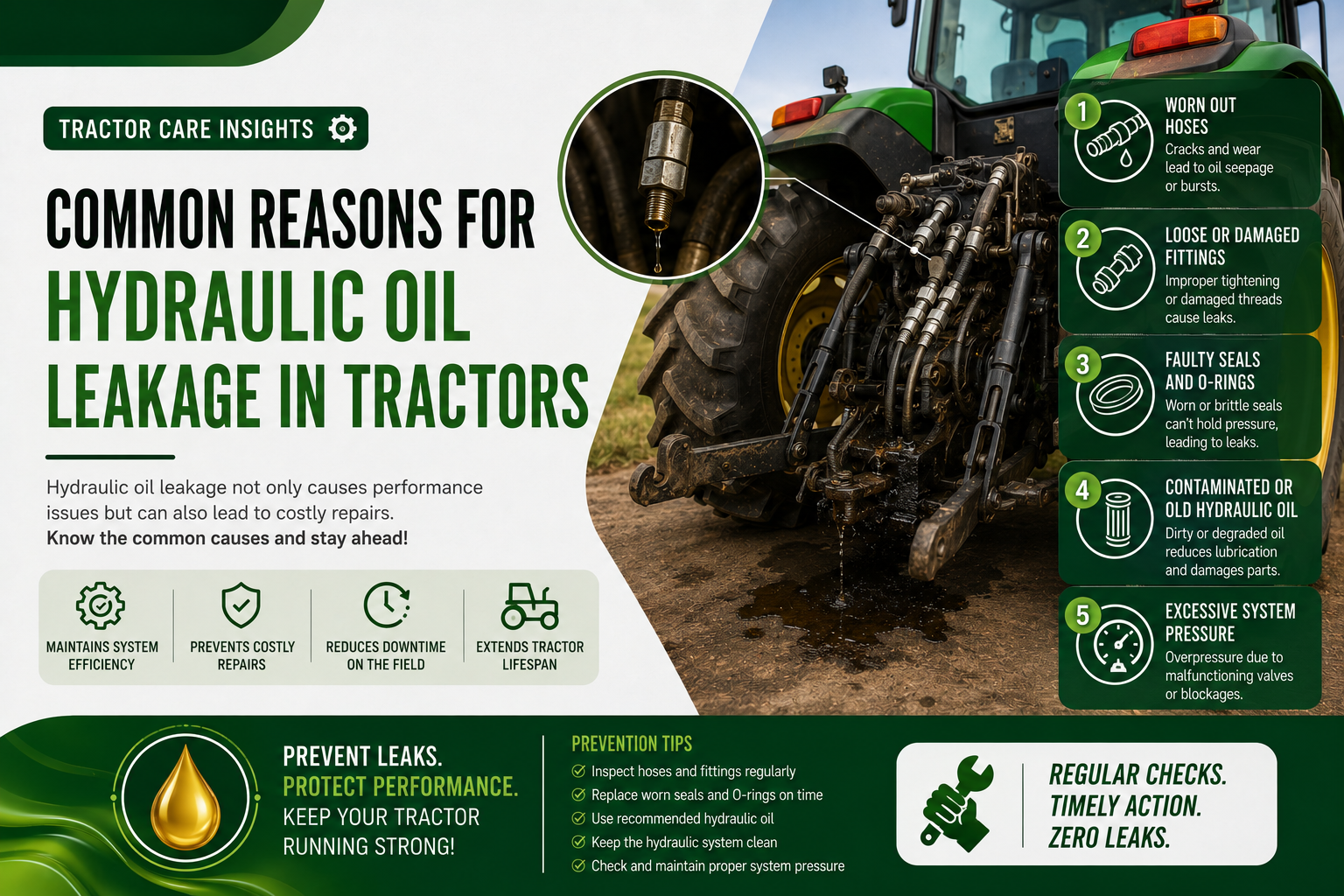
The hydraulic system is one of the most important parts of a tractor. It helps operate implements, lift heavy equipment, control attachments, and perform various farming tasks with ease. Whether a farmer is using a cultivator, rotavator, loader, or other hydraulic-powered implement, the system must maintain proper pressure and fluid flow to work efficiently.
One of the most common hydraulic problems tractor owners face is hydraulic oil leakage. While a small leak may seem harmless at first, it can quickly lead to reduced lifting power, poor hydraulic performance, higher operating costs, and even damage to important components. Ignoring hydraulic oil leaks can eventually result in expensive repairs and unnecessary downtime during critical farming seasons.
Understanding the common causes of hydraulic oil leakage can help farmers identify problems early and keep their tractors operating smoothly. Regular inspections and proper maintenance are often enough to prevent most leakage-related issues.
Why Hydraulic Oil Leaks Should Not Be Ignored
Hydraulic oil plays a crucial role in transferring power throughout the hydraulic system. It lubricates components, reduces friction, controls temperature, and allows hydraulic functions to operate efficiently.
When oil begins leaking, the system loses pressure and efficiency. Even a minor leak can create several problems over time, including:
Reduced lifting capacity
Slow hydraulic response
Increased oil consumption
Poor implement performance
Higher maintenance costs
The longer a leak remains untreated, the greater the chance of damaging other hydraulic components.
Worn Hydraulic Seals
One of the most common causes of hydraulic oil leakage is worn hydraulic seals. These seals are designed to keep oil contained within cylinders, pumps, and other hydraulic components.
Over time, seals naturally wear out due to:
Continuous pressure
Heat exposure
Friction
Aging materials
When seals become damaged or lose flexibility, hydraulic oil can begin escaping through small gaps.
Common signs of worn seals include visible oil around hydraulic cylinders, reduced lifting power, and oil accumulation near hydraulic connections.
Replacing worn seals at the right time can prevent larger hydraulic problems and restore system performance.
Damaged Hydraulic Hoses
Hydraulic hoses carry pressurized oil throughout the system. Because they operate under high pressure and are constantly exposed to outdoor conditions, they can eventually develop cracks, cuts, or weak spots.
Several factors contribute to hose damage, including:
Sunlight exposure
Abrasion against machine parts
Excessive pressure
Aging rubber materials
A damaged hose may initially leak only a small amount of oil, but the problem can quickly worsen under heavy operating conditions.
Regular inspection of hoses helps identify wear before a complete hose failure occurs.
Loose Hydraulic Fittings
Hydraulic fittings connect hoses, valves, cylinders, and other components within the system. Vibration during daily tractor operation can gradually loosen these connections.
When fittings become loose, hydraulic oil may leak around the connection points.
Farmers should regularly inspect:
Hose fittings
Couplers
Connectors
Hydraulic joints
Tightening loose fittings is often a simple solution that can stop leaks before they become more serious.
Cracked Hydraulic Cylinders
Hydraulic cylinders perform the actual lifting and movement functions within the system. Although cylinders are built for durability, years of heavy use can sometimes cause damage.
Cracks may develop because of:
Heavy impacts
Excessive loading
Material fatigue
Corrosion
A cracked cylinder allows hydraulic oil to escape and reduces the system's ability to maintain pressure.
Visible oil leakage around the cylinder body is often a clear warning sign that professional inspection is needed.
Excessive Hydraulic System Pressure
Hydraulic systems are designed to operate within specific pressure limits. When pressure becomes too high, components may experience excessive stress.
High pressure can damage:
Seals
Hoses
Fittings
Valves
In some cases, overpressure causes hydraulic oil to leak through areas that normally remain sealed.
Pressure-related problems may result from incorrect adjustments, faulty valves, or blocked hydraulic passages.
Maintaining proper system pressure is essential for long-term reliability.
Contaminated Hydraulic Oil
Hydraulic oil contamination is another common cause of leakage and component wear.
Dirt, dust, water, and metal particles can enter the hydraulic system if maintenance is neglected. These contaminants gradually damage seals, pumps, and other internal components.
As seals wear prematurely, oil leaks become more likely.
Signs of contaminated hydraulic oil include:
Dark oil color
Reduced hydraulic performance
Increased operating temperatures
Unusual hydraulic noise
Regular oil changes and filter replacement help keep the hydraulic system clean and reduce leakage risks.
Worn Hydraulic Pump Components
The hydraulic pump is responsible for generating pressure and circulating oil throughout the system. As the pump ages, internal components may begin to wear.
When wear becomes significant, pressure imbalances can occur, placing additional stress on seals and connections.
Symptoms of hydraulic pump wear may include:
Slow hydraulic operation
Reduced lifting capacity
Hydraulic noise
Oil leakage near the pump
Routine inspections help identify pump problems before they affect the entire hydraulic system.
Corrosion and Rust Damage
Tractors often operate in wet and muddy conditions where moisture exposure is unavoidable. Over time, rust and corrosion can affect hydraulic components, particularly if maintenance is neglected.
Corrosion may damage:
Hydraulic lines
Cylinder surfaces
Fittings
Connectors
Once corrosion weakens these components, hydraulic oil leaks can begin developing.
Keeping the tractor clean and storing it in a protected area helps reduce corrosion-related issues.
Improper Installation of Components
Hydraulic leaks sometimes occur after repairs or component replacement.
If hoses, seals, or fittings are installed incorrectly, oil may begin leaking shortly after the machine returns to service.
Common installation mistakes include:
Improper tightening
Incorrect seal placement
Damaged fittings during installation
Using incompatible components
Following proper installation procedures helps ensure leak-free operation.
Aging Hydraulic Components
Even with excellent maintenance, hydraulic components eventually reach the end of their service life.
As tractors age, seals harden, hoses weaken, and metal components experience wear.
Older machines are naturally more prone to hydraulic leaks because multiple components may be approaching replacement age simultaneously.
Regular inspections become even more important as equipment gets older.
Environmental Conditions Can Increase Leakage
Farming equipment often operates under challenging environmental conditions.
Extreme temperatures can affect hydraulic components in different ways:
High heat may cause seals to dry out
Cold temperatures can make rubber components brittle
Dust can accelerate wear
Moisture can encourage corrosion
Protecting the tractor from harsh environmental exposure whenever possible helps extend hydraulic component life.
Preventing Hydraulic Oil Leaks
Many hydraulic leaks can be avoided through routine maintenance and inspections.
Some effective preventive measures include:
Checking hydraulic oil levels regularly
Inspecting hoses and fittings frequently
Replacing worn seals promptly
Keeping hydraulic oil clean
Changing filters on schedule
Monitoring hydraulic performance
Preventive maintenance is often much less expensive than repairing a damaged hydraulic system.
Why Quality Spare Parts Matter
Hydraulic systems operate under high pressure and demanding conditions. Using low-quality replacement parts can increase the likelihood of leaks and premature failures.
Reliable hydraulic components from Gropart are designed to provide durability, proper fitment, and dependable performance. Quality seals, hoses, filters, and hydraulic parts help maintain system integrity and reduce the risk of leakage.
Investing in quality spare parts not only improves reliability but also reduces long-term maintenance expenses.
Conclusion
Hydraulic oil leakage is one of the most common issues tractor owners encounter, but it is also one of the most preventable. Problems such as worn seals, damaged hoses, loose fittings, contaminated oil, excessive pressure, and aging components can all contribute to oil leaks if left unchecked.
Regular inspections and timely maintenance are the best ways to identify leaks early and prevent larger hydraulic failures. Keeping the hydraulic system clean, monitoring component condition, and replacing worn parts when needed can significantly improve tractor performance and reliability.
By combining proper maintenance practices with high-quality hydraulic spare parts from Gropart, farmers can reduce downtime, avoid costly repairs, and ensure their tractors continue performing efficiently throughout every farming season.
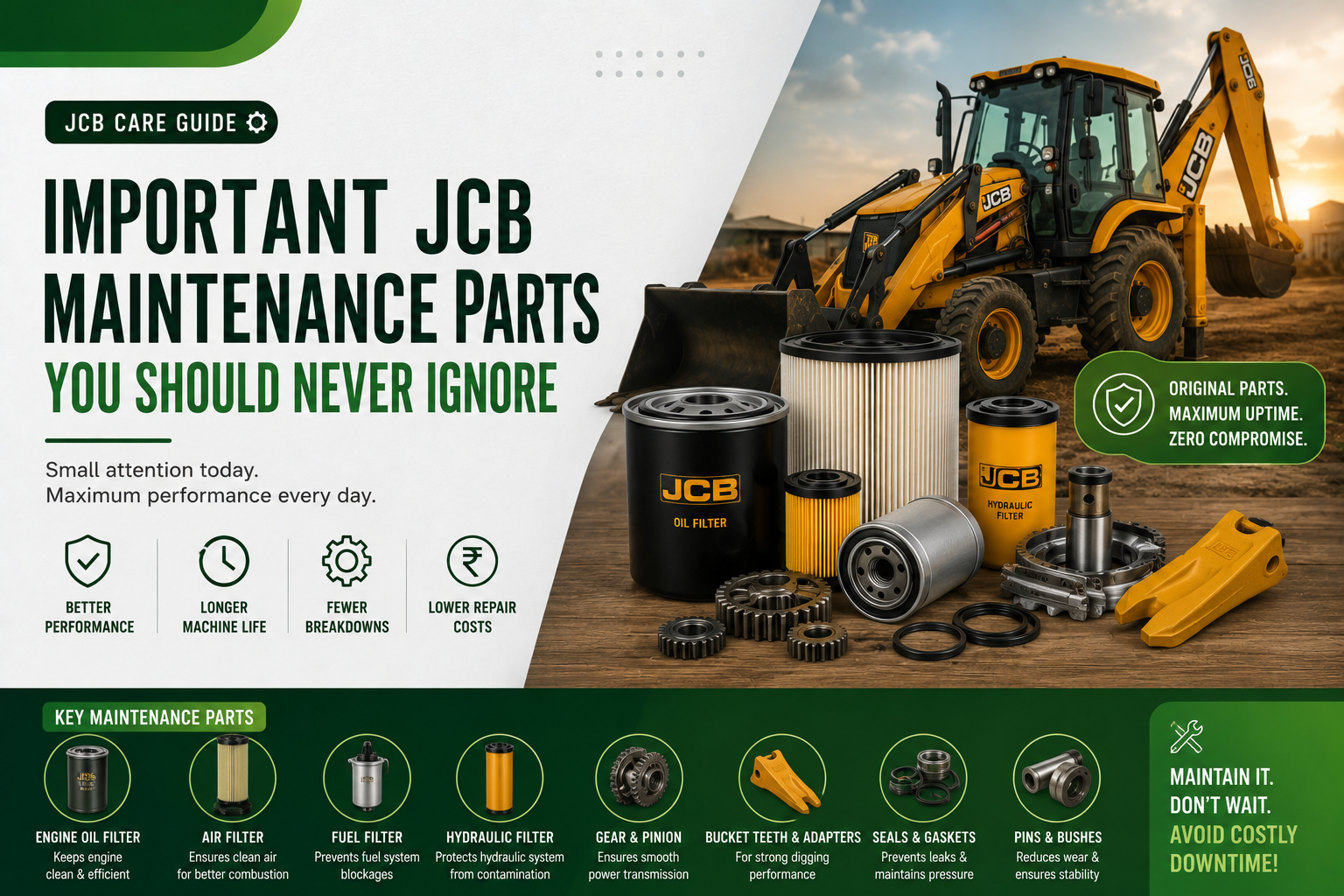
Regular maintenance is essential to keep JCB machines running efficiently. Inspecting and replacing key parts like filters, hydraulic seals, belts, bearings, tyres, and cooling components on time helps prevent breakdowns, improve performance, reduce repair costs, and extend machi...
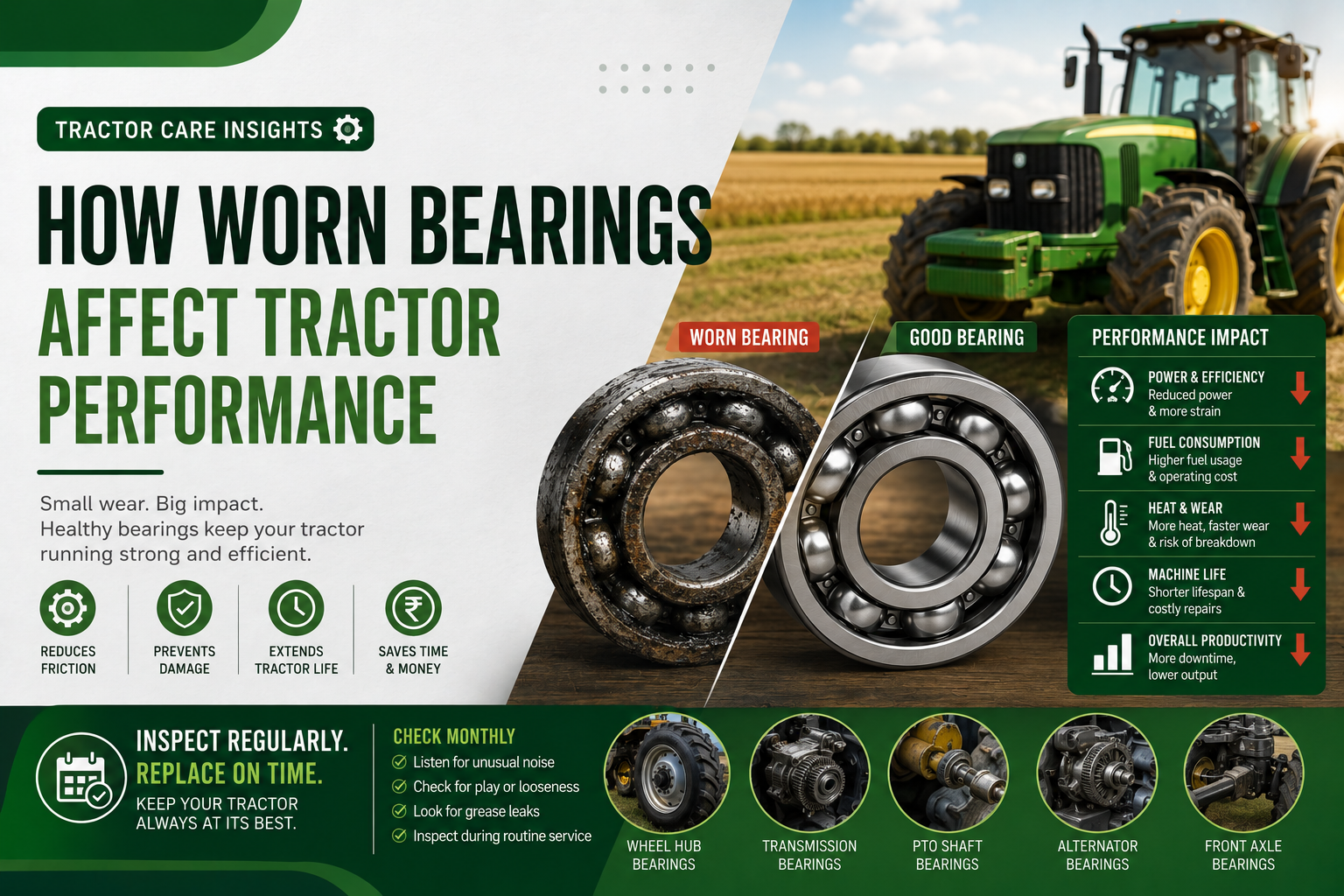
Worn bearings can reduce tractor efficiency by increasing friction, fuel consumption, vibration, and wear on other components. Regular inspection, proper lubrication, and timely replacement with quality bearings from Gropart help improve performance, reduce breakdowns, and extend...
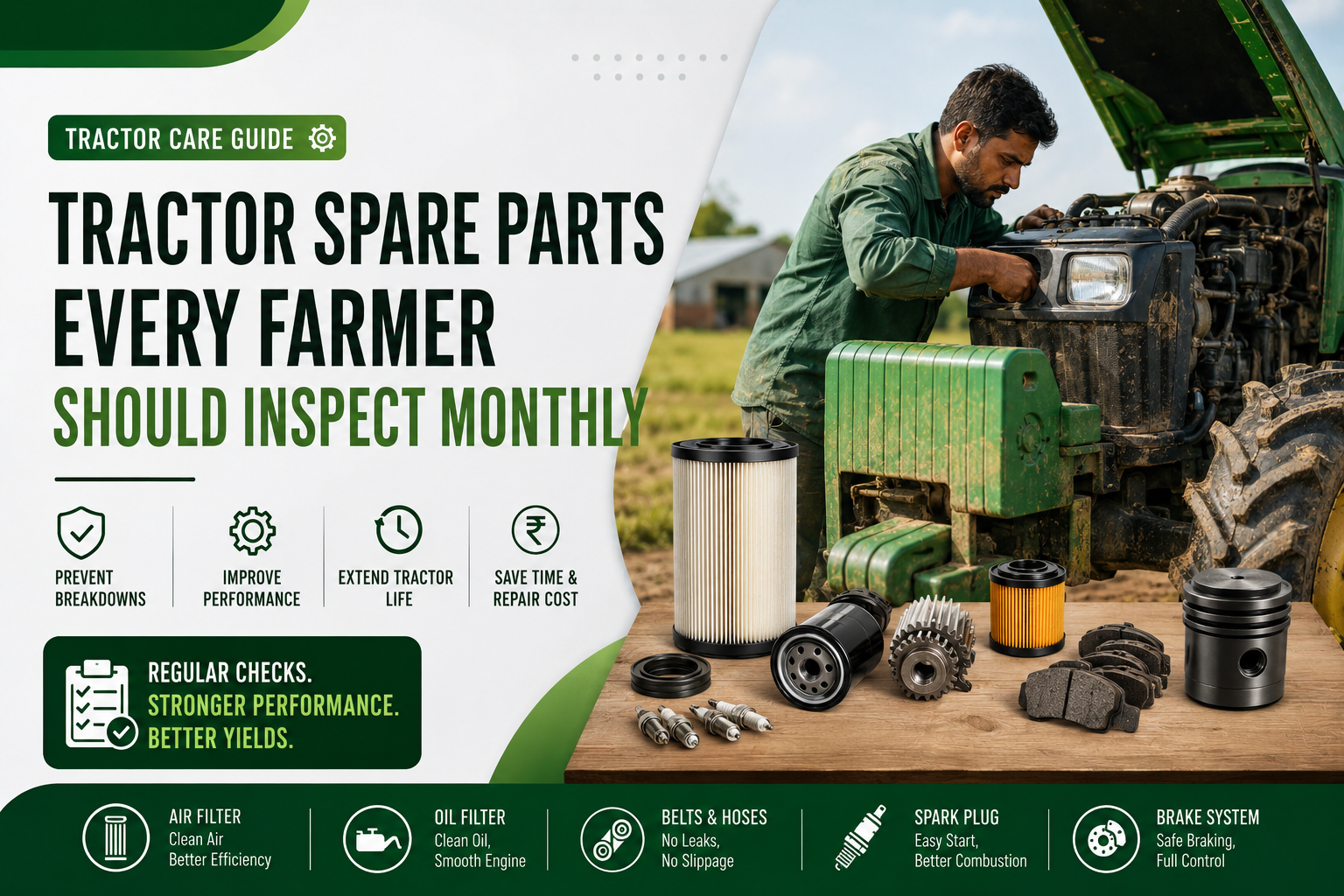
Monthly tractor inspections help farmers detect early wear in key spare parts like filters, belts, hydraulics, tyres, and bearings. Regular checks reduce breakdowns, improve performance, and extend machine life. Using quality spare parts from Gropart ensures better reliability an...
 English