हमारे पास आपके लिए कुछ नीतियां हैं, कृपया ध्यान देवे
Welcome!
-कृपया हमारे साथ अपना खाता पंजीकृत करें
-पंजीकरण के बाद आप अपने पैकेज को ट्रैक कर सकते हैं
-चेकआउट के दौरान कृपया कूपन कोड लागू करें
-रोमांचक ऑफ़र प्राप्त करने के लिए नीचे अपना ईमेल पता दर्ज करें
COD उपलब्ध नहीं है। हम केवल प्रीपेड ऑर्डर में काम करते हैं और पूरे भारत में शिपिंग करते है. COD is not available. We work in prepaid orders only and shipping PAN India.
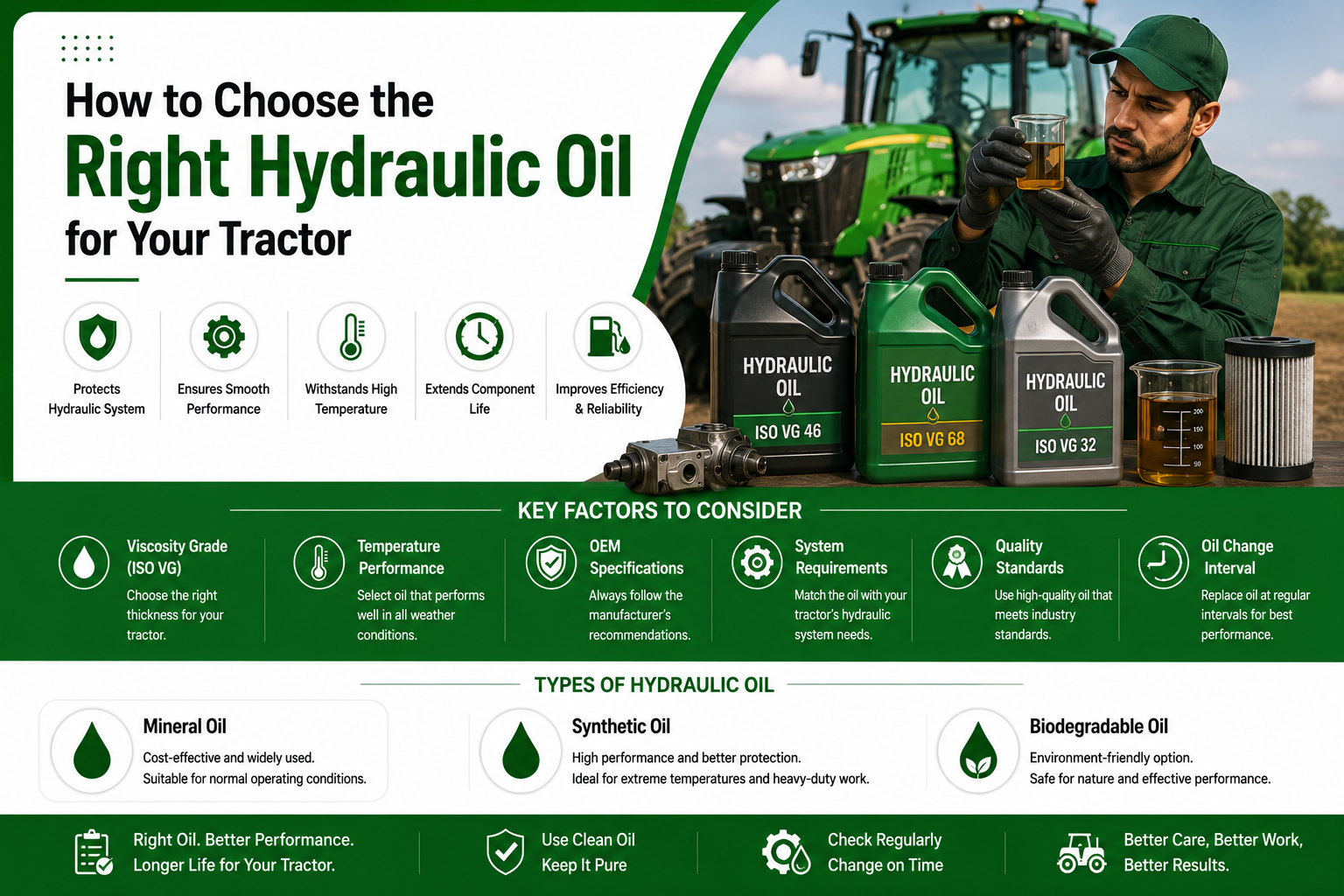
A tractor’s hydraulic system is responsible for some of its most important functions. From lifting heavy implements and operating loaders to controlling various agricultural attachments, hydraulics make daily farming operations easier and more efficient. At the center of this system is hydraulic oil, a fluid that does much more than simply lubricate moving parts.
Many farmers pay attention to engine oil, filters, and spare parts but often overlook the importance of selecting the right hydraulic oil. Using the wrong oil can reduce lifting power, increase wear on hydraulic components, and even lead to expensive repairs. Choosing the correct hydraulic oil helps improve performance, protect critical components, and extend the life of your tractor.
Understanding what hydraulic oil does and how to select the right type can help farmers avoid unnecessary maintenance costs and keep their tractors working efficiently throughout the year.
Why Hydraulic Oil Is Important
Hydraulic oil is the working fluid that powers the entire hydraulic system. It transfers energy from the hydraulic pump to different components, allowing the tractor to lift, lower, and operate implements smoothly.
Apart from power transfer, hydraulic oil performs several important functions:
Lubricates internal components
Reduces friction and wear
Protects against rust and corrosion
Helps control operating temperature
Keeps the hydraulic system clean
Supports smooth and responsive operation
Without good-quality hydraulic oil, even a powerful tractor can experience slow lifting, poor hydraulic response, and reduced efficiency.
Understanding Your Tractor’s Hydraulic System
Before choosing hydraulic oil, it is useful to understand the main components that depend on it. The hydraulic system consists of a hydraulic pump, control valves, cylinders, hoses, seals, and filters. All these parts work together and rely on clean, properly selected oil for smooth operation.
When the oil quality is poor or the wrong grade is used, these components may wear out faster. This can result in leakage, reduced lifting capacity, overheating, and expensive repairs. Many of these issues directly impact the best spare parts for improving tractor lifting power and overall hydraulic efficiency.
For this reason, selecting the correct hydraulic oil should be considered an important part of tractor maintenance rather than an afterthought.
Always Follow Manufacturer Recommendations
One of the simplest ways to choose the right hydraulic oil is to follow the recommendations provided by the tractor manufacturer.
Every tractor model is designed with specific hydraulic requirements. The owner's manual usually includes information about:
Recommended oil grade
Viscosity requirements
Performance standards
Oil change intervals
Following these recommendations helps ensure proper lubrication and hydraulic performance while reducing the risk of component damage.
Using an oil that does not meet the manufacturer's specifications may affect system efficiency and shorten the lifespan of hydraulic components.
Understanding Hydraulic Oil Viscosity
Viscosity refers to the thickness of hydraulic oil and its ability to flow through the system.
Choosing the correct viscosity is important because hydraulic systems operate under different temperatures and workloads. Oil that is too thin may not provide enough protection under heavy loads, while oil that is too thick can reduce hydraulic response and increase system resistance.
Lower-viscosity oils generally perform better in colder temperatures because they flow more easily. Higher-viscosity oils are often preferred in hotter climates where additional protection is required.
Selecting the correct viscosity helps maintain smooth operation regardless of working conditions.
Consider Your Local Climate
Weather conditions play a major role in hydraulic oil performance. Farmers working in hot regions may need oil that can maintain stability under high temperatures. If the oil becomes too thin, it may lose its ability to protect critical components.
In colder conditions, thick oil can make the hydraulic system sluggish during startup. This can increase strain on pumps and valves while reducing overall efficiency.
Choosing hydraulic oil suitable for local climate conditions helps maintain reliable performance throughout the year and reduces stress on hydraulic components. This is important because weather conditions affect tractor spare parts lifeand overall machine performance.
Look for Quality and Performance
Hydraulic oil quality should never be overlooked. While cheaper oils may appear to save money initially, they often break down more quickly and provide less protection.
High-quality hydraulic oil usually contains additives that help:
Reduce wear
Prevent oxidation
Minimize foaming
Improve lubrication
Extend oil life
These benefits help protect expensive hydraulic components and reduce maintenance costs over time.
Investing in quality oil is often far less expensive than repairing a damaged hydraulic pump or replacing worn hydraulic parts.
Keep Hydraulic Oil Clean
Even the best hydraulic oil can lose effectiveness if it becomes contaminated. Dirt, dust, water, and metal particles can enter the hydraulic system during normal operation.
Contaminated oil can cause several issues, including reduced lifting power, noisy hydraulics, jerky movement, and accelerated wear of internal components.
Signs that hydraulic oil may be contaminated include:
Dark or dirty appearance
Unusual hydraulic noise
Slow hydraulic response
Reduced lifting performance
Increased operating temperatures
Regular inspection of hydraulic oil helps identify contamination before it causes serious damage.
Do Not Ignore Hydraulic Filters
Hydraulic filters play an important role in maintaining oil cleanliness. They remove contaminants and help protect pumps, valves, and cylinders from damage.
When a filter becomes clogged, oil flow may be restricted, causing the hydraulic system to work harder. This reduces efficiency and may lead to premature component wear.
Replacing hydraulic filters according to the recommended service schedule helps maintain proper oil circulation and ensures the hydraulic system continues to perform efficiently. Knowing when to replace tractor filters for better performance can help prevent unnecessary hydraulic issues.
Using quality hydraulic filters and replacement components from Gropart can further support reliable hydraulic operation and long-term system protection.
Signs Your Hydraulic Oil Needs Replacement
Many farmers continue using hydraulic oil long after its effectiveness has decreased. This can result in reduced performance and increased wear on hydraulic components.
Some common signs that hydraulic oil may need replacement include:
Slow lifting operation
Reduced hydraulic power
Excessive heat generation
Burning smell from oil
Unusual system noise
Dark or contaminated oil
Replacing oil when these warning signs appear helps prevent larger hydraulic problems and keeps the system operating efficiently.
The Benefits of Choosing the Right Hydraulic Oil
Using the correct hydraulic oil provides several important advantages for tractor owners.
First, it improves hydraulic efficiency, allowing implements and attachments to operate smoothly. Proper oil also reduces friction and wear, helping hydraulic pumps, valves, and cylinders last longer.
Farmers also benefit from reduced maintenance costs because properly lubricated hydraulic components experience fewer failures and require fewer repairs.
Most importantly, selecting the right hydraulic oil helps maintain consistent productivity during critical farming operations.
Maintaining the Hydraulic System for Long-Term Performance
Choosing the right oil is only part of hydraulic system maintenance. Farmers should also make hydraulic inspections a regular part of tractor care.
Checking oil levels, monitoring system performance, inspecting hoses for leaks, and replacing filters on time all contribute to better hydraulic reliability.
Using quality hydraulic components and maintenance products from Gropart can further help support long-term tractor performance and reduce unexpected downtime.
Conclusion
Hydraulic oil is one of the most important fluids in any tractor. It powers the hydraulic system, protects valuable components, and plays a direct role in overall machine performance. Choosing the right hydraulic oil helps improve lifting power, reduce wear, maintain fuel efficiency, and extend the life of hydraulic parts.
Factors such as viscosity, climate conditions, oil quality, and manufacturer recommendations should always be considered before making a selection. Regular inspections and timely filter replacements are equally important for maintaining hydraulic system health.
By combining proper hydraulic oil maintenance with reliable hydraulic filters and quality spare parts from Gropart, farmers can reduce breakdowns, lower operating costs, and keep their tractors performing at their best throughout the farming season.
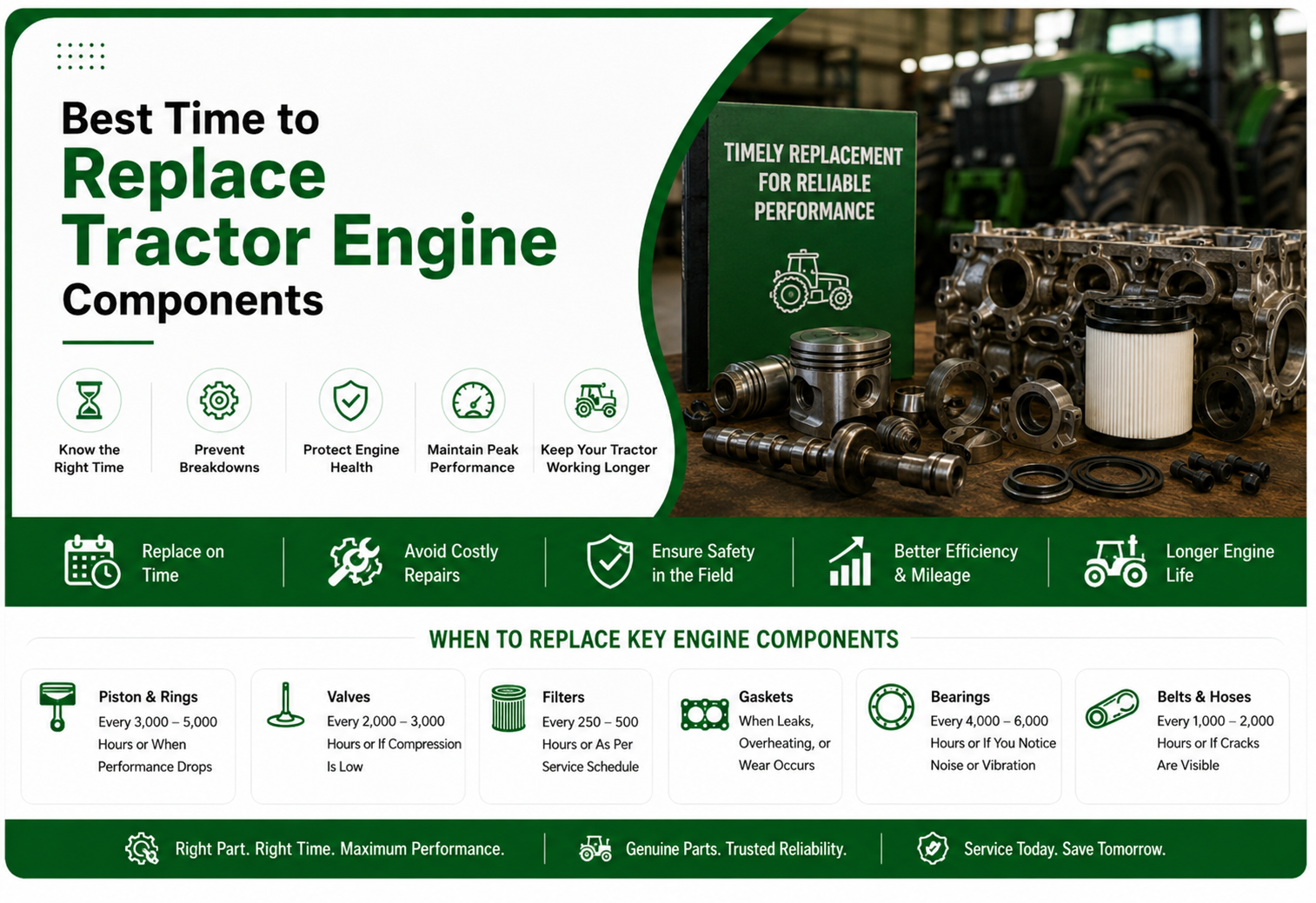
Knowing the right time to replace tractor engine components is key to avoiding breakdowns and costly repairs. This blog explains when to replace parts like filters, pistons, injectors, and gaskets based on usage and warning signs. Using quality spare parts from Gropart ensures be...
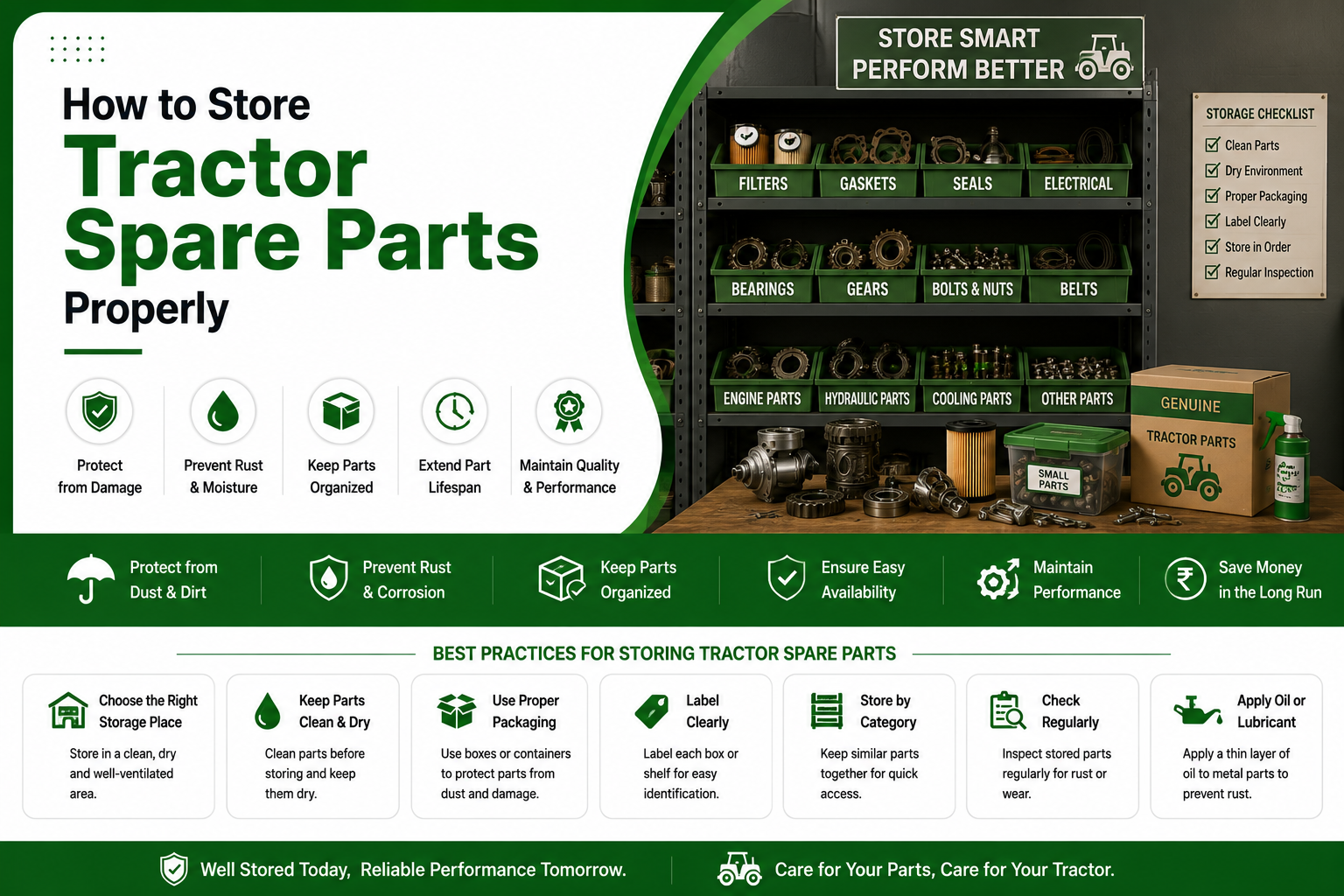
Proper storage of tractor spare parts helps prevent damage, rust, and performance issues. This blog explains simple storage practices such as protecting parts from moisture, dust, heat, and sunlight. Learn how correct handling and quality spare parts from Gropart can extend shelf...
Discover the most important tractor safety parts every farmer should maintain, including brakes, steering, PTO guards, tyres, and hydraulic systems. Learn how quality spare parts from Gropart improve safety and performance.
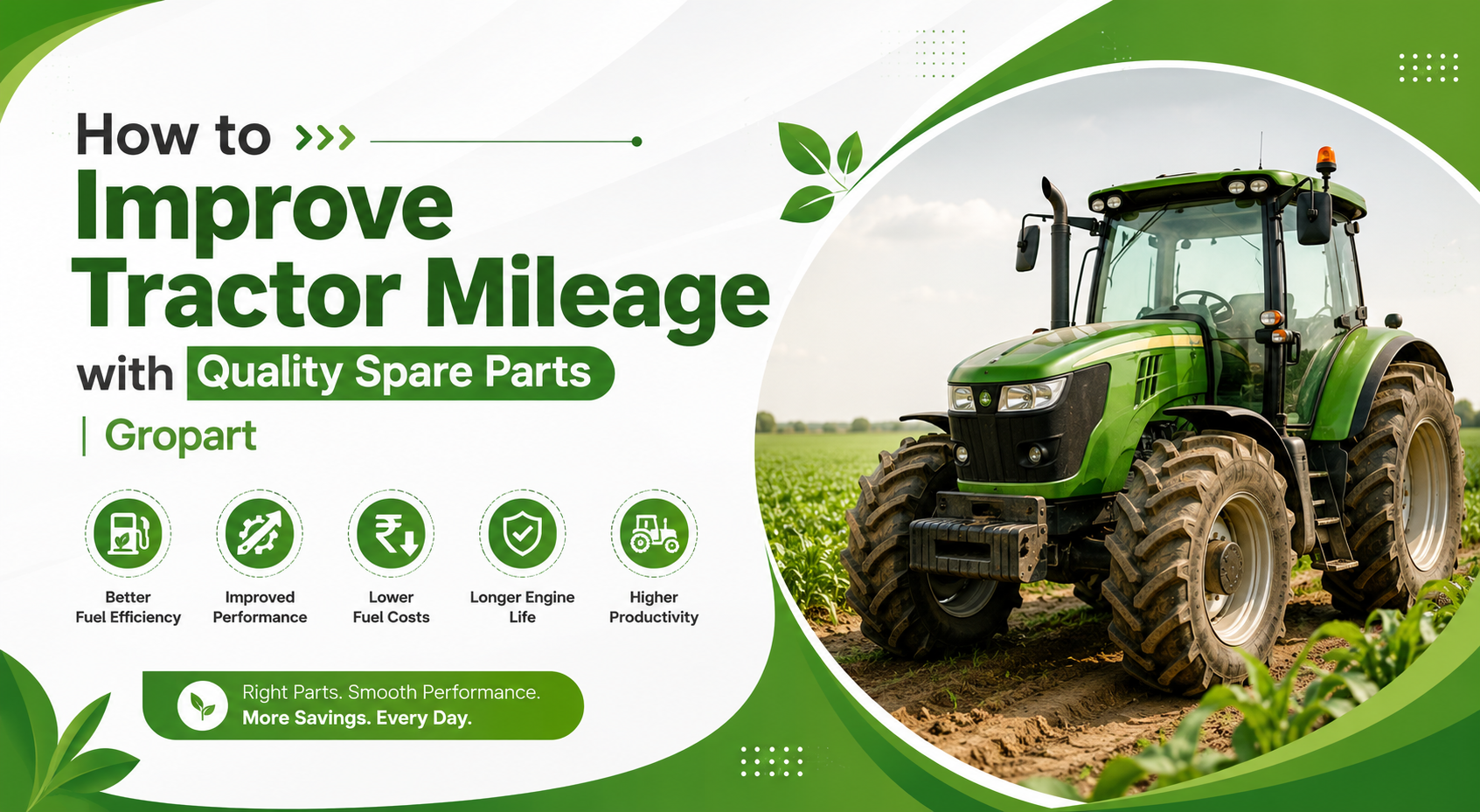
Learn how quality tractor spare parts can improve fuel efficiency, reduce fuel costs, and enhance tractor performance. Discover expert tips from Gropart.
 हिन्दी