 हिन्दी

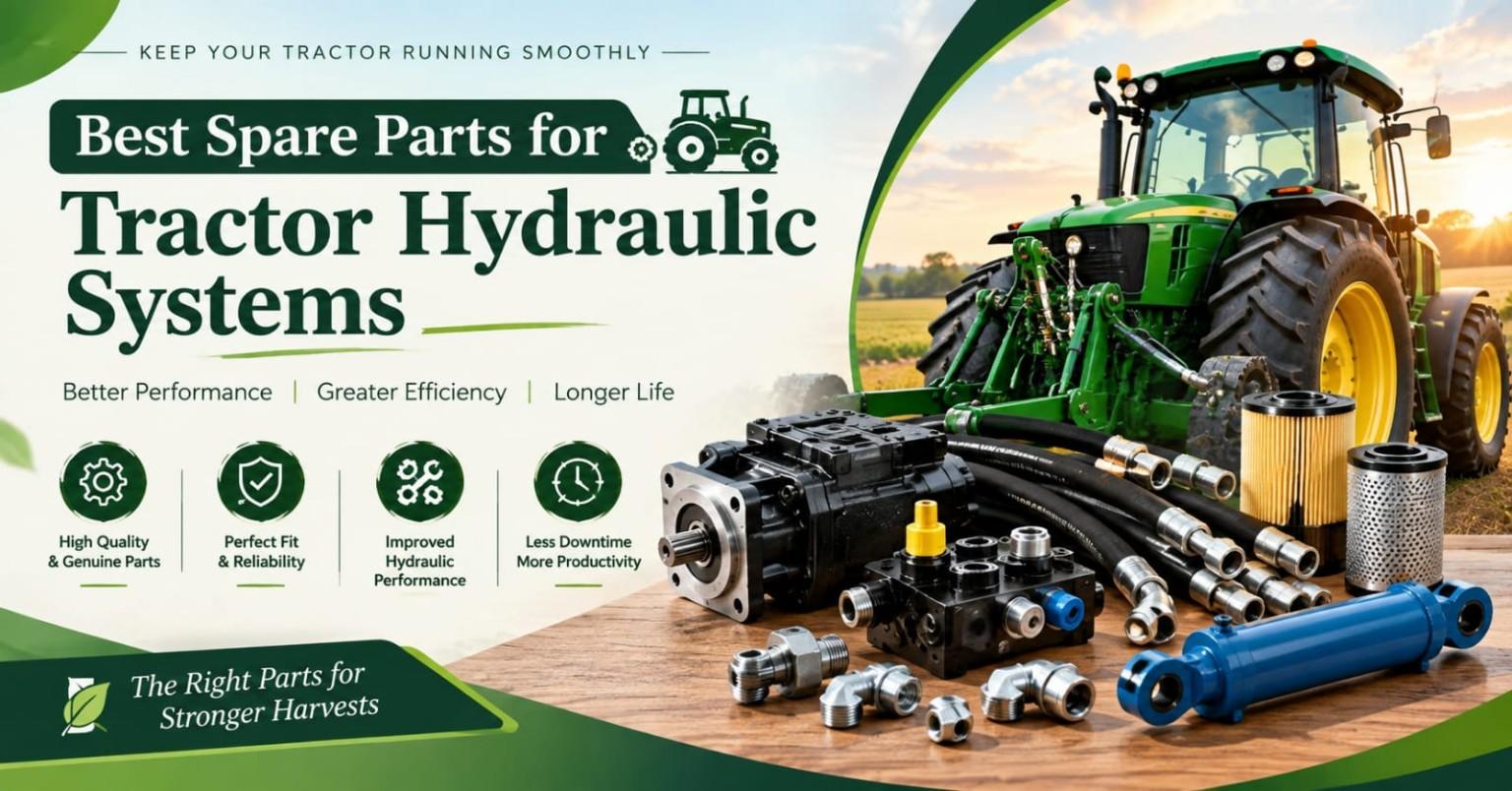
Explore essential tractor hydraulic parts including pumps, filters, hoses, seals, cylinders, valves, fittings, and tips for choosing the right replacements
COD उपलब्ध नहीं है। हम केवल प्रीपेड ऑर्डर में काम करते हैं और पूरे भारत में शिपिंग करते है. COD is not available. We work in prepaid orders only and shipping PAN India.
X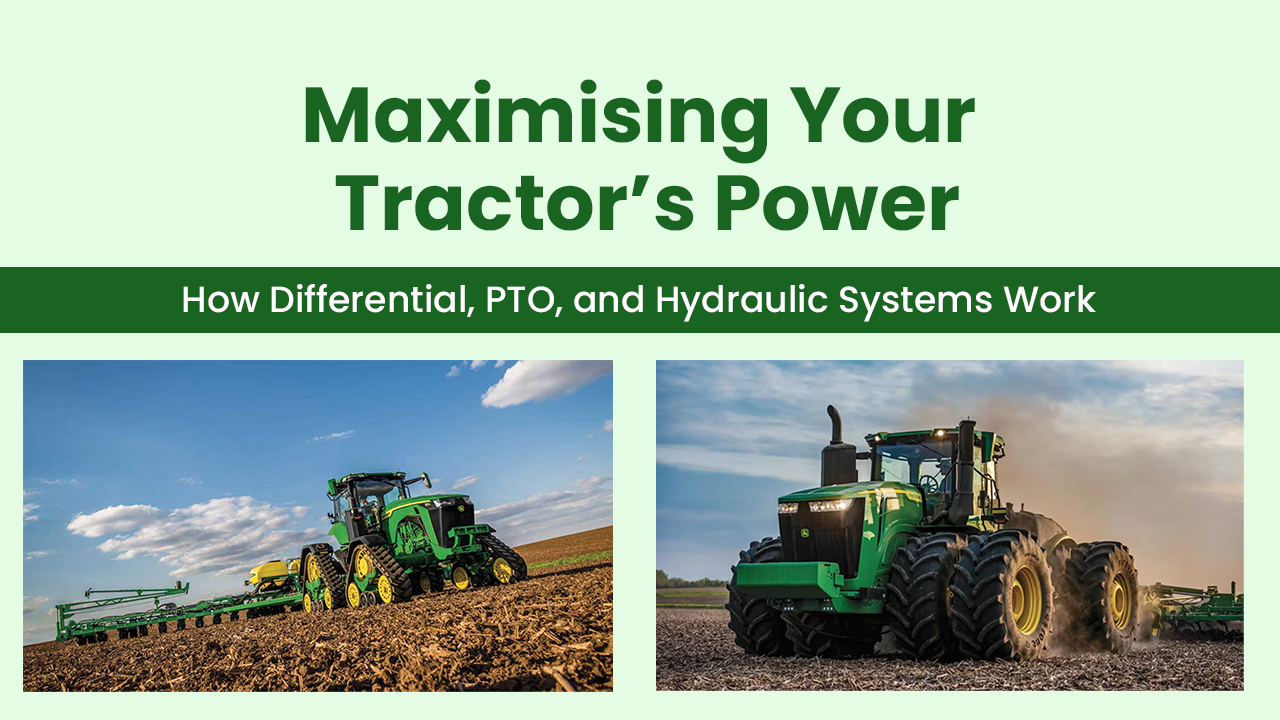
A tractor’s strength is not measured only by engine horsepower. Many farmers notice that two tractors with similar HP perform very differently in the field. The real difference often comes from how efficiently the tractor transfers power to the wheels and implements. This is where the differential, PTO, and hydraulic systems play a major role.
Understanding these systems helps tractor owners use their machines better, avoid misuse, and reduce unnecessary wear. When used correctly, these systems allow the tractor to deliver full power where it is actually needed.
The differential is part of the tractor’s rear axle system. Its main job is to allow the left and right wheels to rotate at different speeds. This becomes important when the tractor turns or works on uneven ground.
Without a differential, both wheels would rotate at the same speed, causing tyre slippage and strain on the axle. During turning, the outer wheel travels a longer distance than the inner wheel. The differential adjusts for this difference smoothly.
In muddy or loose soil, one wheel may lose grip and start spinning. When this happens, power is wasted. The differential lock helps by forcing both wheels to rotate together, ensuring better traction.
Proper use of the differential lock improves pulling power and prevents the tractor from getting stuck. However, it should only be used when necessary. Continuous use on hard ground can damage axle components.
PTO, or Power Take-Off, transfers engine power directly to external implements. Equipment like rotavators, threshers, seed drills, and balers depend on PTO power to function.
The PTO allows the tractor engine to do more than just move the vehicle. It turns the tractor into a power source for multiple farming operations.
Most tractors use a standard 540 RPM PTO, while some modern models also offer 540E or 1000 RPM options. Selecting the correct PTO speed is important for fuel efficiency and equipment safety.
Running an implement at incorrect PTO speed can cause poor output, excessive vibration, or even equipment failure.
Problems such as worn splines, damaged shafts, or weak clutches reduce power transfer. Regular inspection and proper lubrication help maintain smooth PTO operation and extend component life.
The hydraulic system converts engine power into lifting and control force. It is responsible for operating three-point linkages, loaders, and hydraulic implements.
Hydraulic performance affects how smoothly implements lift, lower, and respond during work.
Each component must work properly to maintain pressure and flow.
Common reasons include worn pumps, contaminated oil, damaged seals, or blocked filters. These issues lead to slow lifting, jerky movement, or inability to handle heavy implements.
Using the correct hydraulic oil and replacing filters on time helps maintain consistent performance.
The differential, PTO, and hydraulic systems do not work in isolation. During operations like ploughing or rotavator work, all three systems operate at the same time.
If any one system is weak, overall performance drops, regardless of engine power.
Small operational changes can significantly improve efficiency and reduce wear.
True tractor power is about effective power usage, not just engine size. Understanding how the differential, PTO, and hydraulic systems work helps farmers operate their tractors more efficiently and safely.
Proper usage, timely maintenance, and correct adjustments allow these systems to deliver maximum output with minimum stress. When these components work in balance, the tractor performs better, lasts longer, and supports more productive farming.
Explore essential tractor hydraulic parts including pumps, filters, hoses, seals, cylinders, valves, fittings, and tips for choosing the right replacements
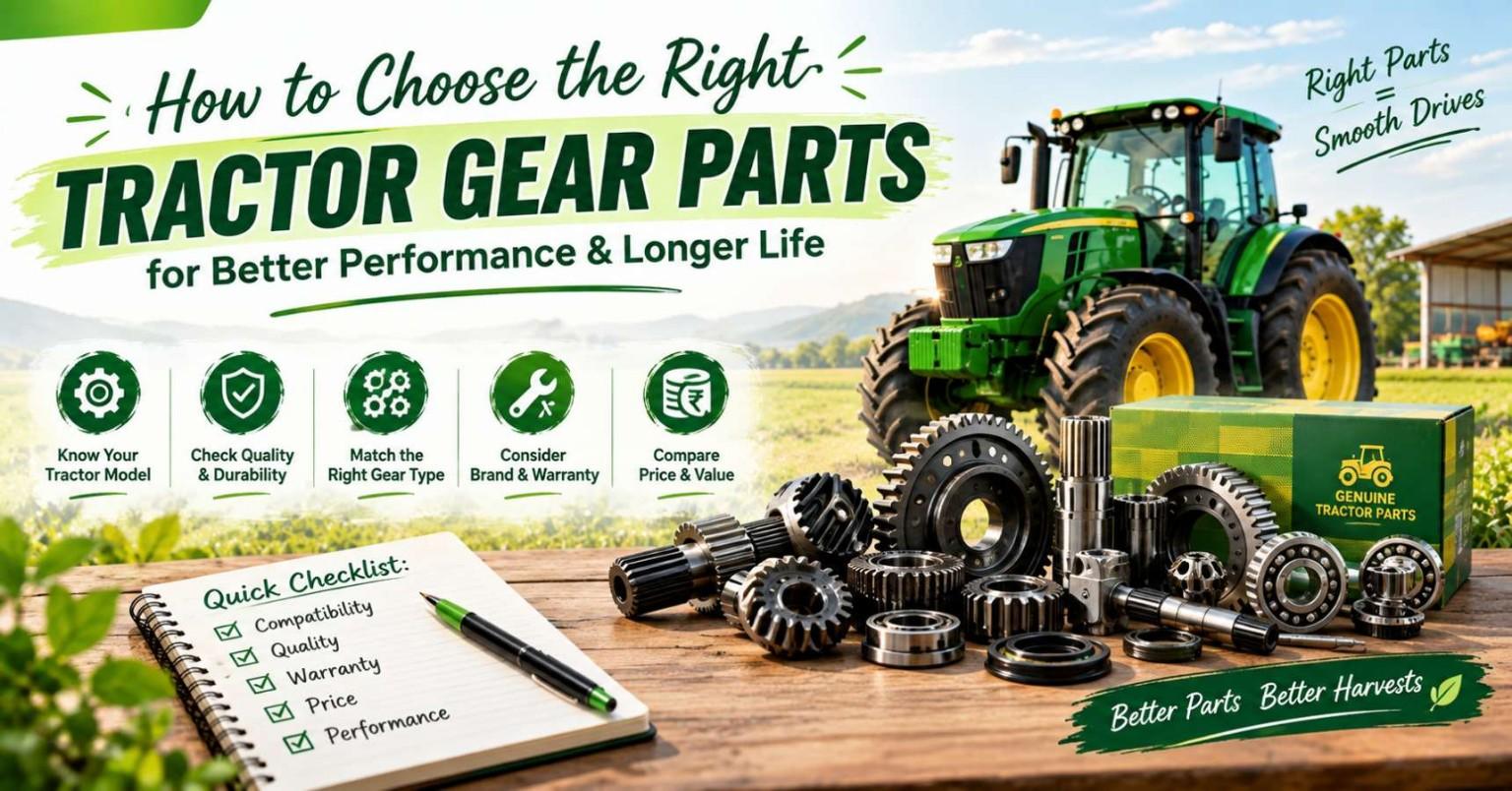
Learn how to choose the right tractor gear parts by checking model, part number, size, tooth design, material, compatibility, and quality
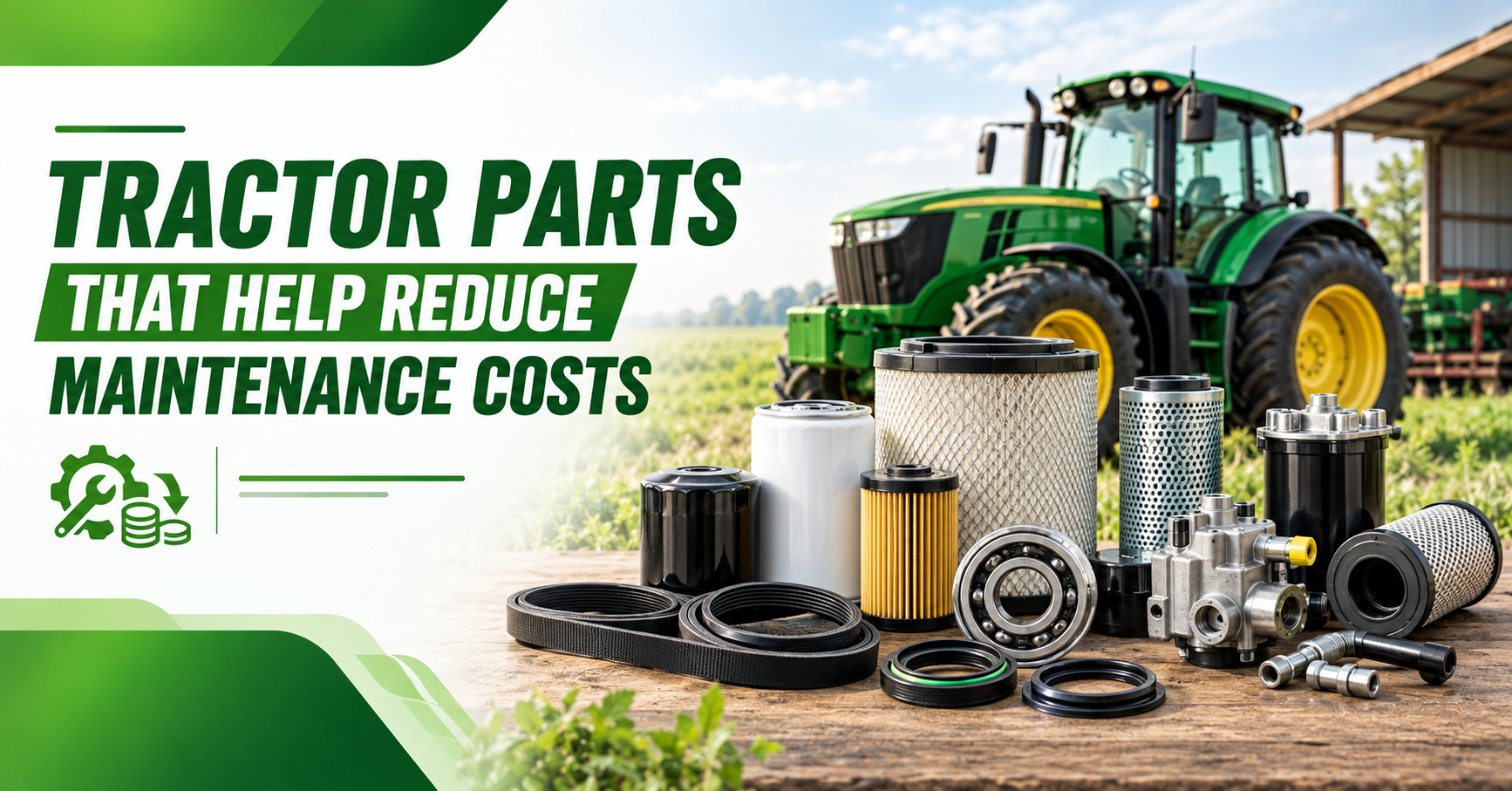
Discover how quality tractor parts like filters, bearings, belts, seals and hydraulic components can reduce maintenance costs and prevent costly repairs
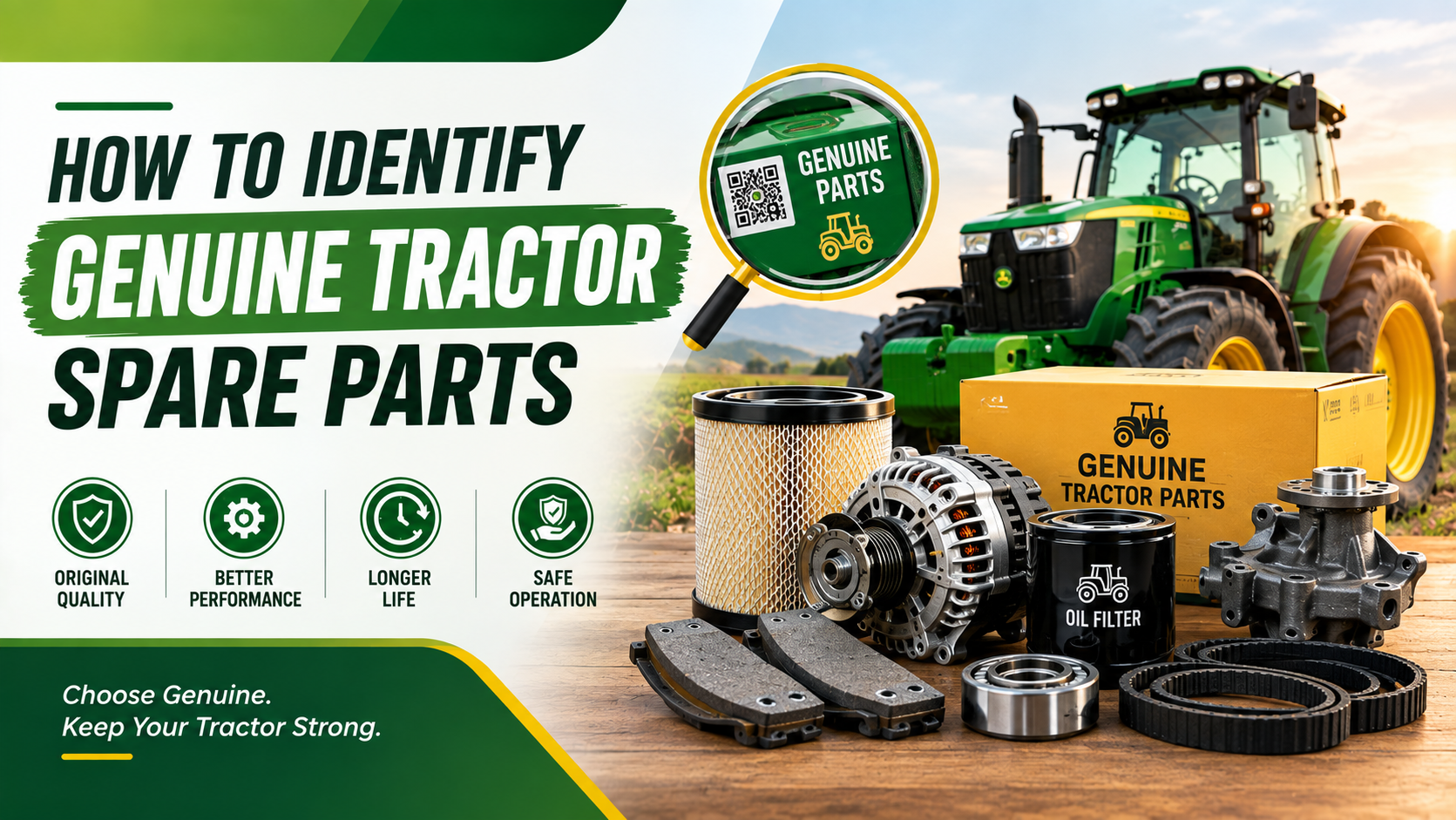
Learn how to identify genuine tractor spare parts by checking part numbers, packaging, fitment, material quality, markings, specifications, and supplier reliability. Follow these practical tips to choose reliable tractor parts, avoid poor-quality components, reduce breakdowns, an...