 हिन्दी

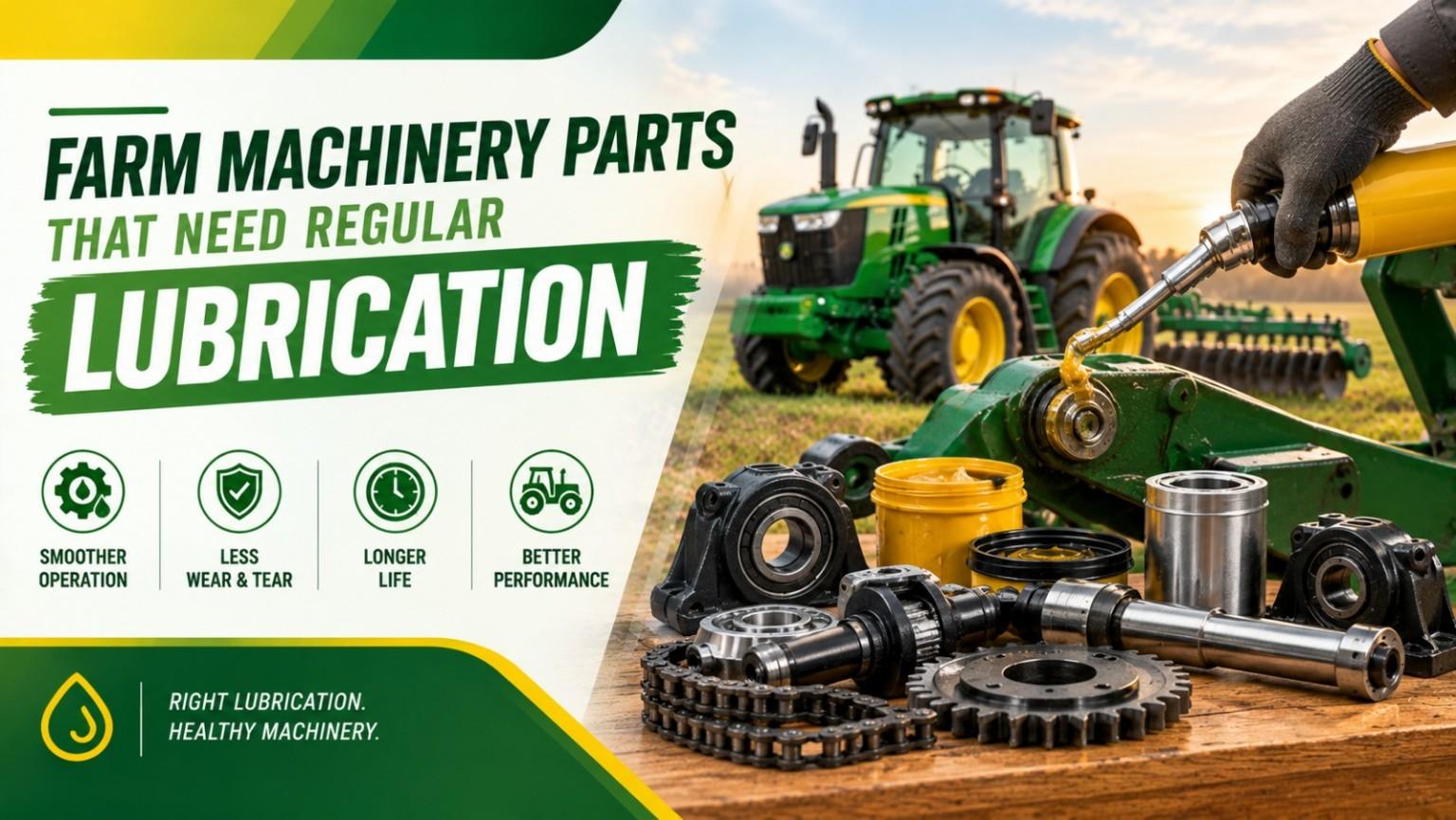
Learn which farm machinery parts need regular lubrication, including tractor bearings, PTO components, bushes, pins, chains, gears, wheel bearings and more.
COD उपलब्ध नहीं है। हम केवल प्रीपेड ऑर्डर में काम करते हैं और पूरे भारत में शिपिंग करते है. COD is not available. We work in prepaid orders only and shipping PAN India.
X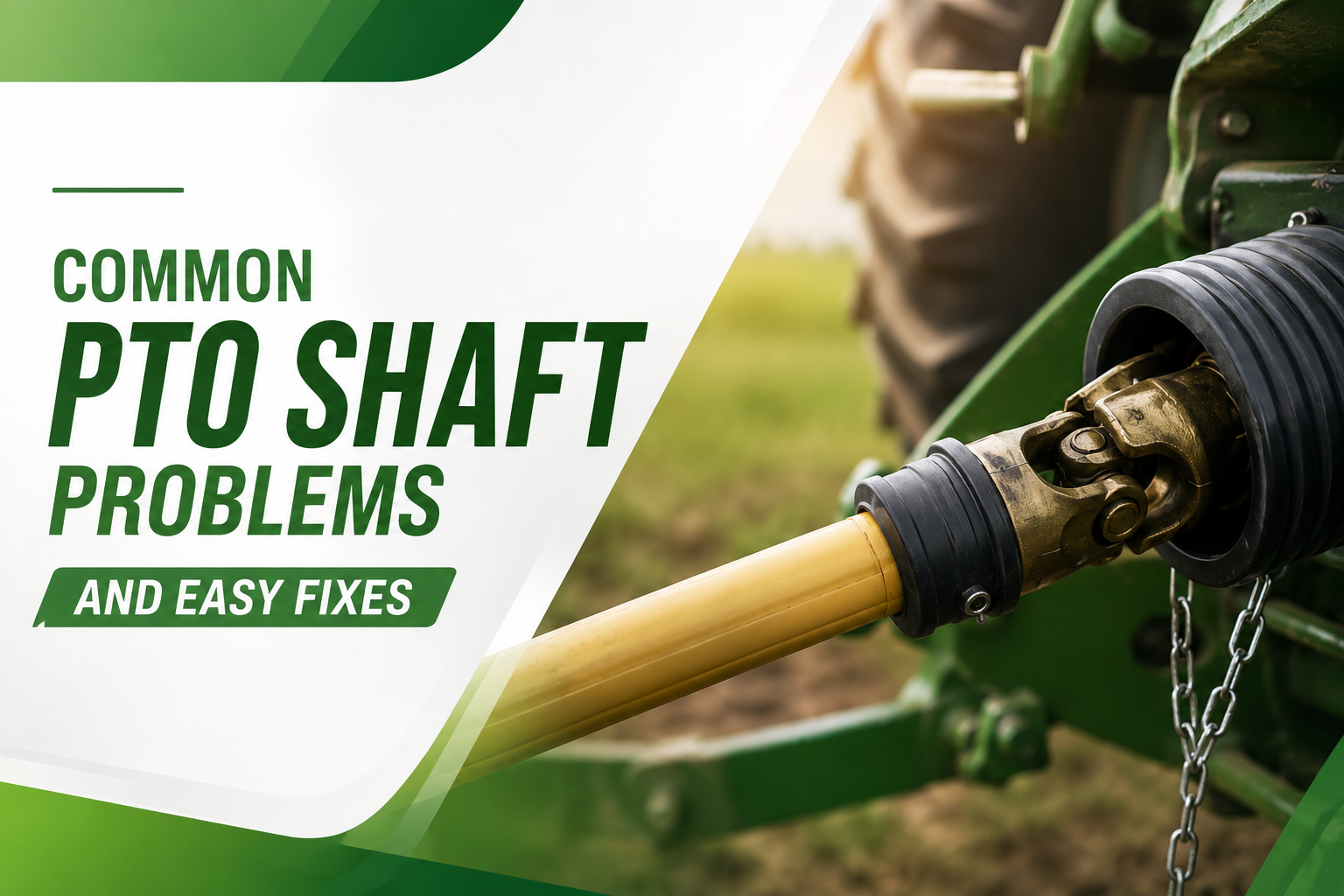
Modern farming depends heavily on tractors and agricultural implements working together efficiently. Whether it is a rotavator, thresher, baler, seed drill, or sprayer, many farm machines rely on the tractor’s Power Take-Off (PTO) system to operate. The PTO shaft is responsible for transferring power from the tractor engine to the implement, making it one of the most important components in agricultural machinery.
Despite its importance, the PTO shaft is often overlooked until a problem occurs. A damaged or poorly maintained PTO shaft can reduce implement performance, increase fuel consumption, and even cause costly breakdowns during critical farming operations. The good news is that many common PTO shaft problems can be identified early and fixed before they lead to major repairs.
Understanding these issues and their solutions can help farmers improve tractor efficiency, reduce downtime, and extend the life of both the tractor and attached implements.
The PTO shaft acts as a connection between the tractor and the implement. It transfers rotational power from the tractor engine to the machine attached behind it. This allows equipment such as rotavators, threshers, mowers, and balers to perform their intended functions.
Because the PTO shaft operates under continuous movement and heavy loads, it experiences constant stress. Proper maintenance is essential to ensure smooth power transfer and prevent unexpected failures.
When the PTO system is working correctly, implements operate efficiently and productivity remains high. However, even small PTO issues can affect overall farm operations.
One of the most common PTO-related problems is excessive vibration during operation. Many farmers notice unusual shaking or vibration when using implements but may ignore it until the issue becomes serious.
Vibration usually occurs due to worn universal joints, improper alignment, damaged shaft components, or imbalance within the PTO assembly.
Some common symptoms include:
The easiest solution is to inspect the PTO shaft regularly and replace worn universal joints or damaged components before they cause additional damage.
Universal joints are critical components that allow the PTO shaft to operate at different angles while transferring power smoothly.
Over time, these joints experience wear due to friction, heavy loads, and lack of lubrication. When universal joints become worn, they may create noise, vibration, and uneven power transfer.
Signs of worn universal joints include:
Regular greasing and timely replacement of worn joints can significantly extend PTO shaft life and improve performance.
Sometimes farmers find that the PTO shaft does not rotate properly even when the tractor PTO is engaged.
This issue can occur due to damaged splines, worn couplings, internal PTO problems, or broken shaft components. If the shaft is unable to transfer power efficiently, the implement may operate slowly or stop working altogether.
Inspecting the PTO connection points and checking for visible wear is often the first step in identifying the problem. Replacing damaged couplings or worn splines usually restores normal operation.
Insufficient lubrication is one of the biggest causes of PTO shaft wear. Because the shaft contains moving parts that operate continuously, lubrication is necessary to reduce friction and prevent overheating.
Without proper greasing, components may wear out faster and become more likely to fail during operation.
Regular lubrication helps:
Following a routine greasing schedule is one of the simplest ways to avoid PTO-related problems.
Safety guards are designed to cover rotating PTO components and protect operators from injury. Unfortunately, these guards are sometimes neglected or removed entirely.
Damaged or missing PTO guards create serious safety risks and expose moving parts to dust, dirt, and moisture.
Farmers should inspect PTO guards regularly and replace them if they show signs of cracking, damage, or excessive wear. Maintaining safety equipment is just as important as maintaining mechanical components.
Overheating is another common problem that can affect PTO performance. Excessive heat often indicates increased friction or mechanical resistance somewhere in the system.
Possible causes include:
Ignoring overheating can lead to severe damage and expensive repairs. Regular inspections help identify the source of excessive heat before it becomes a major issue.
A PTO shaft must remain properly aligned to transfer power efficiently. If the shaft becomes bent or operates at an incorrect angle, excessive stress is placed on connected components.
Misalignment often results from improper implement setup or accidental impact during field operations.
Common symptoms include:
Ensuring correct installation and alignment helps maintain smooth operation and extends component life.
PTO splines are responsible for connecting the shaft securely to the tractor and implement. Continuous use under heavy loads can gradually wear down these connection points.
When splines become worn, power transfer becomes less efficient and slippage may occur.
Signs of spline wear include:
Replacing worn spline components early helps avoid more expensive repairs later.
Agricultural environments expose PTO shafts to dirt, dust, mud, and crop residue every day. These contaminants can accelerate wear if they enter moving components.
Keeping the PTO shaft clean and properly lubricated helps reduce contamination-related damage. Regular cleaning after field work also improves component longevity.
Simple maintenance practices often make a significant difference in long-term PTO performance.
Many PTO problems develop gradually and provide warning signs before complete failure occurs.
Routine inspections should include checking:
Performing these inspections regularly helps identify issues early and prevents costly downtime during important farming activities.
When PTO components require replacement, the quality of spare parts plays a major role in long-term reliability.
Low-quality replacement parts may wear out quickly and fail under demanding agricultural conditions. This often results in repeated repairs and increased maintenance costs.
Reliable PTO shaft components and agricultural spare parts from Gropart are designed to handle heavy workloads and provide consistent performance in real farming conditions. Using dependable replacement parts helps reduce downtime and supports efficient field operations.
Proper maintenance can significantly increase the lifespan of a PTO shaft and reduce repair expenses.
Some simple maintenance practices include:
These small steps can help prevent major failures and improve overall equipment reliability.
The PTO shaft is one of the most important connections between a tractor and its implements. It plays a vital role in transferring power and supporting efficient agricultural operations. However, issues such as vibration, worn universal joints, poor lubrication, spline wear, misalignment, and contamination can affect performance if left unattended.
Fortunately, most PTO shaft problems can be prevented through regular inspections, proper lubrication, and timely maintenance. Identifying warning signs early helps farmers avoid costly breakdowns and maintain productivity during critical farming seasons.
By combining routine maintenance with high-quality PTO components and spare parts from Gropart, farmers can improve equipment reliability, extend component life, and ensure smooth power transfer for years to come. A well-maintained PTO system not only improves performance but also contributes to safer and more efficient farming operations.
Learn which farm machinery parts need regular lubrication, including tractor bearings, PTO components, bushes, pins, chains, gears, wheel bearings and more.
Learn which farm machinery parts need regular lubrication, including tractor bearings, PTO components, bushes, pins, chains, gears, wheel bearings and more.
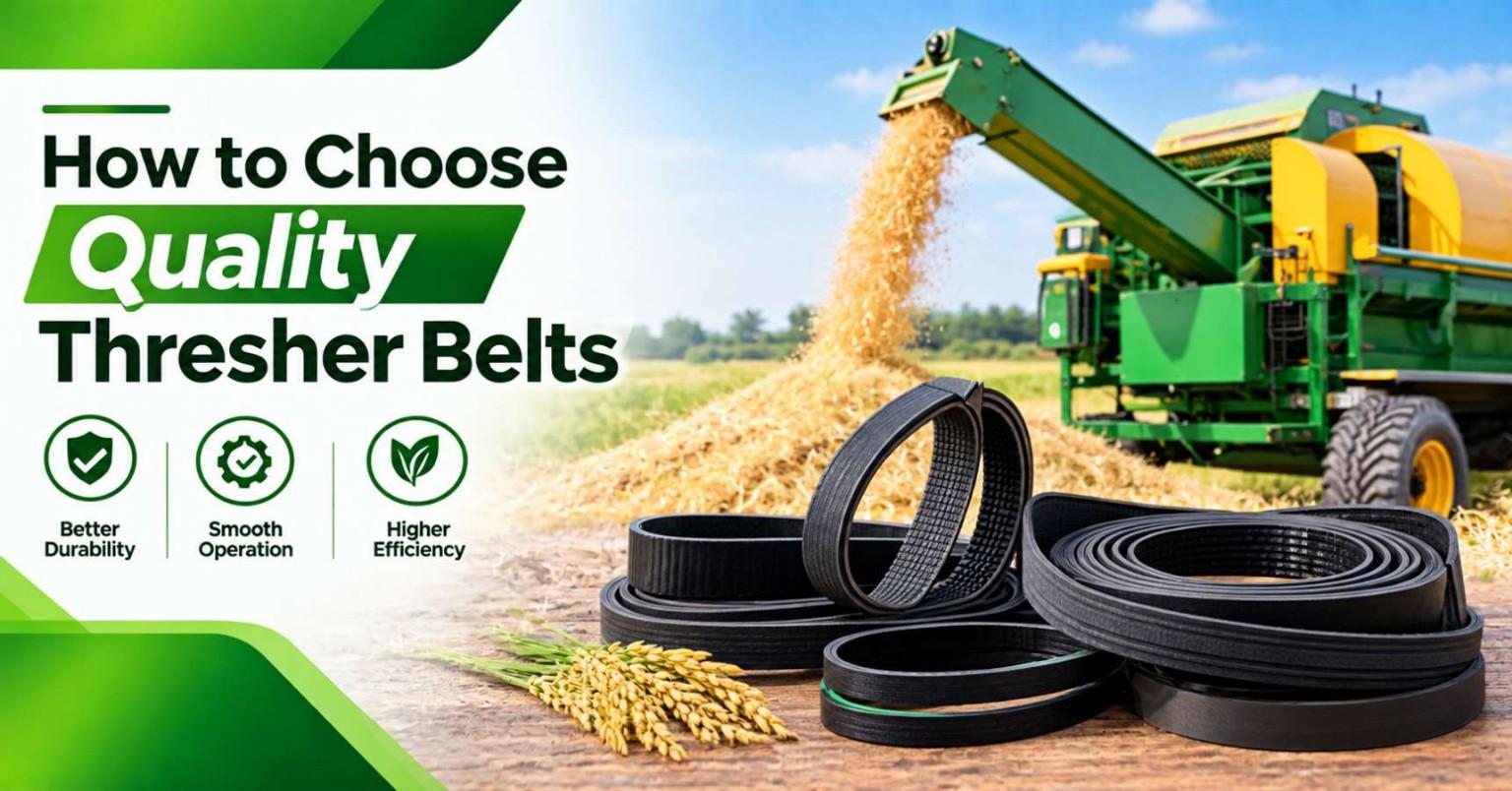
Learn how to choose quality thresher belts by checking size, profile, construction, load, heat resistance, compatibility, tension and belt wear.
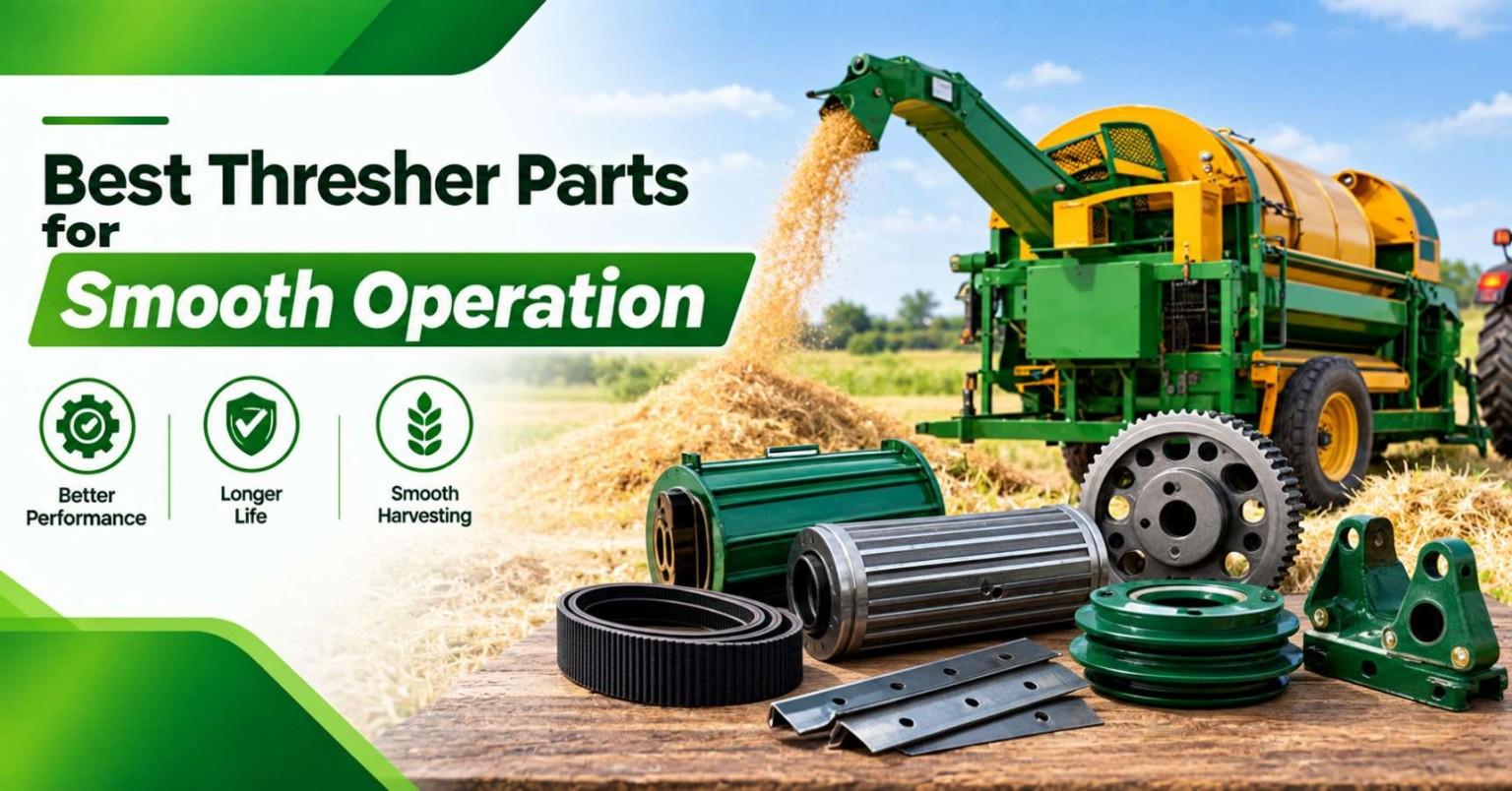
Learn about essential thresher spare parts including drums, beaters, bearings, belts, pulleys, shafts, sieves and filters for smooth machine operation