 English


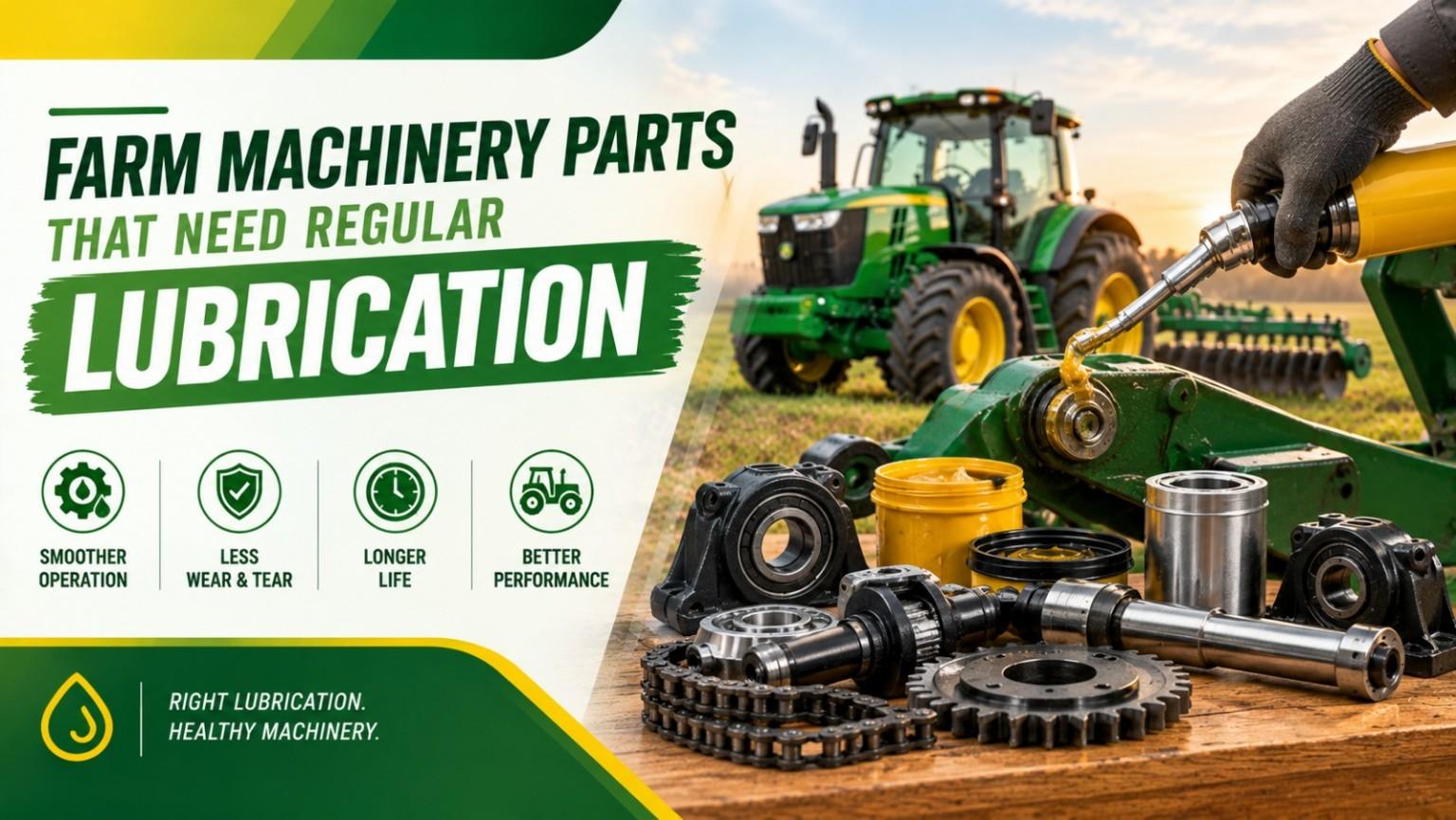
Learn which farm machinery parts need regular lubrication, including tractor bearings, PTO components, bushes, pins, chains, gears, wheel bearings and more.
COD उपलब्ध नहीं है। हम केवल प्रीपेड ऑर्डर में काम करते हैं और पूरे भारत में शिपिंग करते है. COD is not available. We work in prepaid orders only and shipping PAN India.
X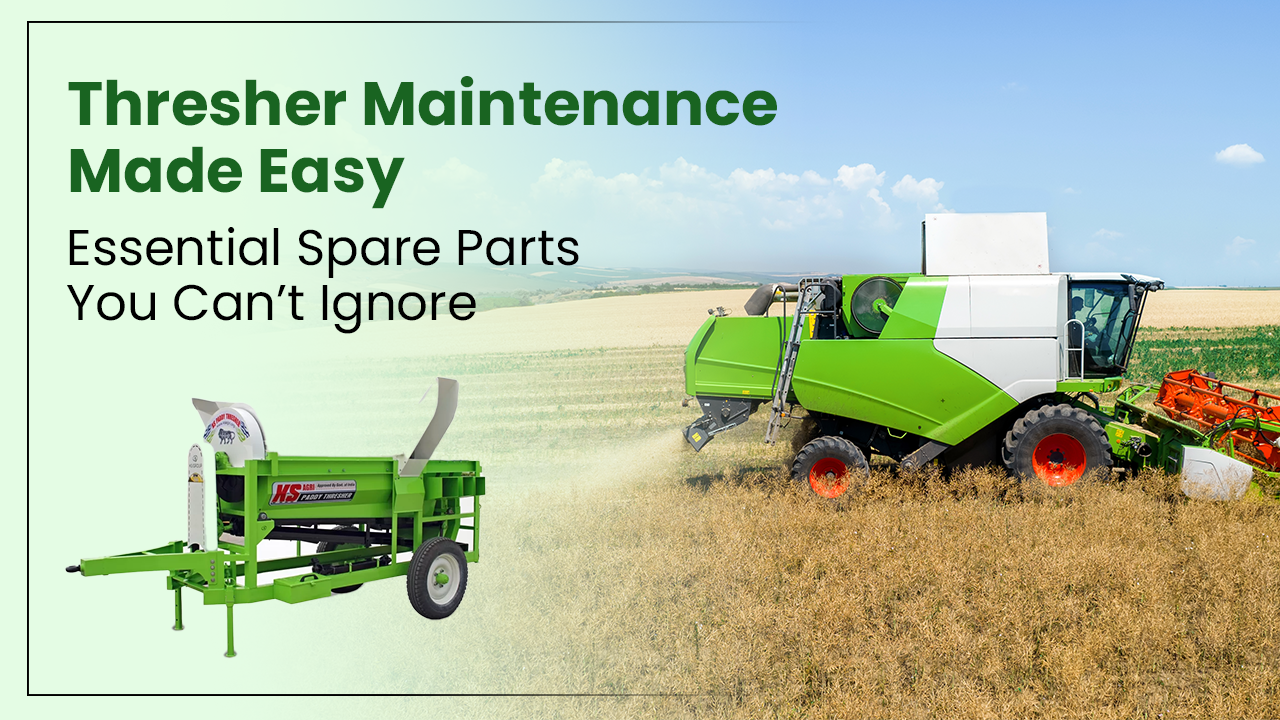
A thresher is one of the most heavily used machines during harvesting season. When it is running well, work moves fast and grain quality remains intact. When it starts giving trouble, even small issues can cause delays, grain loss, and extra labour. Most thresher problems are not sudden. They usually come from worn or neglected spare parts.
Regular maintenance and timely replacement of essential spare parts can make thresher operation smoother and more reliable. Understanding which parts need attention helps avoid breakdowns at the worst possible time.
Many farmers focus on engine servicing but ignore working parts until something fails. During peak harvest, machines run continuously for long hours, often in dusty conditions. Heat, vibration, and load slowly wear down internal components.
Waiting for a part to completely fail usually leads to:
Basic preventive maintenance saves both time and money.
The threshing drum and concave handle the actual separation of grain from crop. Worn teeth, bent bars, or uneven gaps reduce threshing efficiency and increase grain breakage.
Regular inspection helps maintain proper clearance and uniform output. If damaged parts are ignored, overall productivity drops even if the engine is running fine.
Belts transfer power from the engine or motor to different parts of the thresher. Loose, cracked, or stretched belts cause power loss and uneven operation.
Signs of belt issues include slipping, excessive vibration, and unusual noise. Replacing belts early prevents damage to pulleys and bearings.
Bearings support rotating shafts and allow smooth movement. Due to dust and continuous use, bearings are among the most commonly worn parts in threshers.
Overheated or noisy bearings should never be ignored. A failed bearing can damage shafts and cause long shutdowns. Regular greasing and timely replacement extend bearing life.
Sieves separate grain from chaff. Damaged or blocked sieves reduce cleaning quality and increase grain loss.
Check for broken wires, bends, or clogging. Properly maintained sieves improve output quality and reduce re-cleaning work.
The blower creates airflow for cleaning grain. Worn fan blades or imbalance can reduce airflow and cause vibration.
Reduced airflow results in poor separation and higher grain impurity levels. Keeping blower parts in good condition ensures consistent cleaning performance.
Shafts transfer power between different sections of the thresher. Misalignment or worn couplings increase vibration and stress on other parts.
Regular inspection helps detect cracks or looseness early, preventing major mechanical failures.
These habits reduce machine life and increase downtime.
These small steps significantly improve reliability.
Threshers work under tough conditions and tight timelines. Most failures can be avoided by paying attention to essential spare parts before they cause bigger problems.
Regular inspection, proper lubrication, and timely replacement of worn parts keep the thresher running smoothly throughout the harvest season. Maintenance may seem like extra work, but it is far less costly than unexpected breakdowns.
A well-maintained thresher delivers better output, cleaner grain, and peace of mind when it matters most.
Learn which farm machinery parts need regular lubrication, including tractor bearings, PTO components, bushes, pins, chains, gears, wheel bearings and more.
Learn which farm machinery parts need regular lubrication, including tractor bearings, PTO components, bushes, pins, chains, gears, wheel bearings and more.
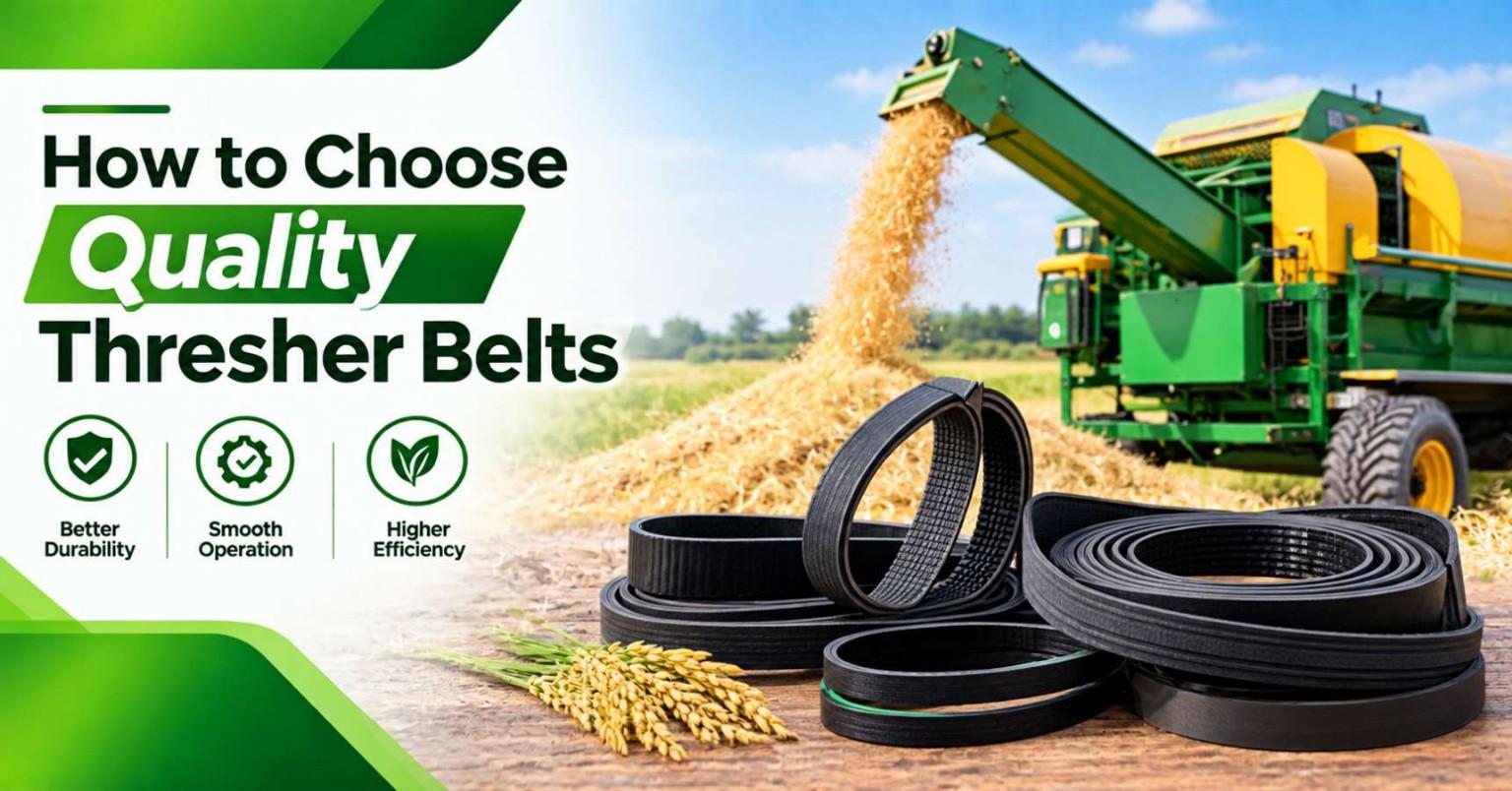
Learn how to choose quality thresher belts by checking size, profile, construction, load, heat resistance, compatibility, tension and belt wear.
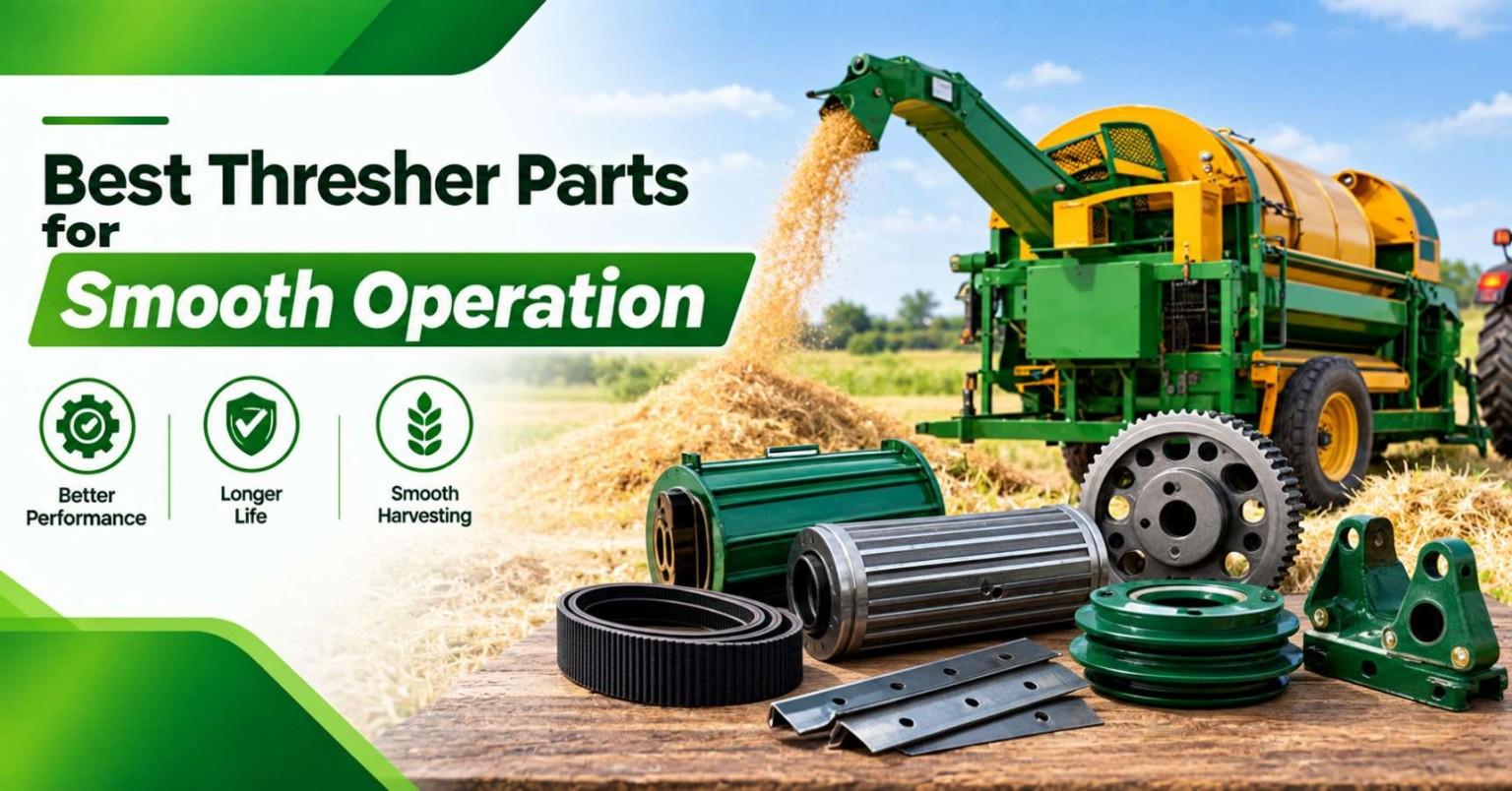
Learn about essential thresher spare parts including drums, beaters, bearings, belts, pulleys, shafts, sieves and filters for smooth machine operation