 English

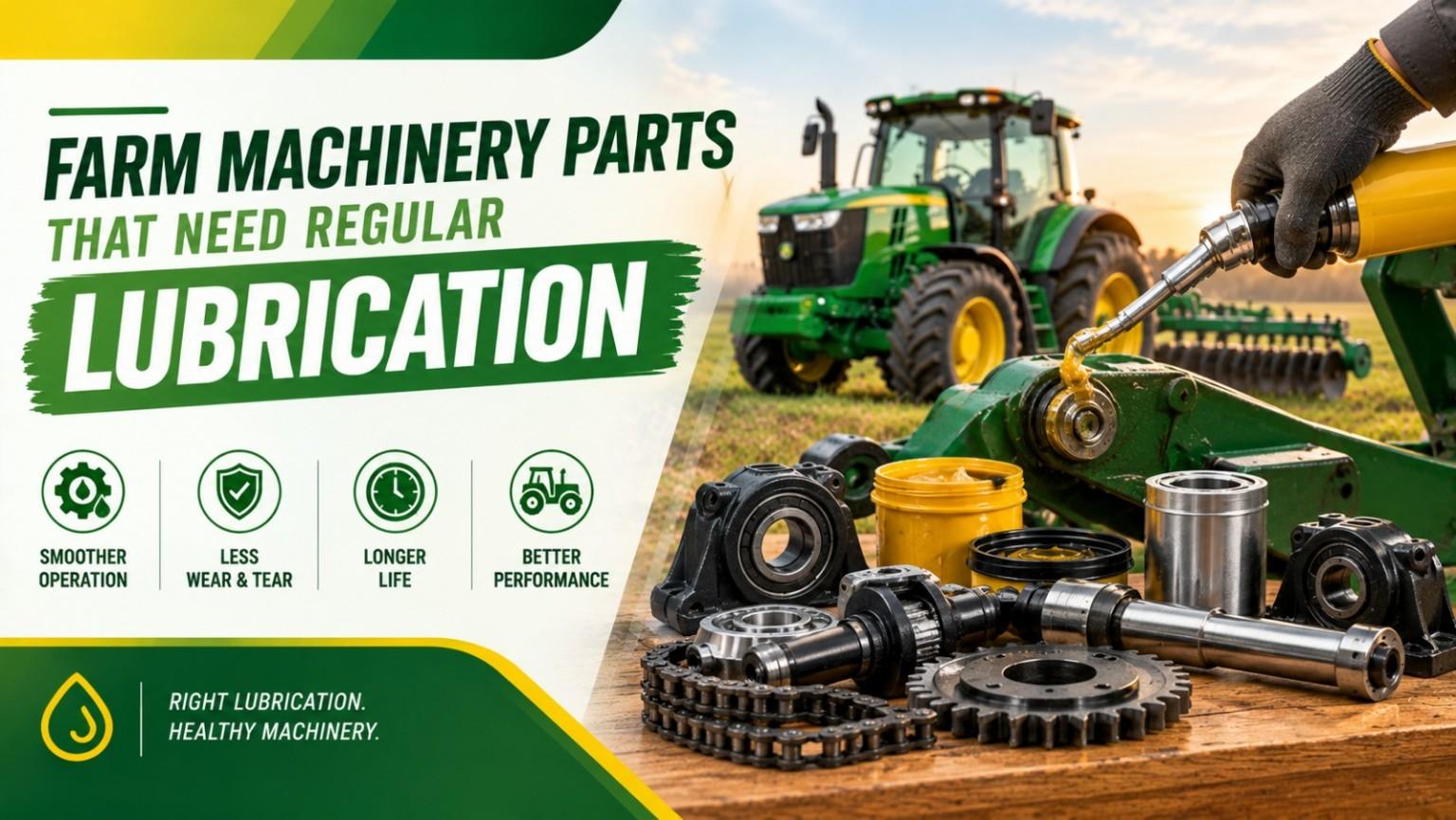
Learn which farm machinery parts need regular lubrication, including tractor bearings, PTO components, bushes, pins, chains, gears, wheel bearings and more.
COD उपलब्ध नहीं है। हम केवल प्रीपेड ऑर्डर में काम करते हैं और पूरे भारत में शिपिंग करते है. COD is not available. We work in prepaid orders only and shipping PAN India.
X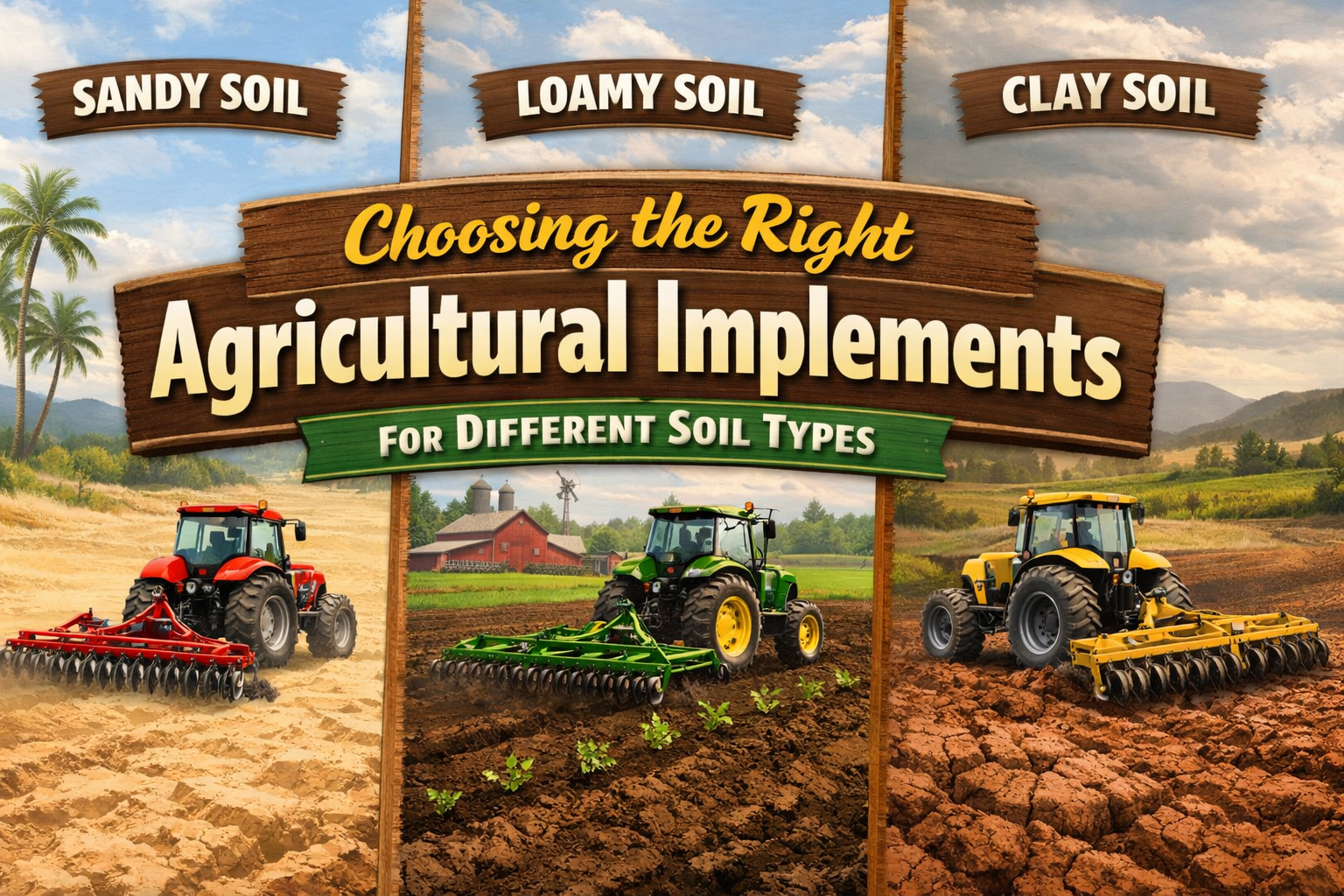
Every farmer knows that soil plays a major role in crop yield. But many farmers still use the same agricultural implements on all types of land, which often leads to poor results, higher fuel consumption, and faster machine wear. The truth is that different soil types need different agricultural implements for best performance.
Choosing the right agricultural implements based on soil condition improves tillage quality, protects tractor components, and increases overall productivity. In this guide, we explain how to select the right implements for various soil types and how quality equipment from Gropart supports efficient farming.
Soil texture and moisture decide how hard or soft the land is. Clay, sandy, loamy, or rocky soil reacts differently to ploughing, harrowing, and sowing. Using the wrong implement can cause:
Matching the implement to the soil type reduces stress on the tractor and delivers better crop results.
Before choosing implements, it is important to understand the soil type in your field.
Clay soil is heavy and sticky. It holds water for a long time and becomes very hard when dry.
Sandy soil is light and loose. It drains water quickly but does not hold nutrients well.
Loamy soil is a balanced mix of sand, silt, and clay. It is ideal for most crops.
This soil expands when wet and cracks when dry. It is common in many parts of India.
This soil contains stones and hard layers that increase implement wear.
Clay soil needs strong and deep-working implements because of its dense structure.
Using light implements in clay soil increases tractor strain and gives poor tillage. Strong implements supported by durable spare parts from Gropart ensure long service life and smooth operation.
Sandy soil is easy to work but needs shallow tillage to prevent nutrient loss.
Light implements reduce fuel consumption and prevent soil erosion. Choosing well-balanced implements helps maintain field moisture.
Loamy soil is farmer-friendly and works well with most implements.
Loamy soil does not require extreme force. Using standard implements with correct adjustment improves soil aeration and crop growth.
Black cotton soil needs special care because it becomes sticky when wet and hard when dry.
Avoid working black soil when it is too wet. Using the right implement reduces tyre slippage and protects tractor transmission parts.
Rocky soil increases wear on both implements and tractor parts.
Low-quality implements break easily in rocky soil. Implements supported by strong bearings, bolts, and blades from Gropart reduce breakdowns and downtime.
Choosing the right implement is not only about soil type but also tractor horsepower.
Using oversized implements:
Using undersized implements:
Always match implement size with tractor capacity for best results.
Agricultural implements also use spare parts such as:
Low-quality parts wear out quickly and affect field performance. Gropart spare parts are designed to handle soil pressure, vibration, and continuous use.
Proper maintenance increases implement life and performance:
Good maintenance reduces tractor load and improves efficiency.
Farmers prefer implement suppliers who offer:
Gropart supports farming efficiency by providing dependable spare parts that match real field conditions.
Choosing the right agricultural implements for different soil types is essential for productive and cost-effective farming. Clay, sandy, loamy, black cotton, and rocky soils all need different tools to deliver the best results.
Using the correct implements reduces tractor stress, improves fuel efficiency, and protects major components. When combined with high-quality spare parts from Gropart, farmers can achieve smoother operations, fewer breakdowns, and better crop preparation.
For farmers who want consistent output and long machine life, selecting the right implement based on soil type is not a choice—it is a smart farming practice that delivers long-term benefits.
Learn which farm machinery parts need regular lubrication, including tractor bearings, PTO components, bushes, pins, chains, gears, wheel bearings and more.
Learn which farm machinery parts need regular lubrication, including tractor bearings, PTO components, bushes, pins, chains, gears, wheel bearings and more.
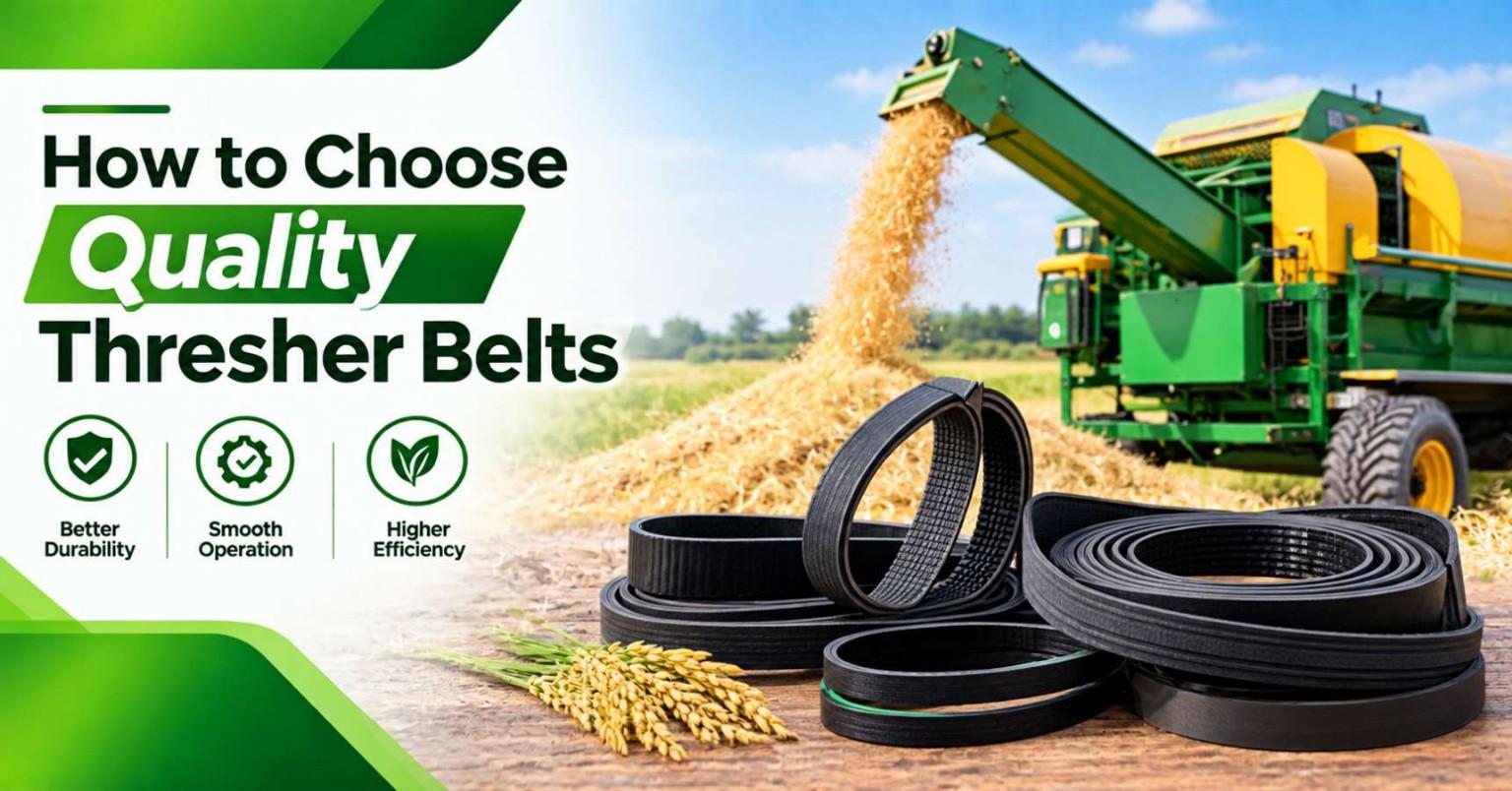
Learn how to choose quality thresher belts by checking size, profile, construction, load, heat resistance, compatibility, tension and belt wear.
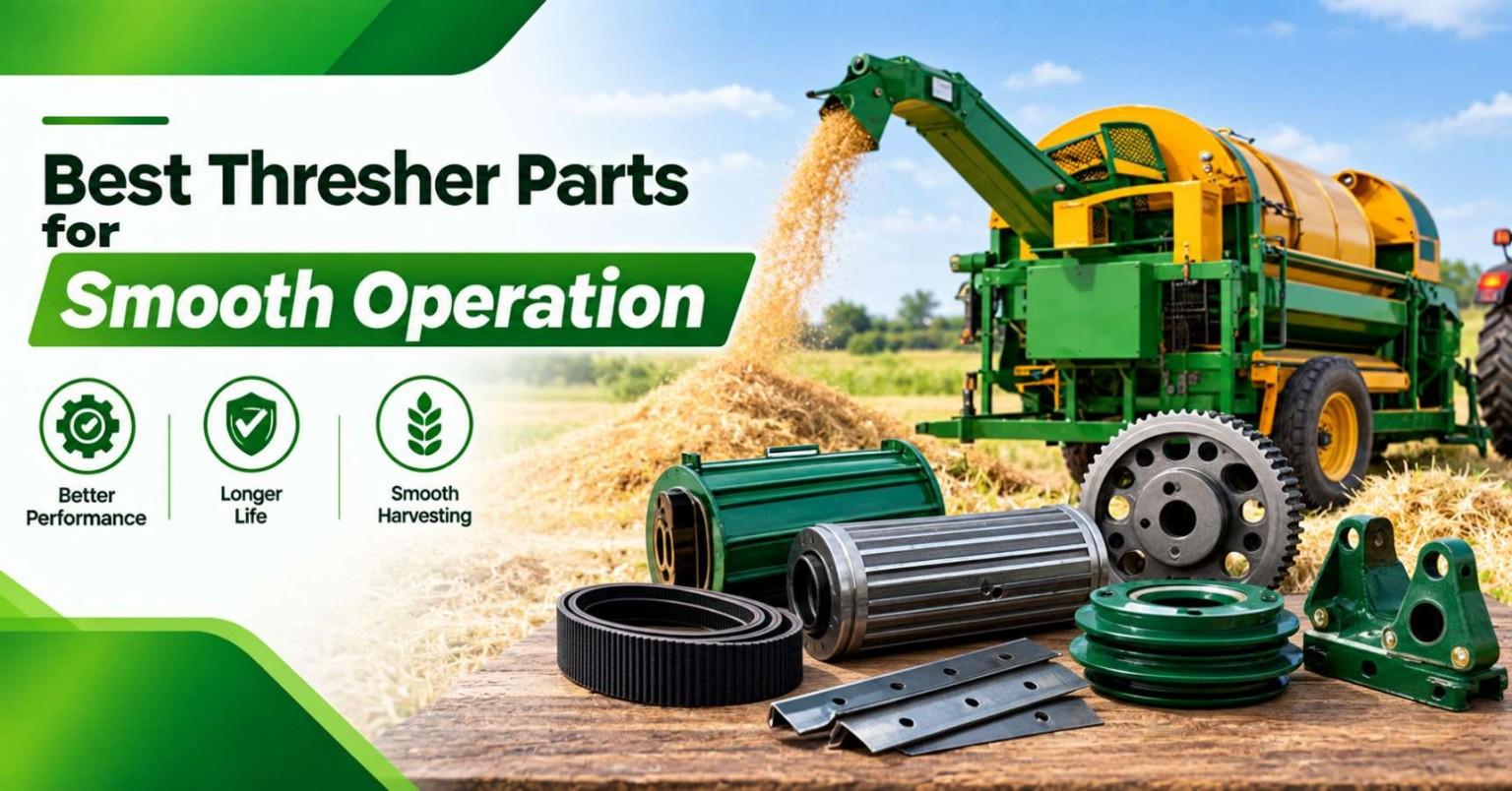
Learn about essential thresher spare parts including drums, beaters, bearings, belts, pulleys, shafts, sieves and filters for smooth machine operation