 English



Discover the essential JCB parts that improve digging and loading efficiency. Learn how hydraulic pumps, cylinders, bucket teeth, cutting edges, pins, bushes, filters, and quality spare parts help boost machine performance and reduce downtime.
COD उपलब्ध नहीं है। हम केवल प्रीपेड ऑर्डर में काम करते हैं और पूरे भारत में शिपिंग करते है. COD is not available. We work in prepaid orders only and shipping PAN India.
X
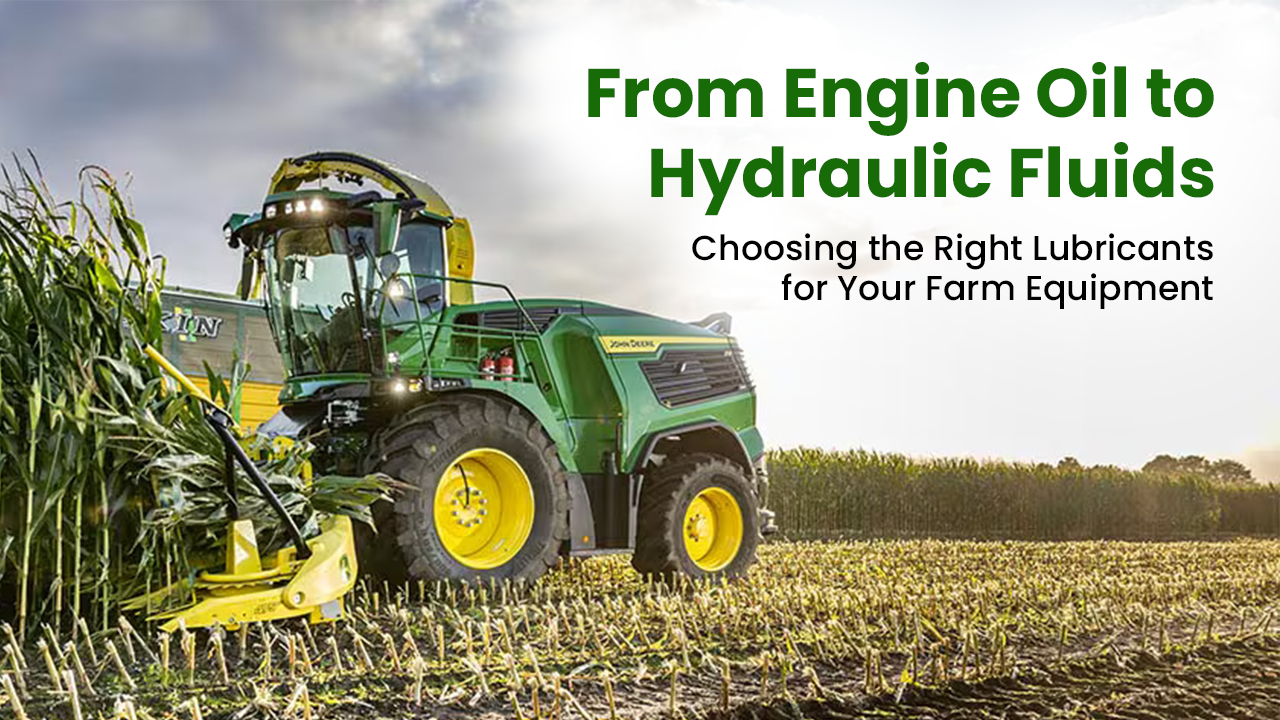
Lubrication is one of the simplest parts of machine maintenance, yet it is also one of the most misunderstood. Many farmers focus on repairs only after something goes wrong, while the real damage often starts much earlier because of wrong or delayed lubrication. Engine oil, hydraulic fluid, gear oil, and grease all have different roles, and using the wrong one can shorten machine life quickly.
Farm equipment works under heat, dust, moisture, and heavy loads. Proper lubrication protects internal parts, reduces friction, and keeps machines running smoothly throughout the season.
Every moving part inside a machine creates friction. Without proper lubrication, metal surfaces rub directly against each other, causing wear, heat, and eventual failure.
Good lubrication helps by:
Using the correct lubricant at the right time is far cheaper than repairing damaged components later.
Engine oil lubricates pistons, crankshafts, bearings, and valves. It also helps cool the engine and carry away dirt and carbon deposits.
Engine oil selection depends on engine type, operating temperature, and manufacturer recommendation. Using oil with incorrect viscosity can cause poor lubrication, especially during cold starts or heavy loads.
Signs of poor engine lubrication include increased noise, overheating, smoke, and higher fuel consumption.
Hydraulic oil does more than lubricate. It transfers power, controls movement, and protects hydraulic components such as pumps, valves, and cylinders.
Poor-quality or contaminated hydraulic oil leads to slow lifting, jerky movements, overheating, and seal damage.
Using the recommended hydraulic fluid ensures smooth implement operation and stable pressure.
Gearboxes and transmissions handle heavy torque and load. Gear oil forms a strong protective layer between gear teeth, reducing wear and noise.
Using engine oil instead of gear oil is a common mistake and can lead to gear damage.
Grease is used where oil cannot stay in place, such as bearings, joints, and linkages. It protects against dust, water, and heavy shock loads.
Different applications require different grease types. Over-greasing can be as harmful as under-greasing, as it may damage seals or cause overheating.
These habits gradually reduce machine reliability.
Small discipline in lubrication leads to long-term savings.
Choosing the right lubricants is not complicated, but it requires attention and consistency. Engine oil, hydraulic fluid, gear oil, and grease each serve a specific purpose and should never be used interchangeably.
Proper lubrication keeps farm equipment reliable, efficient, and ready during critical working periods. When machines are well-lubricated, breakdowns reduce, performance improves, and operating costs stay under control.
Discover the essential JCB parts that improve digging and loading efficiency. Learn how hydraulic pumps, cylinders, bucket teeth, cutting edges, pins, bushes, filters, and quality spare parts help boost machine performance and reduce downtime.
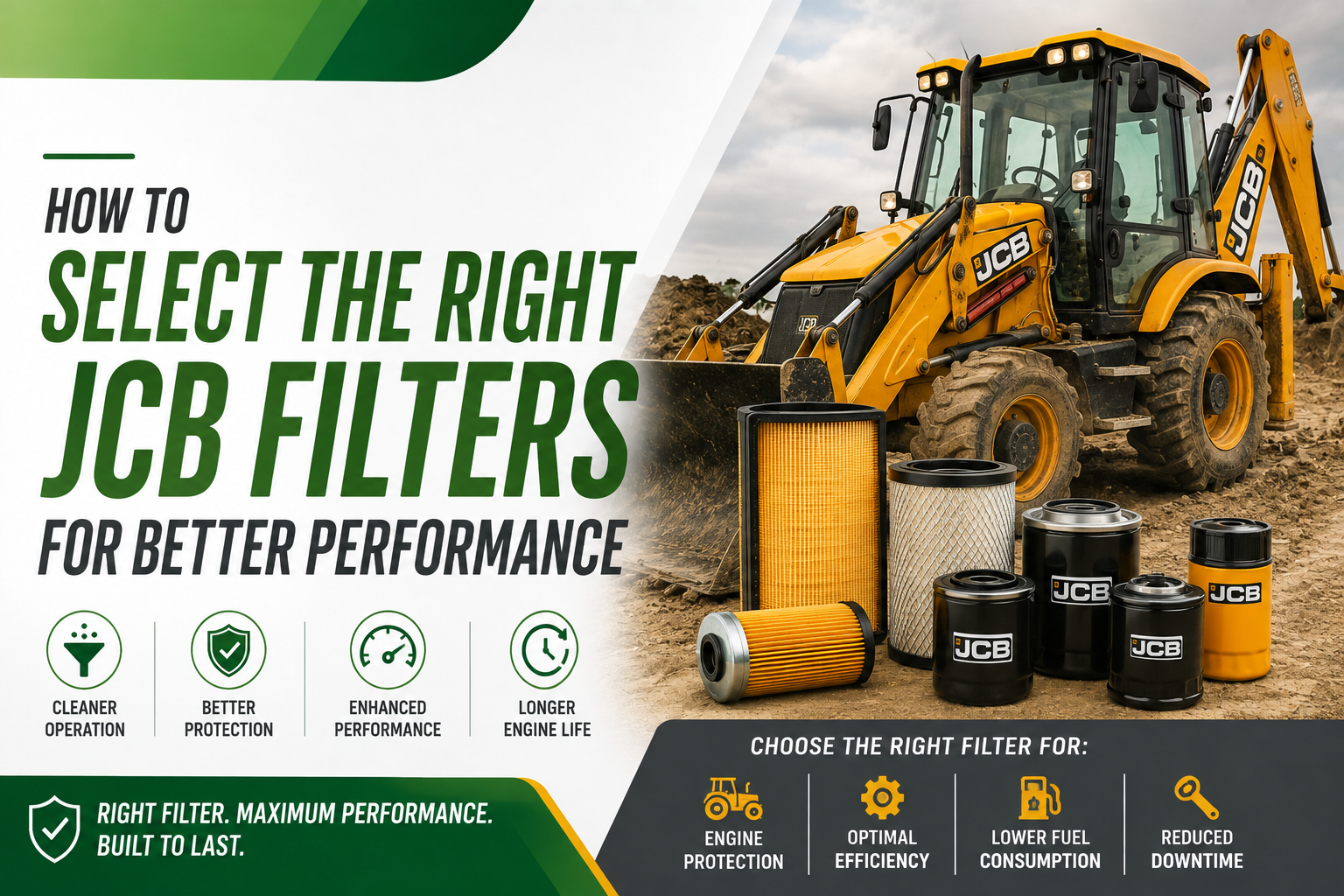
Learn how to select the right JCB filters for better performance. Discover tips for choosing air, fuel, oil, hydraulic, and transmission filters based on machine model, fitment, quality, and working conditions.
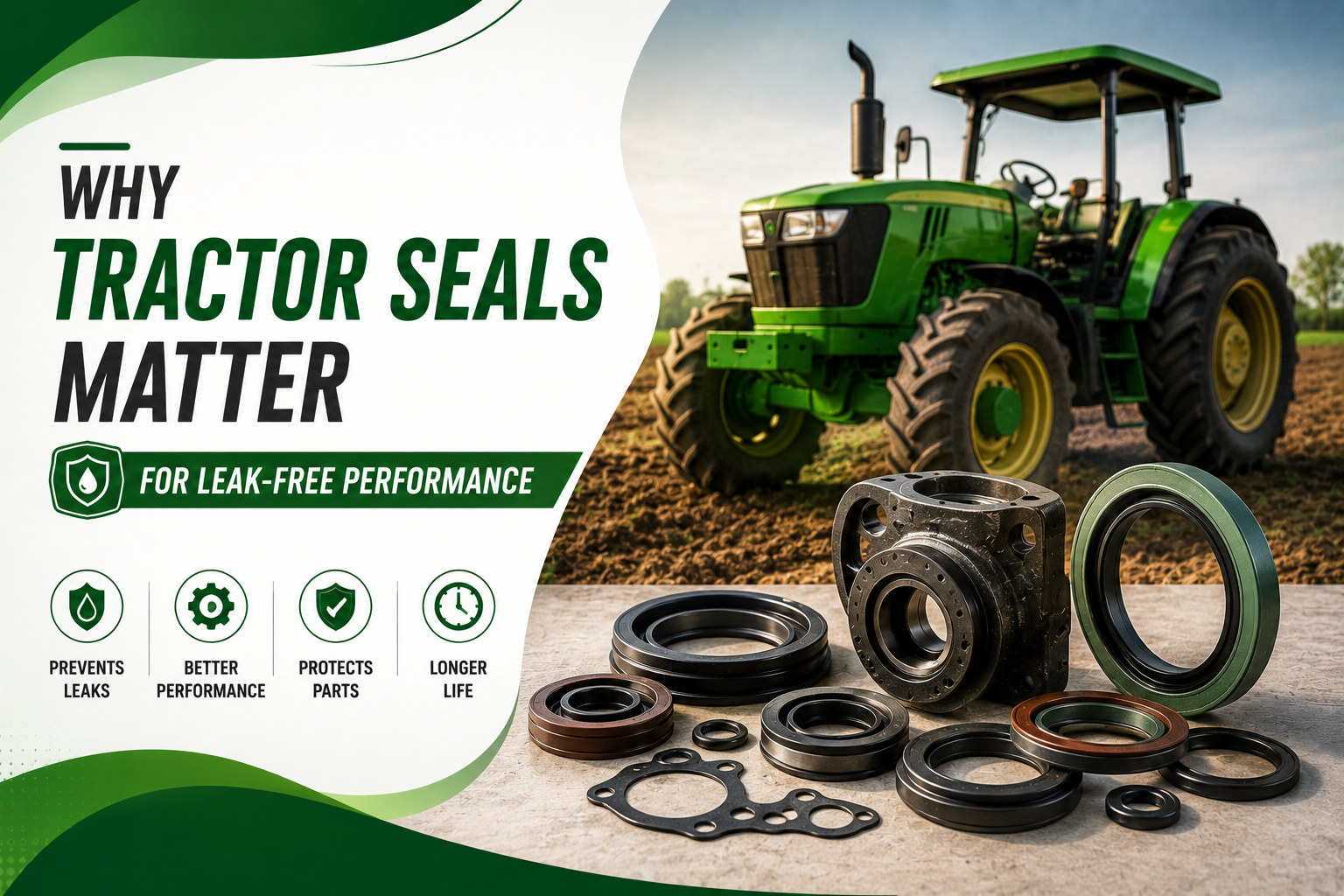
Learn why tractor seals are essential for leak-free performance. Discover how quality seals prevent fluid leaks, protect key components, maintain pressure, and improve tractor reliability.
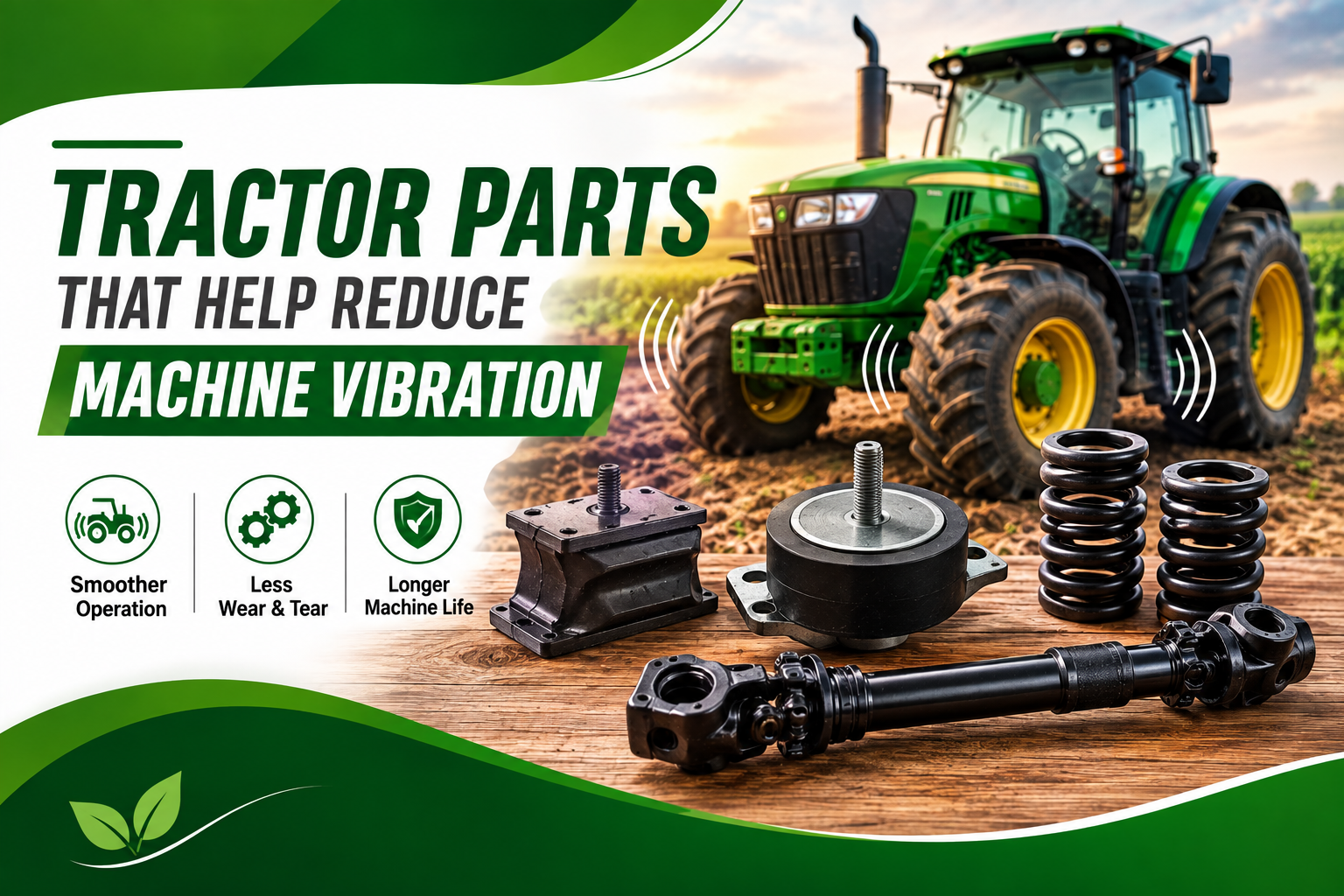
Discover tractor parts that help reduce machine vibration. Learn how quality bearings, bushes, engine mounts, tyres, steering parts, and PTO components improve tractor stability, performance, and reliability.