 English


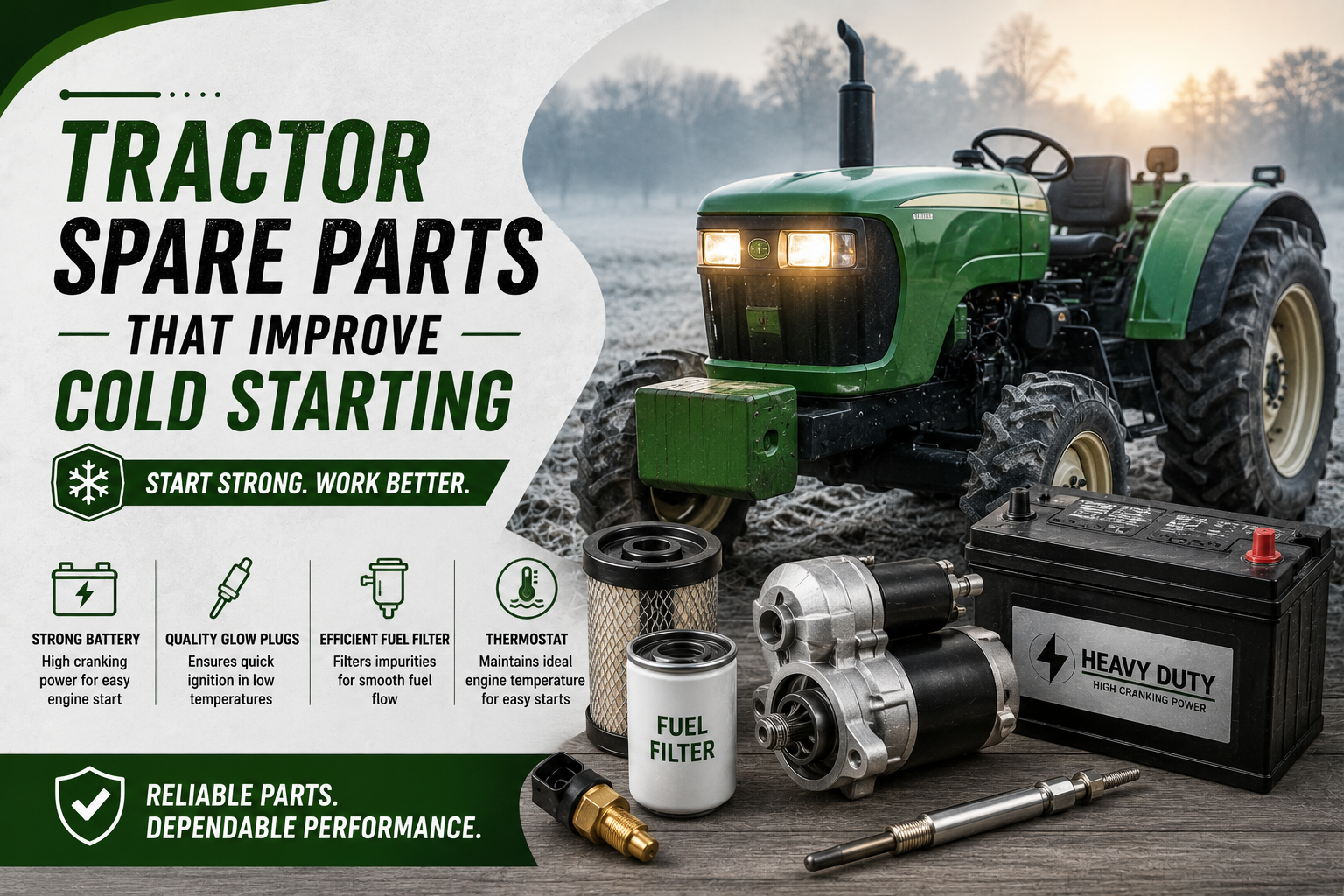
Discover the best tractor spare parts for improved cold starting, including batteries, glow plugs, filters, starter motors and fuel system components.
COD उपलब्ध नहीं है। हम केवल प्रीपेड ऑर्डर में काम करते हैं और पूरे भारत में शिपिंग करते है. COD is not available. We work in prepaid orders only and shipping PAN India.
X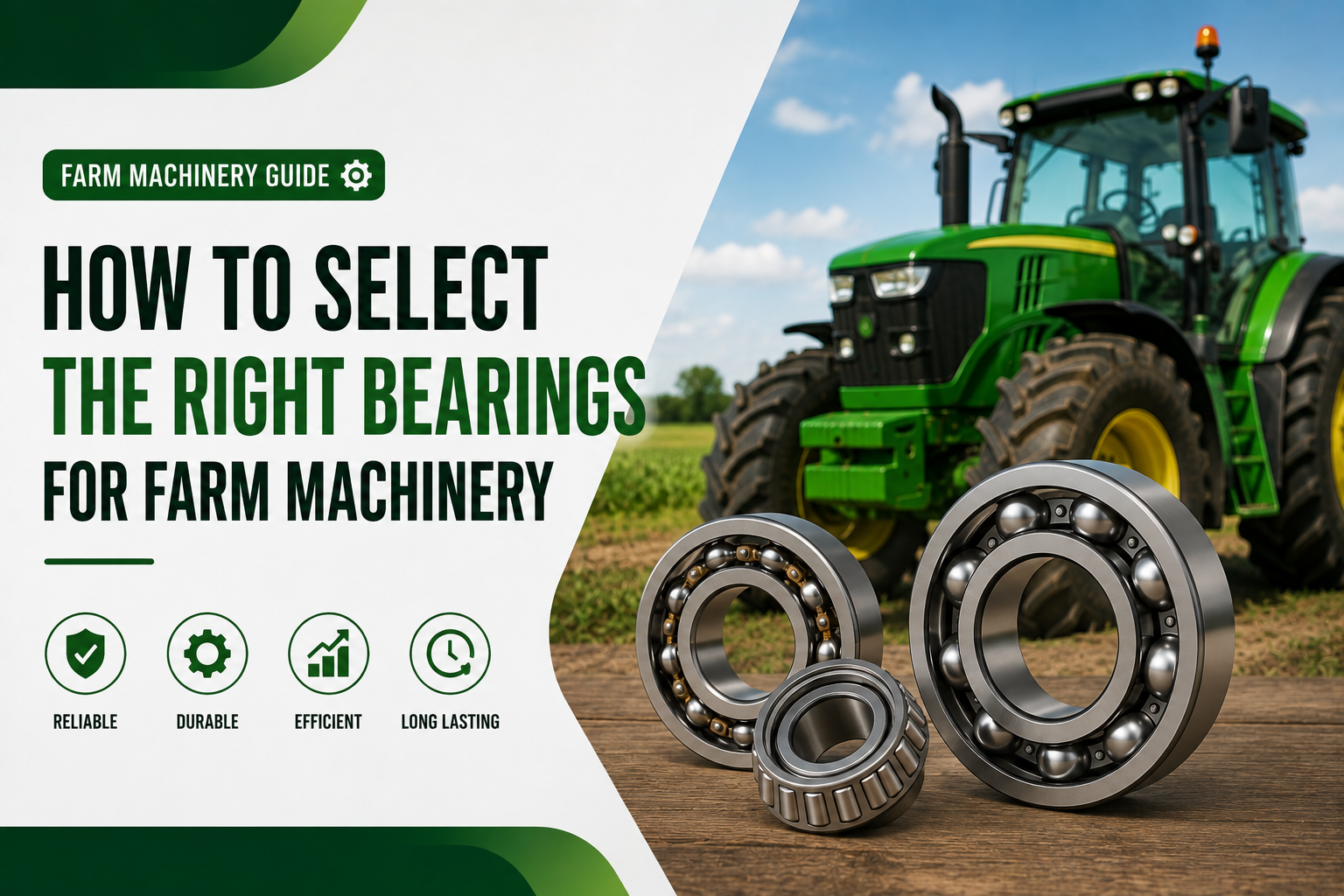
Bearings are small but essential components used in many types of farm machinery. Tractors, threshers, harvesters, pumps, rotavators, and other agricultural equipment depend on bearings to support rotating parts and reduce friction. Although they may not be as large as engines or hydraulic systems, bearings have a direct effect on machine performance, efficiency, and reliability.
Farm machinery often operates in challenging conditions. Dust, mud, moisture, heavy loads, vibration, and long working hours can place continuous stress on bearings. When the wrong bearing is selected or a worn bearing is ignored, it can affect connected parts and cause unexpected machine downtime.
Choosing the right bearings for farm machinery is therefore an important maintenance decision. The correct bearing should match the machine, load, speed, operating environment, and installation requirements. This guide explains the important factors farmers and mechanics should consider before buying replacement bearings.
Bearings help rotating components move smoothly while reducing friction between moving surfaces.
They are commonly used in:
A properly working bearing helps reduce friction, heat, and unnecessary energy loss.
When a bearing becomes damaged, the machine may develop noise, vibration, heat, and reduced performance.
The first step in choosing a bearing is understanding where it will be used.
A bearing used in a tractor wheel may have different requirements from one used in a thresher or agricultural pump.
Before buying, identify:
This information helps ensure that the replacement bearing is suitable for the application.
Correct dimensions are essential for proper fitment.
Important measurements include:
A bearing that is too large or too small will not fit correctly.
Before purchasing a replacement, compare the old bearing specifications with the new product information.
The bearing number printed on the original component can also help identify the correct replacement.
Farm machinery often operates under heavy loads.
The bearing must be able to support the load placed on it during operation.
Different bearings are designed for different types of loads, including:
For example, a bearing supporting a rotating shaft may experience a different load from one used in a wheel or heavy agricultural implement.
Choosing a bearing with the correct load capacity helps improve service life.
The speed at which a component rotates also affects bearing selection.
High-speed applications require bearings designed to operate smoothly at higher rotation speeds.
A bearing not suitable for the operating speed may generate excessive heat and wear quickly.
Farmers and mechanics should consider the machine's operating speed before selecting a replacement.
Farm machinery often works in dusty fields and open environments.
Dust can enter a bearing and mix with grease, creating abrasive material that causes internal wear.
For dusty applications, sealed or protected bearings may provide better protection.
Choosing a bearing suitable for the operating environment helps reduce contamination-related failure.
Farm machinery may also operate in wet or muddy conditions.
Water entering a bearing can remove lubrication and cause rust or corrosion.
If the machine frequently operates in wet conditions, the bearing should offer suitable protection against moisture.
Regular cleaning and proper lubrication can also help extend bearing life.
Different applications require different bearing designs.
Common types include:
Each type has different load and performance characteristics.
The correct bearing type should be selected based on the machine's design and the forces involved during operation.
Quality plays an important role in bearing performance.
A low-quality bearing may wear quickly, create excessive noise, or fail under heavy loads.
Important quality factors include:
Reliable bearings are designed to provide consistent performance under demanding conditions.
Even a high-quality bearing can fail early without proper lubrication.
Lubrication reduces friction and helps control heat during operation.
The correct grease or lubricant should be used according to the bearing and machine requirements.
Too little lubrication can cause excessive friction, while too much may also create heat in some applications.
Following proper maintenance recommendations is important.
Farm machinery may operate in hot environments and for long working hours.
High temperatures can affect bearing lubrication and material performance.
If the bearing operates at high temperatures, it should be suitable for the expected working conditions.
Monitoring excessive heat can also help identify early bearing problems.
Farmers should be aware of common warning signs.
A damaged bearing may cause:
Ignoring these signs may allow the problem to damage connected components.
Replacing a worn bearing early can help prevent larger repairs.
Choosing a reliable replacement bearing can provide better long-term value.
Cheap, low-quality bearings may fail quickly and require repeated replacement.
This can increase:
Quality farm machinery spare parts from Gropart can help farmers and mechanics select dependable components for agricultural equipment.
Using the right bearing helps protect other parts and supports efficient machine operation.
Incorrect installation is a common cause of early bearing failure.
A bearing should be installed with the correct tools and proper alignment.
Avoid applying force to the wrong part of the bearing during installation.
The surrounding shaft and housing should also be inspected for damage.
Correct installation helps the bearing perform as intended.
When replacing a bearing, it is important to check the connected parts.
A worn shaft, damaged housing, or misaligned component may cause the new bearing to fail quickly.
Before installation, inspect:
Replacing or repairing damaged connected components helps improve the service life of the new bearing.
Regular maintenance helps identify bearing problems before failure.
Farmers should:
Regular inspection is especially important before long periods of heavy machine use.
Selecting the right bearings for farm machinery is important for maintaining smooth operation, reducing friction, and preventing unexpected breakdowns. The correct bearing should match the machine, dimensions, load capacity, speed, operating environment, and application requirements.
Farmers should also consider dust, moisture, temperature, lubrication, and replacement part quality before making a purchase. Proper installation and regular maintenance are equally important for achieving longer bearing life.
By choosing properly fitted and quality bearings from Gropart, farmers and mechanics can improve machinery reliability, reduce maintenance costs, and support better performance during demanding agricultural work. A small but well-selected bearing can make a significant difference to the efficiency and working life of the entire machine.
Discover the best tractor spare parts for improved cold starting, including batteries, glow plugs, filters, starter motors and fuel system components.
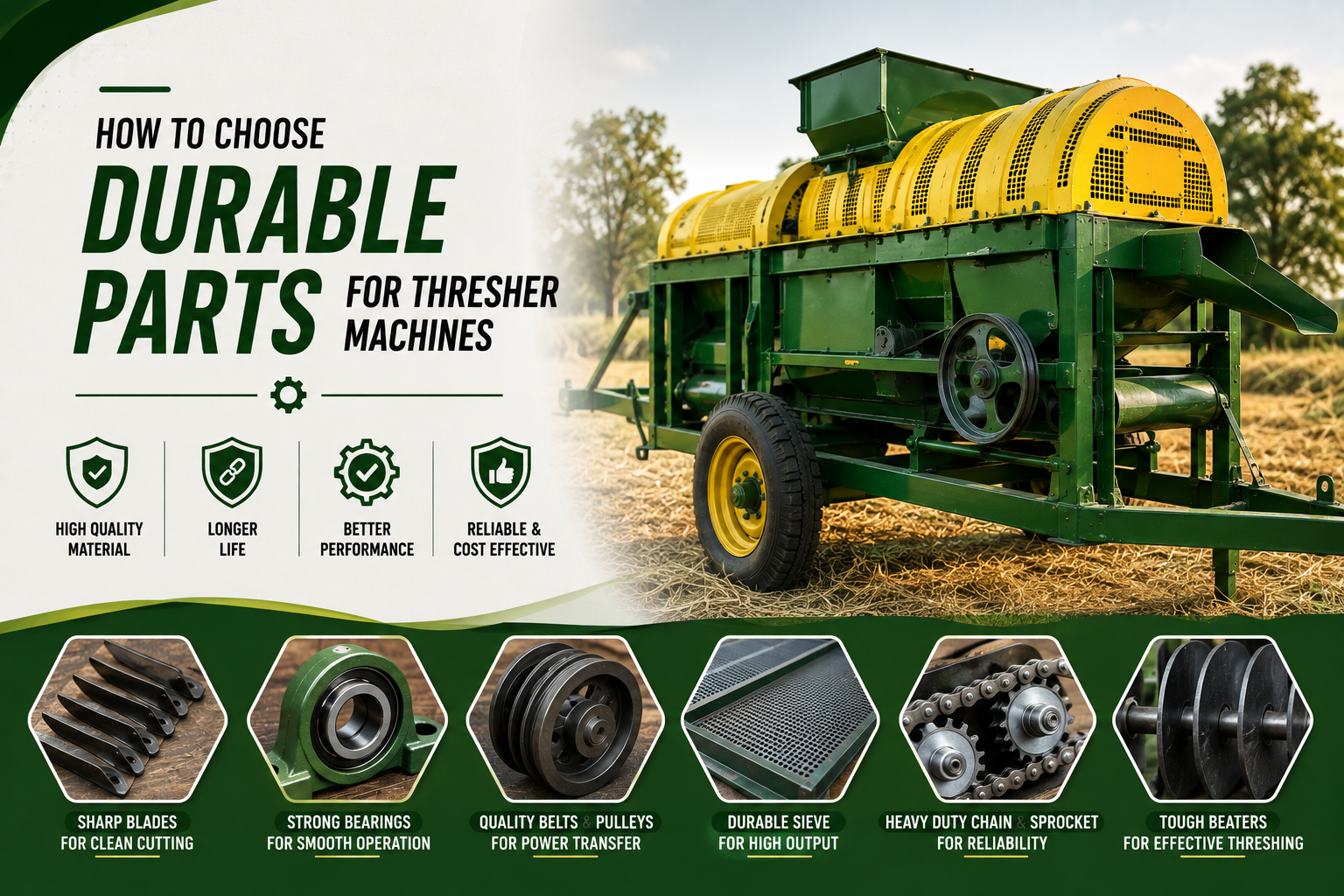
Learn how to choose durable thresher spare parts by checking fitment, material quality, load capacity, working conditions, and reliability for better performance.
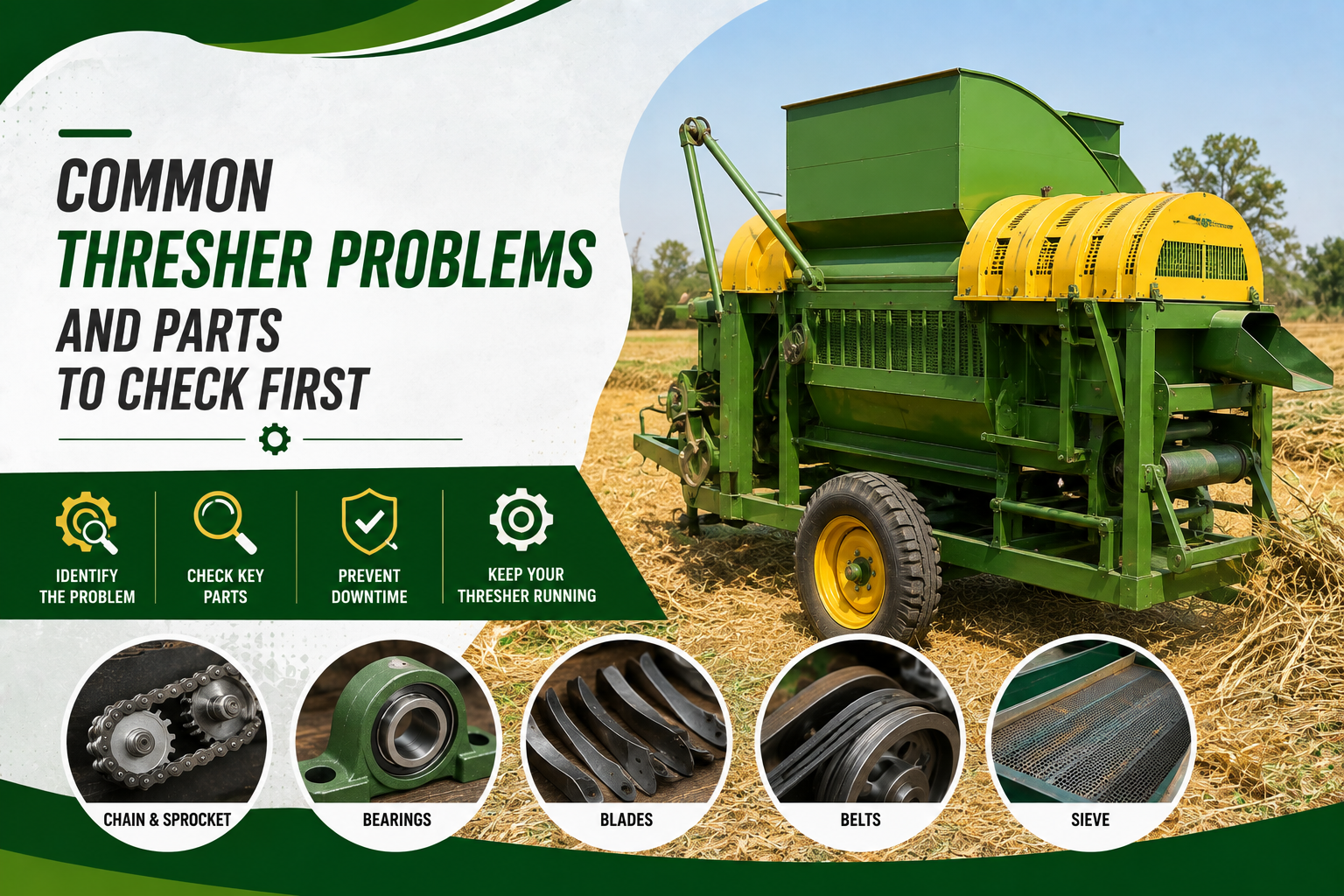
Learn about common thresher problems and the parts to check first. Discover how to identify issues with engines, belts, bearings, sieves, shafts, and other components for reliable harvesting performance.
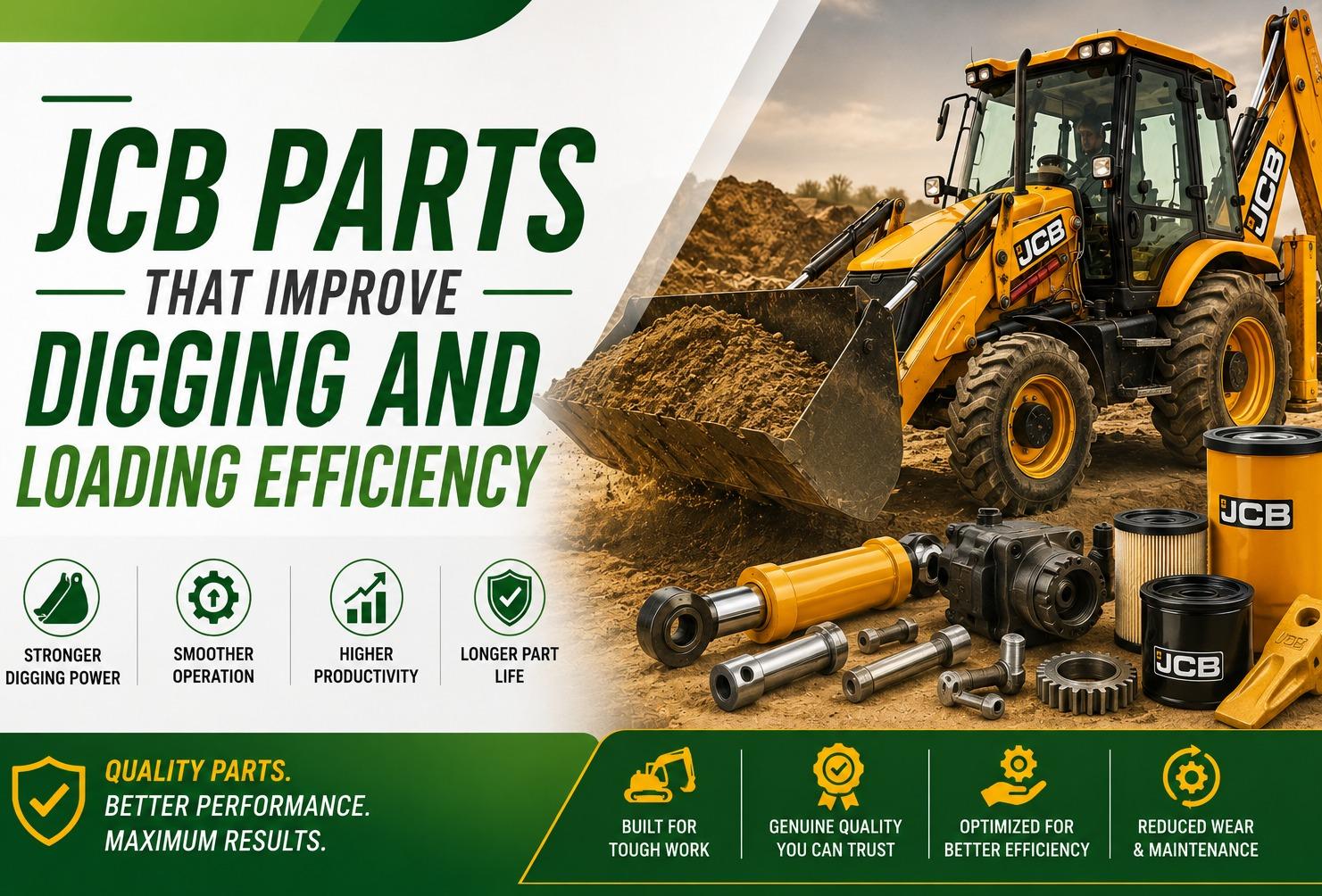
Discover the essential JCB parts that improve digging and loading efficiency. Learn how hydraulic pumps, cylinders, bucket teeth, cutting edges, pins, bushes, filters, and quality spare parts help boost machine performance and reduce downtime.