 English

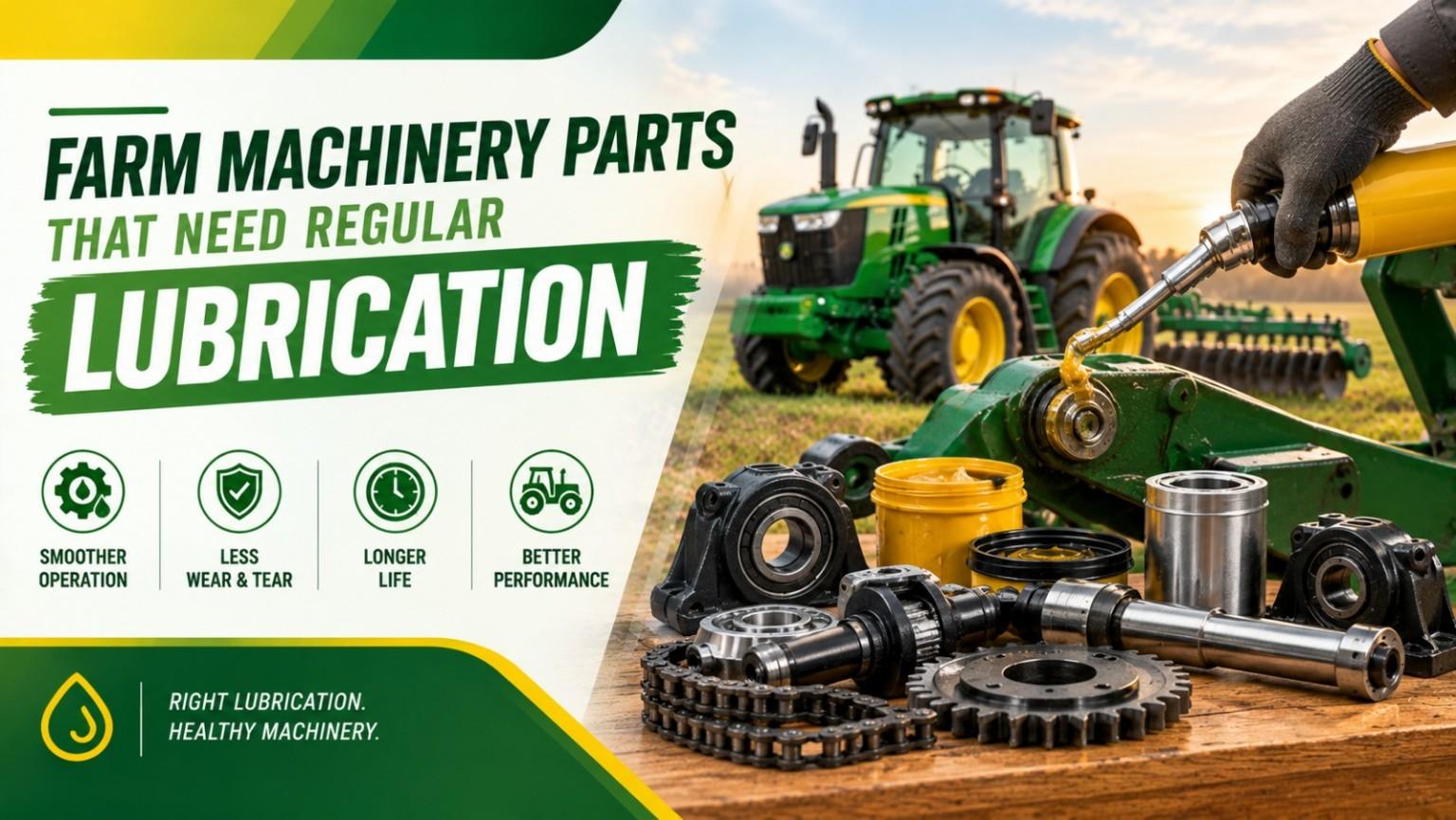
Learn which farm machinery parts need regular lubrication, including tractor bearings, PTO components, bushes, pins, chains, gears, wheel bearings and more.
COD उपलब्ध नहीं है। हम केवल प्रीपेड ऑर्डर में काम करते हैं और पूरे भारत में शिपिंग करते है. COD is not available. We work in prepaid orders only and shipping PAN India.
X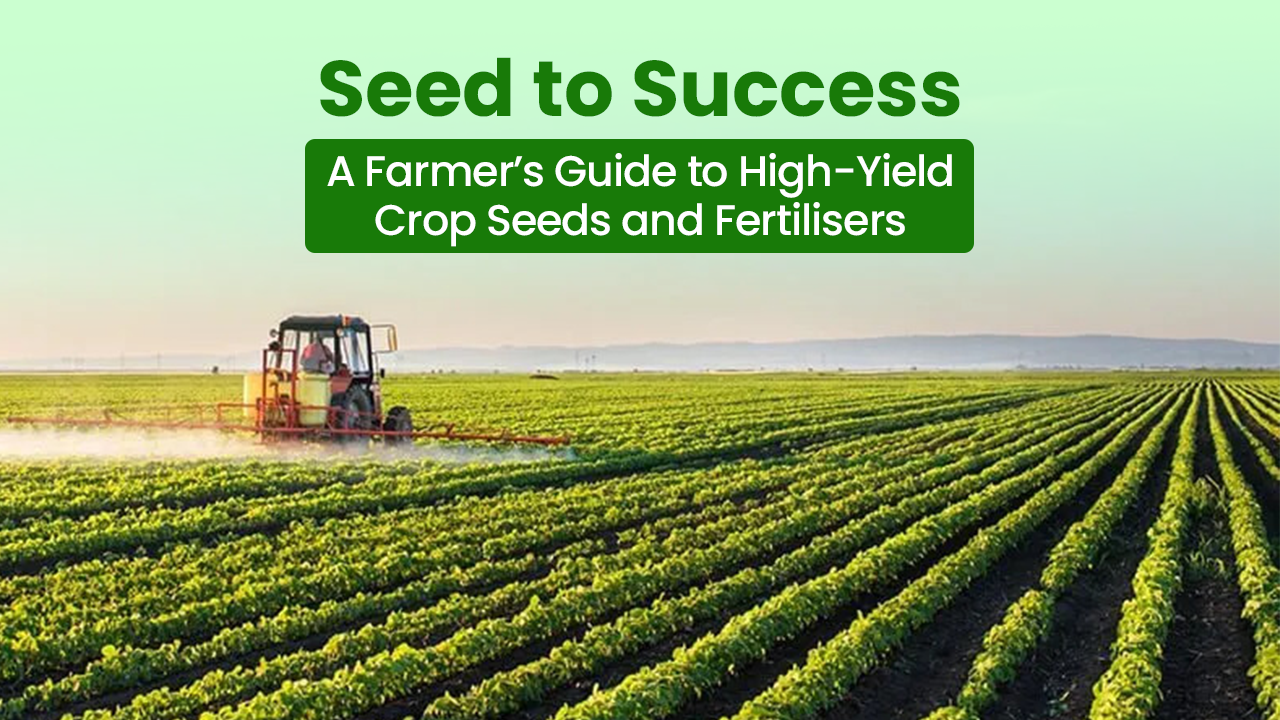
Every successful crop starts long before the first irrigation or spray. It begins with the right seed and the right nutrition plan. Many farmers invest heavily in land preparation and machinery, but underestimate how much seeds and fertilisers influence final yield. Even the best field management cannot compensate for poor seed quality or unbalanced fertiliser use.
Choosing suitable seeds and fertilisers is not about following trends. It is about understanding soil, climate, crop requirements, and timing.
The seed is the foundation of the crop. Good seeds give uniform germination, strong early growth, and better stress resistance. Low-quality or uncertified seeds may germinate unevenly, leading to gaps in the field and reduced output.
Hybrid and improved varieties often give better yields, but they must match local conditions. A seed that performs well in one region may not perform the same in another.
Different crops have different needs. Selecting seeds without considering crop duration, water availability, and soil type can lead to poor results.
Consulting local experts or extension services helps avoid costly mistakes.
Fertilisers are not just about increasing yield. They maintain soil fertility and support plant health throughout the growing period.
Plants require nutrients in the correct amount and at the correct stage. Overuse does not increase yield and often harms soil structure.
Balanced application is more effective than excessive use of a single nutrient.
Deficiency of micronutrients like zinc, boron, iron, and sulphur often limits yield, even when NPK is applied properly.
Common signs of micronutrient deficiency include yellowing leaves, poor flowering, and weak stems. Soil testing helps identify deficiencies and prevents unnecessary application.
Correct timing improves nutrient absorption and reduces wastage.
Using fertilisers without considering crop stage often results in poor response.
Organic manure improves soil structure and microbial activity, while chemical fertilisers provide quick nutrients. Using both together creates a healthier soil system.
Farmyard manure, compost, and green manure improve water retention and nutrient availability over time.
Avoiding these mistakes improves consistency in yield.
Small improvements at each stage lead to better overall output.
High yield is not achieved by chance. It is the result of informed choices made at the beginning of the season. Selecting the right seeds and using fertilisers wisely sets the foundation for healthy crops and stable income.
When seeds are strong and nutrition is balanced, crops respond better to irrigation, weather conditions, and field management. Success in farming starts with these basic but powerful decisions.
Learn which farm machinery parts need regular lubrication, including tractor bearings, PTO components, bushes, pins, chains, gears, wheel bearings and more.
Learn which farm machinery parts need regular lubrication, including tractor bearings, PTO components, bushes, pins, chains, gears, wheel bearings and more.
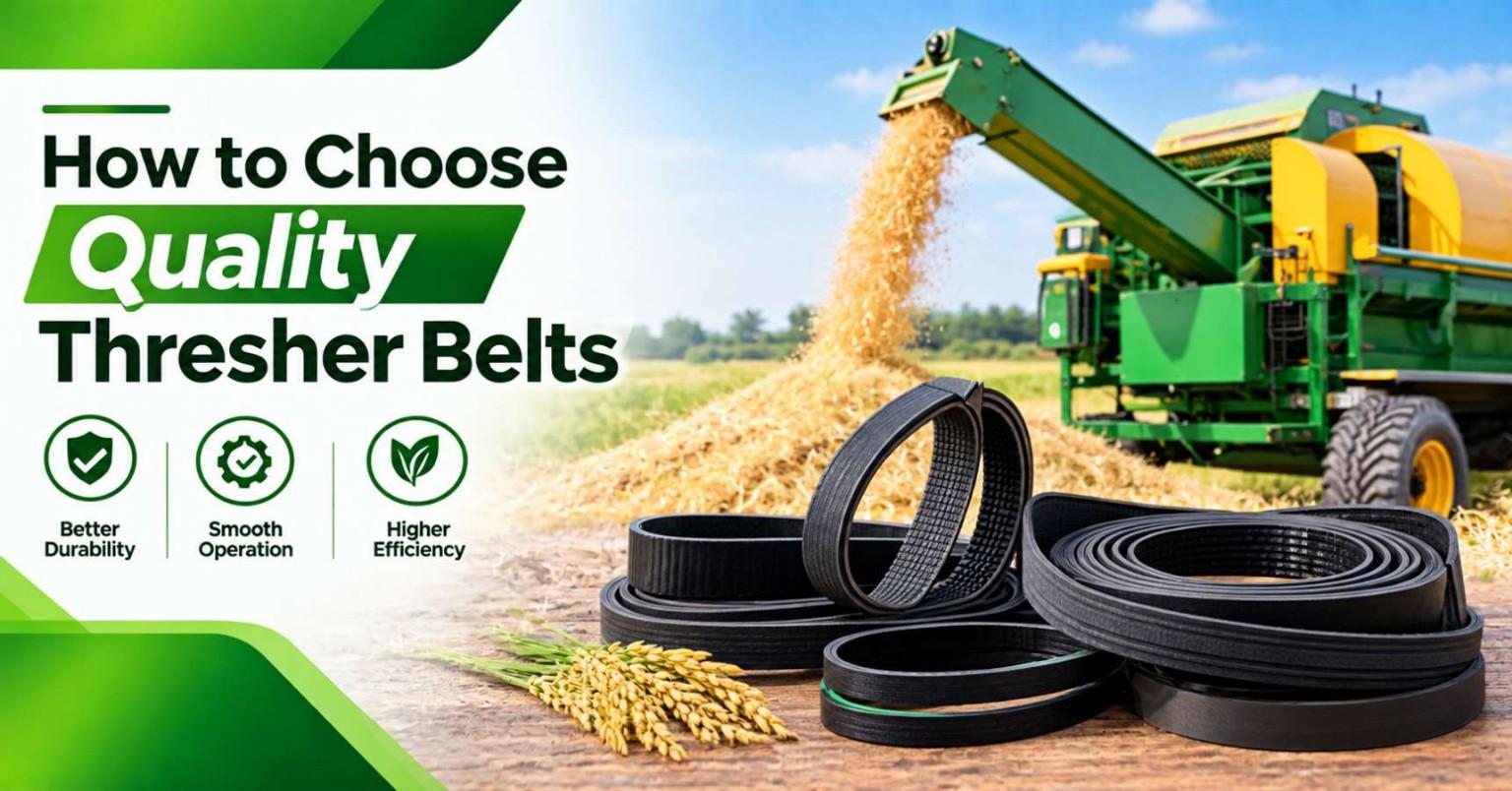
Learn how to choose quality thresher belts by checking size, profile, construction, load, heat resistance, compatibility, tension and belt wear.
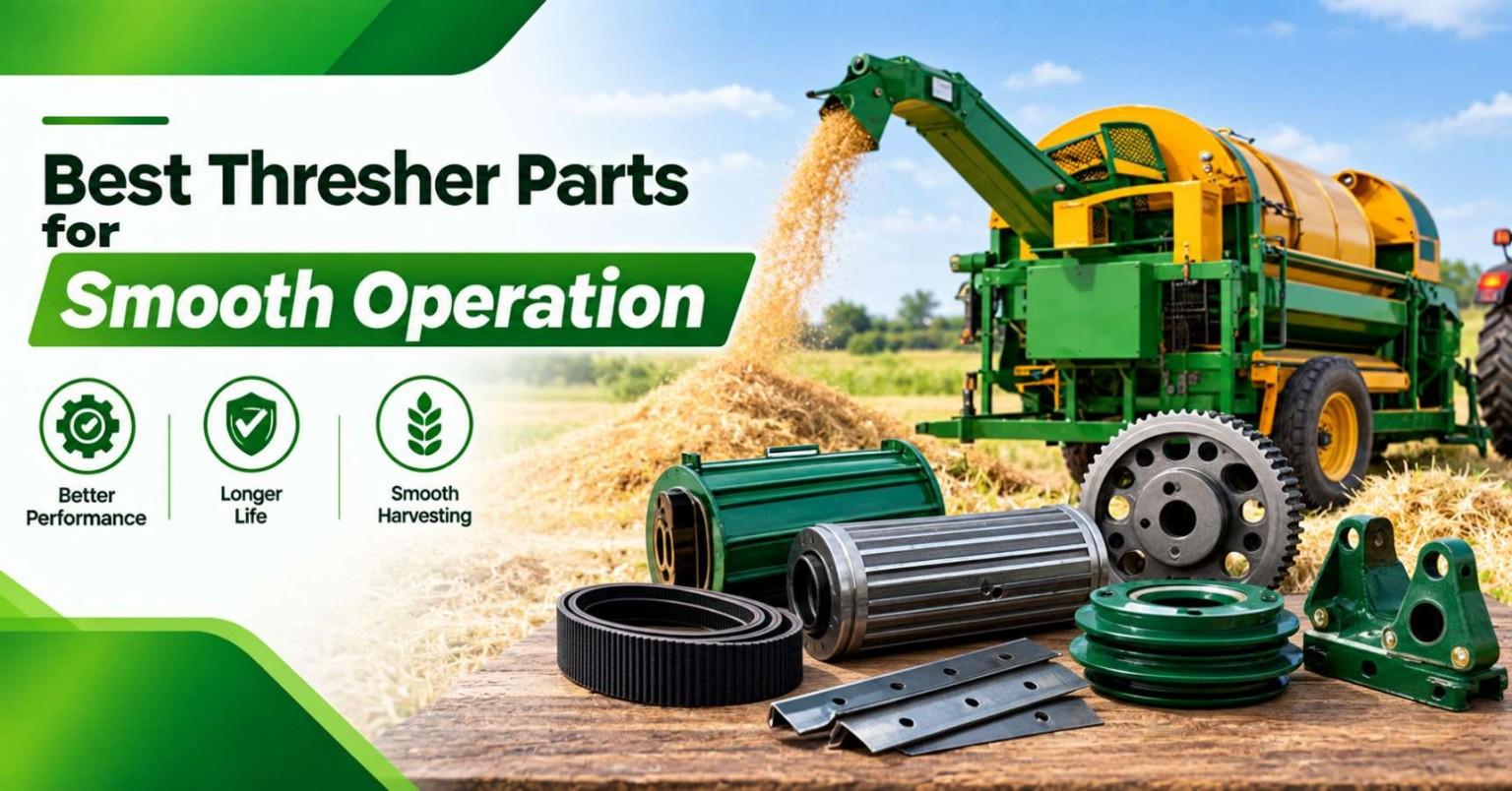
Learn about essential thresher spare parts including drums, beaters, bearings, belts, pulleys, shafts, sieves and filters for smooth machine operation