 हिन्दी


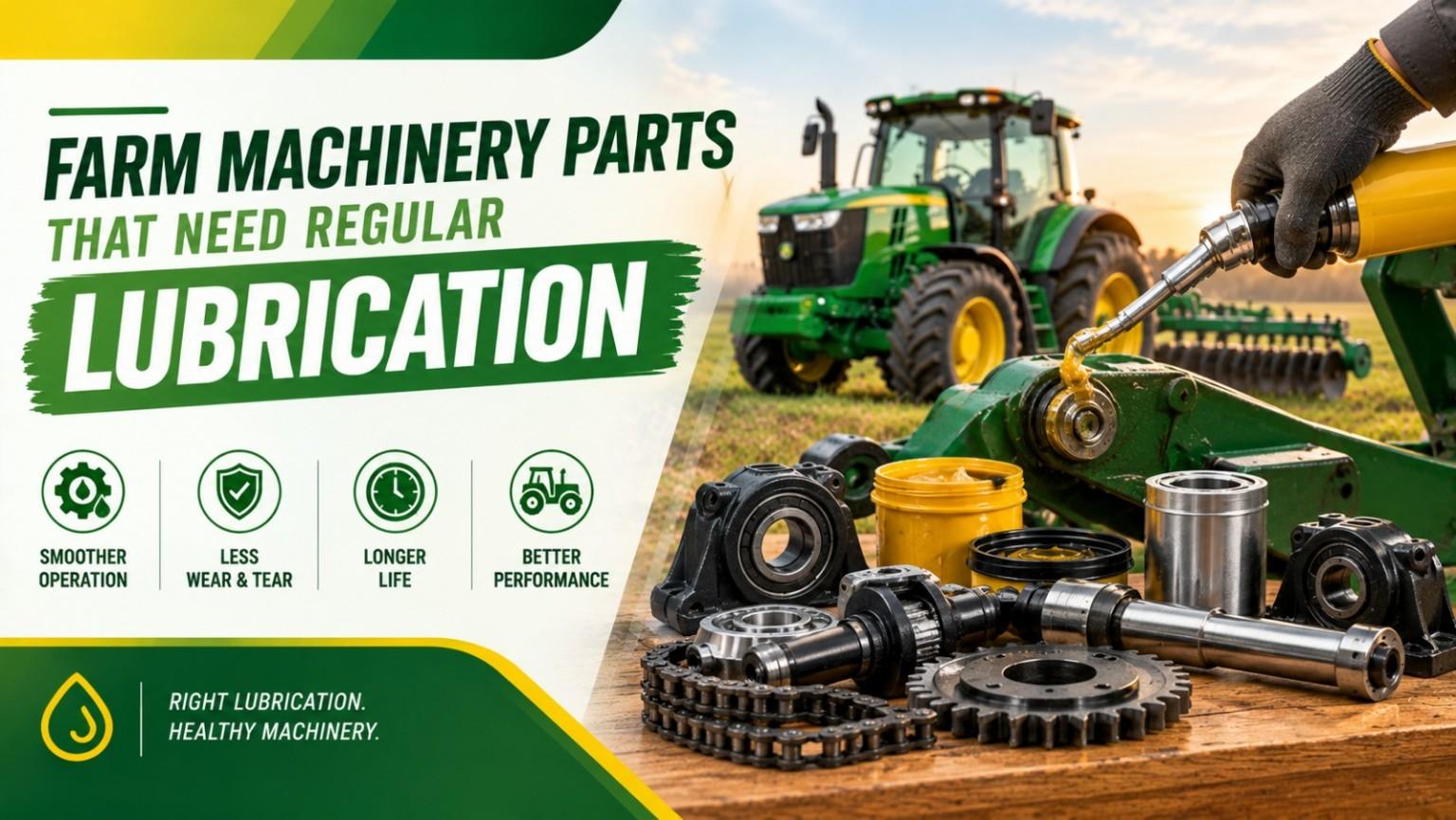
Learn which farm machinery parts need regular lubrication, including tractor bearings, PTO components, bushes, pins, chains, gears, wheel bearings and more.
COD उपलब्ध नहीं है। हम केवल प्रीपेड ऑर्डर में काम करते हैं और पूरे भारत में शिपिंग करते है. COD is not available. We work in prepaid orders only and shipping PAN India.
X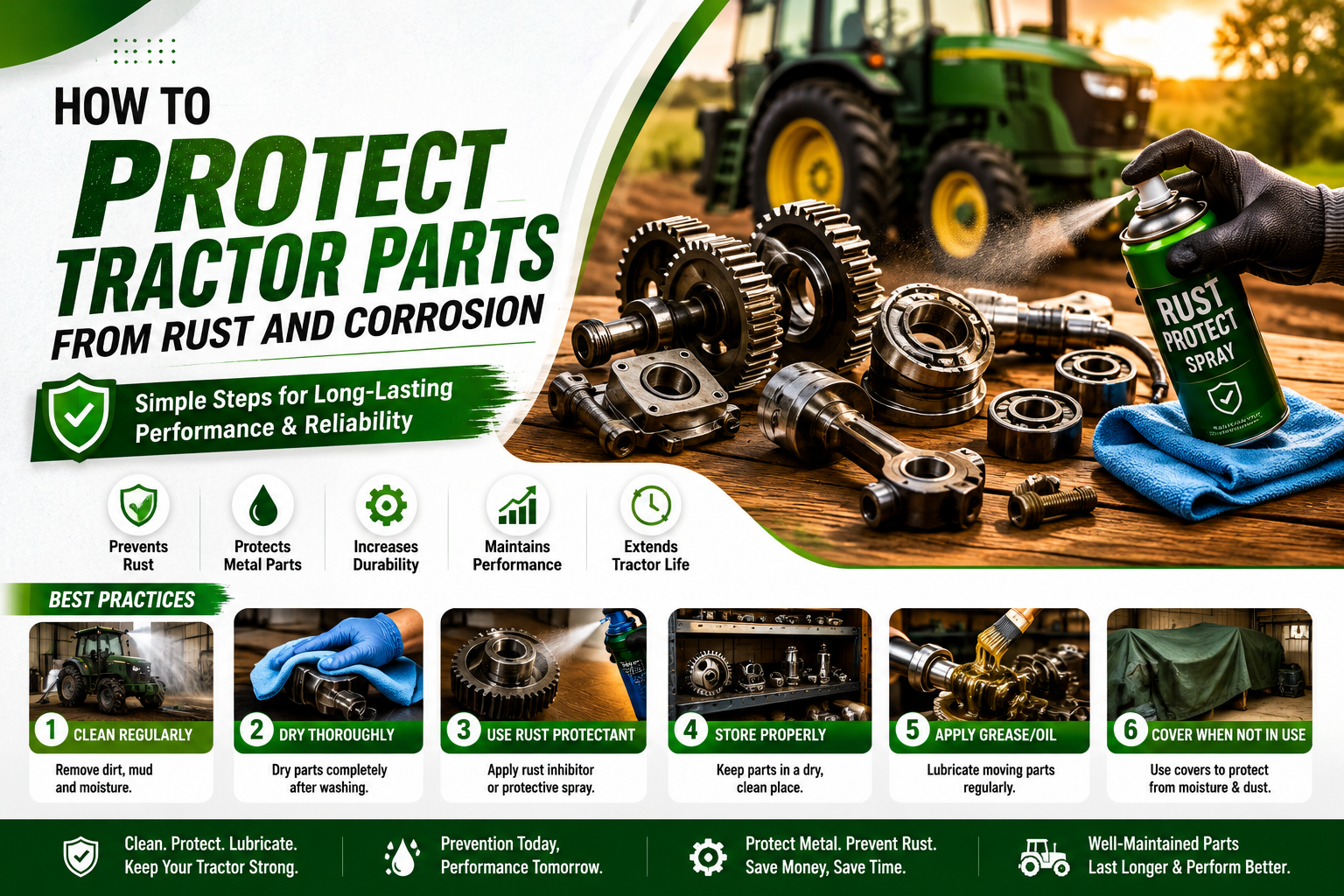
A tractor is one of the most important investments for any farmer. Whether it is used for ploughing, sowing, harvesting, transportation, or operating agricultural implements, the machine is expected to perform reliably throughout the year. However, one common problem that often reduces tractor life and performance is rust and corrosion.
Many farmers focus on engine maintenance, oil changes, and spare part replacement but pay less attention to protecting metal components from environmental damage. Over time, moisture, rain, mud, fertilizers, chemicals, and humidity can cause rust to develop on various tractor parts. If left untreated, corrosion can weaken components, reduce efficiency, and lead to expensive repairs.
The good news is that rust and corrosion can be prevented with proper maintenance and simple preventive measures. Following these steps also helps avoid some of the common tractor maintenance mistakes farmers should avoid.
Rust is a form of corrosion that occurs when metal comes into contact with moisture and oxygen over time. Once rust begins, it gradually spreads across the metal surface and weakens the affected component.
Corrosion does not only affect the appearance of the tractor. It can damage structural parts, reduce the strength of fasteners, affect moving components, and shorten the life of expensive machinery.
Common problems caused by rust include:
Preventing rust is much easier and less expensive than replacing damaged components.
Not every tractor component faces the same level of exposure. Certain parts are more likely to develop rust because they regularly come into contact with water, soil, and chemicals.
Some commonly affected components include:
These parts require regular inspection and protection to prevent corrosion from spreading.
One of the simplest ways to prevent rust is by keeping the tractor clean. Mud, crop residue, fertilizer, and chemicals often remain attached to metal surfaces after daily operations.
When these materials stay on the tractor for long periods, they trap moisture and create ideal conditions for corrosion.
After completing field work, it is a good practice to wash off accumulated dirt and debris. Cleaning the tractor regularly helps remove contaminants before they can damage metal surfaces.
A clean tractor not only looks better but also makes it easier to identify early signs of wear or rust.
While washing removes dirt and contaminants, leaving water on the tractor can create another problem.
Many farmers wash their tractors and immediately park them without allowing the machine to dry properly. Moisture trapped in joints, corners, and metal surfaces can eventually lead to corrosion.
After cleaning, allow the tractor to dry completely before storage. Wiping down exposed metal areas can provide additional protection against moisture-related damage.
Storage conditions have a major impact on rust prevention. Tractors that remain exposed to rain, humidity, and direct weather conditions are far more likely to develop corrosion.
Whenever possible, tractors should be stored in:
Keeping the machine protected from rain and excessive moisture significantly reduces the chances of rust formation and follows many of the practices discussed in how to store tractor spare parts properly.
Even a simple roof structure can provide valuable protection against environmental damage.
Lubrication plays an important role in preventing corrosion. Grease and lubricants create a protective barrier between metal surfaces and the surrounding environment.
Parts such as PTO shafts, linkage points, steering joints, and bearings benefit greatly from regular lubrication.
Proper greasing helps:
Regular lubrication should be included as part of every tractor maintenance schedule, which supports the benefits explained in why regular greasing increases tractor life.
Paint serves as more than just decoration. It acts as a protective layer that shields metal surfaces from moisture and air.
Scratches, dents, and chipped paint expose bare metal, making it more vulnerable to rust.
During routine inspections, check for:
Touching up damaged paint areas promptly helps prevent corrosion from starting.
Hydraulic systems contain several metal components that can be affected by rust if not maintained properly.
Hydraulic cylinders, rods, fittings, and connectors should be inspected regularly for signs of corrosion. Rust on hydraulic rods can damage seals and reduce hydraulic performance.
Keeping hydraulic parts clean and protected helps maintain system efficiency and prevent costly repairs.
Using quality hydraulic components from Gropart can also support long-term reliability under demanding agricultural conditions.
Agricultural chemicals and fertilizers can accelerate corrosion significantly. During spraying or fertilizer application, small amounts of chemicals may come into contact with tractor surfaces.
If these chemicals are not cleaned off promptly, they can damage paint and promote rust formation.
After working with fertilizers, pesticides, or chemical products, farmers should clean exposed tractor surfaces carefully. This simple habit can greatly reduce corrosion-related problems.
Bolts, nuts, and metal connections are often the first areas where rust appears. These small components may seem insignificant, but corrosion can weaken connections and affect overall machine reliability.
Inspect fasteners regularly and replace any heavily corroded components before they fail.
Using quality replacement parts helps maintain structural strength and reduces future maintenance issues.
Battery compartments are another area where corrosion frequently develops. Battery terminals can accumulate corrosion due to chemical reactions and environmental exposure.
Signs of battery corrosion include:
Cleaning battery terminals and ensuring proper maintenance helps prevent electrical problems and extends battery life.
The best way to control rust is to identify it early. Small rust spots are much easier to treat than large areas of corrosion.
A regular inspection routine should include checking:
Finding rust early allows farmers to take corrective action before major damage occurs.
The quality of spare parts can also influence resistance to corrosion. Poor-quality components often use inferior materials or coatings that wear out quickly when exposed to agricultural environments.
Reliable spare parts from Gropart are designed to withstand demanding farming conditions and provide better durability. Quality components help reduce maintenance requirements and improve long-term equipment performance.
Investing in dependable replacement parts can help farmers avoid repeated repairs and extend machine life.
Preventing rust does not require expensive equipment or complicated procedures. Consistency is often more important than cost.
A simple rust prevention routine may include:
These small maintenance habits can provide significant long-term benefits.
Rust and corrosion are among the most common causes of premature tractor wear. Moisture, chemicals, dirt, and environmental exposure can gradually damage important components and reduce machine performance. Fortunately, most corrosion-related problems can be prevented through proper maintenance and regular inspections.
Keeping the tractor clean, storing it properly, maintaining lubrication, protecting painted surfaces, and addressing rust early are some of the most effective ways to extend equipment life. These simple practices help reduce repair costs and improve overall reliability, similar to the recommendations covered in essential checks before the tractor harvest season.
When combined with high-quality spare parts from Gropart, a good rust prevention strategy can keep tractors operating efficiently for many years. Protecting your tractor from rust is not just about appearance—it is an important step toward preserving performance, productivity, and long-term value.
Learn which farm machinery parts need regular lubrication, including tractor bearings, PTO components, bushes, pins, chains, gears, wheel bearings and more.
Learn which farm machinery parts need regular lubrication, including tractor bearings, PTO components, bushes, pins, chains, gears, wheel bearings and more.
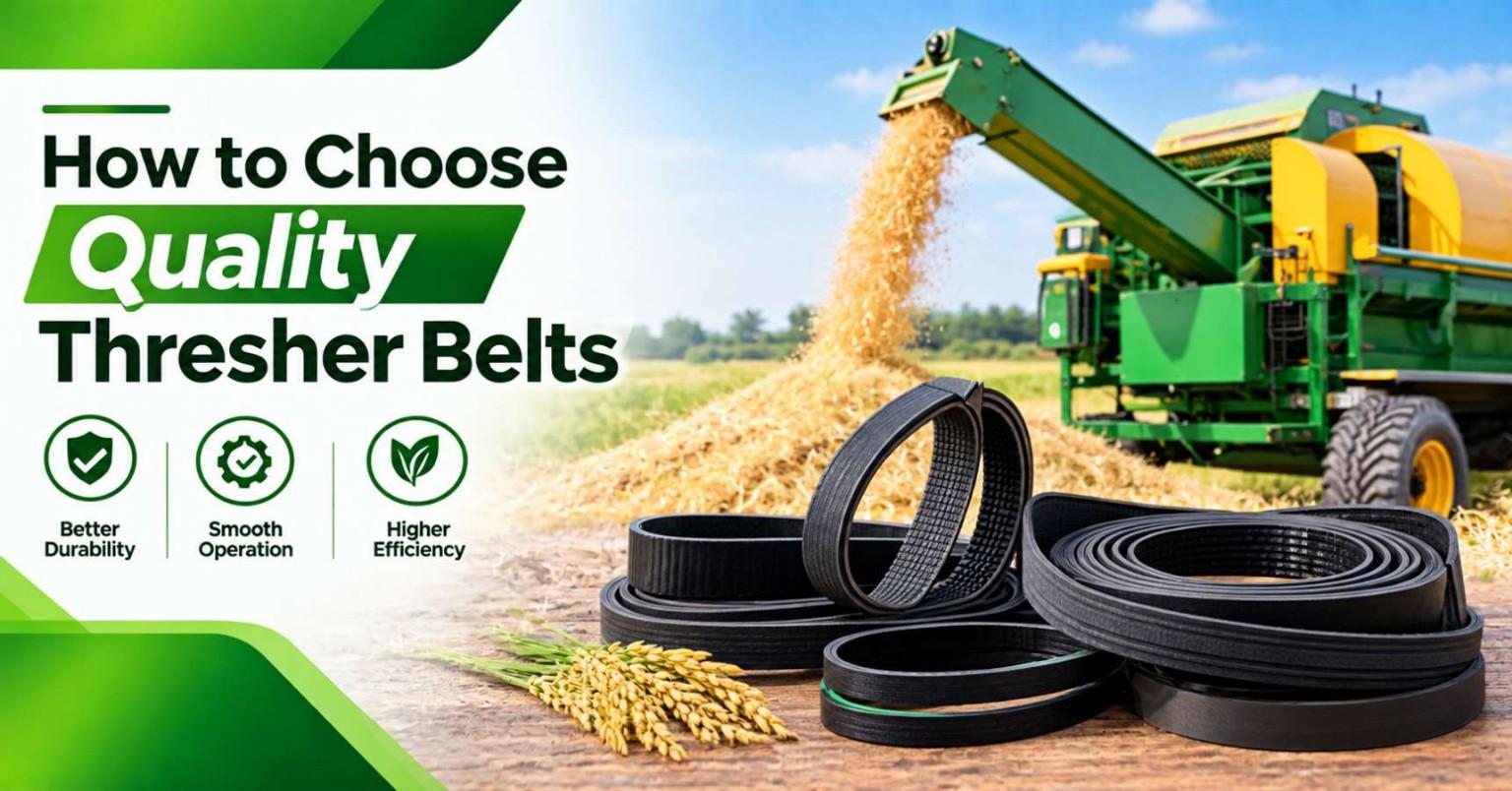
Learn how to choose quality thresher belts by checking size, profile, construction, load, heat resistance, compatibility, tension and belt wear.
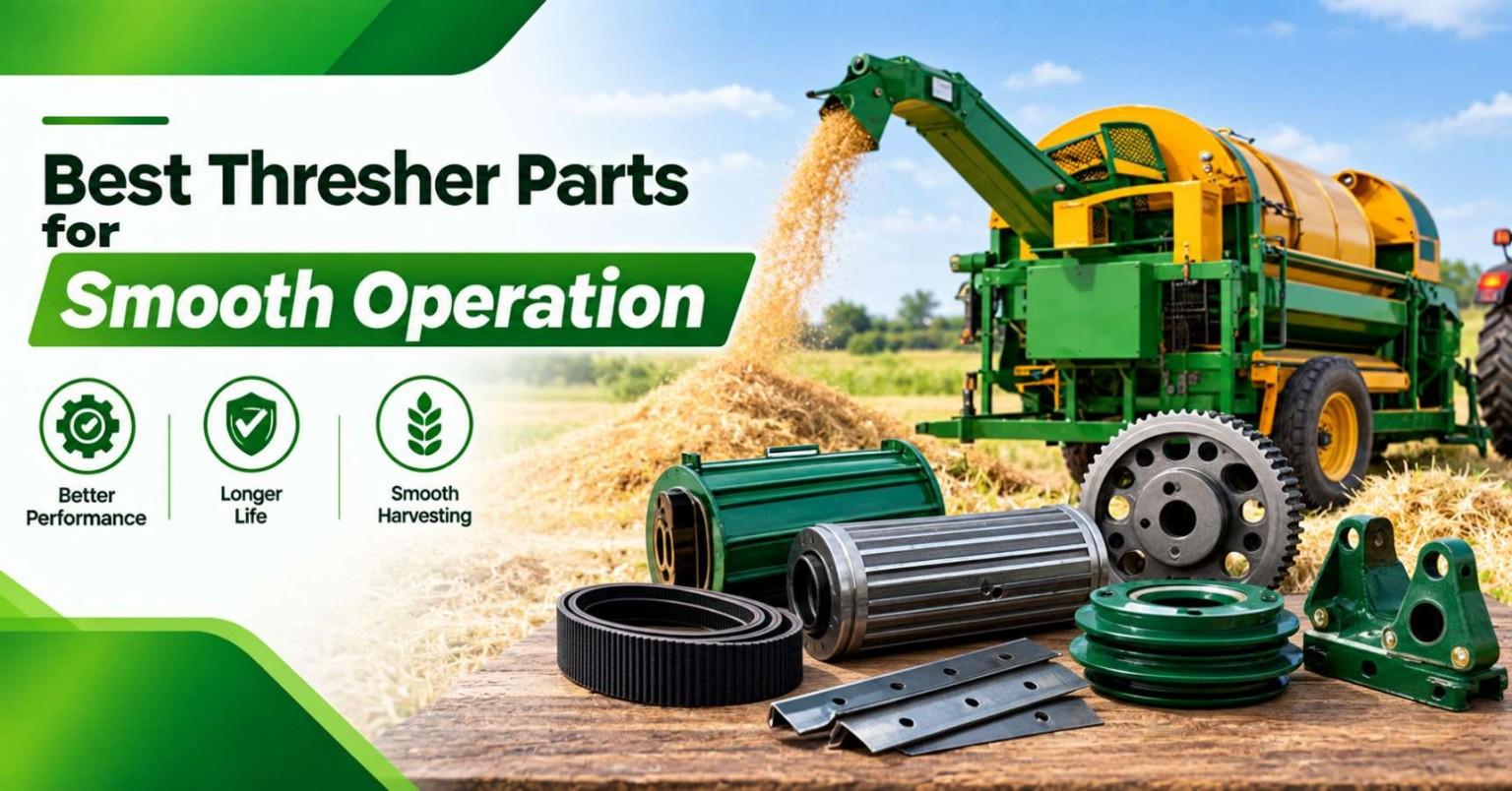
Learn about essential thresher spare parts including drums, beaters, bearings, belts, pulleys, shafts, sieves and filters for smooth machine operation