 English


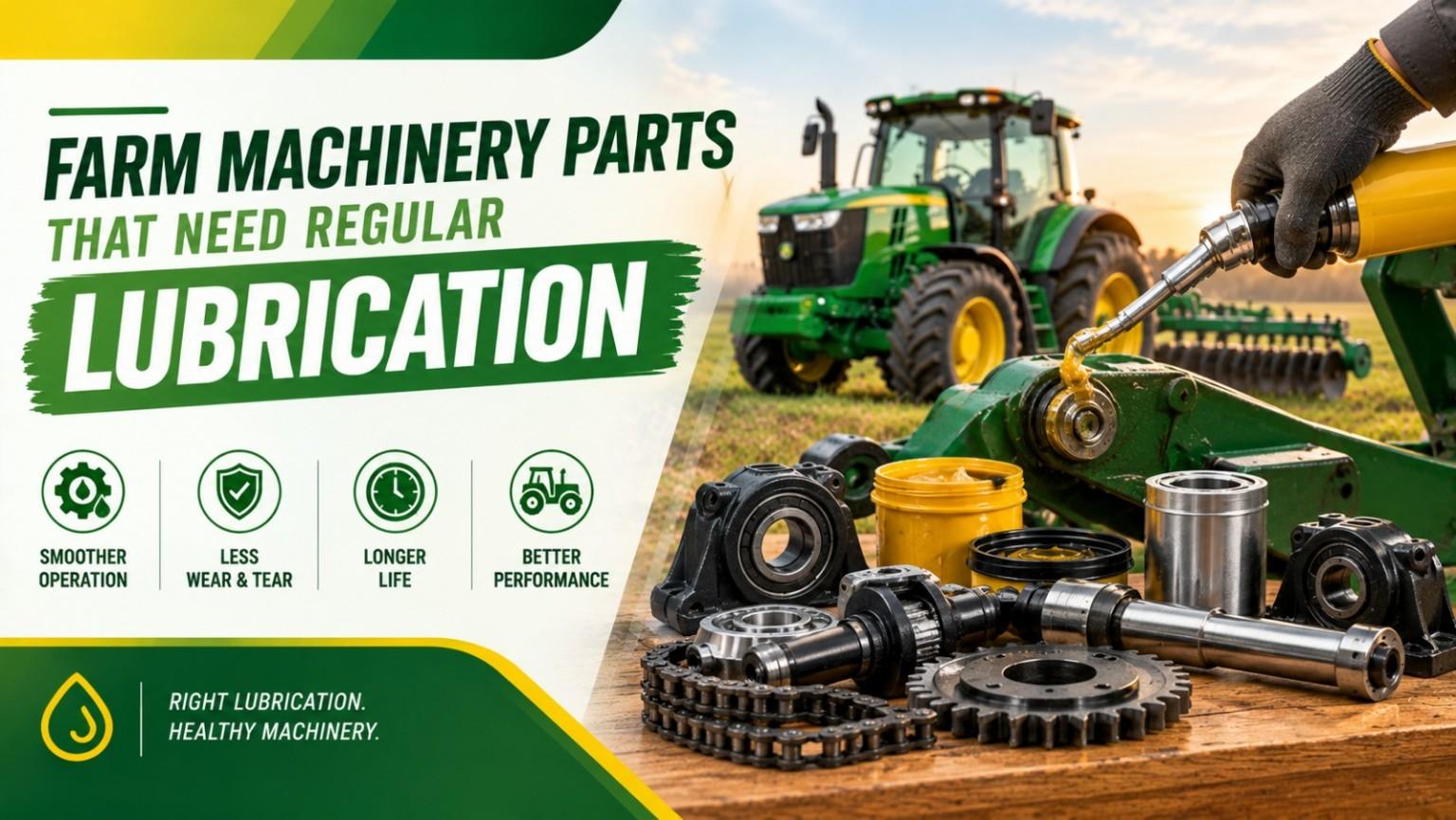
Learn which farm machinery parts need regular lubrication, including tractor bearings, PTO components, bushes, pins, chains, gears, wheel bearings and more.
COD उपलब्ध नहीं है। हम केवल प्रीपेड ऑर्डर में काम करते हैं और पूरे भारत में शिपिंग करते है. COD is not available. We work in prepaid orders only and shipping PAN India.
X
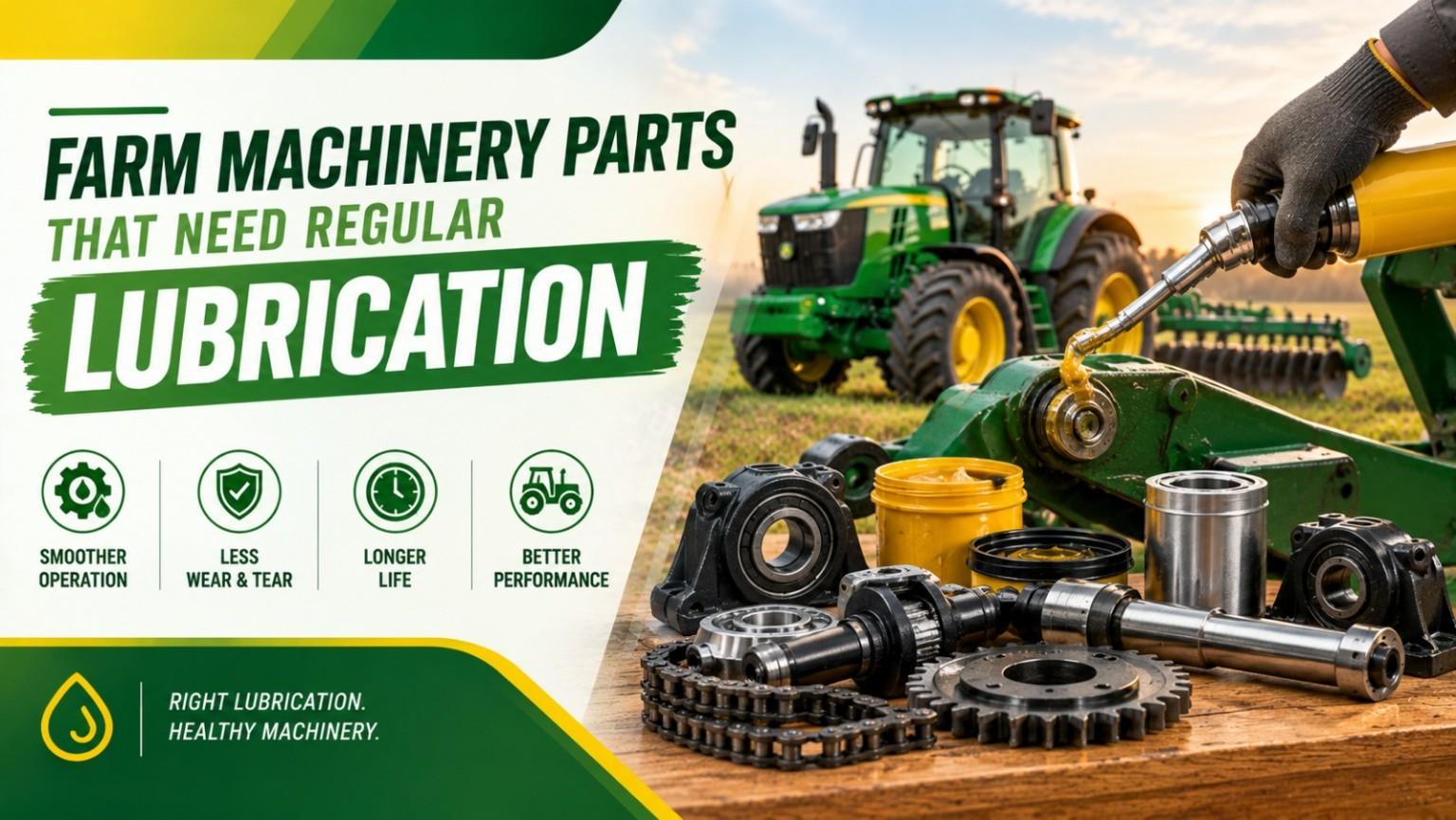
Farm machinery works under demanding conditions throughout the agricultural season. Tractors, threshers, harvesters, implements, and other machines often operate for long hours while dealing with dust, mud, heat, heavy loads, and continuous movement. All this activity creates friction between moving components. Without proper lubrication, this friction can increase wear and reduce the working life of important parts.
Regular lubrication is one of the simplest maintenance tasks, but it is often overlooked. A small amount of suitable lubricant applied at the right time can help moving components operate smoothly and reduce unnecessary stress. It can also help farmers avoid premature part replacement and unexpected machine downtime.
Understanding which farm machinery parts need regular lubrication is important for farmers and mechanics. Different components have different lubrication requirements, so the correct lubricant, quantity, and service interval should always be followed according to the machine manufacturer's recommendations.
Lubrication creates a protective layer between moving surfaces. This helps reduce direct contact, friction, and heat during operation.
Proper lubrication can help:
However, more lubricant does not always mean better protection. Too much grease or oil can attract dust, create buildup, or cause other problems. The type and quantity of lubricant should match the component.
Bearings are used in many agricultural machines to support rotating shafts and reduce friction. Tractor bearings may be found in wheels, implements, pulleys, and other moving assemblies.
When lubrication is insufficient, bearings can become hot, noisy, or worn.
Some bearings are sealed and may not require regular greasing, while others have grease fittings designed for periodic lubrication. Always check the specific component before applying grease.
If a bearing produces unusual noise or excessive heat even after proper lubrication, it may already be damaged and require replacement.
Three-point linkage systems and other connecting points experience repeated movement during field operations.
Pins, bushes, and joints can develop friction when they are not lubricated properly. Regular lubrication can help these parts move more smoothly and reduce wear.
Before greasing linkage points, clean away dirt and old buildup where possible. This helps reduce the chance of contaminants entering the contact area.
The power take-off system transfers power from the tractor to connected implements.
PTO shafts and their moving joints can experience continuous rotation and movement. Depending on the design, universal joints and sliding sections may require periodic lubrication.
A dry PTO component can develop increased friction, noise, and wear.
Because PTO equipment can rotate at high speed, maintenance should always be carried out with the machine safely stopped and the PTO disengaged.
Universal joints allow movement while transferring rotational power between shafts.
They are commonly used in PTO systems and other power transmission applications.
Grease can help protect the moving surfaces inside suitable serviceable universal joints.
If a universal joint becomes loose, noisy, or difficult to move, lubrication alone may not solve the problem. The component should be inspected for wear or damage.
Bushes and pins are common in agricultural equipment, especially in loaders, linkages, attachments, and other joints.
These parts carry loads while allowing connected components to move.
Regular lubrication can reduce friction at these contact points and help control wear.
This becomes especially important for machines that frequently perform lifting, digging, or attachment work.
JCB machines and other heavy equipment have multiple joints that move under significant load.
Boom, arm, bucket, and attachment connection points may use pins and bushes that require regular lubrication.
If these areas become dry, wear can increase and excessive movement may develop.
The lubrication schedule may depend on the machine model and intensity of use, so operators should follow the recommended service intervals.
Threshers contain several rotating components, including drums, shafts, fans, and pulleys.
Their bearings and other serviceable moving points may require lubrication to reduce friction during long operating periods.
Harvesting creates significant amounts of dust and crop residue, which can make maintenance particularly important.
Before lubrication, clean the area around grease points to prevent dirt from being pushed into the component.
Harvesting machines have many moving assemblies that work continuously during crop collection and processing.
Depending on the machine design, bearings, chains, joints, shafts, and other components may require lubrication.
Because these machines can operate for extended periods during a short harvesting window, preventive maintenance before the season can help reduce unexpected interruptions.
Chains are used in various agricultural machines to transfer movement between components.
A suitable chain lubricant can help reduce friction between links and rollers.
A dry or poorly maintained chain may become noisy, stiff, or excessively worn.
At the same time, applying too much lubricant in a dusty environment can cause dirt to stick to the chain. The correct product and quantity are therefore important.
Many agricultural machines use gears and gearboxes to transfer power and control speed.
These systems usually require specific oils rather than general-purpose grease.
The correct lubricant helps protect gear teeth and bearings from friction and heat.
Farmers should always follow the manufacturer's recommendation for gearbox oil type, viscosity, and change interval. Using the wrong lubricant can affect gear performance and component life.
Some farm machinery uses serviceable wheel bearings that require periodic inspection and lubrication.
Properly lubricated wheel bearings can support smoother wheel rotation and reduce friction.
However, not every wheel bearing is designed to be greased manually. Sealed units may need replacement when they fail.
Always identify the bearing type before attempting lubrication.
Certain tractors and agricultural machines have pivot points within steering and articulation systems.
These points can experience repeated movement and load.
If they are designed with grease fittings, regular lubrication can help maintain smooth movement and reduce wear.
Any change in steering feel, excessive play, or unusual noise should be inspected rather than treated only with additional grease.
There is no single lubrication schedule that works for every machine.
The correct interval depends on the machine design, operating hours, workload, environment, and manufacturer's instructions.
Machines working in dusty, wet, or muddy conditions may require more frequent attention than equipment used occasionally in cleaner environments.
Instead of guessing, follow the manufacturer's maintenance schedule and inspect important lubrication points regularly.
Using the right lubricant is just as important as applying it regularly.
Different applications may require different types of grease or oil. Temperature, load, speed, water exposure, and component design can all affect lubricant selection.
Do not mix different products unless compatibility is confirmed.
When replacing a component, check its lubrication requirements as well. A new bearing, bush, joint, or other part may have specific maintenance instructions.
Lubrication should not simply mean adding grease over a dirty component.
Dust, mud, crop residue, and old grease can collect around lubrication points.
Cleaning the area before applying fresh lubricant helps reduce contamination.
This is particularly important for agricultural machines working in dry and dusty conditions.
Applying excessive grease can be just as unhelpful as applying too little.
Too much lubricant can create pressure inside certain components, cause leakage, attract dust, or damage seals in some applications.
Use the recommended amount and avoid assuming that a component needs more simply because grease is not visible externally.
Lubrication time is also a good opportunity to inspect components.
While working around grease points, look for cracks, loose connections, excessive play, damaged seals, rust, or unusual wear.
If a part continues to make noise or remains excessively hot after lubrication, further inspection may be necessary.
Lubrication can extend the life of a good component, but it cannot repair a severely damaged part.
When a bearing, bush, seal, pin, joint, or other component needs replacement, select a suitable part that matches the machine's specifications.
Gropart provides spare parts for tractors, JCB machines, threshers, and other agricultural machinery applications. Choosing properly matched components from a reliable supplier can help farmers and mechanics maintain their equipment more effectively.
Regular lubrication is a basic but important part of farm machinery maintenance. Bearings, linkage points, PTO components, universal joints, pins, bushes, chains, gearbox components, wheel bearings, and other moving parts may require lubrication depending on their design and maintenance requirements.
Using the correct lubricant, following the recommended service interval, cleaning lubrication points, and avoiding over-lubrication can help reduce friction and unnecessary wear. Regular lubrication also provides an opportunity to identify damaged or worn components before they cause larger problems.
When replacement is required, always choose parts that are suitable for the exact machine and application. With proper lubrication, timely inspection, and quality agricultural spare parts from Gropart, farmers and mechanics can support smoother machine operation, reduce downtime, and help extend the useful life of their farm equipment.
Learn which farm machinery parts need regular lubrication, including tractor bearings, PTO components, bushes, pins, chains, gears, wheel bearings and more.
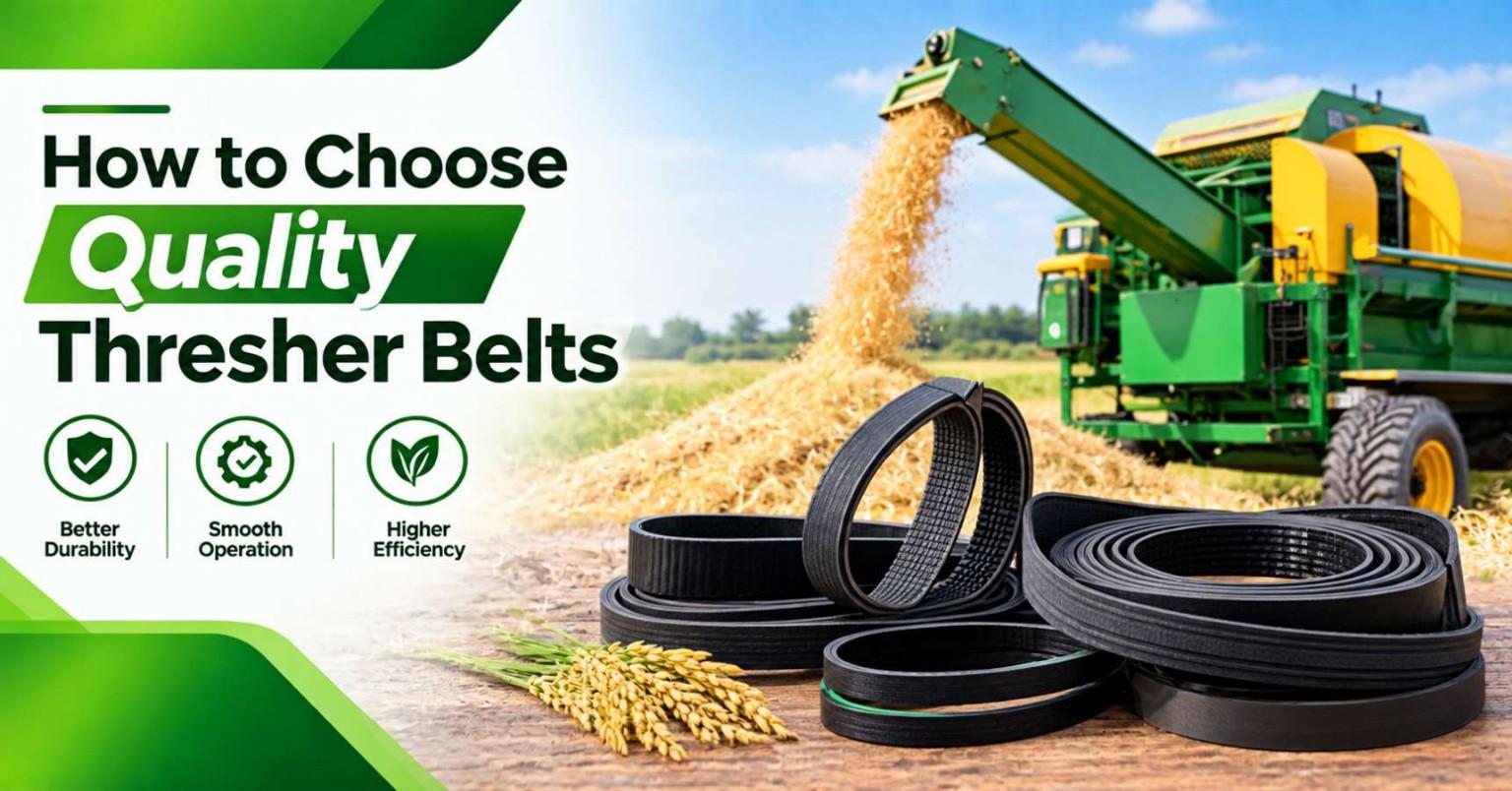
Learn how to choose quality thresher belts by checking size, profile, construction, load, heat resistance, compatibility, tension and belt wear.
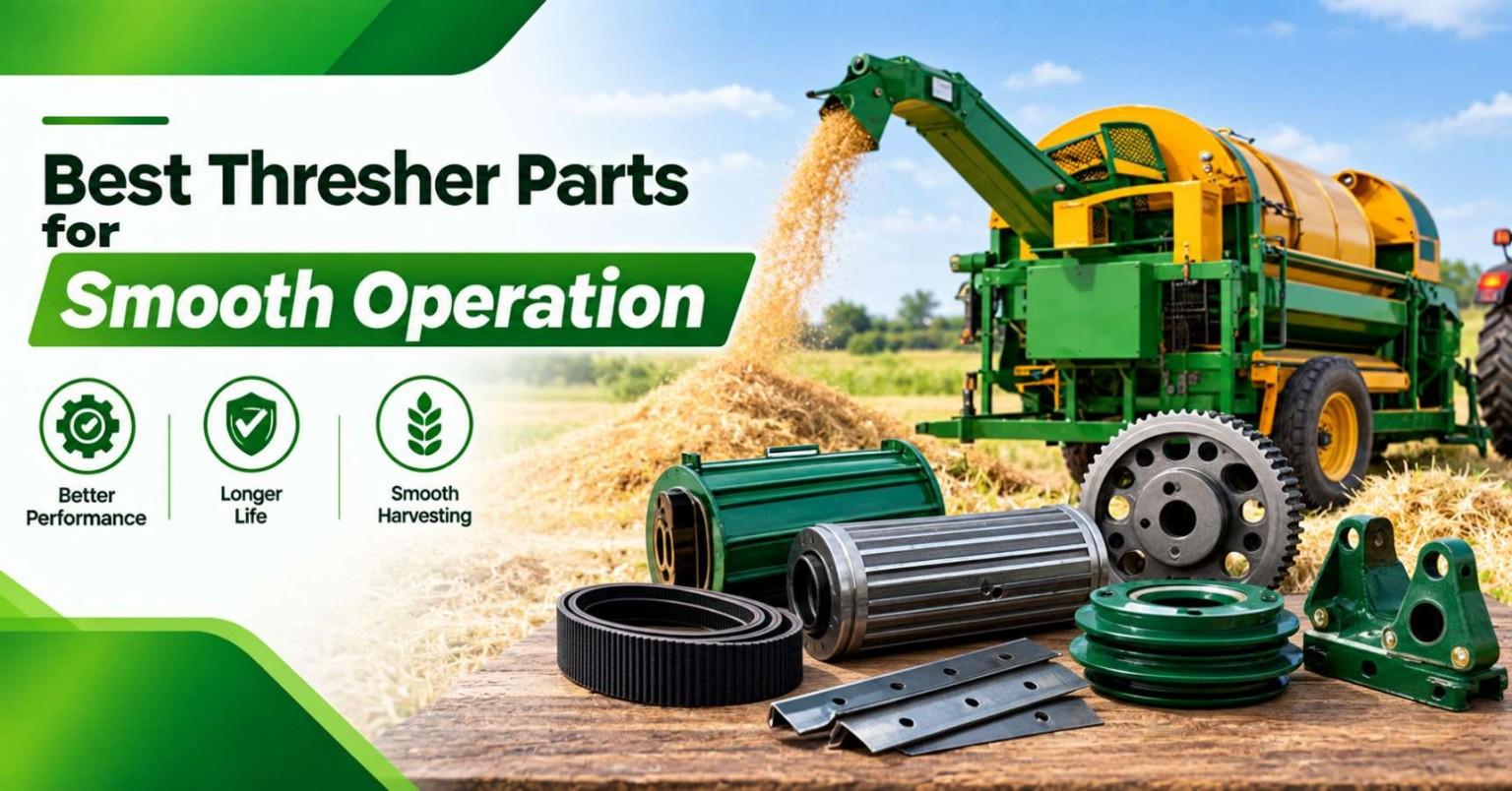
Learn about essential thresher spare parts including drums, beaters, bearings, belts, pulleys, shafts, sieves and filters for smooth machine operation
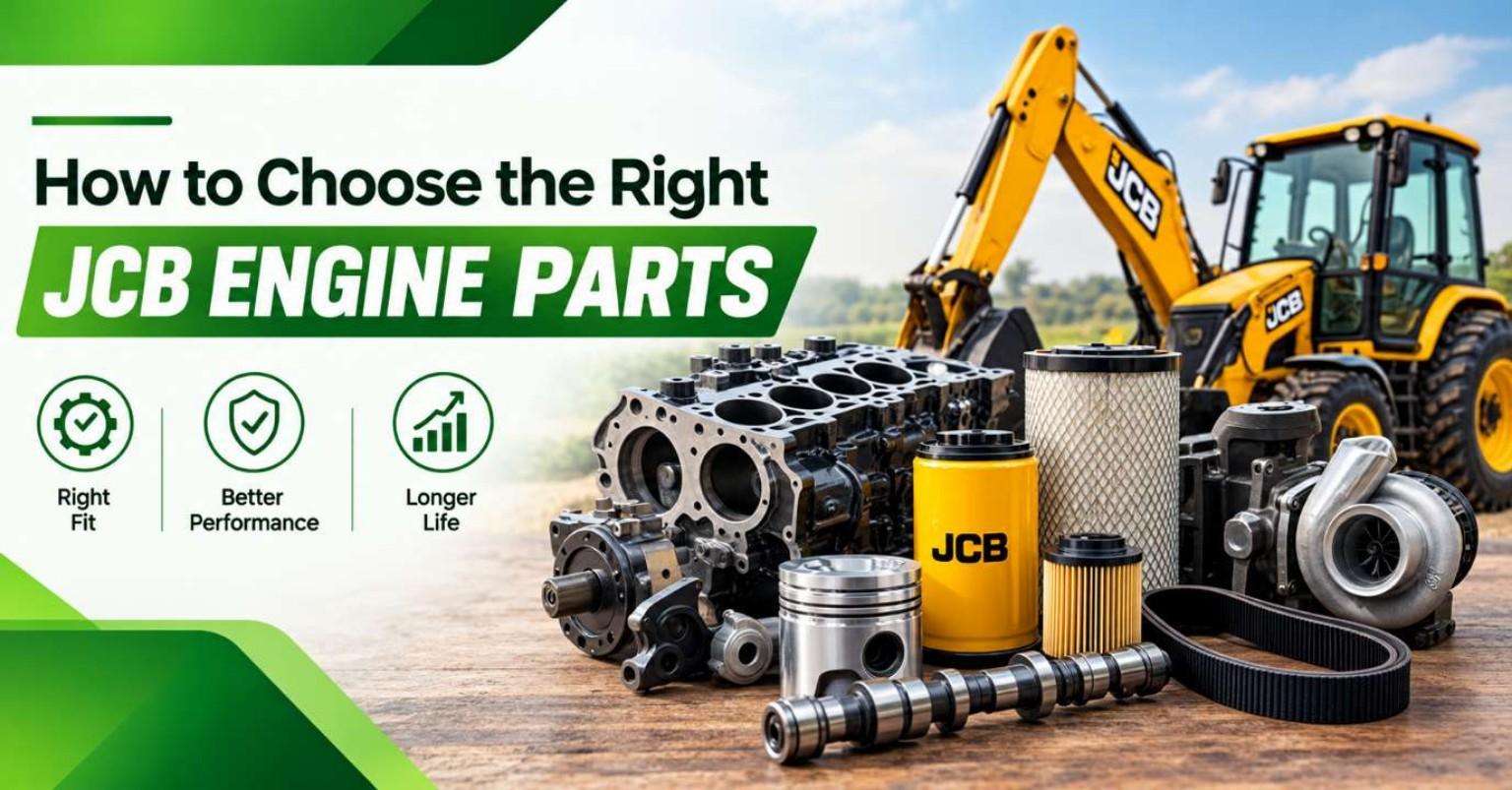
Learn how to choose the right JCB engine parts by checking model, part number, specifications, fitment, quality, working conditions and supplier reliability