
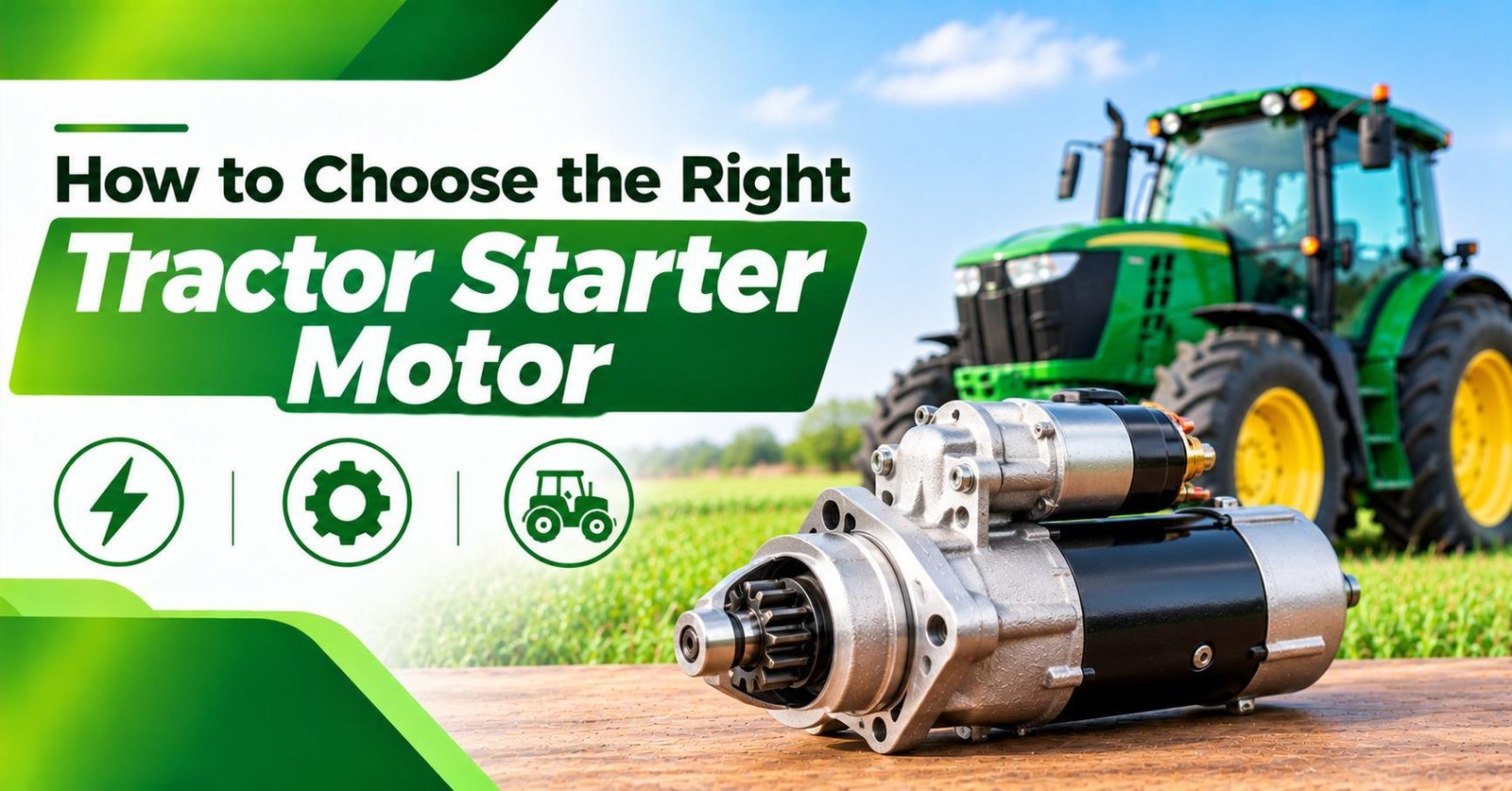
Learn how to choose the right tractor starter motor by checking voltage, power rating, mounting design, drive gear, elec...
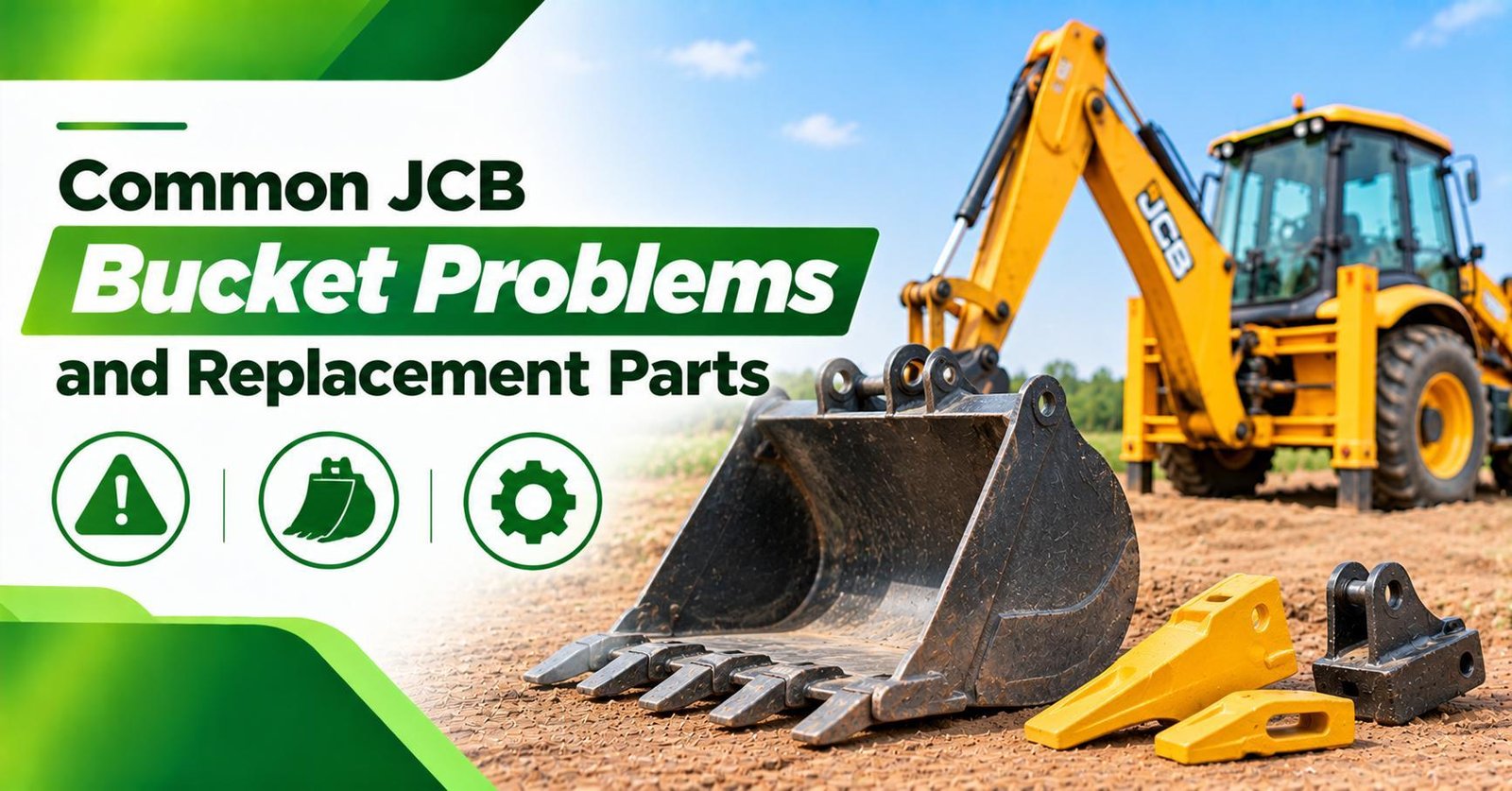
JCB machines are widely used in construction, excavation, roadwork, landscaping, and material handling. Their buckets play an important role in digging, lifting, scooping, and moving soil, sand, gravel, and other materials. Since buckets work under heavy loads and come into regular contact with abrasive surfaces, their components can gradually wear out or become damaged.
Ignoring bucket problems can reduce digging efficiency, increase fuel consumption, place extra stress on the machine, and lead to costly downtime. Identifying worn parts early helps operators maintain productivity and avoid unnecessary repairs.
In this blog, we will explore common JCB bucket problems, the replacement parts to check, and practical maintenance tips to keep your machine working efficiently.
Bucket teeth are among the most frequently worn components on excavation equipment. They penetrate the ground and help break through soil, compacted earth, gravel, and other materials.
Over time, repeated contact with abrasive surfaces can make bucket teeth blunt, cracked, or uneven. Worn teeth may reduce digging efficiency because the bucket needs more force to penetrate the ground.
Common signs of worn bucket teeth:
Replacement parts to consider: Bucket teeth, tooth adapters, retaining pins, and locking components, depending on the bucket design.
Inspect the teeth regularly and replace damaged components with parts compatible with the specific bucket system. Replacing severely worn teeth on time can help protect the bucket edge from excessive wear.
The cutting edge is the front section of the bucket that contacts the ground during digging and loading. It experiences continuous friction and impact, especially when the machine operates on rocky or abrasive surfaces.
A worn cutting edge can reduce digging performance and change how the bucket contacts the ground. Cracks, bending, and uneven wear may also affect the bucket's ability to collect and retain material.
Common causes include:
Replacement parts to consider: Bolt-on cutting edges, cutting edge segments, end bits, mounting bolts, and nuts where applicable.
Choose a replacement cutting edge that matches the bucket's dimensions, hole pattern, material requirements, and mounting arrangement. Correct fitment helps maintain proper alignment and dependable performance.
Bucket teeth must remain securely attached during operation. Pins and retaining components hold the teeth or adapters in position, depending on the bucket design.
When a pin becomes loose, damaged, or missing, the tooth may move excessively or detach during digging. This can reduce productivity and potentially damage nearby components.
Warning signs include:
Replacement parts to consider: Correctly sized pins, locks, retainers, and compatible tooth adapters.
Inspect retaining components whenever the bucket is cleaned or serviced. Replace damaged locks and pins instead of relying on makeshift fixes. Always follow the manufacturer's installation procedure to ensure the tooth is secured correctly.
Bucket side plates help contain material and provide structural support along the bucket's sides. They can experience significant abrasion when working with gravel, rocks, demolition waste, or other rough materials.
Excessive wear may reduce the thickness of the plates and weaken the bucket structure. Deep grooves, cracks, or damaged corners should be inspected before the problem becomes more serious.
Possible causes include:
Replacement or repair options: Side wear plates, side cutters, protective wear plates, and other compatible reinforcement components.
Not every worn plate needs immediate replacement. A qualified technician can assess the remaining material thickness and determine whether repair, reinforcement, or replacement is appropriate. Structural welding should be carried out by trained professionals using suitable procedures.
Bucket structures are designed to withstand demanding workloads, but repeated heavy impacts and stress can cause cracks over time. Cracks may develop around welds, mounting points, side plates, the cutting edge, or other highly loaded areas.
Continuing to use a bucket with structural damage can increase the risk of further failure and create safety concerns.
Look for these warning signs:
The right solution depends on the location and severity of the damage. Minor issues may be repairable by a qualified professional, while severe structural damage may require replacement of affected sections or the bucket itself.
Replacement components may include compatible wear plates, side plates, cutting edges, or other approved structural parts. Do not operate a bucket with serious cracks until it has been assessed and made safe.
Bucket pins and bushes connect the bucket to the machine's linkage. These components allow controlled movement while transferring force during digging, lifting, and dumping.
With continued use, pins and bushes can wear, creating excessive clearance between connected parts. This may cause bucket movement to become less precise and increase stress on the linkage.
Common symptoms include:
Replacement parts to consider: Bucket pins, bushes, seals where fitted, and related retaining components.
Inspect the joints according to the maintenance schedule. Replace worn pins and bushes with correctly specified components and check related mounting areas for damage. Proper lubrication, where required by the machine design, helps reduce friction and premature wear.
On machines with hydraulic bucket functions, problems with the hydraulic system can affect bucket movement, lifting, tilting, or dumping. However, slow or weak movement does not automatically mean that the bucket itself is damaged.
Possible causes include hydraulic oil leaks, damaged hoses, worn seals, cylinder problems, restricted filters, or faults elsewhere in the hydraulic system.
Warning signs include:
Replacement parts to inspect: Hydraulic hoses, seals, O-rings, cylinder repair kits, and other compatible hydraulic components as indicated by diagnosis.
Never inspect hydraulic leaks with bare hands. Pressurised hydraulic fluid can penetrate the skin and cause serious injury. Shut down the machine, relieve pressure according to the manufacturer's procedure, and have suspected hydraulic faults assessed by a trained technician.
The bucket must be securely connected to the machine's linkage or quick coupler. Worn mounting points, damaged locking components, or incorrect attachments can affect stability and safe operation.
A poorly secured bucket may move unexpectedly or detach, creating a serious hazard for operators and nearby workers.
Parts that may require inspection include:
Always verify that the bucket and coupler are compatible with the machine. Follow the manufacturer's attachment procedure and perform the prescribed locking checks before using the equipment. Do not operate the machine if the attachment cannot be secured correctly.
Selecting the correct replacement part is just as important as identifying the problem. Components that look similar may have different dimensions, material specifications, or mounting arrangements.
Before purchasing JCB bucket parts, follow these steps:
Gropart provides spare parts for tractors, JCB machines, threshers, and other agricultural machinery applications. When sourcing replacement bucket components, confirm the exact machine and part specifications to help ensure suitable fitment.
Regular inspection and correct operation can help extend the service life of bucket components.
The best inspection frequency depends on working hours, ground conditions, load, and machine usage. Equipment used continuously in rocky or abrasive environments may need more frequent checks.
Common JCB bucket problems include worn teeth, damaged cutting edges, loose pins, worn side plates, structural cracks, excessive joint play, hydraulic faults, and damaged mounting components. Each problem can affect productivity, operating costs, or safety if left unaddressed.
Regular inspections help operators identify wear before it develops into a larger repair. Choosing replacement parts based on the exact machine model, part number, dimensions, and working conditions also helps reduce fitment issues and unnecessary downtime.
By combining proper maintenance with suitable replacement parts, businesses can support reliable bucket performance and keep their JCB machines ready for demanding work.
Share:
Learn how to choose the right tractor starter motor by checking voltage, power rating, mounting design, drive gear, elec...
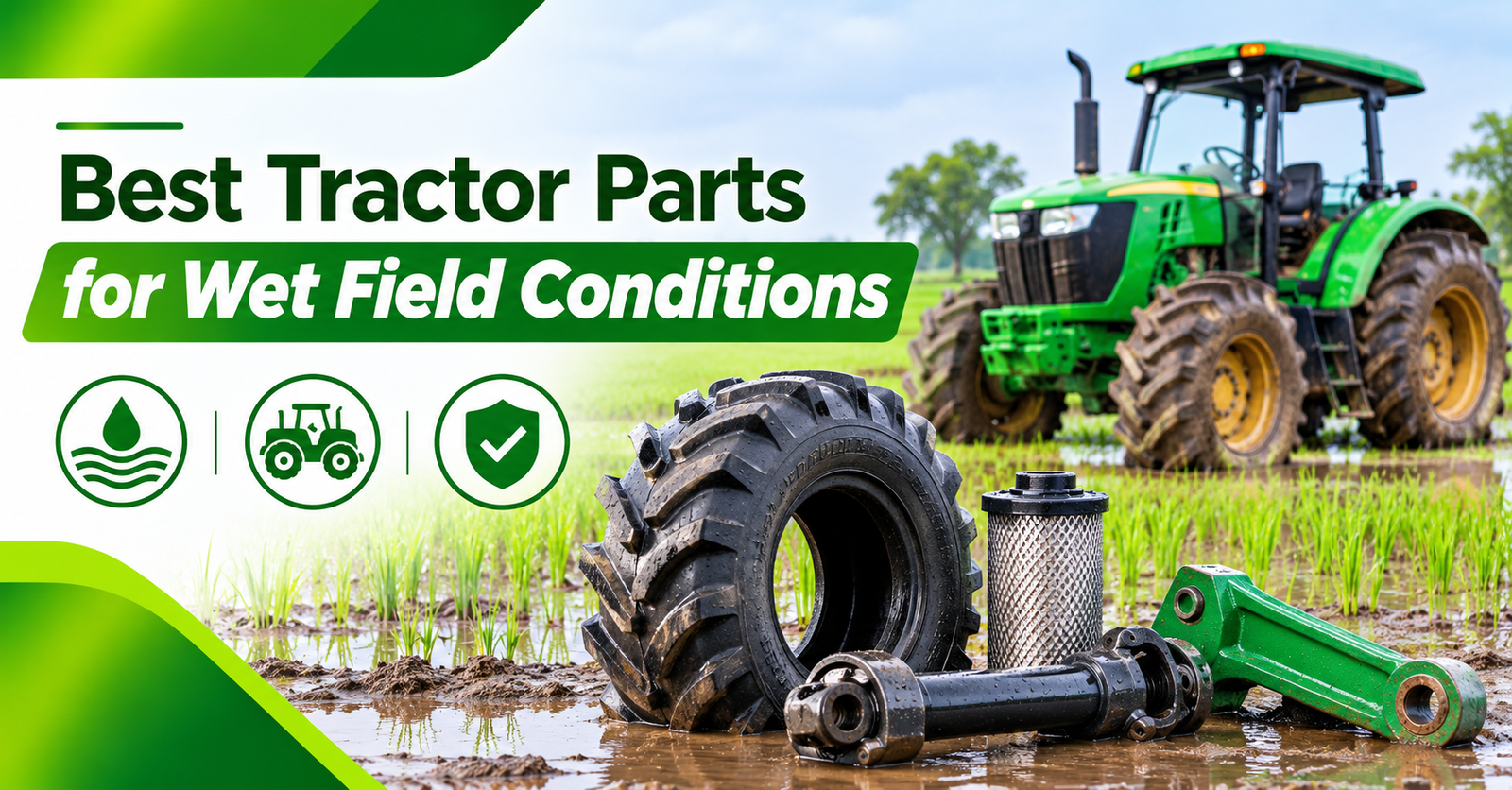
Discover the best tractor parts for wet field conditions, including tyres, bearings, seals, hydraulic hoses and brake co...
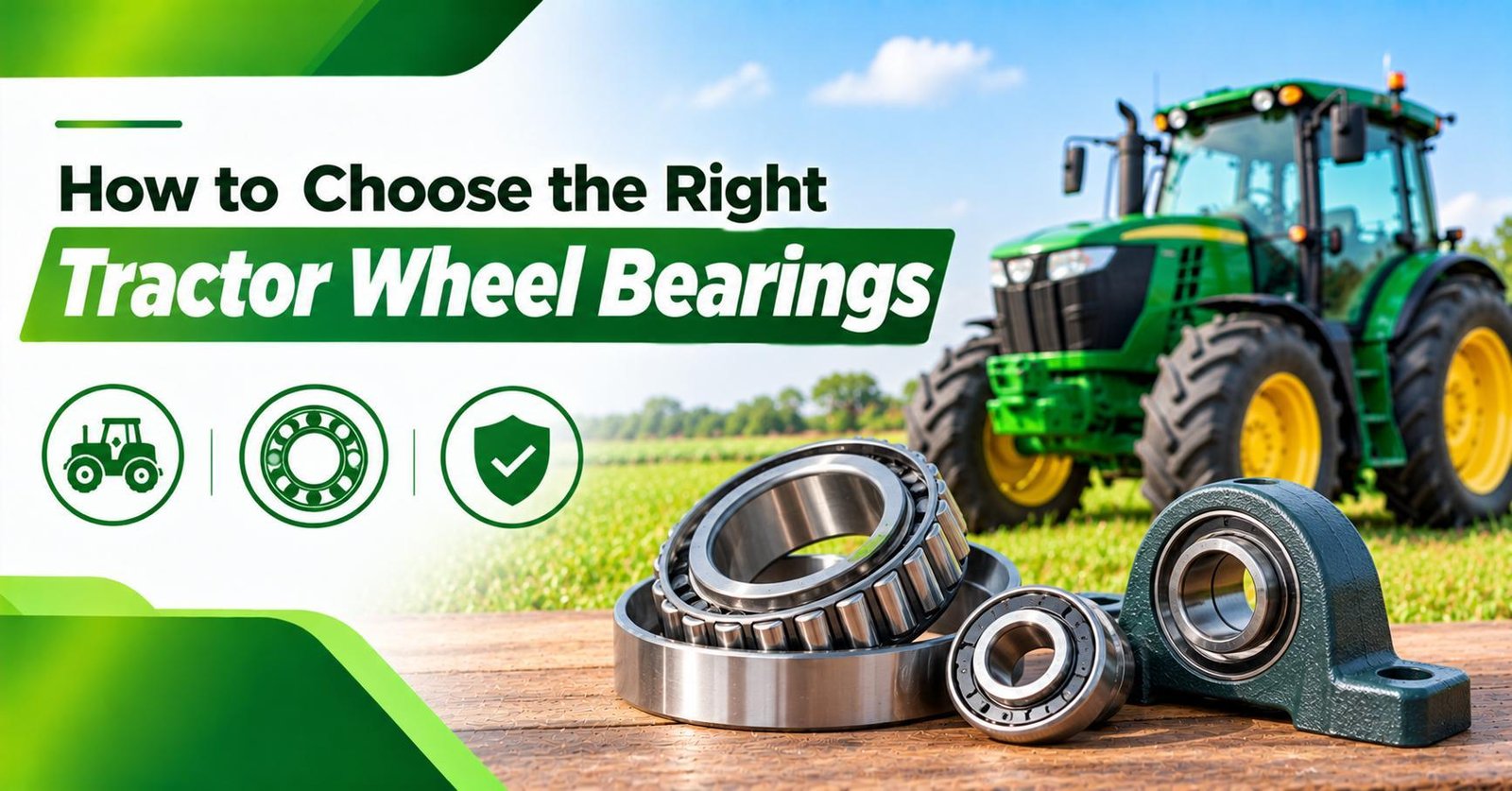
Learn how to choose the right tractor wheel bearings by checking size, type, load capacity, quality, and compatibility f...
Learn when to replace tractor suspension parts by identifying 8 warning signs, including excessive vibration, unusual no...