हमारे पास आपके लिए कुछ नीतियां हैं, कृपया ध्यान देवे!
- कृपया हमारे साथ अपना अकाउंट रजिस्टर करें और आप अपने पैकेज को ट्रैक करें
- चेकआउट के दौरान कृपया कूपन कोड लागू करें
- ग्राहक से अतिरिक्त शुल्क कंपनी या कूरियर कंपनी वसूल ना करे इसलिए
कैश ऑन डिलीवरी की सुविधा Gropart Bharat नहीं देती है
- रोमांचक ऑफ़र प्राप्त करने के लिए नीचे अपना ईमेल आईडी और मोबाइल नंबर दर्ज करें
COD उपलब्ध नहीं है। हम केवल प्रीपेड ऑर्डर में काम करते हैं और पूरे भारत में शिपिंग करते है. COD is not available. We work in prepaid orders only and shipping PAN India.
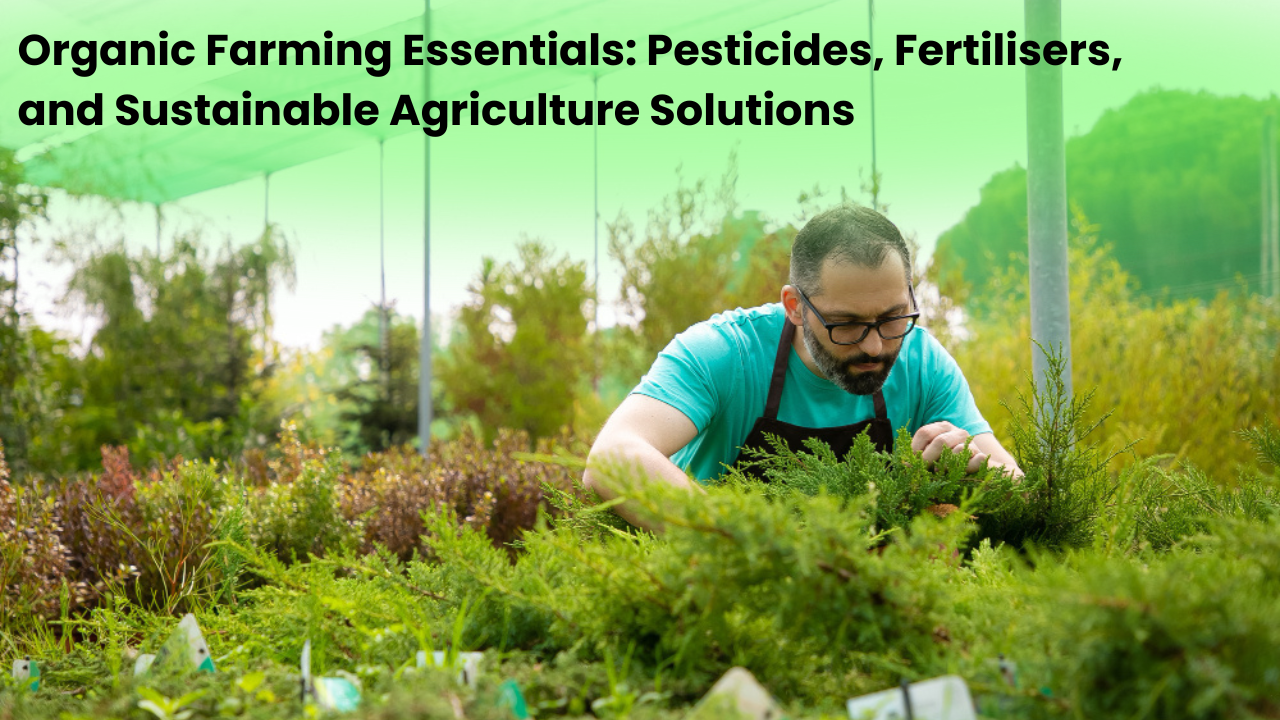
Organic farming is not just about avoiding chemicals. It is a complete system that focuses on soil health, balanced nutrition, and long-term sustainability. Many farmers shift to organic methods expecting quick results, but organic farming works best when approached with patience and proper understanding.
Using the right organic pesticides, fertilisers, and sustainable practices helps protect crops while maintaining soil fertility and environmental balance.
Understanding the Basics of Organic Farming
Organic farming relies on natural inputs and biological processes. The aim is to grow crops in a way that supports soil life, reduces chemical residue, and improves long-term productivity.
Key principles include:
Maintaining soil fertility naturally
Managing pests through ecological balance
Using crop rotation and diversity
Reducing dependency on synthetic inputs
Success in organic farming comes from consistency, not shortcuts.
Organic Fertilisers: Feeding the Soil First
In organic farming, the soil is fed before the plant. Healthy soil produces healthy crops.
Common Organic Fertilisers Used in Farming
Farmyard manure (FYM)
Compost and vermicompost
Green manure crops
Oil cakes (neem, castor, groundnut)
Biofertilisers like Rhizobium and Azotobacter
These inputs improve soil structure, water retention, and microbial activity. Unlike chemical fertilisers, organic fertilisers release nutrients slowly, which supports steady crop growth.
Importance of Soil Organic Matter
Soil organic matter improves aeration, nutrient availability, and moisture retention. Fields with good organic matter show better root development and reduced stress during dry periods.
Regular application of compost and crop residue incorporation helps maintain organic matter levels over time.
Organic Pesticides: Managing Pests Naturally
Organic pest control focuses on prevention rather than elimination. The goal is to manage pest populations without harming beneficial insects.
Common Organic Pest Control Solutions
Neem-based formulations
Botanical extracts
Bio-pesticides like Bacillus thuringiensis (Bt)
Traps and pheromones
Natural predators and parasites
These methods reduce pest pressure while preserving ecological balance.
Disease Management in Organic Farming
Plant diseases are managed through:
Crop rotation
Resistant varieties
Seed treatment using natural agents
Proper spacing and airflow
Healthy plants are naturally more resistant to disease.
Sustainable Agricultural Practices That Support Organic Farming
Organic inputs work best when combined with sustainable practices.
Key Practices Include
Crop rotation to break pest cycles
Intercropping to improve biodiversity
Mulching to conserve moisture
Drip irrigation to reduce water use
Reduced tillage to protect soil structure
These practices reduce input costs and improve long-term productivity.
Challenges in Organic Farming
Organic farming requires careful management. Common challenges include:
Initial yield reduction
Higher labour requirement
Pest management during transition period
Need for regular monitoring
However, with proper planning and experience, these challenges become manageable.
Practical Tips for Farmers Starting Organic Farming
Start with a small area
Test soil regularly
Maintain compost pits
Keep field records
Learn from nearby organic farmers
Gradual adoption gives better results than sudden conversion.
Final Thoughts
Organic farming is a long-term investment in soil health, crop quality, and environmental sustainability. Using the right organic fertilisers and pesticides, along with sustainable farming practices, helps create a balanced farming system.
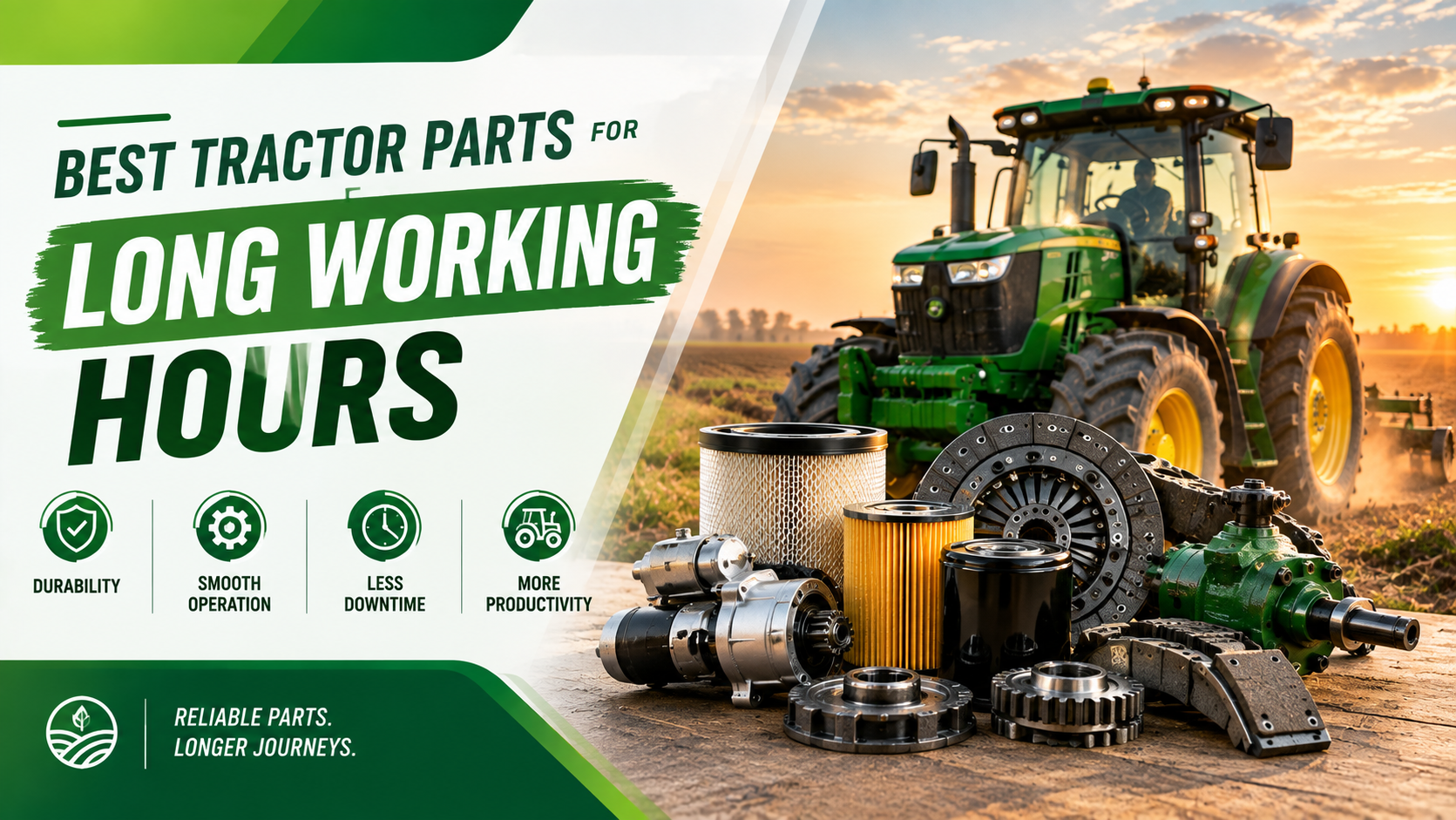
Discover the best tractor parts for long working hours, including engine filters, cooling components, belts, bearings, clutch, hydraulic, transmission parts, and tyres. Learn how quality tractor spare parts from Gropart, regular inspections, and timely replacement can help reduce...
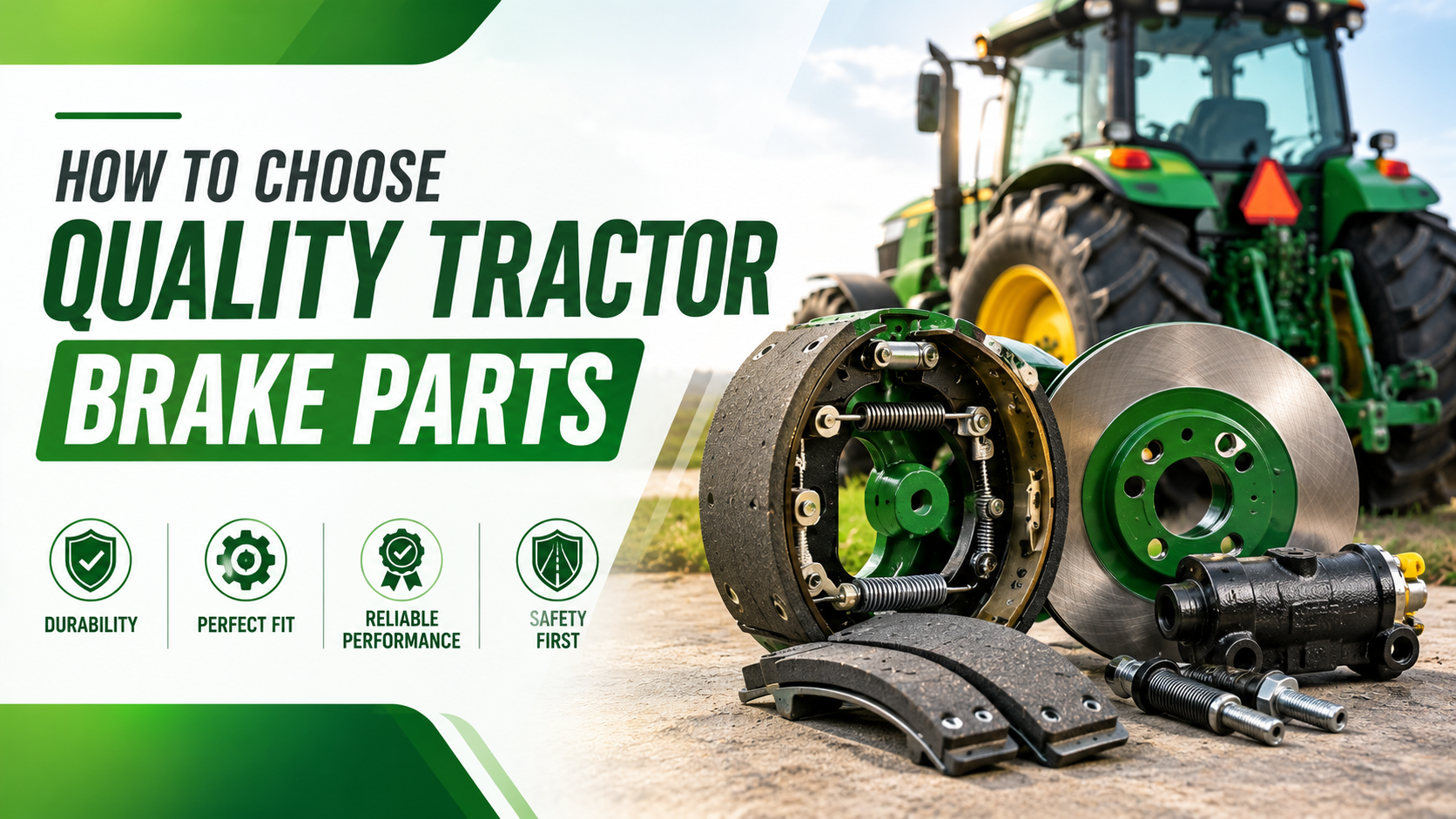
Learn how to choose quality tractor brake parts by checking fitment, brake type, material, durability, workload and supplier reliability for safer tractor performance.
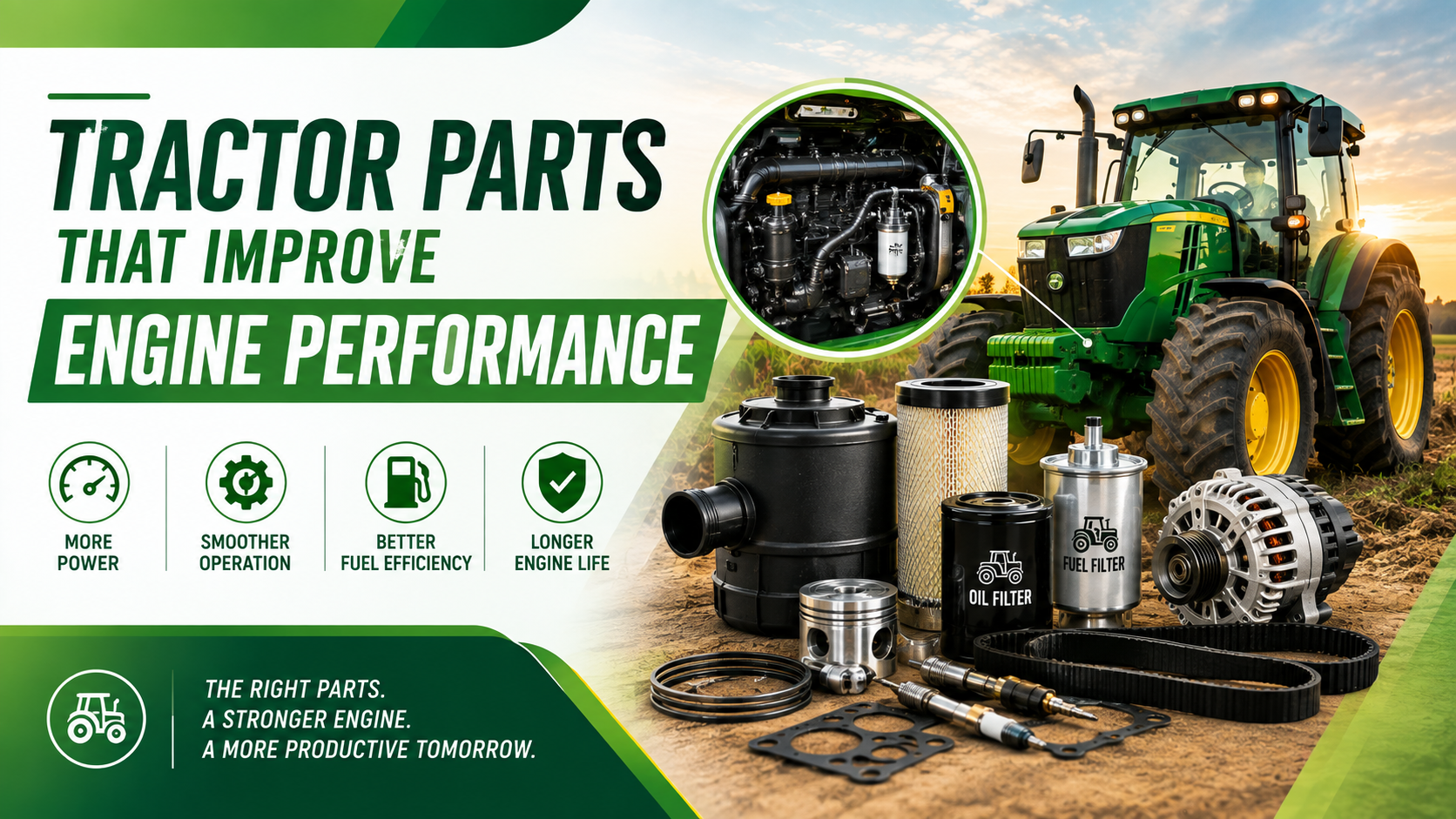
Discover tractor parts that improve engine performance, including air and fuel filters, injectors, belts, cooling components, seals, and other essential spare parts.
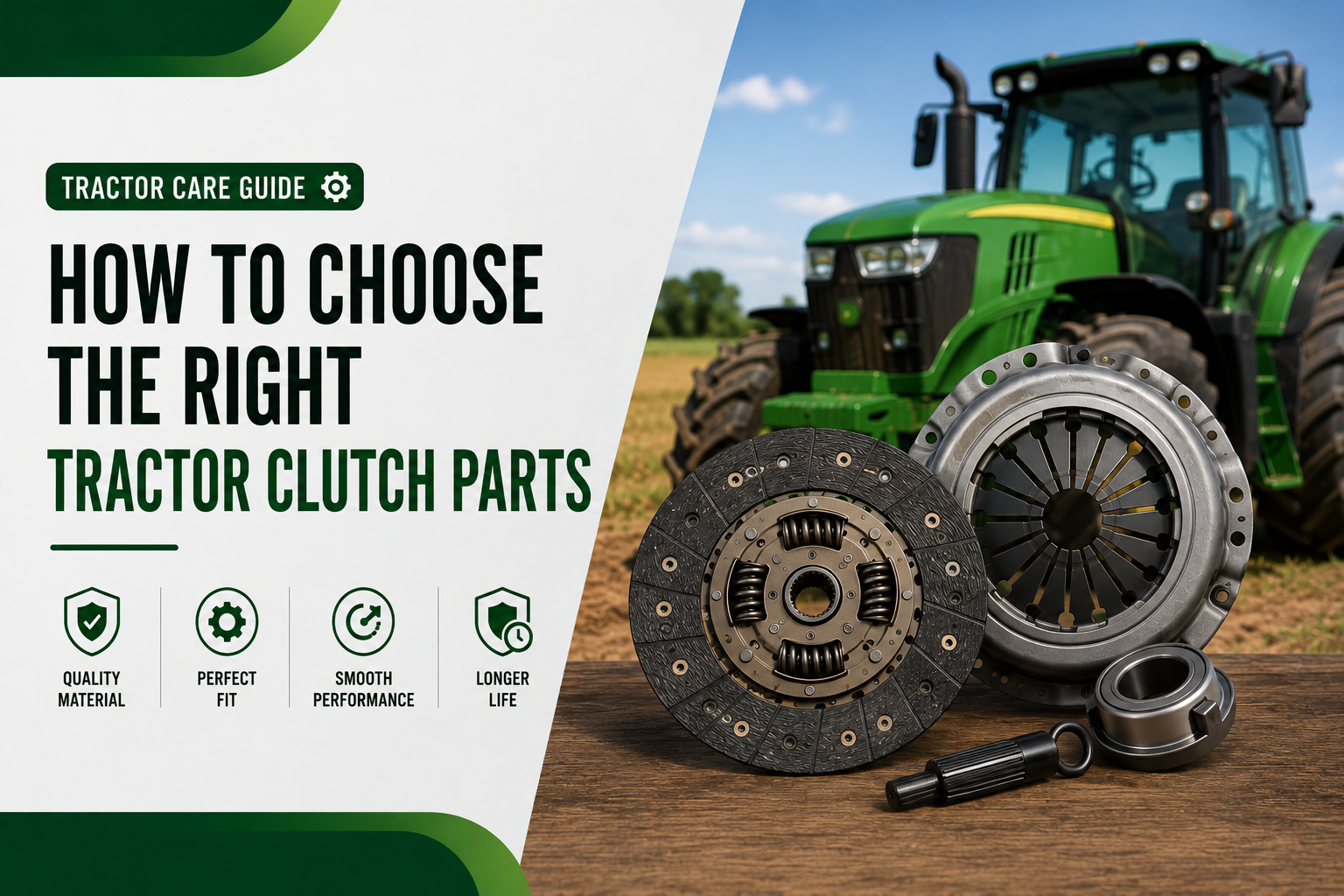
Learn how to choose the right tractor clutch parts by checking model, fitment, specifications, quality, working conditions, and compatibility for reliable performance.
 English