 English


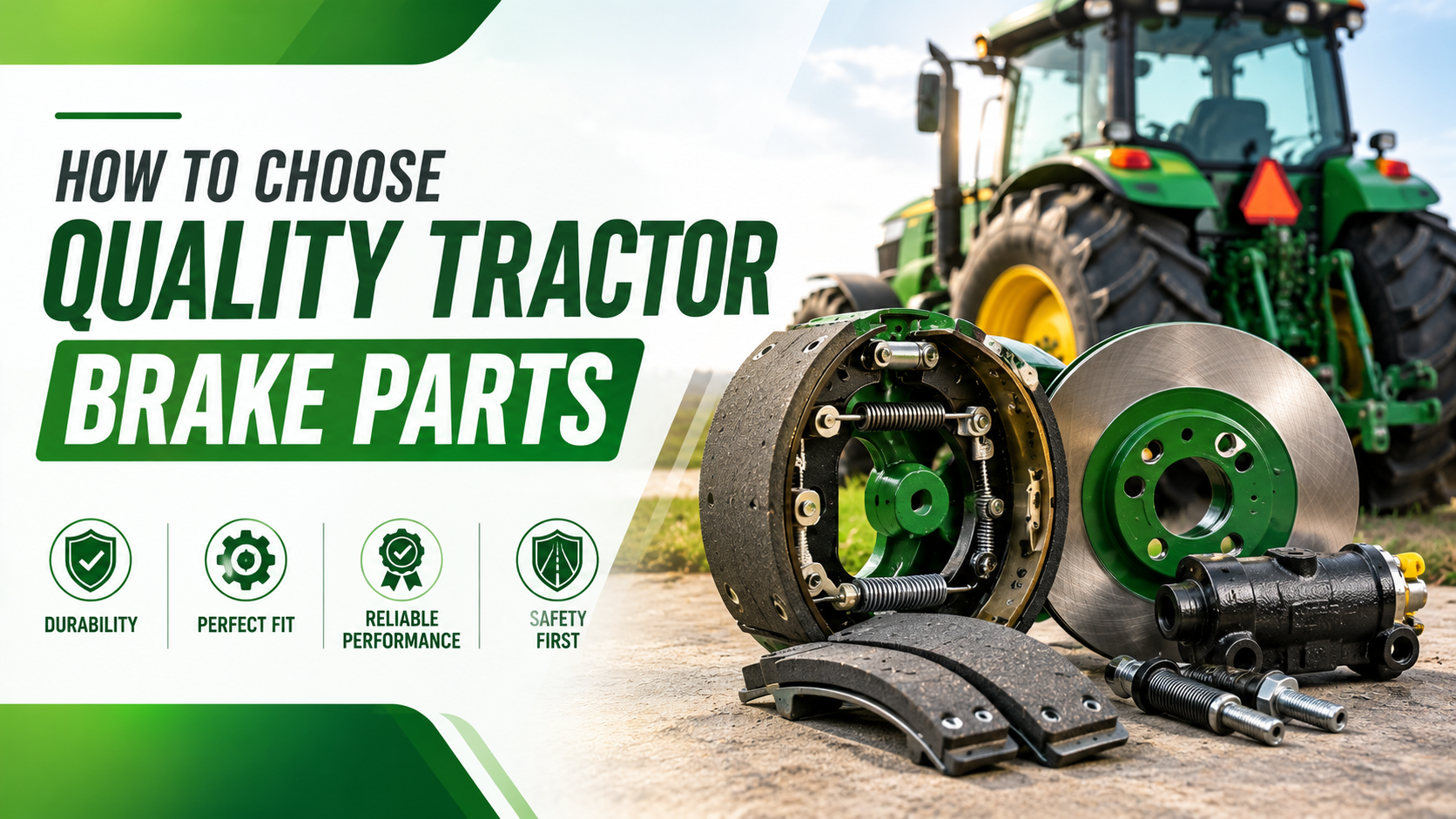
Learn how to choose quality tractor brake parts by checking fitment, brake type, material, durability, workload and supplier reliability for safer tractor performance.
COD उपलब्ध नहीं है। हम केवल प्रीपेड ऑर्डर में काम करते हैं और पूरे भारत में शिपिंग करते है. COD is not available. We work in prepaid orders only and shipping PAN India.
X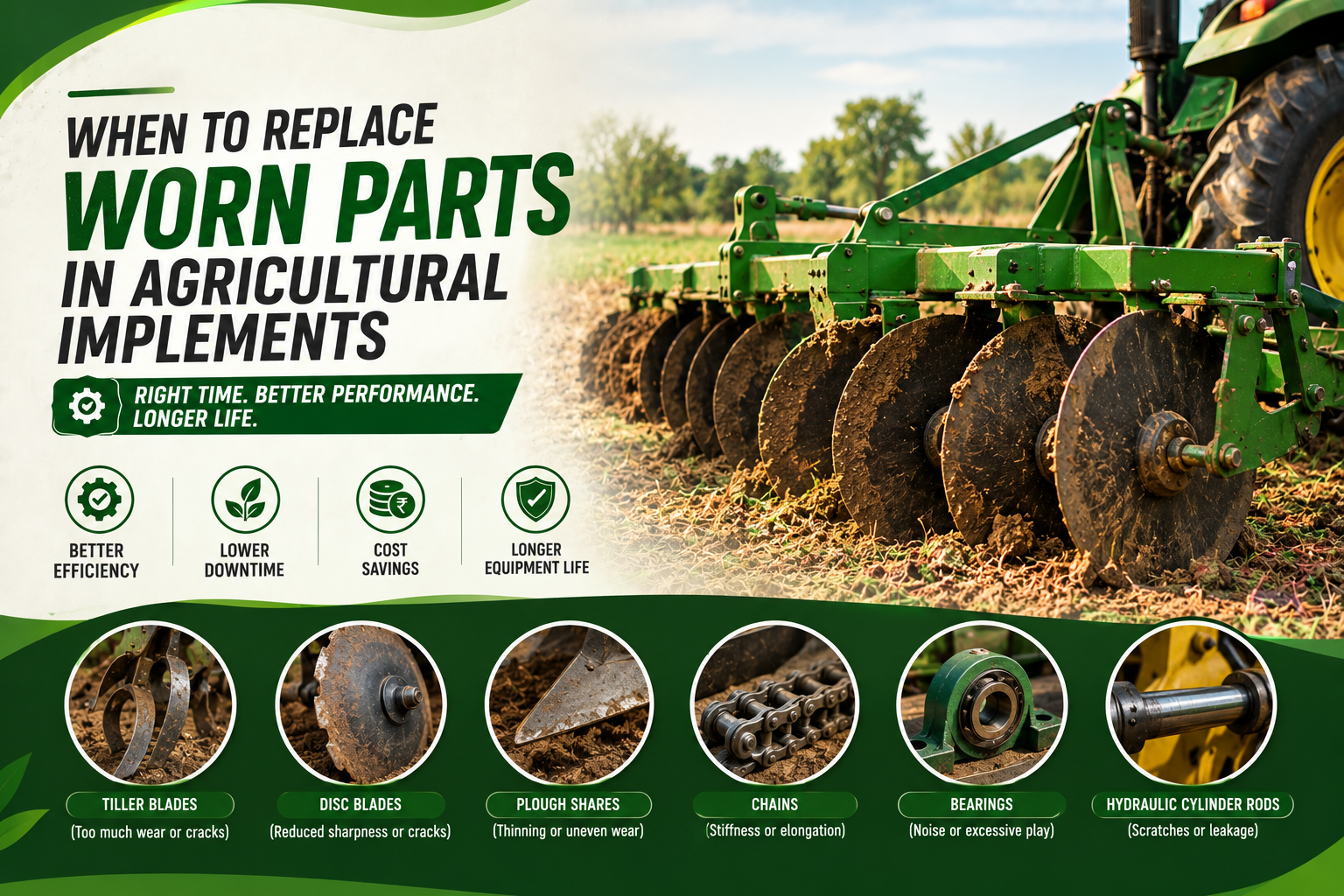
Agricultural implements play an important role in everyday farming. Ploughs, cultivators, rotavators, seeders, harvesters, mowers, and other attachments help farmers complete different tasks more quickly and efficiently. However, these machines work in tough conditions and are regularly exposed to soil, dust, moisture, heavy loads, vibration, and continuous movement.
Because of this demanding work, the parts of agricultural implements gradually wear out. Some parts may show visible damage, while others may become weak internally without obvious signs. Continuing to use worn components for too long can reduce work quality, increase fuel consumption, damage connected parts, and lead to unexpected breakdowns.
Knowing when to replace worn parts in agricultural implements helps farmers maintain productivity and avoid costly repairs. Timely replacement also ensures that equipment performs efficiently during important farming operations.
Every agricultural implement contains components that experience regular friction, pressure, impact, and movement.
When these parts wear out, the implement may not perform as efficiently as it should.
Worn parts can cause:
A small worn component can sometimes affect the performance of the entire implement.
Replacing the part early is often more affordable than repairing the additional damage caused by continued use.
One of the best times to inspect agricultural implements is before the beginning of a major farming season.
Before using equipment for long working hours, farmers should inspect important components for wear and damage.
This includes checking:
Finding worn parts before the season begins gives farmers enough time to replace them without affecting important field operations.
Blades are commonly used in mowers, rotavators, harvesters, and other agricultural equipment.
Over time, blades may become dull, cracked, bent, or damaged.
A worn blade may cause:
If sharpening no longer restores proper performance, replacement may be necessary.
Using durable replacement blades helps maintain efficient operation.
Cultivator tines and similar components work directly against soil.
Hard, rocky, or dry soil can cause these parts to wear quickly.
Worn tines may reduce the implement's ability to break and prepare soil properly.
Farmers should inspect them for:
Replacing worn tines helps maintain consistent field performance.
Bearings support rotating components and reduce friction.
A worn bearing may produce:
If a bearing shows these signs, it should be inspected and replaced when necessary.
Continuing to use a damaged bearing can also damage the shaft or housing.
Belts transfer power between different parts of agricultural implements.
With time, belts may stretch, crack, or become weak.
Signs of belt wear include:
Replacing a belt before complete failure helps prevent sudden downtime during fieldwork.
Many agricultural implements use chains and sprockets to transfer movement.
Chains may stretch, while sprocket teeth may wear down.
A worn chain system may cause:
Regular inspection and timely replacement help maintain smooth power transfer.
Pins and bushes are commonly used in moving joints and attachment connections.
These components experience continuous movement and heavy pressure.
When they become worn, excessive movement may develop.
This can cause:
Replacing worn pins and bushes helps restore proper movement and alignment.
Shafts transfer power and movement through many agricultural implements.
A bent or damaged shaft can create vibration and reduce machine efficiency.
Common warning signs include:
Shafts should be inspected carefully if the implement develops sudden vibration.
Modern agricultural implements often use hydraulic systems for lifting, adjusting, or operating attachments.
Hydraulic hoses, seals, cylinders, and other components may wear over time.
Signs of hydraulic component problems include:
Replacing worn hydraulic parts helps maintain proper performance.
Visual inspection is one of the simplest ways to identify worn components.
Farmers should look for:
A visibly damaged part should not be ignored, especially if it carries heavy loads or rotates at high speed.
Noise can provide an early warning of component wear.
Grinding, squealing, knocking, or clicking sounds may indicate a problem with:
Investigating unusual sounds early can prevent more serious damage.
If an implement suddenly requires more power to perform the same task, worn components may be the reason.
Dull blades, damaged bearings, slipping belts, and poor alignment can increase resistance.
This forces the tractor engine to work harder and may increase fuel consumption.
Replacing worn parts can help restore efficiency.
When replacement becomes necessary, part quality is important.
Low-quality components may wear quickly and require frequent replacement.
This can increase maintenance costs and reduce productivity.
Reliable agricultural spare parts from Gropart can help farmers choose suitable replacement components for different agricultural implements.
Properly fitted and durable parts provide better support for demanding farming operations.
The replacement interval for an agricultural part depends on how and where the equipment is used.
Parts may wear faster when implements operate in:
Farmers should consider actual working conditions when planning inspections and replacements.
Waiting until a part breaks completely can create additional problems.
A failed bearing may damage a shaft. A broken belt may damage nearby components. A worn blade may place extra stress on the machine.
Replacing worn parts before complete failure is often safer and more economical.
Knowing when to replace worn parts in agricultural implements is essential for maintaining efficient and reliable farm operations. Blades, tines, bearings, belts, chains, pins, bushes, shafts, and hydraulic components all experience wear during regular use.
Farmers should inspect equipment before major farming seasons and pay attention to warning signs such as unusual noise, vibration, reduced performance, visible damage, and increased fuel consumption. Timely replacement helps prevent small problems from becoming expensive breakdowns.
By choosing properly fitted and quality agricultural spare parts from Gropart, farmers can improve equipment reliability, reduce downtime, and maintain better field performance. Regular inspections and preventive maintenance ensure that agricultural implements remain ready to handle demanding work when farmers need them most.
Learn how to choose quality tractor brake parts by checking fitment, brake type, material, durability, workload and supplier reliability for safer tractor performance.
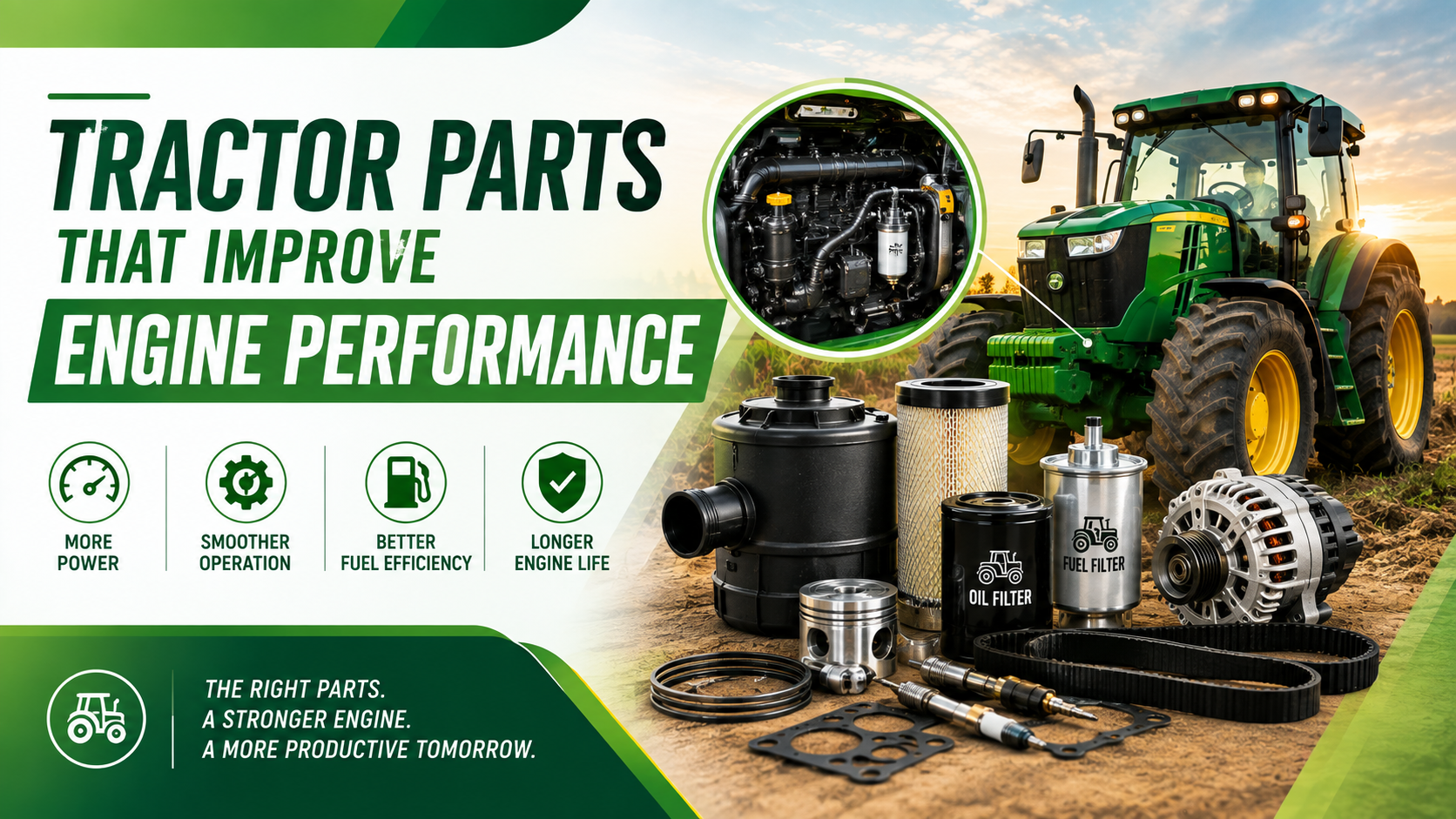
Discover tractor parts that improve engine performance, including air and fuel filters, injectors, belts, cooling components, seals, and other essential spare parts.
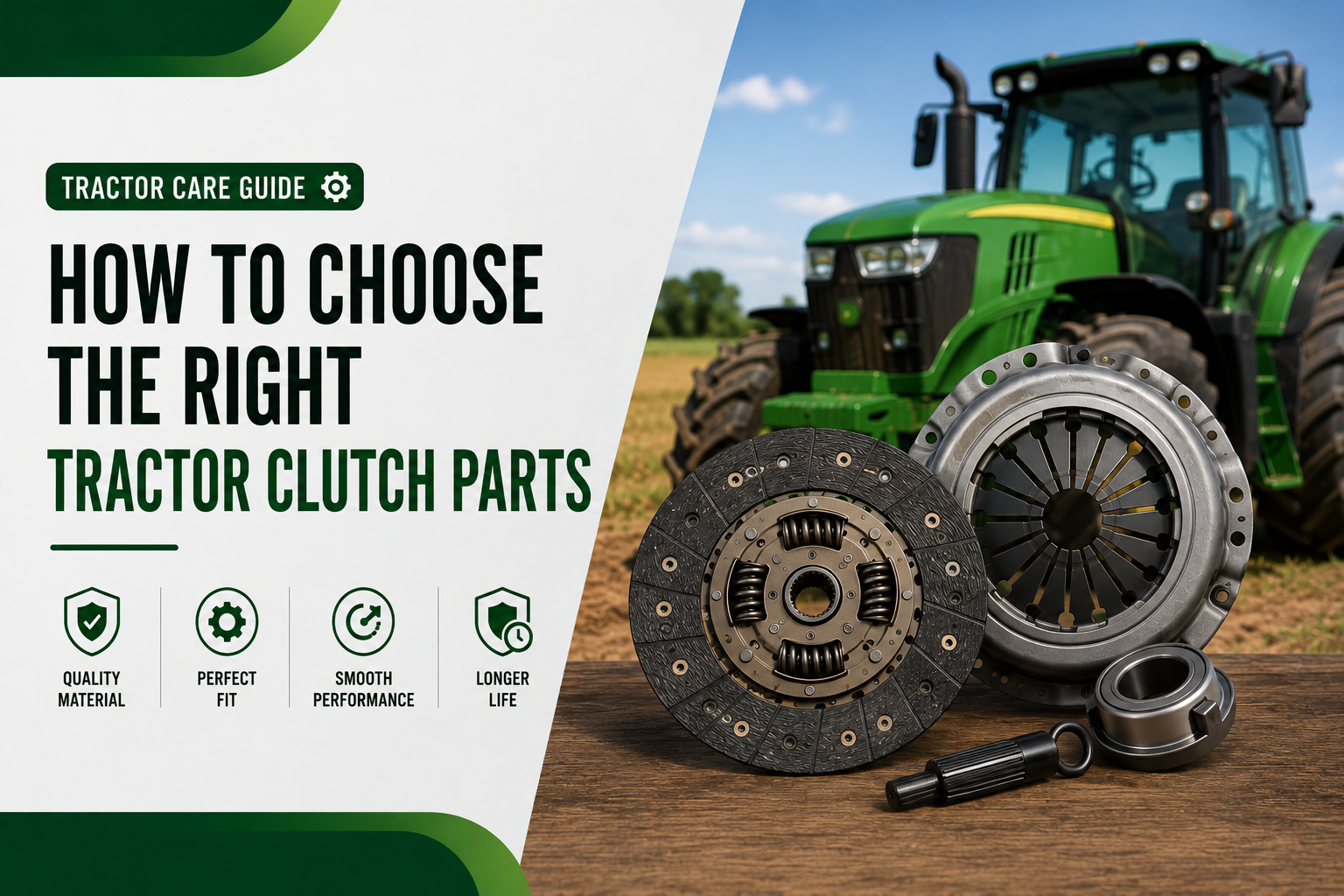
Learn how to choose the right tractor clutch parts by checking model, fitment, specifications, quality, working conditions, and compatibility for reliable performance.
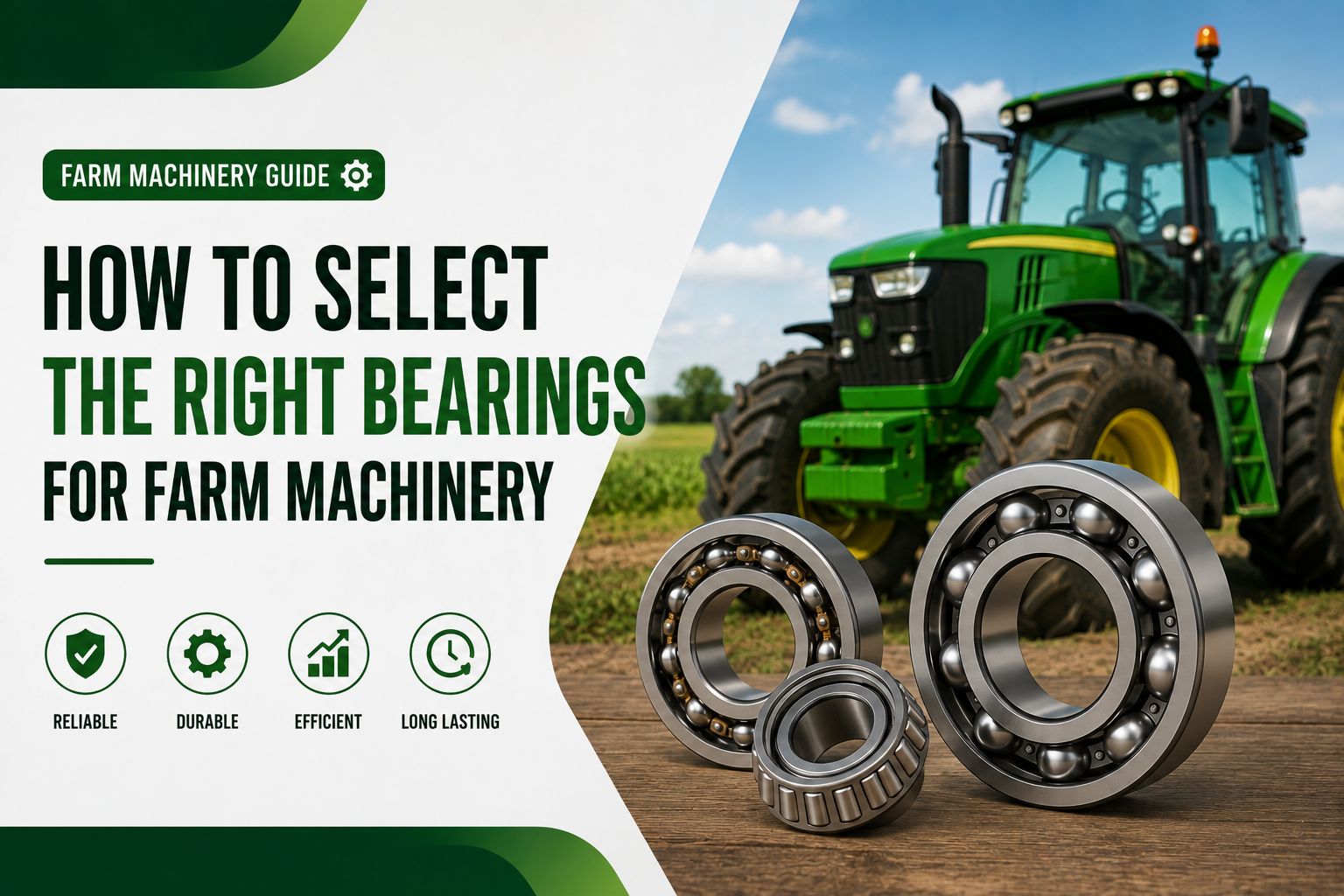
Learn how to select the right bearings for farm machinery based on size, load capacity, speed, sealing, operating conditions, lubrication, and quality.