हमारे पास आपके लिए कुछ नीतियां हैं, कृपया ध्यान देवे!
- कृपया हमारे साथ अपना अकाउंट रजिस्टर करें और आप अपने पैकेज को ट्रैक करें
- चेकआउट के दौरान कृपया कूपन कोड लागू करें
- ग्राहक से अतिरिक्त शुल्क कंपनी या कूरियर कंपनी वसूल ना करे इसलिए
कैश ऑन डिलीवरी की सुविधा Gropart Bharat नहीं देती है
- रोमांचक ऑफ़र प्राप्त करने के लिए नीचे अपना ईमेल आईडी और मोबाइल नंबर दर्ज करें
COD उपलब्ध नहीं है। हम केवल प्रीपेड ऑर्डर में काम करते हैं और पूरे भारत में शिपिंग करते है. COD is not available. We work in prepaid orders only and shipping PAN India.
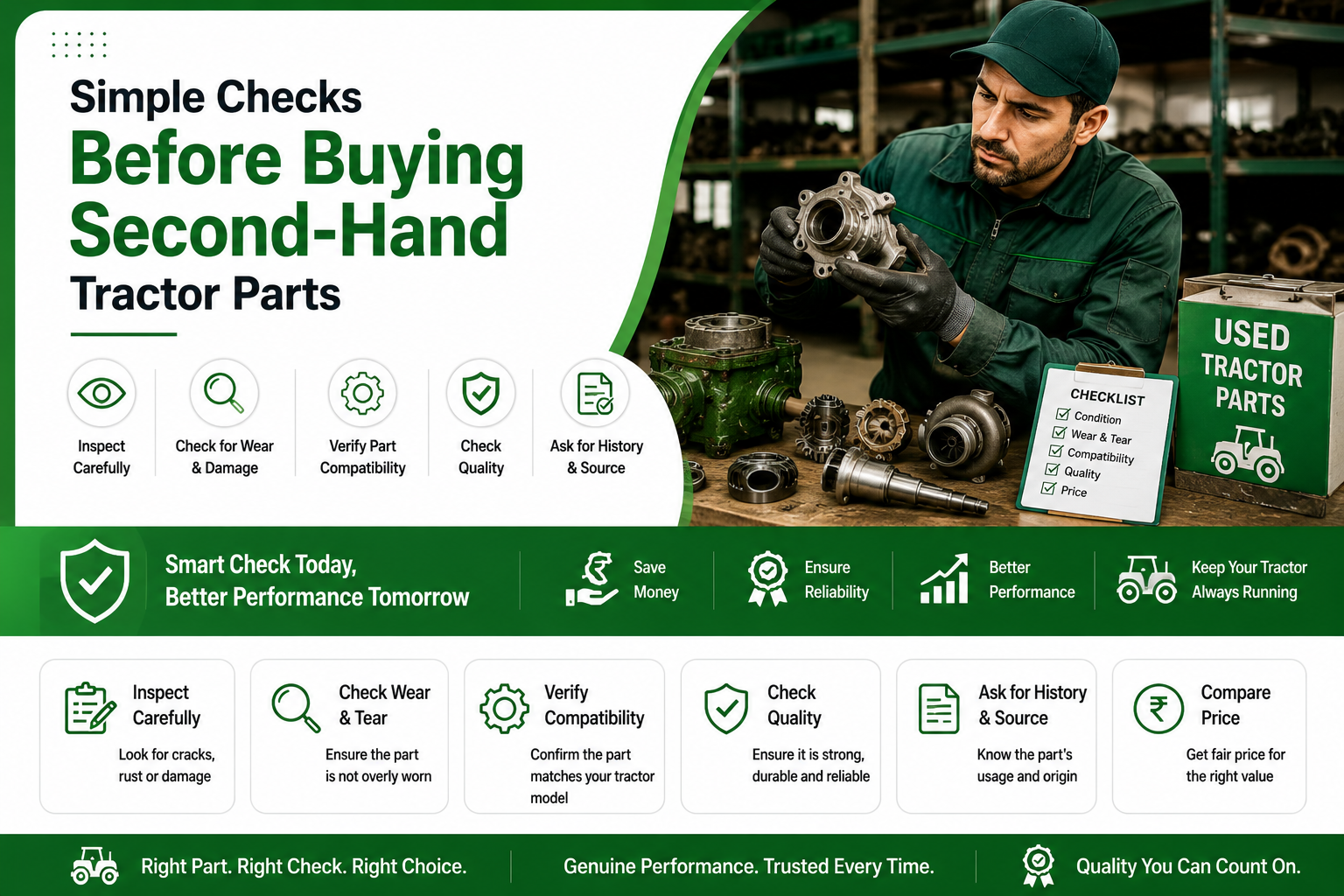
Buying tractor spare parts can sometimes be expensive, especially for farmers who use their machines daily. To reduce costs, many people consider buying second-hand tractor parts. This can be a smart decision if done carefully, but it also comes with risks.
Used parts may already have wear and tear, and if not checked properly, they can fail quickly and cause bigger problems in your tractor. That’s why it is very important to know the simple checks before buying second-hand tractor parts and understand how tocheck tractor spare parts quality before making a purchase decision.
In this guide, we will explain easy and practical ways to inspect used spare parts so that you can make the right decision. We will also highlight when it is better to choose reliable new parts from Gropart for better long-term performance.
Why People Buy Second-Hand Tractor Parts
Second-hand parts are popular because they are more affordable compared to new ones. For farmers working with a limited budget, they can be a quick solution.
Benefits of Used Parts
Lower cost
Easily available in local markets
Useful for temporary repairs
However, these benefits only apply if the parts are in good condition.
Risks of Buying Second-Hand Parts
Before purchasing used parts, it is important to understand the risks.
Common Problems
Unknown usage history
Hidden damage or wear
Shorter lifespan
Poor performance
If you do not inspect properly, you may end up spending more on repairs later.
1. Check Physical Condition Carefully
The first step is to visually inspect the spare part.
What to Look For
Cracks or breaks
Rust or corrosion
Worn or damaged surfaces
Bent or deformed parts
Why It Matters
Physical damage weakens the part and reduces its life.
Tip
Avoid parts that show heavy wear or structural damage.
2. Compare with Your Old Part
Always compare the second-hand part with the original part from your tractor.
Check for:
Same size and shape
Matching design
Proper alignment points
Why It Matters
Even a small difference can cause improper fitment and affect performance. Using properly fitted spare parts for tractors helps ensure smooth operation and prevents unnecessary wear.
3. Check for Wear and Tear
All used parts have some level of wear, but excessive wear should be avoided.
Whether you choose second-hand or new parts, making the right decision helps in:
Reducing breakdowns
Improving tractor performance
Saving maintenance costs
Increasing machine life
A careful approach ensures better results.
Simple Checklist Before Buying Second-Hand Parts
Here is a quick checklist you can follow:
✔ Inspect physical condition
✔ Compare with original part
✔ Check for wear and tear
✔ Test moving components
✔ Look for rust or damage
✔ Confirm compatibility
✔ Buy from trusted sellers
Conclusion
Buying second-hand tractor parts can be a cost-effective option, but only if done carefully. Without proper inspection, used parts can lead to poor performance, frequent breakdowns, and higher repair costs.
Simple checks like examining physical condition, testing movement, checking compatibility, and understanding usage history can help you avoid bad purchases. It is also important to know when to avoid second-hand parts and invest in new ones.
For critical components and long-term performance, choosing high-quality spare parts from Gropart is always a safer and smarter decision. By making informed choices, farmers can maintain their tractors efficiently and ensure smooth and productive farming operations.
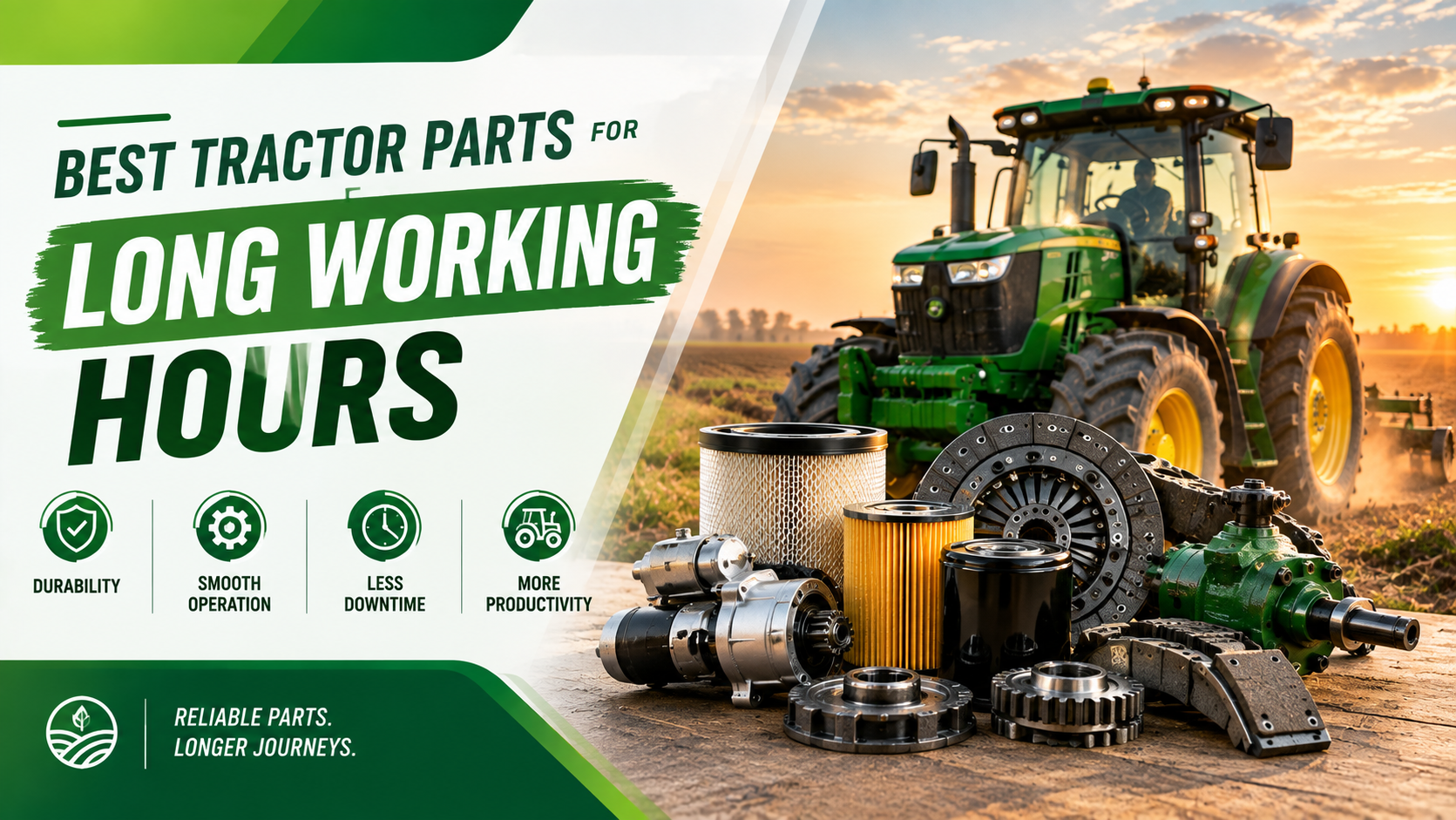
Discover the best tractor parts for long working hours, including engine filters, cooling components, belts, bearings, clutch, hydraulic, transmission parts, and tyres. Learn how quality tractor spare parts from Gropart, regular inspections, and timely replacement can help reduce...
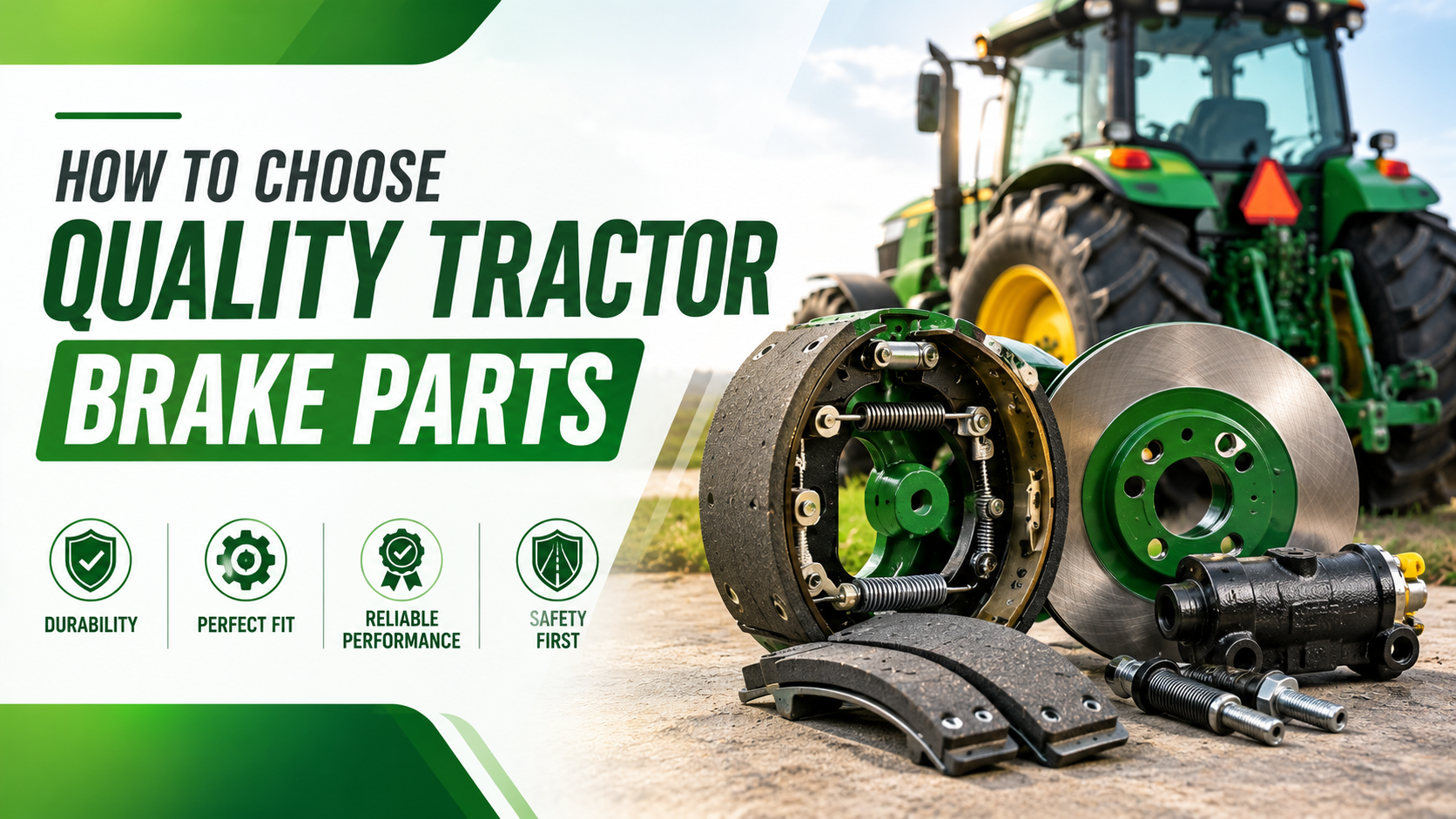
Learn how to choose quality tractor brake parts by checking fitment, brake type, material, durability, workload and supplier reliability for safer tractor performance.
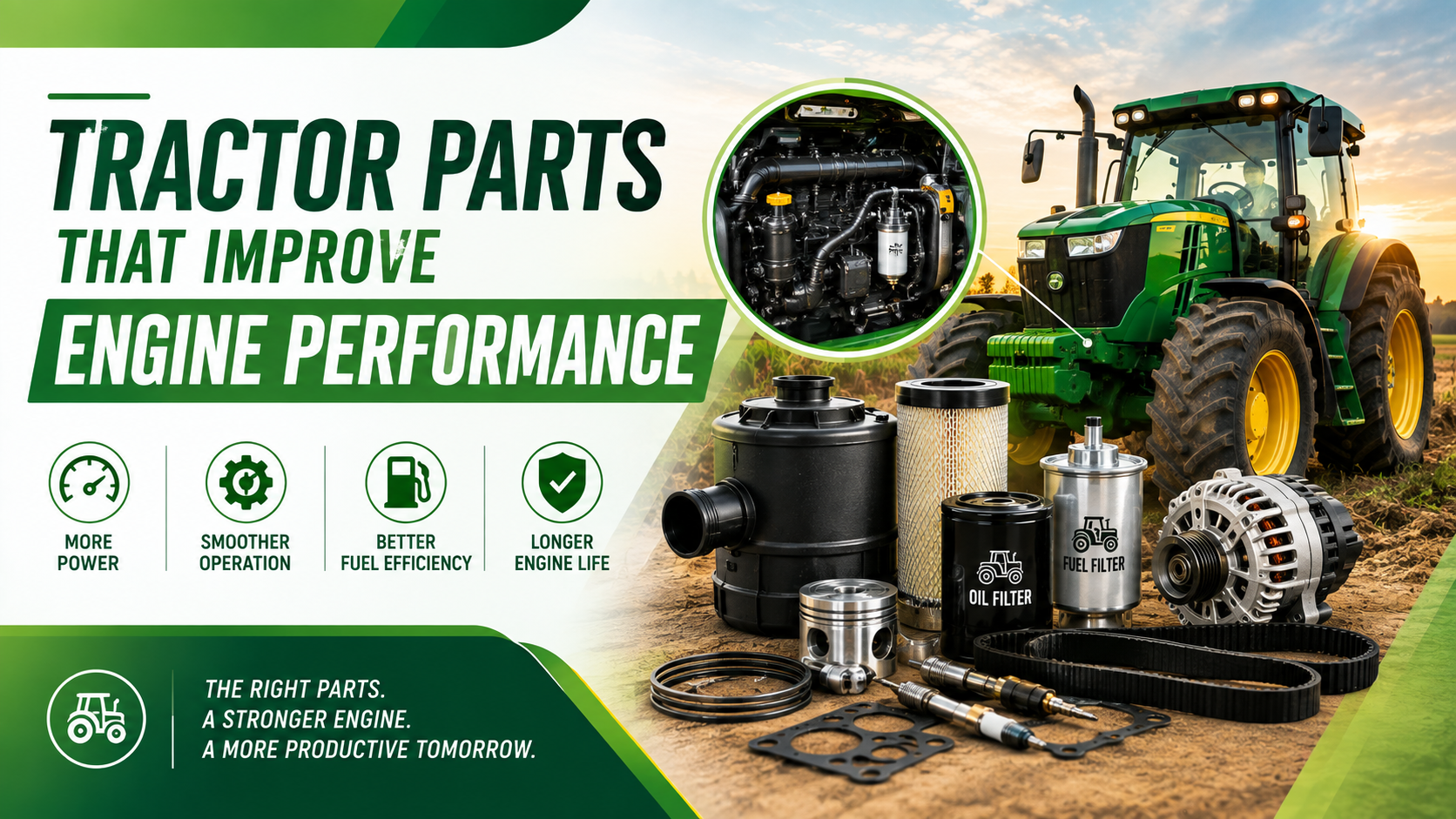
Discover tractor parts that improve engine performance, including air and fuel filters, injectors, belts, cooling components, seals, and other essential spare parts.
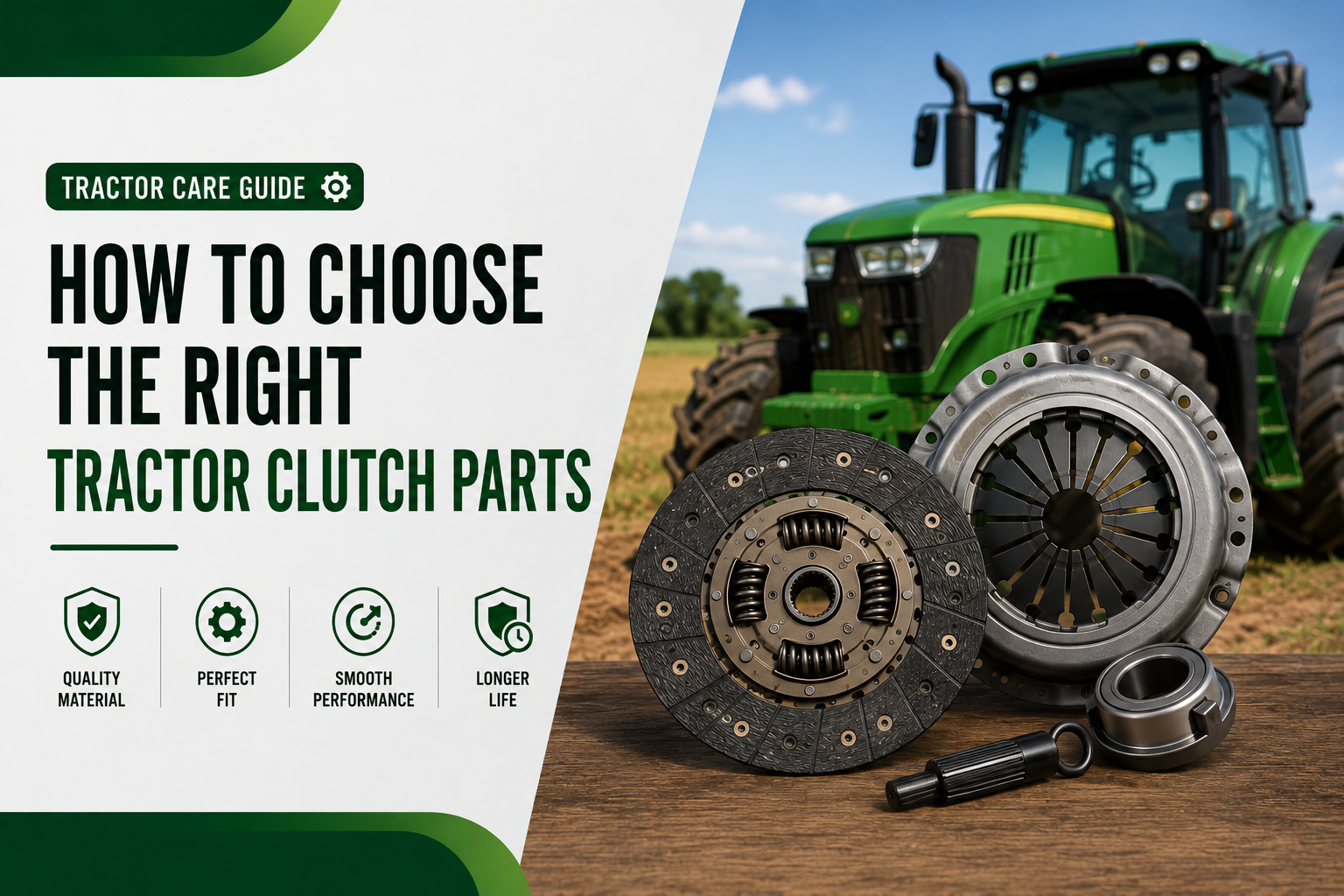
Learn how to choose the right tractor clutch parts by checking model, fitment, specifications, quality, working conditions, and compatibility for reliable performance.
 English