
Learn about common tractor oil pump problems, including low oil pressure, oil leaks, clogged filters, and worn component...
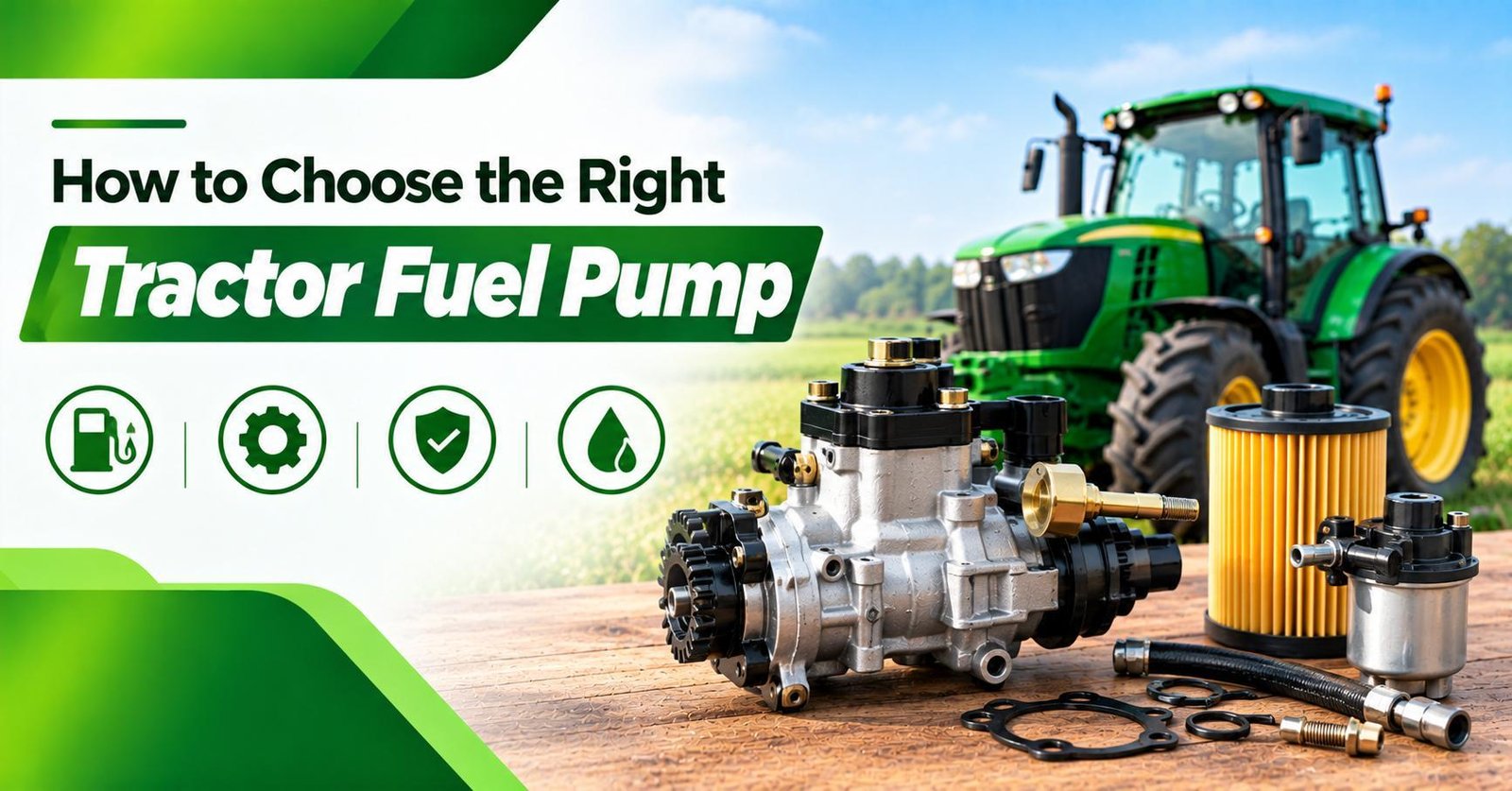
A tractor needs a reliable fuel supply to perform daily agricultural tasks efficiently. Whether you use your tractor for ploughing, cultivation, hauling, or harvesting, the engine depends on the correct amount of fuel reaching it at the right pressure. The tractor fuel pump plays an important role in this process.
Choosing the wrong fuel pump can lead to starting problems, poor engine performance , fuel delivery issues, and unnecessary repair expenses. Since different tractor models have different fuel system requirements, it is important to check compatibility before buying a replacement.
In this guide, we will explain how to choose the right tractor fuel pump, what factors to consider before purchasing one, and how proper maintenance can help improve fuel system performance.
A tractor fuel pump is a component that moves diesel from the fuel tank towards the engine's fuel injection system. Depending on the tractor's design, the fuel system may include a feed pump, an injection pump, or an electronically controlled fuel delivery system.
The feed pump supplies fuel to other parts of the system, while the injection pump in many diesel engines helps deliver fuel at the required pressure and timing for combustion. Modern common-rail systems use a different arrangement, with a high-pressure pump supplying fuel to the rail and electronic injectors controlling delivery.
When the fuel pump works correctly, it supports reliable starting, steady engine operation, and consistent power during fieldwork.
The first step in choosing the right tractor fuel pump is to identify your tractor's make, model, and manufacturing year. Fuel pumps are designed for specific engines and fuel system arrangements, so a pump that fits one tractor may not work correctly in another.
Even tractors from the same brand can use different engines and fuel pumps depending on the model or production version.
Before buying a replacement, check the following details:
You can find this information in the tractor manual, on identification plates, or through an authorised dealer or experienced mechanic.
Confirming these details helps you avoid incorrect purchases and installation problems.
Not all tractor fuel pumps perform the same function. Understanding your tractor's fuel system helps you select the correct component.
Feed pump: A feed pump moves diesel from the fuel tank towards the engine's fuel supply or injection system. It helps maintain the fuel flow required by the system.
Injection pump: In many diesel tractors, the injection pump meters and delivers fuel at the pressure and timing required by the engine's injectors.
High-pressure fuel pump: Modern common-rail diesel engines use a high-pressure pump to supply fuel to the common rail. Electronic injectors then control fuel delivery to the cylinders.
Before ordering, identify which pump needs replacement. A feed pump and an injection pump are not interchangeable simply because both handle diesel fuel.
If you are unsure about the system fitted to your tractor, ask a qualified mechanic to identify the correct component.
Fuel pump specifications are essential for proper fitment and engine performance. A pump that looks similar to the original may still have different operating characteristics.
Depending on the pump type, important specifications may include fuel delivery capacity, operating pressure, mounting arrangement, shaft design, connections, and compatibility with the engine's fuel system.
For an injection pump, calibration and fuel delivery settings are especially important. Installing an unsuitable pump can affect engine performance and may cause starting difficulties, excessive smoke, or poor fuel delivery.
Compare the replacement pump with the original part and check the manufacturer's specifications before purchasing.
Never select a fuel pump based only on appearance or price. Correct specifications are more important for reliable operation.
A tractor fuel pump works as part of a system that must perform reliably during demanding agricultural operations. A suitable replacement should be made with quality materials and meet the requirements of the tractor's engine.
When comparing fuel pumps, look for proper finishing, secure connections, accurate mounting points, and clear product information. Check the supplier's warranty terms and ask about the product's condition before buying.
A very low-priced pump may not always provide the same fitment, performance, or service life as a suitable quality replacement. However, a higher price alone does not guarantee better quality.
Compare products based on compatibility, specifications, supplier reliability, and warranty coverage rather than price alone.
Tractors are used for different agricultural activities, from light transportation to heavy fieldwork. These working conditions can affect fuel system demands and the importance of reliable fuel delivery.
A tractor that operates for long hours may experience greater wear across its fuel system over time. Dust, water contamination, and poor-quality fuel can also affect fuel system components.
Choose a fuel pump that matches the engine's original design and intended working requirements. Do not install a higher-capacity pump simply because the tractor is used for heavy work. The pump must meet the manufacturer's specifications.
For reliable performance, also keep the fuel tank, fuel lines, and filters in good condition. A suitable pump cannot compensate for blocked filters or contaminated diesel.
Before buying a new fuel pump, make sure the existing pump is actually causing the problem. Several engine symptoms can indicate fuel delivery issues, but they may also result from other faults.
Common warning signs include:
Difficulty starting: The tractor may take longer than usual to start because sufficient fuel is not reaching the engine.
Loss of engine power: The tractor may struggle during heavy work if the fuel supply is inadequate.
Uneven engine operation: The engine may run roughly or hesitate during operation.
Unexpected engine stalling: Fuel delivery interruptions can cause the engine to stop, although other faults may produce the same symptom.
Fuel leakage: Visible diesel leakage around the pump or its connections requires prompt inspection.
Reduced performance under load: The tractor may operate normally at low demand but struggle when more engine power is needed.
These symptoms do not confirm fuel pump failure on their own. Blocked fuel filters, air in the fuel lines, contaminated diesel, faulty injectors, electrical problems, or other engine issues can cause similar symptoms.
Have the fuel system checked before replacing the pump to avoid unnecessary expenses.
Correct compatibility is essential when purchasing a replacement tractor fuel pump. Before placing an order, compare the original pump's part number, mounting points, connections, and specifications with the replacement.
Also check whether the pump requires specific fittings, seals, gaskets, or related components during installation.
Injection pump installation can require accurate timing and calibration. Incorrect installation may affect combustion, engine performance, and fuel consumption. High-pressure diesel systems can also be dangerous if handled incorrectly.
For these reasons, it is best to have injection pump replacement and calibration carried out by a qualified diesel mechanic.
A dependable spare parts supplier can help you identify a fuel pump that matches your tractor's engine and fuel system. Share the tractor model, engine details, and original part number whenever possible.
Before purchasing, confirm product specifications, warranty coverage, availability, and return or replacement conditions.
Gropart provides spare parts for tractors, JCB machines, threshers, and other agricultural machinery applications. When looking for a tractor fuel pump or related replacement components, review the available product information and confirm compatibility with your specific tractor.
Taking time to verify these details can help prevent incorrect orders and reduce delays during repairs.
Proper maintenance can help protect the fuel system and support reliable tractor performance.
Do not loosen high-pressure fuel lines while the engine is running. Pressurised diesel can penetrate the skin and cause serious injuries. Leave high-pressure fuel system repairs to trained professionals.
Choosing the right tractor fuel pump is important for reliable starting, consistent engine performance, and dependable operation during agricultural work. The correct pump must match your tractor's make, model, engine, fuel system, and original specifications.
Before purchasing a replacement, identify the type of pump you need, check the part number, compare specifications, and confirm fitment with a reliable supplier. If the tractor is showing fuel delivery problems, arrange a proper diagnosis before replacing components.
Regular fuel filter maintenance, clean diesel, and timely inspections can also help protect the fuel system. By choosing a compatible, good-quality tractor fuel pump and maintaining it correctly, you can help reduce avoidable breakdowns and keep your tractor ready for daily fieldwork.
1. How do I choose the right fuel pump for my tractor?
Check your tractor's make, model, manufacturing year, engine details, original pump part number, and fuel system type. Confirm the replacement's specifications before buying.
2. What are the common signs of a faulty tractor fuel pump?
Common symptoms include difficult starting, loss of power, uneven engine operation, stalling, and fuel leakage. A mechanic should confirm the cause because other fuel system problems can produce similar symptoms.
3. Can a faulty fuel pump increase diesel consumption?
Fuel system problems may contribute to poor engine performance and inefficient operation. However, higher fuel consumption can also result from injector problems, incorrect pump calibration, engine wear, or heavy operating conditions.
4. Should I replace the fuel filter when changing the tractor fuel pump?
It is worth checking the fuel filter and replacing it if required by the maintenance schedule or its condition. A blocked filter can restrict fuel flow and may contribute to problems that appear similar to pump failure.
5. Can I replace a tractor injection pump myself?
Injection pump replacement may require specialised tools, correct timing, and calibration. Having a qualified diesel mechanic perform the work helps reduce the risk of installation errors and engine problems.
Share:
Learn about common tractor oil pump problems, including low oil pressure, oil leaks, clogged filters, and worn component...
Discover the best tractor engine cooling parts, including radiators, water pumps, thermostats, fans, hoses, and belts. E...
Learn the common signs of tractor water pump failure, including overheating, coolant leaks, unusual noises, and poor cir...
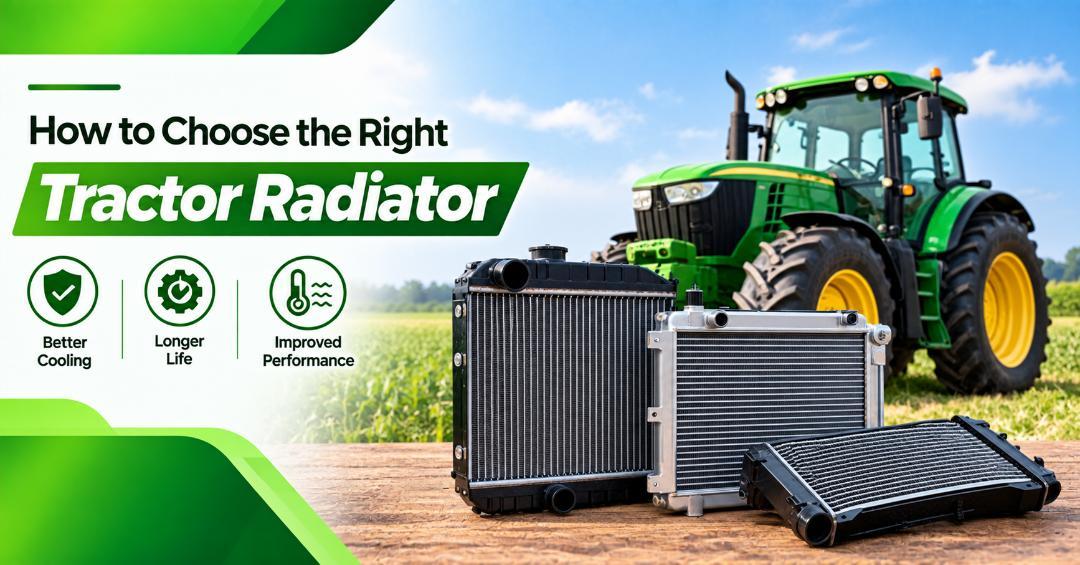
Learn how to choose the right tractor radiator by checking compatibility, size, material, build quality, cooling require...