हमारे पास आपके लिए कुछ नीतियां हैं, कृपया ध्यान देवे!
- कृपया हमारे साथ अपना अकाउंट रजिस्टर करें और आप अपने पैकेज को ट्रैक करें
- चेकआउट के दौरान कृपया कूपन कोड लागू करें
- ग्राहक से अतिरिक्त शुल्क कंपनी या कूरियर कंपनी वसूल ना करे इसलिए
कैश ऑन डिलीवरी की सुविधा Gropart Bharat नहीं देती है
- रोमांचक ऑफ़र प्राप्त करने के लिए नीचे अपना ईमेल आईडी और मोबाइल नंबर दर्ज करें
COD उपलब्ध नहीं है। हम केवल प्रीपेड ऑर्डर में काम करते हैं और पूरे भारत में शिपिंग करते है. COD is not available. We work in prepaid orders only and shipping PAN India.
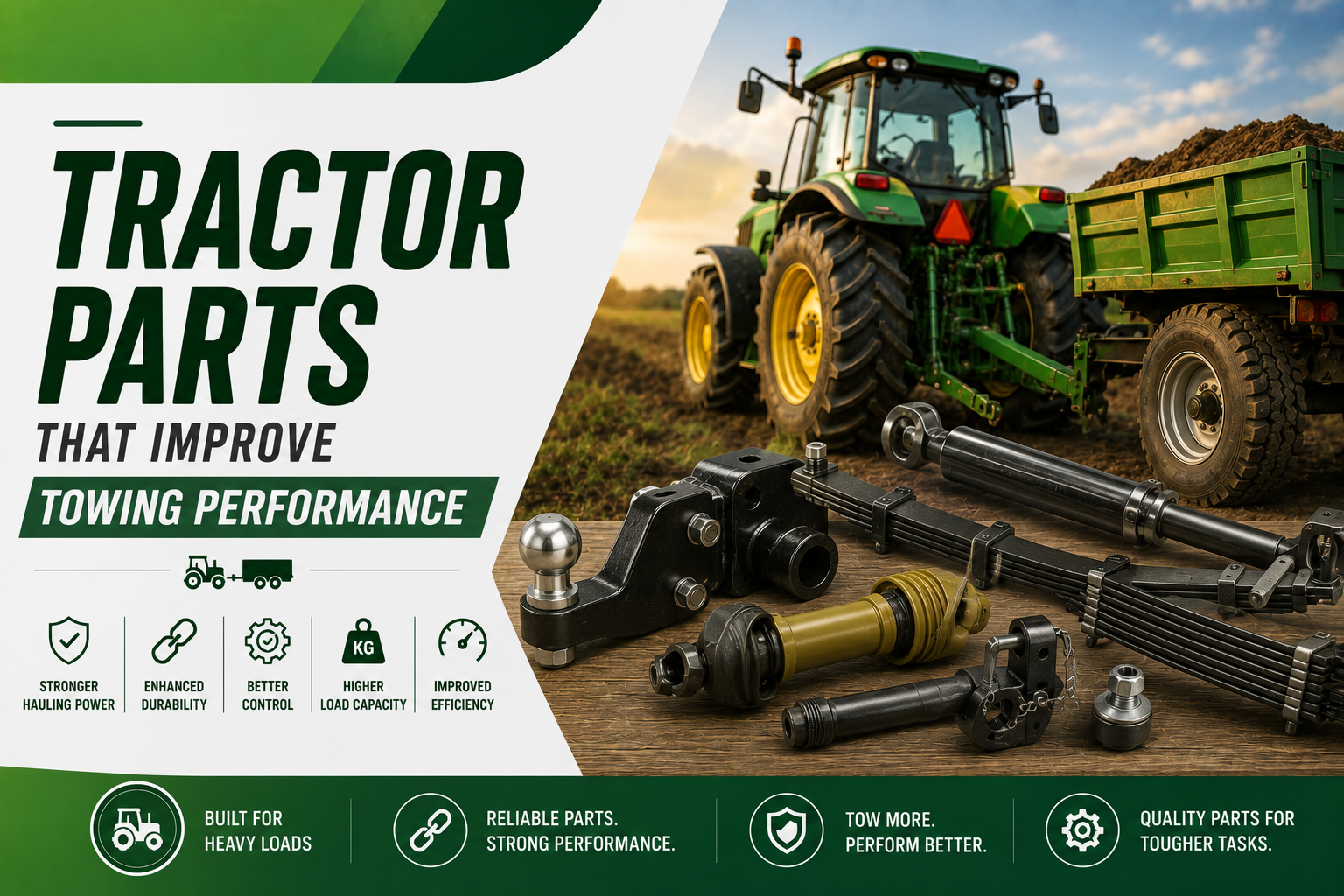
Tractors are used for much more than field preparation and crop cultivation. Many farmers also depend on them for towing trailers, carts, harvest equipment, water tanks, and other heavy loads. Whether transporting crops from the field, carrying fertiliser, or moving farm materials, towing performance is an important part of daily tractor work.
A tractor may have a powerful engine, but engine power alone does not determine how effectively it can tow. The condition of the clutch, transmission, tyres, rear axle, differential, brakes, and other related components plays a major role in how smoothly and safely a tractor pulls a load.
When important tractor parts become worn, towing performance can reduce significantly. The tractor may struggle to move heavy loads, consume more fuel, or experience excessive stress on the engine and drivetrain. Choosing quality tractor spare parts and maintaining them properly can help improve pulling performance and reduce the risk of breakdowns.
Why Towing Performance Depends on More Than Engine Power
Engine horsepower provides the energy needed to move a tractor, but that power must be transferred efficiently to the wheels.
During towing, several systems work together. The engine generates power, the clutch transfers it, the gearbox selects the correct speed and torque, and the rear axle and tyres deliver traction to the ground.
If any one of these systems is weak, the tractor may not be able to use its full power effectively.
For example, a worn clutch can cause power loss, while poor tyre traction can cause wheel spinning. Similarly, damaged transmission components can prevent smooth power transfer.
This is why the condition of tractor parts is essential for maintaining strong towing performance.
Clutch Components Support Smooth Power Transfer
The clutch is one of the most important components for towing. It connects the engine to the transmission and allows power to be transferred smoothly.
When towing heavy loads, the clutch experiences significant stress, especially during starting and moving uphill.
Worn clutch components can cause:
Clutch slipping
Reduced pulling power
Burning smell
Difficulty starting with heavy loads
A worn clutch may allow the engine to run normally, but the power may not reach the wheels efficiently.
Replacing worn clutch plates, pressure plates, and related components helps restore proper power transfer and improves the tractor's ability to handle heavy towing work.
Transmission Parts Control Pulling Power
The gearbox plays a major role in towing performance because it controls the relationship between speed and pulling power.
Lower gears provide greater torque, which is important when moving heavy loads. If the transmission is worn or damaged, power delivery may become inefficient.
Common transmission problems include:
Difficult gear shifting
Unusual noises
Gear slipping
Reduced pulling performance
Quality gears, shafts, bearings, and other transmission components help ensure that engine power is transferred efficiently to the wheels.
Properly maintained transmission parts also reduce stress on the engine and improve overall tractor performance.
Rear Axle Components Deliver Power to the Wheels
The rear axle is responsible for transferring power from the transmission to the tractor's rear wheels.
Because towing places heavy loads on the drivetrain, rear axle components must be strong and properly maintained.
Important components include:
Axle shafts
Bearings
Gears
Seals
Worn or damaged axle parts can create noise, vibration, and reduced power transfer.
Quality replacement parts help maintain smooth power delivery and reduce the risk of axle failure during demanding towing operations.
Differential Components Improve Traction
The differential allows the tractor's wheels to rotate at different speeds while turning. It also helps distribute power between the wheels.
During towing, especially on uneven or slippery ground, the differential plays an important role in maintaining traction.
If differential components become worn, the tractor may experience:
Uneven power delivery
Excessive noise
Reduced traction
Difficulty pulling heavy loads
A properly functioning differential helps ensure that available engine power is used effectively.
Tyres Are Essential for Towing Grip
Even if the engine and transmission are working perfectly, poor tyre condition can reduce towing performance.
Tyres are responsible for transferring power to the ground. Worn tread, incorrect tyre pressure, or damaged tyres can cause wheel slippage.
This results in:
Reduced pulling power
Higher fuel consumption
Increased tyre wear
Poor stability
Choosing the correct agricultural tyres and maintaining proper air pressure can significantly improve traction.
Farmers should regularly inspect tyres for uneven wear, cuts, cracks, and damage.
The Importance of Proper Tyre Pressure
Tyre pressure has a direct impact on towing performance.
Overinflated tyres may provide less grip on soft soil, while underinflated tyres can increase rolling resistance and cause excessive wear.
Correct tyre pressure helps maintain:
Better traction
Improved stability
Reduced fuel consumption
Longer tyre life
Farmers should follow the recommended pressure for their tractor and the type of work being performed.
Engine Components Affect Towing Strength
The engine must generate sufficient power to pull heavy loads. If engine components are worn, towing performance may reduce.
Problems with pistons, liners, fuel injectors, air filters, or fuel filters can affect engine power output.
Common signs of engine-related towing problems include:
Loss of power
Increased fuel consumption
Excessive smoke
Difficult starting
Maintaining clean filters and using quality engine components helps ensure the tractor can generate the power required for towing.
Hydraulic Components Support Towing Operations
Although the hydraulic system does not directly provide wheel power, it often supports towing operations by controlling trailers, loaders, and attached equipment.
Hydraulic systems may be used for:
Trailer tipping
Implement lifting
Attachment control
Weak hydraulic pumps, worn seals, or damaged hoses can affect the operation of attached equipment.
Quality hydraulic components help maintain reliable operation and reduce delays during transportation and material handling tasks.
Braking Parts Are Essential for Safe Towing
Improving towing performance is not only about increasing pulling power. The tractor must also be able to stop safely while carrying a heavy load.
The braking system becomes especially important when:
Moving downhill
Transporting heavy trailers
Operating on uneven roads
Worn brake components can reduce stopping performance and increase safety risks.
Regularly checking brake parts and replacing worn components helps ensure better control during towing operations.
PTO Components Can Affect Towing Equipment
Some towing tasks involve PTO-powered equipment. In these situations, PTO components must transfer power smoothly and reliably.
Worn PTO shafts, bearings, or couplings may cause:
Vibration
Noise
Reduced power transfer
Properly maintained PTO components help ensure efficient operation of connected equipment.
Why Quality Spare Parts Improve Towing Performance
The quality of replacement parts has a direct effect on tractor performance.
Low-quality components may wear out quickly under heavy towing conditions and can damage connected systems.
Reliable tractor spare parts from Gropart are designed to support demanding agricultural operations and provide dependable performance. Quality components help improve power transfer, reduce wear, and minimize unexpected breakdowns.
Choosing durable parts is especially important for farmers who regularly use tractors for heavy transportation work.
Regular Maintenance Supports Better Pulling Power
Even the best tractor parts require regular maintenance.
Farmers should regularly:
Check clutch performance
Inspect transmission components
Maintain correct tyre pressure
Check axle and differential oil
Inspect brake systems
Lubricate moving components
Look for oil leaks
Regular maintenance helps identify problems before they affect towing performance.
Avoid Overloading the Tractor
Even a well-maintained tractor has operating limits. Excessive loads can place unnecessary stress on the engine, clutch, transmission, tyres, and brakes.
Overloading may lead to:
Faster component wear
Increased fuel consumption
Reduced stability
Higher breakdown risk
Always follow the recommended towing capacity of the tractor and trailer.
Conclusion
Towing performance depends on the combined condition of several tractor components. The clutch, transmission, rear axle, differential, tyres, engine, brakes, and hydraulic systems all contribute to efficient and safe towing.
Using worn or poor-quality parts can reduce pulling power, increase fuel consumption, and lead to unexpected breakdowns. Regular inspections and timely replacement of damaged components help maintain reliable performance.
By choosing quality tractor spare parts from Gropart and following proper maintenance practices, farmers can improve towing efficiency, reduce operating costs, and protect their tractors during demanding transportation work. A tractor with well-maintained components can deliver better pulling power, improved stability, and reliable performance whenever heavy loads need to be moved.
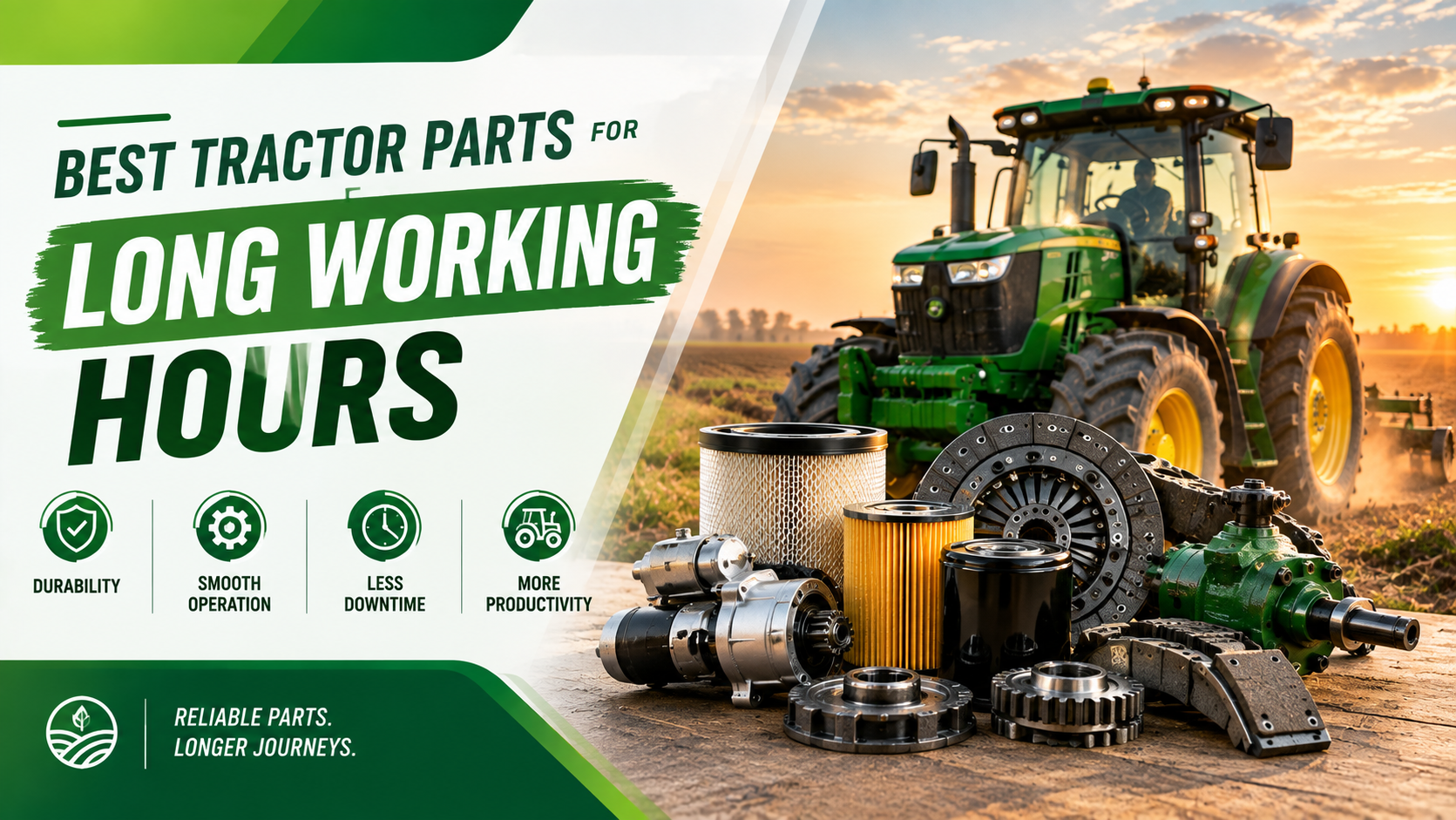
Discover the best tractor parts for long working hours, including engine filters, cooling components, belts, bearings, clutch, hydraulic, transmission parts, and tyres. Learn how quality tractor spare parts from Gropart, regular inspections, and timely replacement can help reduce...
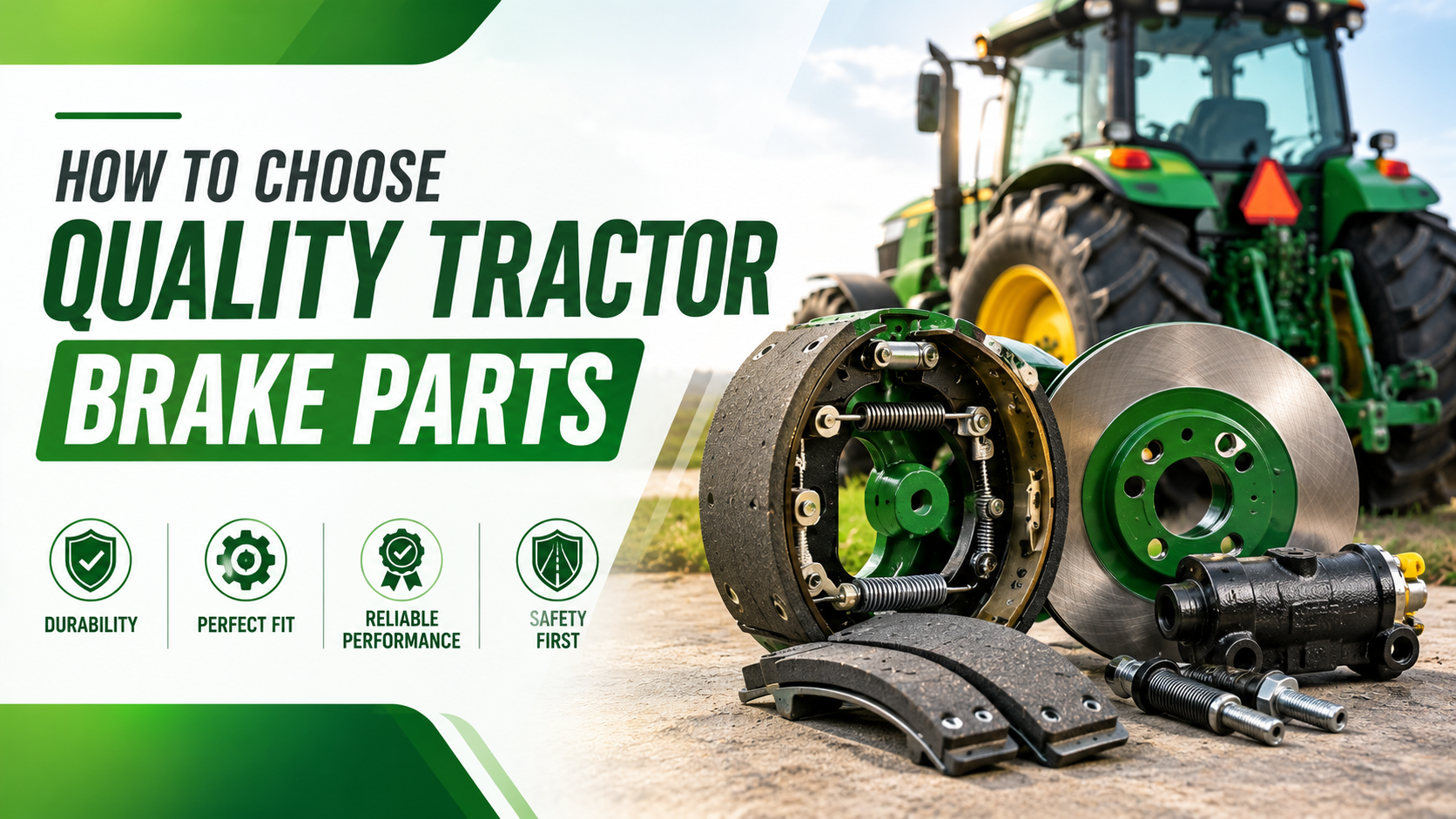
Learn how to choose quality tractor brake parts by checking fitment, brake type, material, durability, workload and supplier reliability for safer tractor performance.
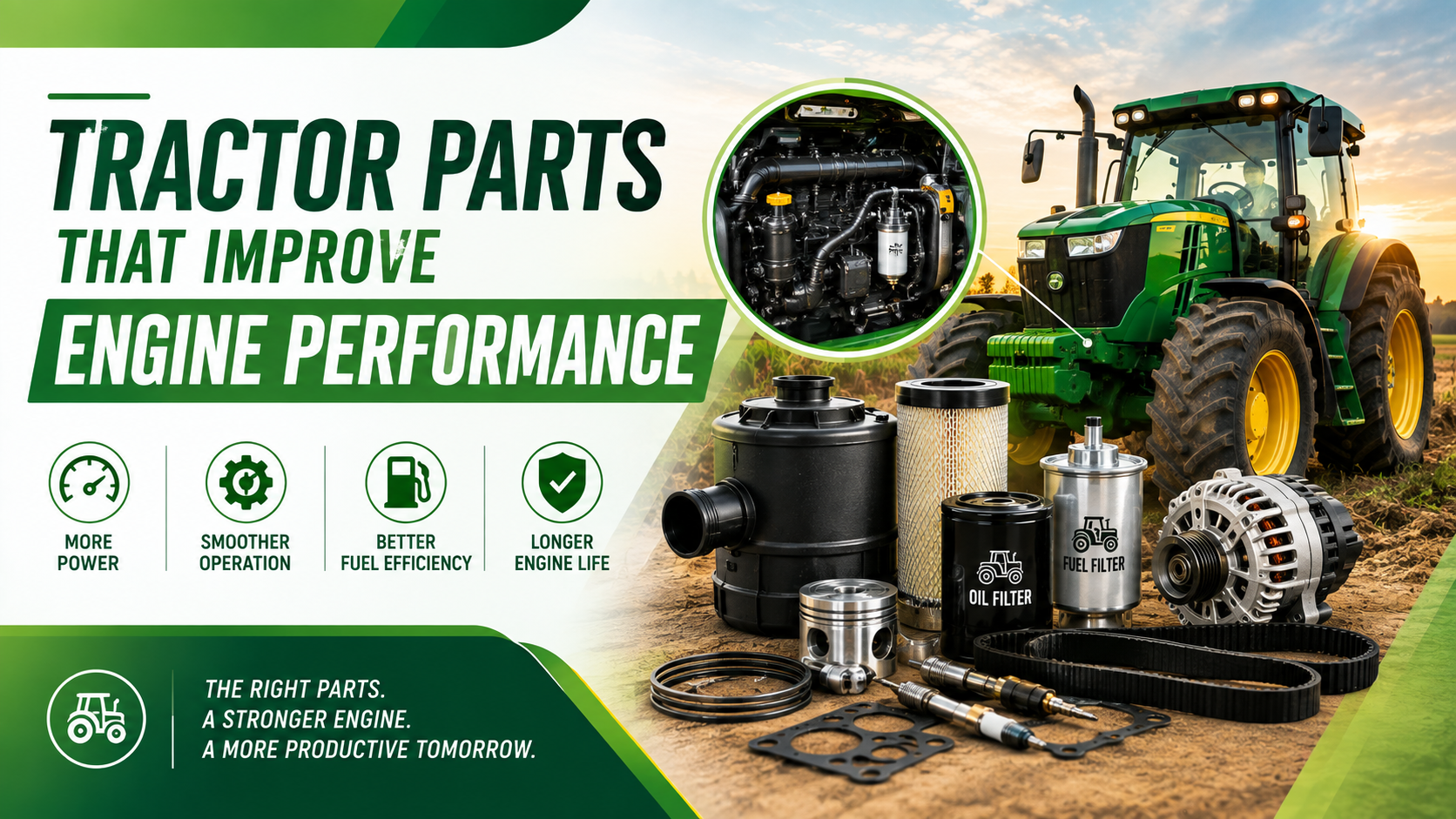
Discover tractor parts that improve engine performance, including air and fuel filters, injectors, belts, cooling components, seals, and other essential spare parts.
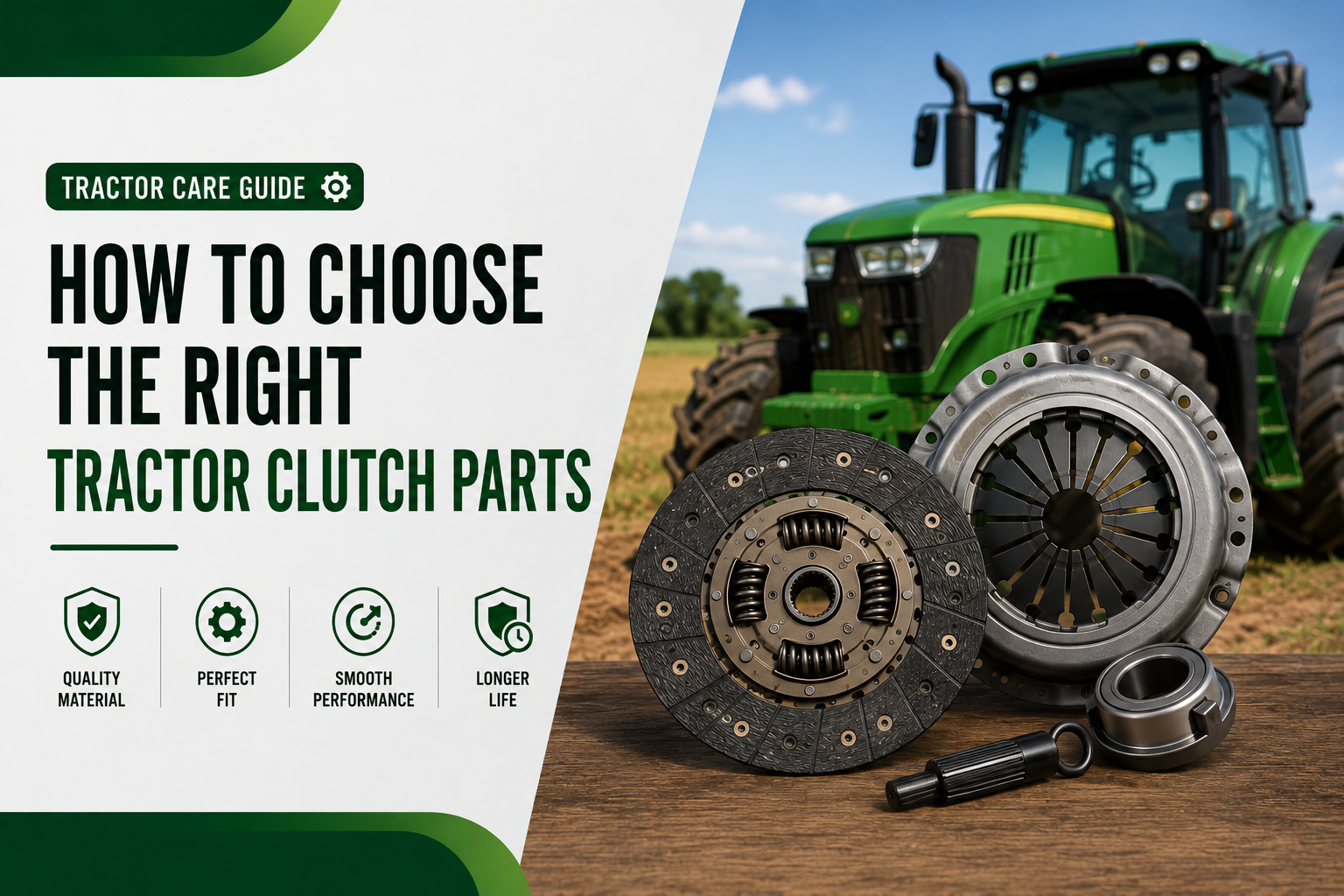
Learn how to choose the right tractor clutch parts by checking model, fitment, specifications, quality, working conditions, and compatibility for reliable performance.
 English