 English

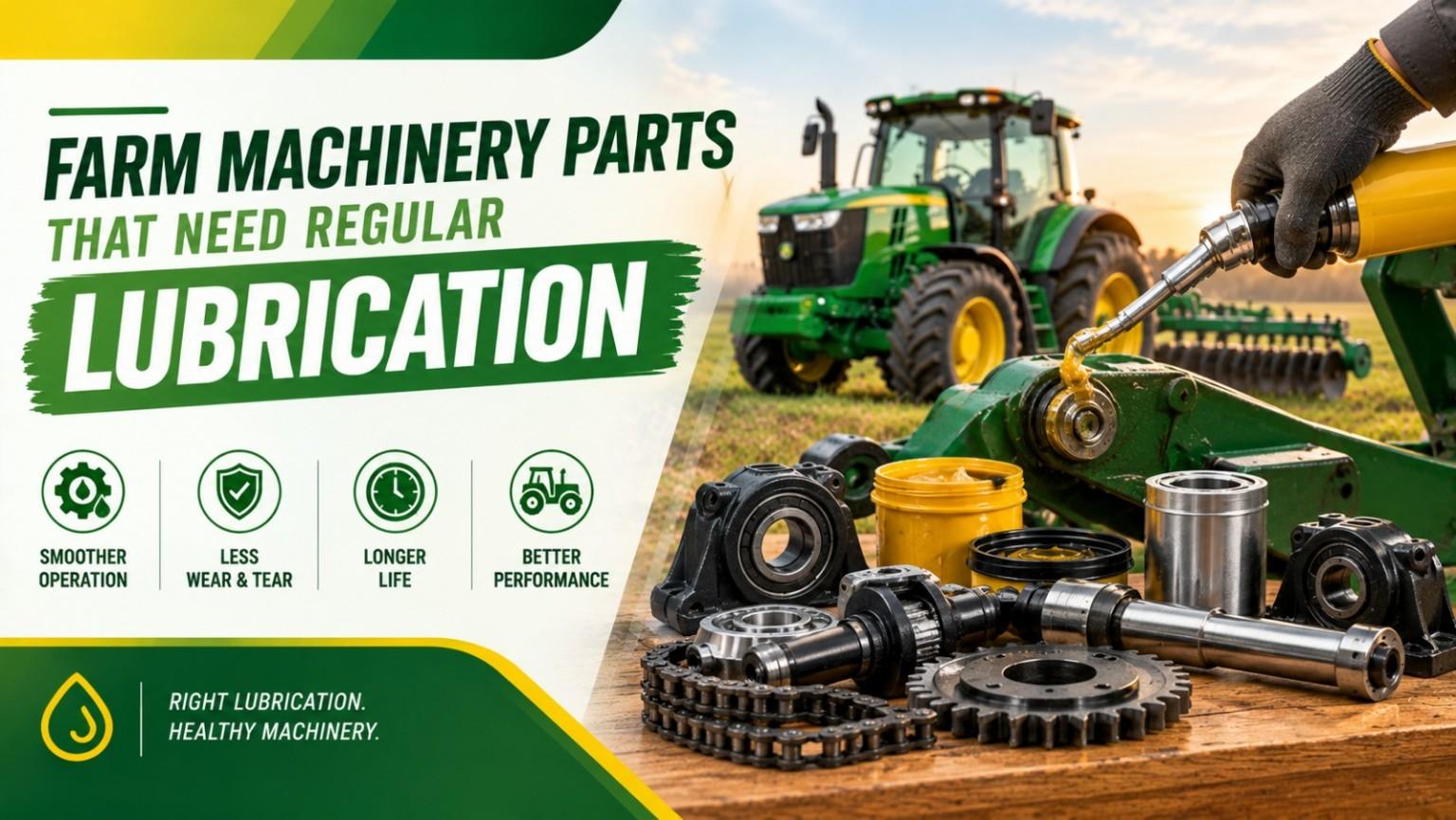
Learn which farm machinery parts need regular lubrication, including tractor bearings, PTO components, bushes, pins, chains, gears, wheel bearings and more.
COD उपलब्ध नहीं है। हम केवल प्रीपेड ऑर्डर में काम करते हैं और पूरे भारत में शिपिंग करते है. COD is not available. We work in prepaid orders only and shipping PAN India.
X
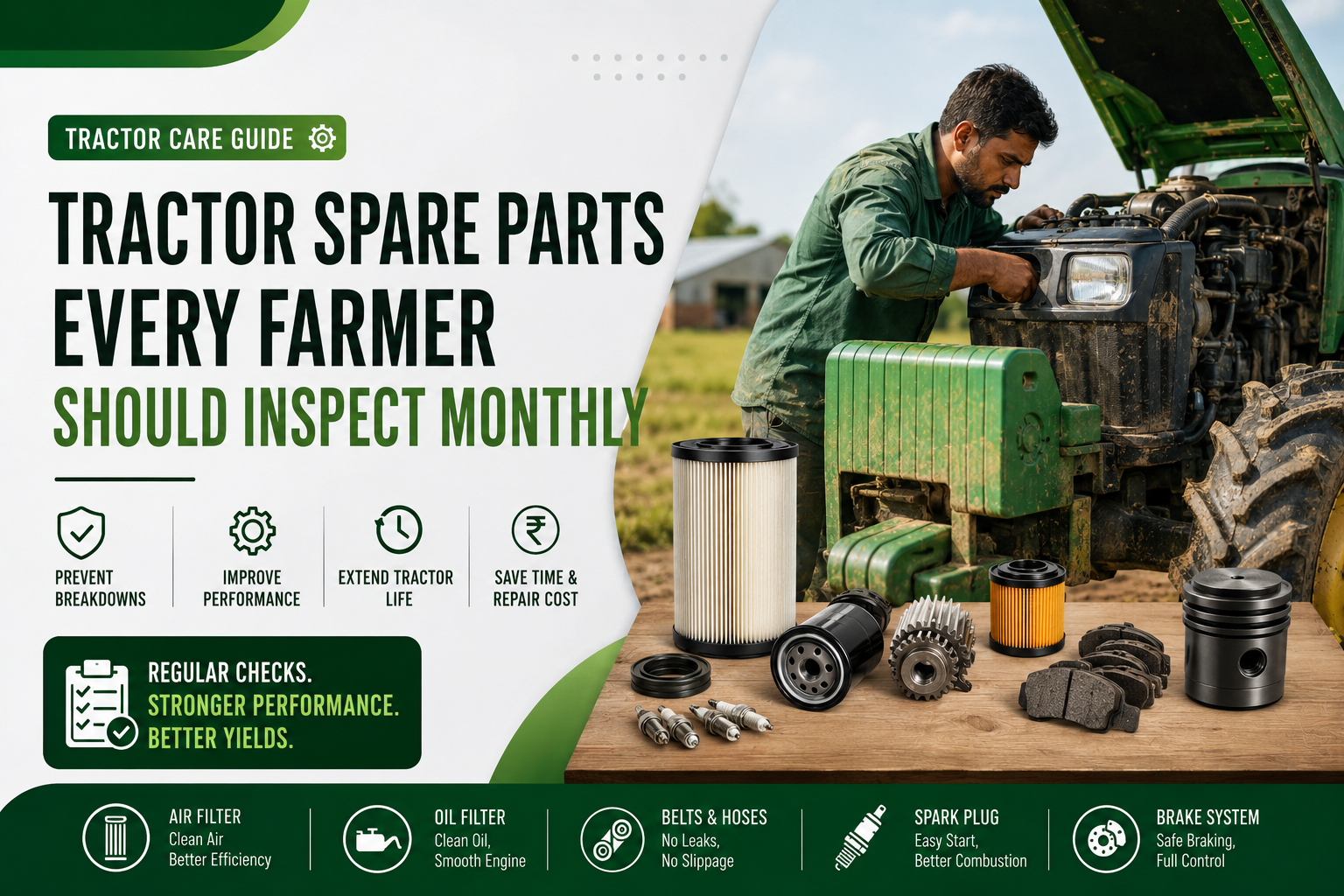
A tractor is one of the hardest-working machines on any farm. From preparing fields and transporting crops to operating various agricultural implements, tractors handle demanding tasks throughout the year. Because of this constant workload, many tractor parts experience regular wear and tear. Ignoring small issues can eventually lead to major breakdowns, costly repairs, and unwanted downtime during important farming activities.
Many farmers only inspect their tractors when a problem appears. However, waiting for a part to fail is often more expensive than identifying wear early. A simple monthly inspection routine can help detect problems before they become serious and keep the tractor running efficiently.
Regular checks not only improve machine reliability but also help extend the life of expensive components. By inspecting a few critical Quality spare parts every month, farmers can reduce maintenance costs and avoid interruptions during busy farming seasons.
Every tractor operates under different conditions. Some work in dusty fields, while others spend long hours pulling heavy loads or operating hydraulic implements. These conditions gradually affect important components even if the tractor appears to be running normally.
Monthly inspections allow farmers to spot early signs of wear, leaks, damage, or reduced performance. Fixing a small problem today is usually much cheaper than repairing a major failure later.
A monthly maintenance routine also improves safety and helps ensure that the tractor remains ready for daily work whenever needed.
One of the first components that should be inspected every month is the air filter. Tractors often operate in dusty environments where large amounts of dirt and debris can enter the air intake system.
The air filter prevents these particles from reaching the engine. When it becomes clogged, airflow decreases and engine performance begins to suffer.
A dirty air filter can lead to:
Cleaning or replacing the air filter when necessary helps maintain proper engine efficiency and protects internal components from damage.
Engine oil keeps moving engine parts lubricated and protected. However, the oil filter is equally important because it removes contaminants from the oil before they circulate through the engine.
Over time, oil filters become clogged and less effective. A blocked filter can reduce oil flow and increase engine wear.
Inspecting the oil filter monthly helps ensure the engine continues to receive clean lubrication and performs efficiently during daily operations.
Fuel quality can vary depending on storage conditions and operating environments. Dirt, water, and contaminants can enter the fuel system and affect engine performance.
Fuel filters are designed to trap these impurities before they reach sensitive components such as injectors and fuel pumps.
Signs of a fuel filter problem may include:
Monthly inspection of fuel filters helps maintain reliable fuel delivery and prevents expensive fuel system repairs.
Hydraulic systems play a major role in modern farming equipment. They are responsible for lifting implements, controlling attachments, and operating various agricultural tools.
Hydraulic hoses and seals should be checked every month for signs of wear, cracking, or leakage.
Even a small hydraulic leak can reduce system efficiency and eventually lead to larger problems.
Look for:
Addressing these issues early helps maintain lifting power and reduces the risk of hydraulic failure.
Belts drive important systems such as cooling fans, alternators, and water pumps. Because they operate continuously, belts naturally wear out over time.
Monthly inspection helps identify:
A damaged belt can break unexpectedly and cause immediate downtime. Replacing worn belts before failure is a simple way to avoid unnecessary interruptions.
The battery powers the starting system and supports various electrical components. Many battery problems develop gradually and can often be detected during routine inspections.
Farmers should check:
Clean and secure battery connections help ensure reliable starting performance throughout the year.
Tyres directly affect traction, fuel efficiency, and overall tractor performance. Monthly tyre inspections can reveal problems before they become expensive replacements.
Check for:
Proper tyre maintenance not only improves performance but also helps reduce fuel consumption and improve operator safety.
Wheel nuts and wheel bearings should also be inspected regularly to ensure safe operation.
The cooling system protects the engine from overheating. During heavy workloads, it works continuously to maintain safe operating temperatures.
Monthly inspections should include:
A small cooling system problem can quickly become a major engine repair if ignored. Regular inspections help prevent overheating and support long-term engine health.
The Power Take-Off (PTO) system transfers engine power to implements such as rotavators, threshers, and balers.
Because PTO components operate under heavy loads, they should be inspected frequently for signs of wear.
Look for:
Keeping PTO parts in good condition ensures efficient power transfer and reduces the risk of implement failure.
Bearings and bushes are found throughout the tractor and play an important role in reducing friction between moving parts.
Over time, these components can wear out due to heavy loads, dust, and insufficient lubrication.
Common signs of wear include:
Monthly inspections help identify worn bearings before they cause damage to larger assemblies.
Safe tractor operation depends on reliable steering and braking systems. Small problems in these systems can become serious safety concerns if not addressed promptly.
Inspect steering and brake components for:
Regular inspections improve both safety and operator confidence during field and road operations.
Rust is often overlooked until it becomes severe. Moisture, fertilizers, and chemicals can gradually damage metal surfaces and weaken important components.
Monthly inspections should include checking:
Removing rust early and protecting exposed surfaces helps extend the life of the tractor.
Even with proper maintenance, some parts eventually need replacement. Choosing quality spare parts is important for maintaining performance and reliability.
Low-quality components may wear out quickly and increase maintenance costs over time. Reliable spare parts from Gropart are designed to withstand demanding agricultural conditions and support long-term machine performance.
Using dependable replacement parts helps reduce breakdowns and keeps the tractor working efficiently throughout the farming season.
Monthly tractor inspections do not require advanced tools or extensive mechanical knowledge. A simple routine that focuses on critical components can make a significant difference.
Areas that should be checked every month include:
Spending a small amount of time on inspections each month can prevent major repairs later.
Regular monthly inspections are one of the most effective ways to keep a tractor reliable, efficient, and ready for daily farm work. Components such as filters, belts, hydraulic hoses, tyres, bearings, and PTO parts experience continuous wear and should never be ignored.
By identifying problems early, farmers can reduce maintenance costs, improve safety, and avoid unexpected downtime during important agricultural operations. A proactive maintenance approach not only protects the tractor but also helps improve productivity throughout the year.
Combining regular inspections with high-quality spare parts from Gropart allows farmers to get the best performance from their equipment while extending the life of critical components. A few minutes of maintenance each month can save significant time, money, and effort in the future.
Learn which farm machinery parts need regular lubrication, including tractor bearings, PTO components, bushes, pins, chains, gears, wheel bearings and more.
Learn which farm machinery parts need regular lubrication, including tractor bearings, PTO components, bushes, pins, chains, gears, wheel bearings and more.
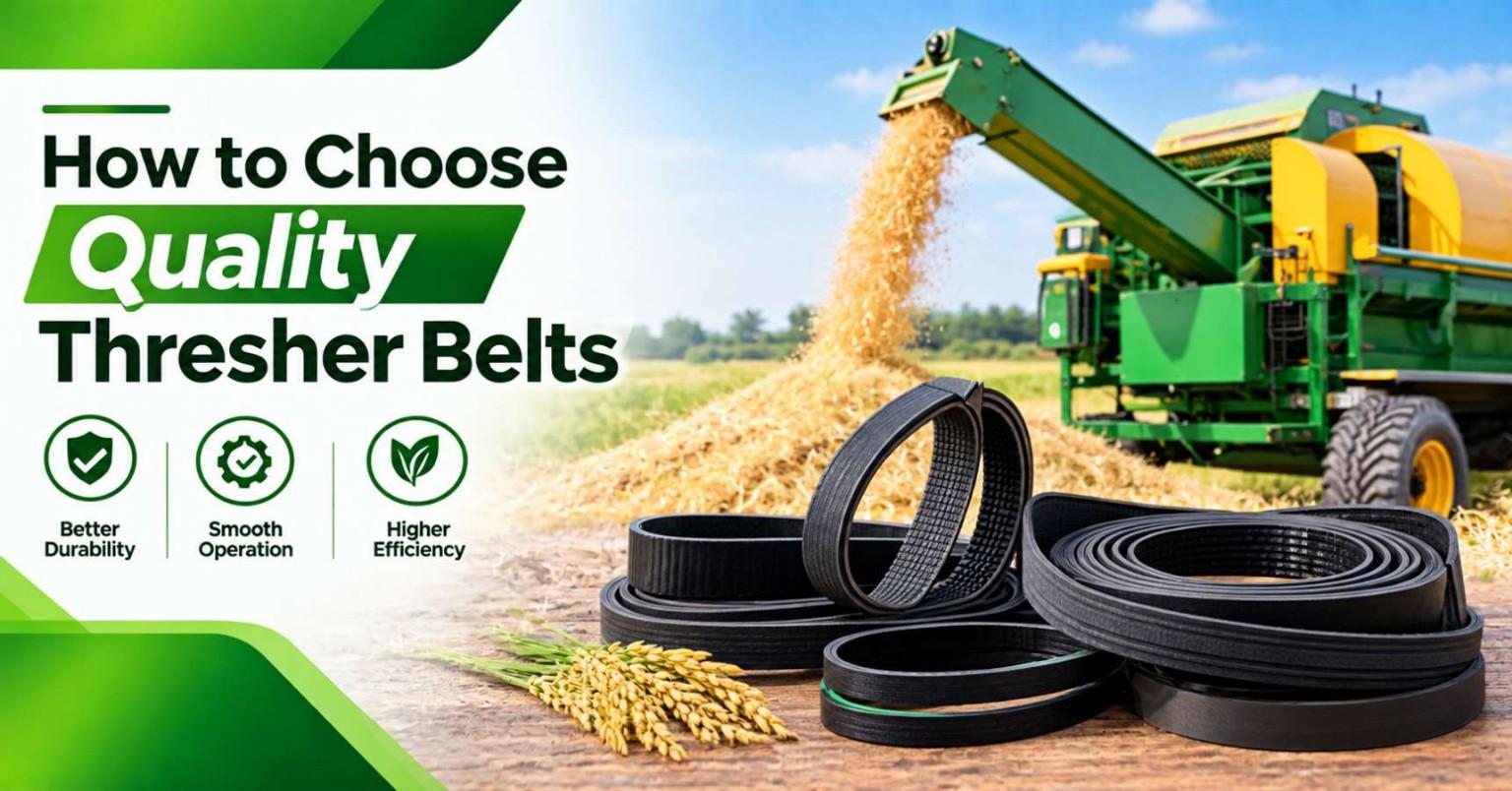
Learn how to choose quality thresher belts by checking size, profile, construction, load, heat resistance, compatibility, tension and belt wear.
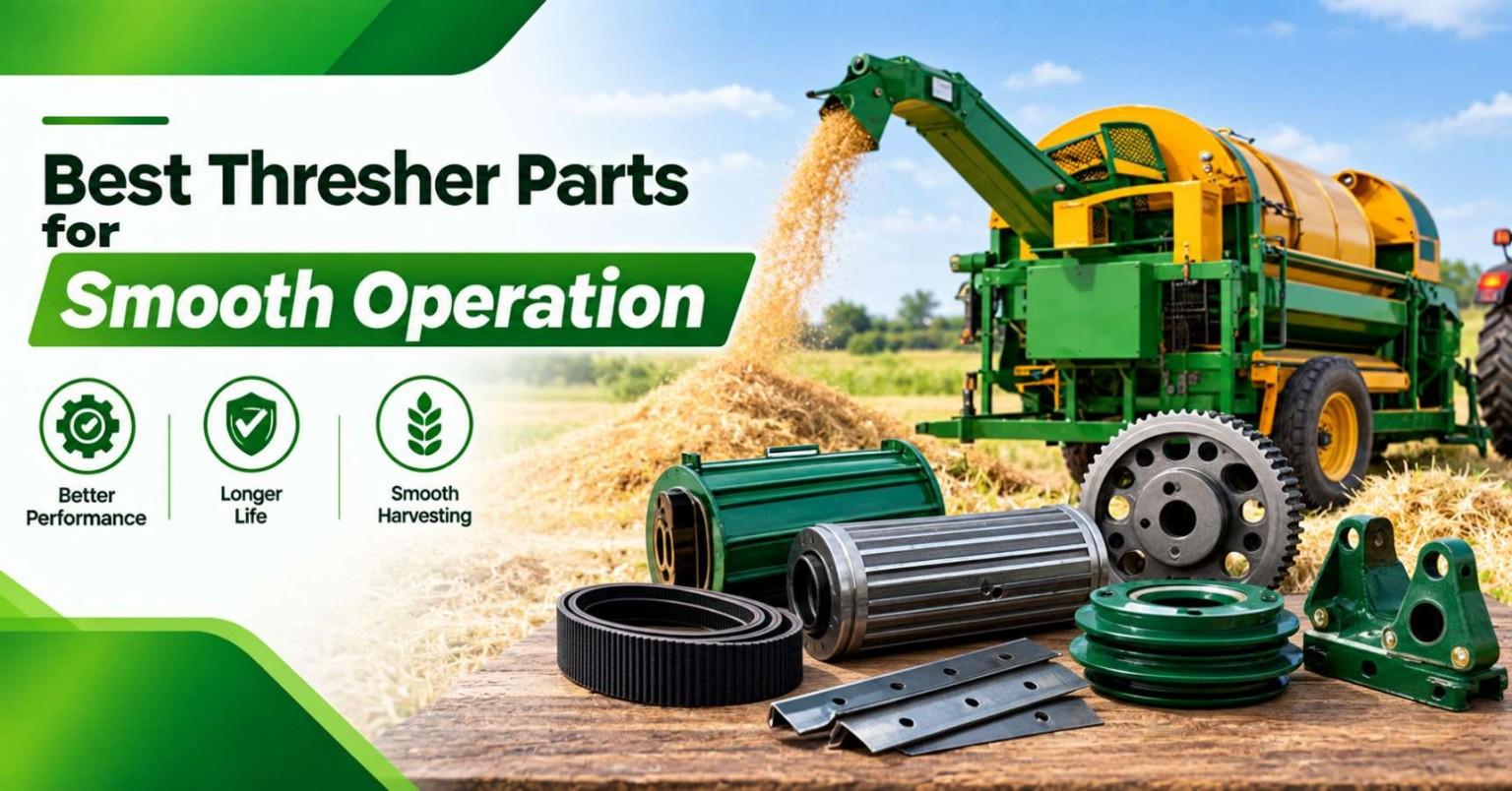
Learn about essential thresher spare parts including drums, beaters, bearings, belts, pulleys, shafts, sieves and filters for smooth machine operation