 English


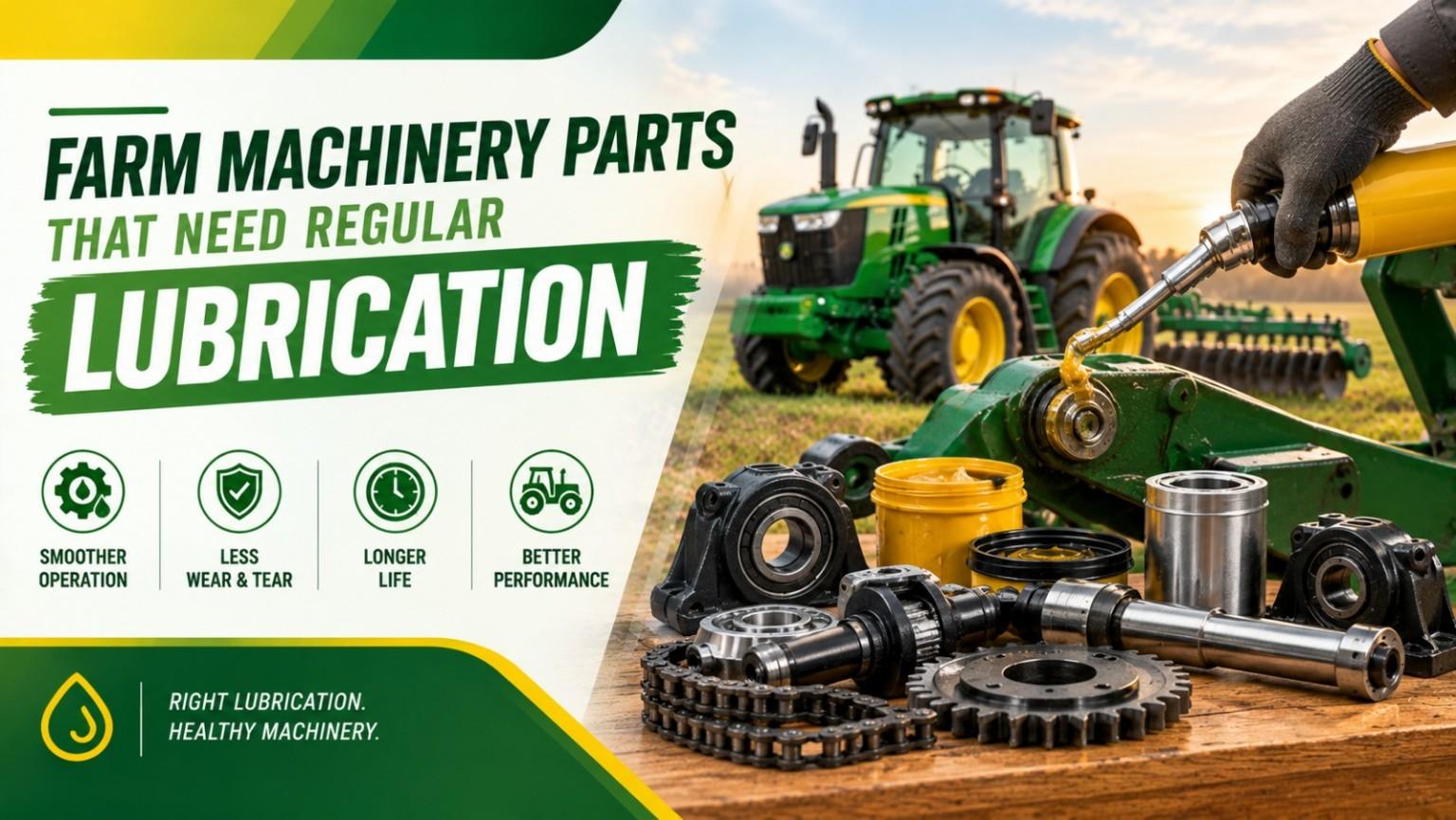
Learn which farm machinery parts need regular lubrication, including tractor bearings, PTO components, bushes, pins, chains, gears, wheel bearings and more.
COD उपलब्ध नहीं है। हम केवल प्रीपेड ऑर्डर में काम करते हैं और पूरे भारत में शिपिंग करते है. COD is not available. We work in prepaid orders only and shipping PAN India.
X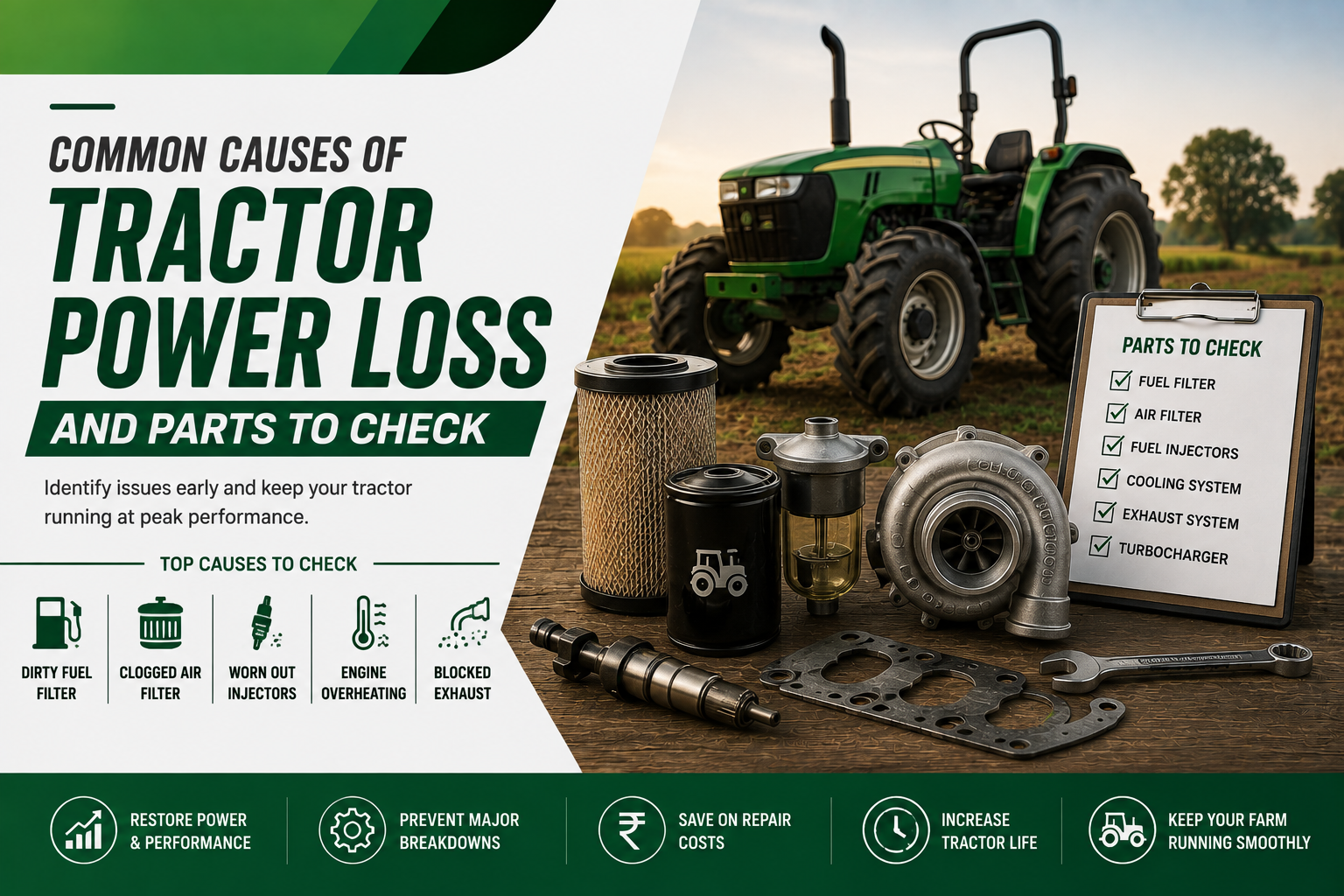
A tractor needs consistent power to perform demanding agricultural work. Whether it is pulling a plough, operating a rotavator, transporting heavy loads, or working with different implements, the engine and supporting systems must work together properly. When a tractor suddenly feels weak or struggles to complete tasks that it once handled easily, power loss may be the reason.
Tractor power loss is a common problem, especially in machines that work for long hours under heavy loads. However, reduced power should not be ignored. It may be caused by a simple issue such as a blocked filter, or it could indicate a more serious problem with the engine, fuel system, clutch, transmission, or other important components.
Finding the cause early can prevent additional damage and expensive repairs. By checking the right tractor parts, farmers and mechanics can identify problems more quickly and restore the machine's performance.
Tractor power loss occurs when the machine is unable to produce or transfer the same level of power as before.
A tractor experiencing power loss may:
Power loss can occur gradually or appear suddenly. The symptoms often provide useful clues about which system may be affected.
The engine needs a steady supply of clean air for proper combustion. The air filter removes dust and dirt before air enters the engine.
When the air filter becomes clogged, the engine may not receive enough air. This affects the air-fuel mixture and can reduce engine performance.
A blocked air filter may cause:
Tractors often work in dusty agricultural environments, so air filters require regular inspection and cleaning or replacement.
Replacing a severely clogged filter can sometimes restore engine performance quickly.
The fuel filter protects the engine's fuel system from dirt and contaminants.
Over time, the filter may become blocked, restricting the flow of fuel to the engine.
When the engine does not receive enough fuel, it may struggle under load and lose power.
Common signs of a blocked fuel filter include:
Replacing the fuel filter at the recommended interval helps maintain proper fuel flow and engine efficiency.
Fuel injectors deliver fuel into the engine in a controlled manner. If injectors become dirty, damaged, or worn, fuel may not be delivered properly.
Poor injector performance can affect combustion and reduce engine power.
Possible symptoms include:
If cleaning does not solve the problem, replacement or professional inspection may be required.
The fuel pump is responsible for supplying fuel to the engine at the required pressure.
A weak or damaged fuel pump may not provide sufficient fuel during heavy work.
This can cause the tractor to perform normally during light operations but lose power when additional load is applied.
Checking the fuel pump is important when other fuel system components appear to be working correctly.
Engine compression is essential for efficient combustion. Worn internal components can reduce compression over time.
Components that may contribute to compression loss include:
Low compression can result in poor power output, difficult starting, and increased smoke.
A compression test can help identify whether internal engine wear is causing power loss.
Long-term use and heavy workloads can gradually wear engine components.
Worn pistons, rings, liners, bearings, and other internal parts can reduce the engine's ability to generate power.
Other warning signs may include:
When engine wear is significant, replacing damaged components with quality engine spare parts can help restore performance.
Sometimes the engine is producing power, but the tractor is unable to transfer that power efficiently to the wheels.
A worn clutch is a common reason for this problem.
When the clutch slips, the engine speed may increase while the tractor fails to gain speed or pulling power.
Common signs include:
Worn clutch plates, pressure plates, and related components may need replacement.
The transmission controls how engine power is delivered to the wheels.
Worn gears, bearings, shafts, or other transmission components can reduce power transfer and affect tractor performance.
Transmission-related power loss may be accompanied by:
Proper inspection is necessary to determine which components require attention.
A tractor may feel weak during operations that depend on hydraulic power.
If the hydraulic pump is worn or hydraulic oil flow is restricted, the tractor may experience:
Hydraulic filters, pumps, seals, and valves should be inspected when hydraulic functions become slow or weak.
Fuel quality can also affect tractor performance.
Contaminated fuel may contain water, dirt, or other particles that affect the fuel system and combustion process.
Using clean fuel and maintaining the fuel system helps protect injectors, pumps, and engine components.
The engine must be able to release exhaust gases efficiently. A blocked or restricted exhaust system can affect engine performance.
Excessive carbon deposits or other obstructions may reduce engine efficiency and cause power loss.
If the tractor produces unusual exhaust symptoms, the exhaust system should be inspected.
When an engine becomes too hot, performance may decrease.
Overheating can be caused by:
Operating a tractor while it is overheating can cause serious engine damage.
Cooling system components should be checked regularly, especially before heavy seasonal work.
Sometimes power loss is not caused by a faulty tractor part. The implement being used may simply be too large or heavy for the tractor.
Using equipment beyond the tractor's recommended capacity places excessive stress on the engine and drivetrain.
Matching implements to the tractor's capacity helps maintain better performance and reduces unnecessary wear.
When worn or damaged components need replacement, part quality has a direct impact on tractor performance.
Low-quality components may fail quickly and cause repeated power problems.
Reliable tractor spare parts from Gropart are designed to support demanding agricultural applications and help maintain dependable machine performance.
Using quality filters, engine components, clutch parts, hydraulic parts, and other replacement components can help reduce breakdowns and improve long-term reliability.
Tractor power loss can have many causes, ranging from blocked filters and fuel system problems to worn engine components, clutch issues, transmission wear, and hydraulic system faults. Identifying the problem early is important because continued operation with reduced power may cause additional damage.
Farmers and mechanics should pay attention to symptoms such as reduced pulling power, increased fuel consumption, smoke, unusual noises, and slow hydraulic performance. Checking the right components can help identify the cause and prevent unnecessary repair expenses.
Regular maintenance and timely replacement of worn parts are essential for keeping a tractor productive. By using properly fitted, quality spare parts from Gropart and maintaining important systems regularly, farmers can restore performance, reduce downtime, and keep their tractors ready for demanding agricultural work.
Learn which farm machinery parts need regular lubrication, including tractor bearings, PTO components, bushes, pins, chains, gears, wheel bearings and more.
Learn which farm machinery parts need regular lubrication, including tractor bearings, PTO components, bushes, pins, chains, gears, wheel bearings and more.
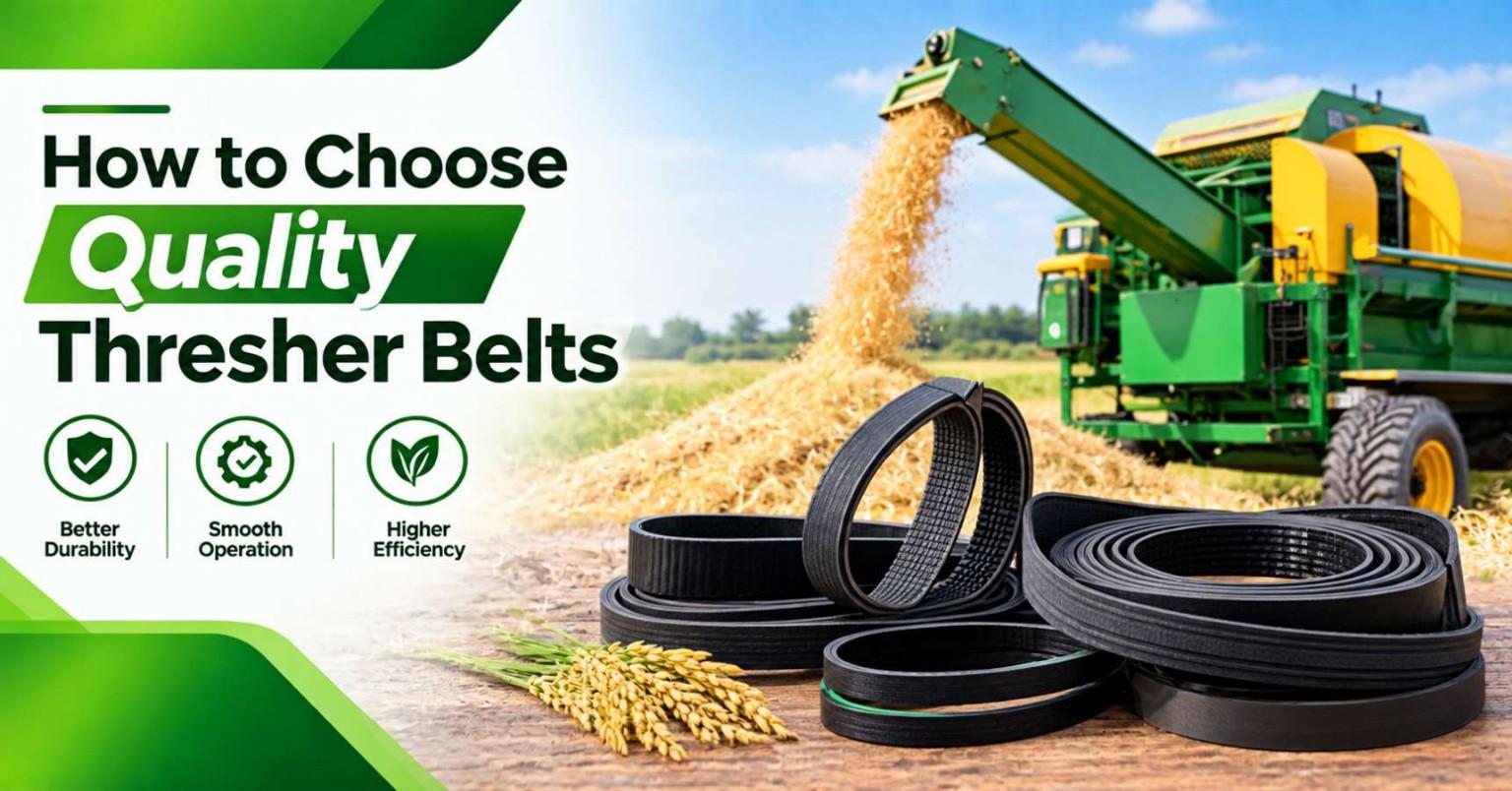
Learn how to choose quality thresher belts by checking size, profile, construction, load, heat resistance, compatibility, tension and belt wear.
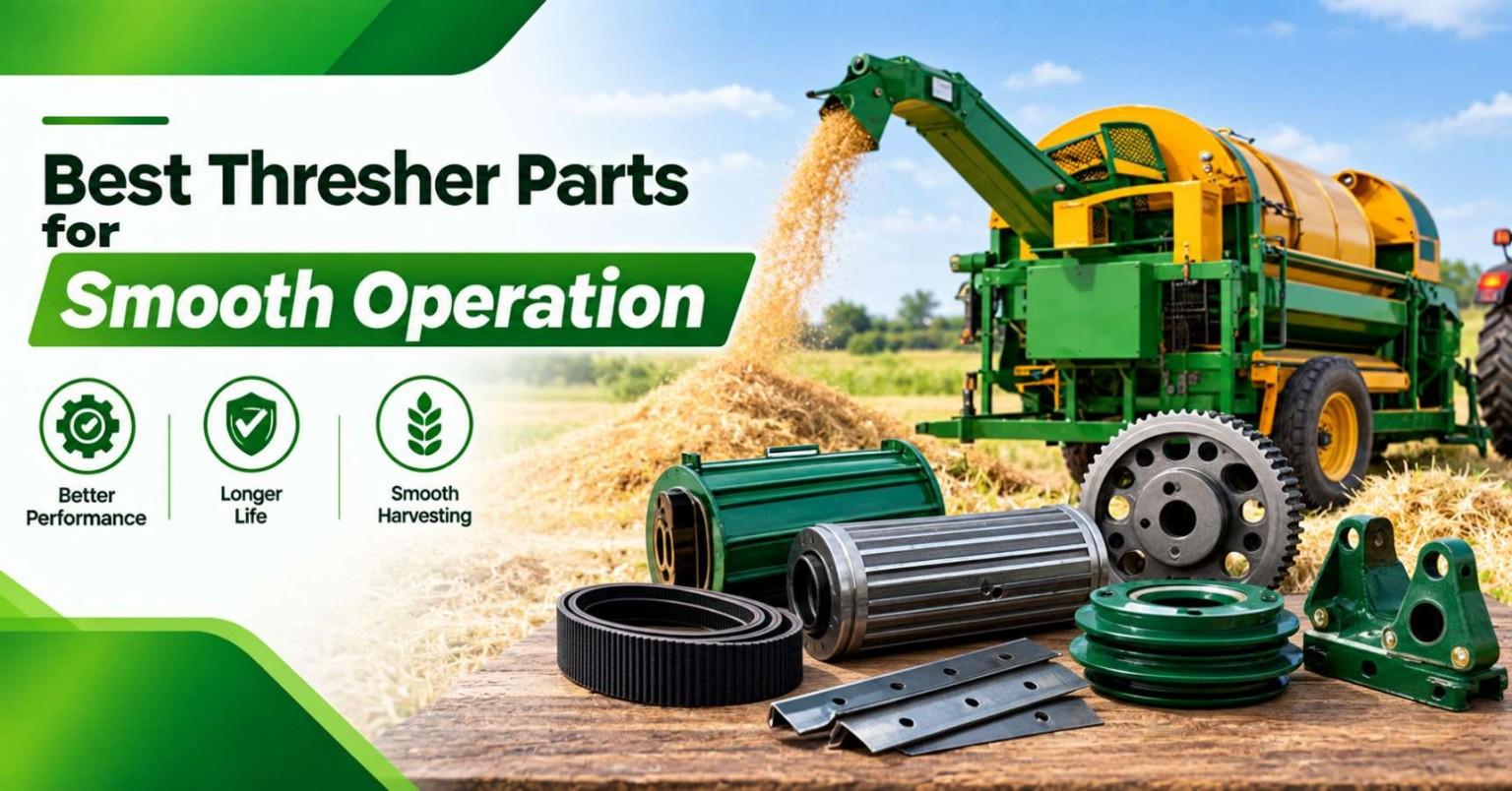
Learn about essential thresher spare parts including drums, beaters, bearings, belts, pulleys, shafts, sieves and filters for smooth machine operation