 English


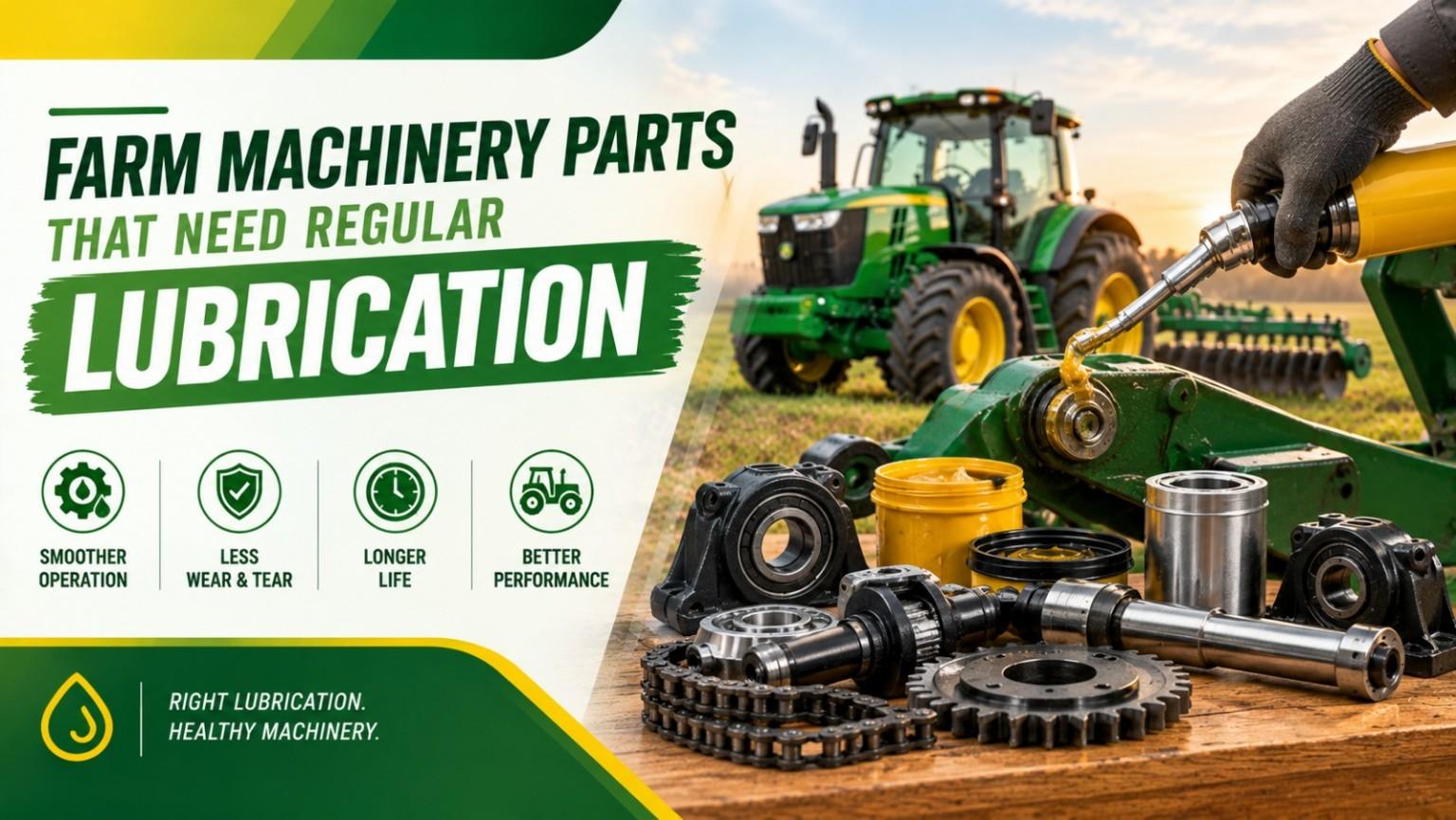
Learn which farm machinery parts need regular lubrication, including tractor bearings, PTO components, bushes, pins, chains, gears, wheel bearings and more.
COD उपलब्ध नहीं है। हम केवल प्रीपेड ऑर्डर में काम करते हैं और पूरे भारत में शिपिंग करते है. COD is not available. We work in prepaid orders only and shipping PAN India.
X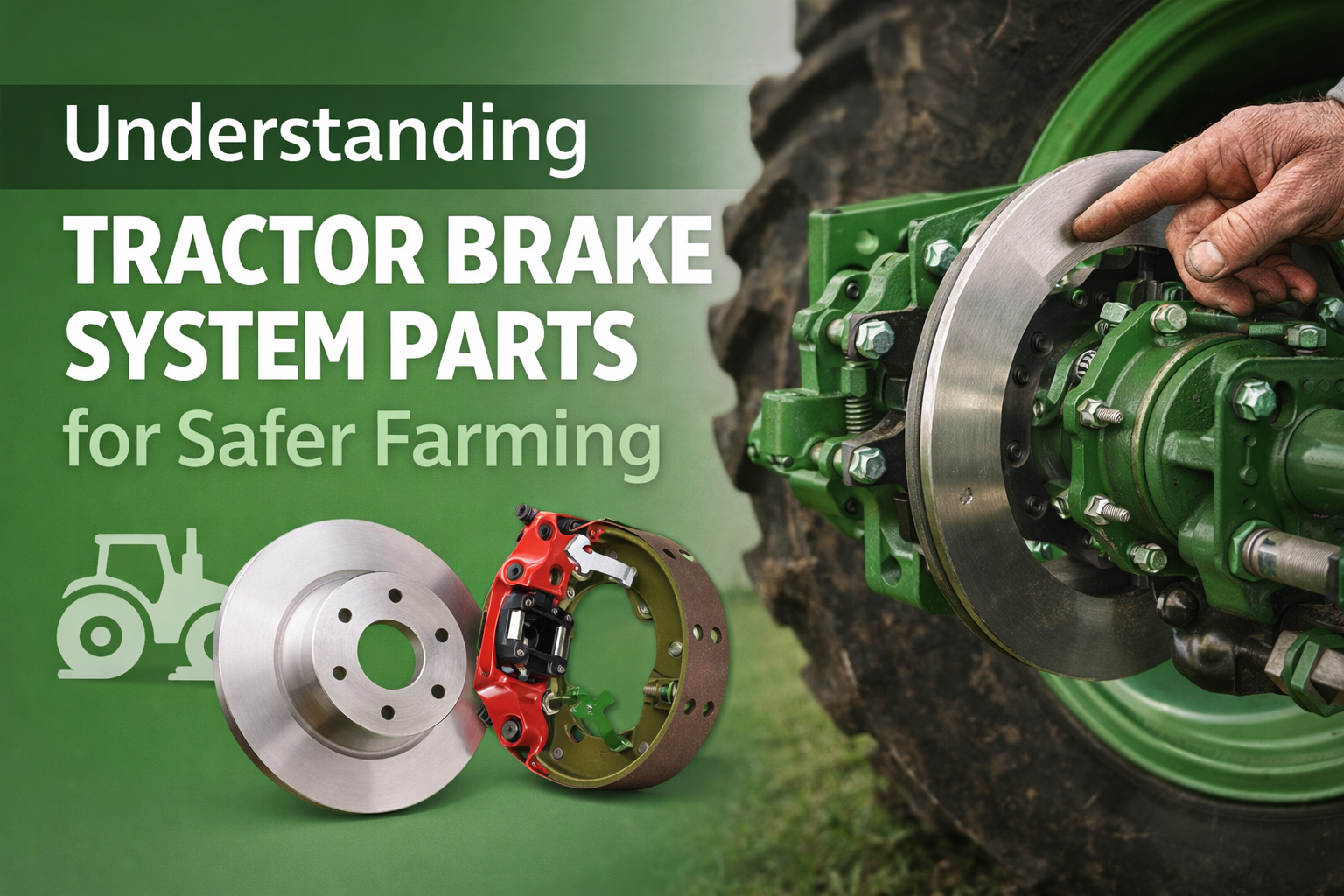
Safety is one of the most important aspects of operating farm machinery. Tractors often work on uneven land, muddy fields, and rural roads while carrying heavy loads or pulling large implements. In these situations, the tractor brake system plays a critical role in keeping both the driver and the machine safe.
Many farmers focus mainly on the engine and transmission when maintaining their tractors, but the brake system deserves equal attention. Worn or poorly maintained brake components can lead to dangerous situations, especially when working on slopes or transporting heavy loads.
Understanding the main parts of the tractor brake system and how they function helps farmers maintain better control of their machines. In this guide, we explain the important brake system components, common issues, and how reliable spare parts from Gropart help maintain safe tractor operation.
The brake system allows the driver to slow down or stop the tractor safely. Without properly functioning brakes, it becomes difficult to control the tractor during field operations or transportation.
A good braking system helps:
Regular inspection and maintenance of brake parts ensure that the tractor responds quickly when the brakes are applied.
The tractor braking system is made up of several components that work together to control the machine’s movement. Each part plays an important role in stopping the tractor safely.
The brake pedal is the part that the driver presses to activate the braking system. Most tractors have two brake pedals that control the left and right wheels independently.
The brake pedal must move smoothly and return to its original position after use.
The brake disc or drum is the main component that creates friction to stop the wheels.
When the brake pedal is pressed, brake pads or shoes press against the disc or drum. This friction slows down the wheel rotation and eventually stops the tractor.
Over time, these components wear out due to constant friction.
Replacing worn brake discs or drums restores effective braking performance.
Brake shoes or pads are the friction materials that press against the brake drum or disc.
Because these parts experience continuous friction, they gradually become thinner with use.
Timely replacement of brake pads helps maintain safe stopping power.
The brake linkage connects the brake pedal to the braking mechanism. It transfers the driver’s input from the pedal to the brake components.
Regular inspection and adjustment of the brake linkage ensure that braking force is transmitted correctly.
Many modern tractors use hydraulic brake systems to improve braking performance.
Important hydraulic brake components include:
These components use hydraulic pressure to apply braking force evenly on the wheels.
Replacing damaged hydraulic components restores reliable braking performance.
Brake systems can develop several problems if not maintained properly.
This usually occurs when brake pads or shoes are worn out. Replacing them restores proper stopping power.
If the tractor moves toward one side while braking, it may indicate uneven brake wear or improper adjustment.
Grinding or squealing sounds often mean that brake components are worn or contaminated with dirt.
A loose brake pedal may indicate worn linkage parts or hydraulic system issues.
Routine maintenance helps keep the brake system in good condition.
Farmers should:
Proper maintenance ensures that braking performance remains reliable.
The brake system directly affects the safety of the tractor and the operator. Using low-quality spare parts can reduce braking efficiency and increase the risk of accidents.
Reliable spare parts from Gropart are designed to handle heavy farm workloads and provide consistent braking performance.
Quality brake components offer:
Using dependable spare parts helps farmers maintain safe and efficient tractor operation.
Farmers can improve brake performance and safety by following simple practices:
These practices help ensure reliable braking during everyday farming tasks.
The tractor brake system is a critical safety feature that allows farmers to control their machines effectively in the field and on the road. Important components such as brake pedals, discs or drums, brake pads, linkage systems, and hydraulic parts must all work together to provide reliable stopping power.
Understanding how these parts function and recognizing early signs of wear can help prevent accidents and costly repairs. Regular inspection, proper maintenance, and timely replacement of worn components ensure that the tractor remains safe and efficient.
Using reliable spare parts from Gropart helps farmers maintain strong braking performance and long-lasting durability. For safe and productive farming, taking care of the tractor brake system is just as important as maintaining the engine or transmission.
Learn which farm machinery parts need regular lubrication, including tractor bearings, PTO components, bushes, pins, chains, gears, wheel bearings and more.
Learn which farm machinery parts need regular lubrication, including tractor bearings, PTO components, bushes, pins, chains, gears, wheel bearings and more.
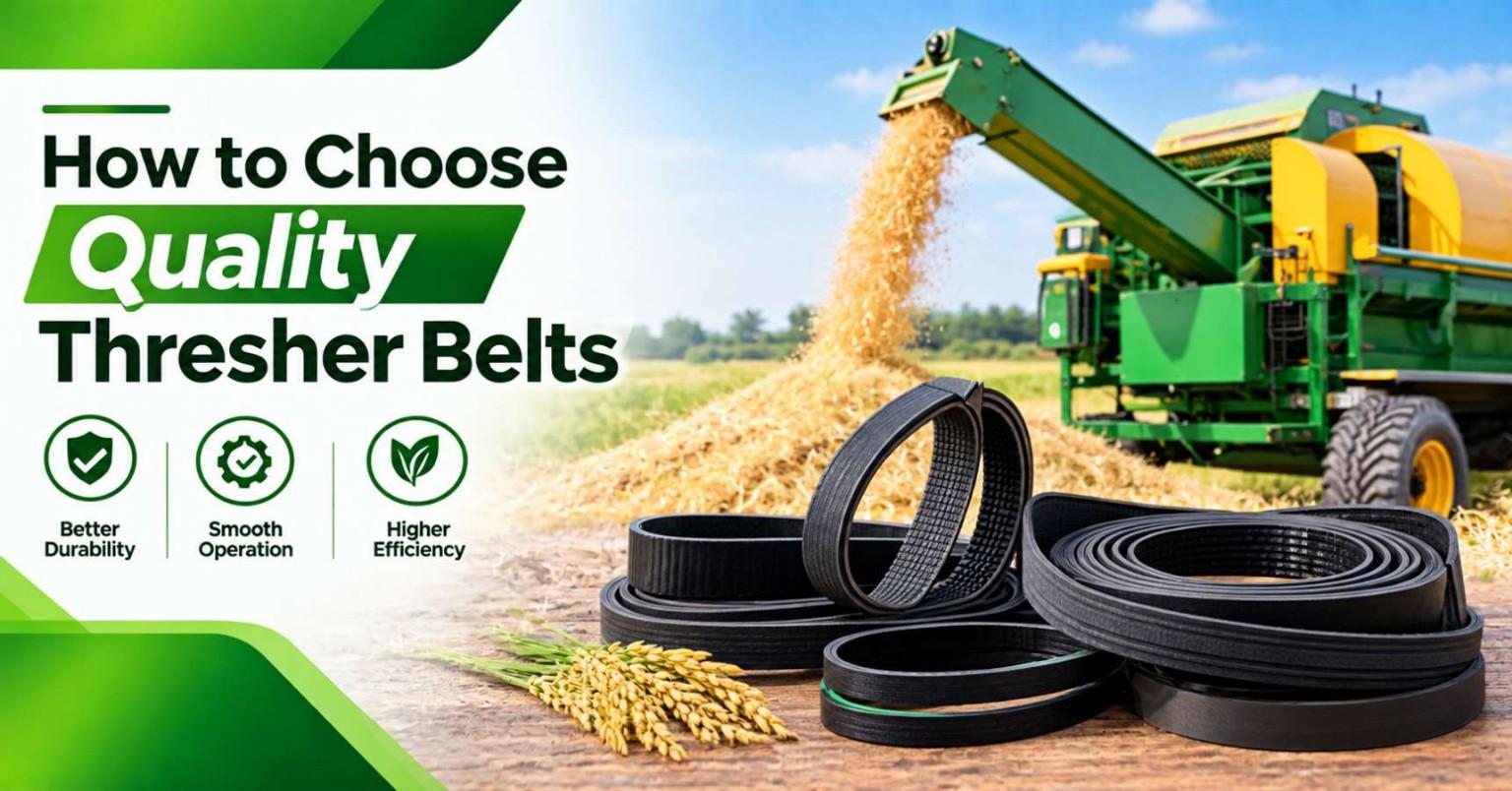
Learn how to choose quality thresher belts by checking size, profile, construction, load, heat resistance, compatibility, tension and belt wear.
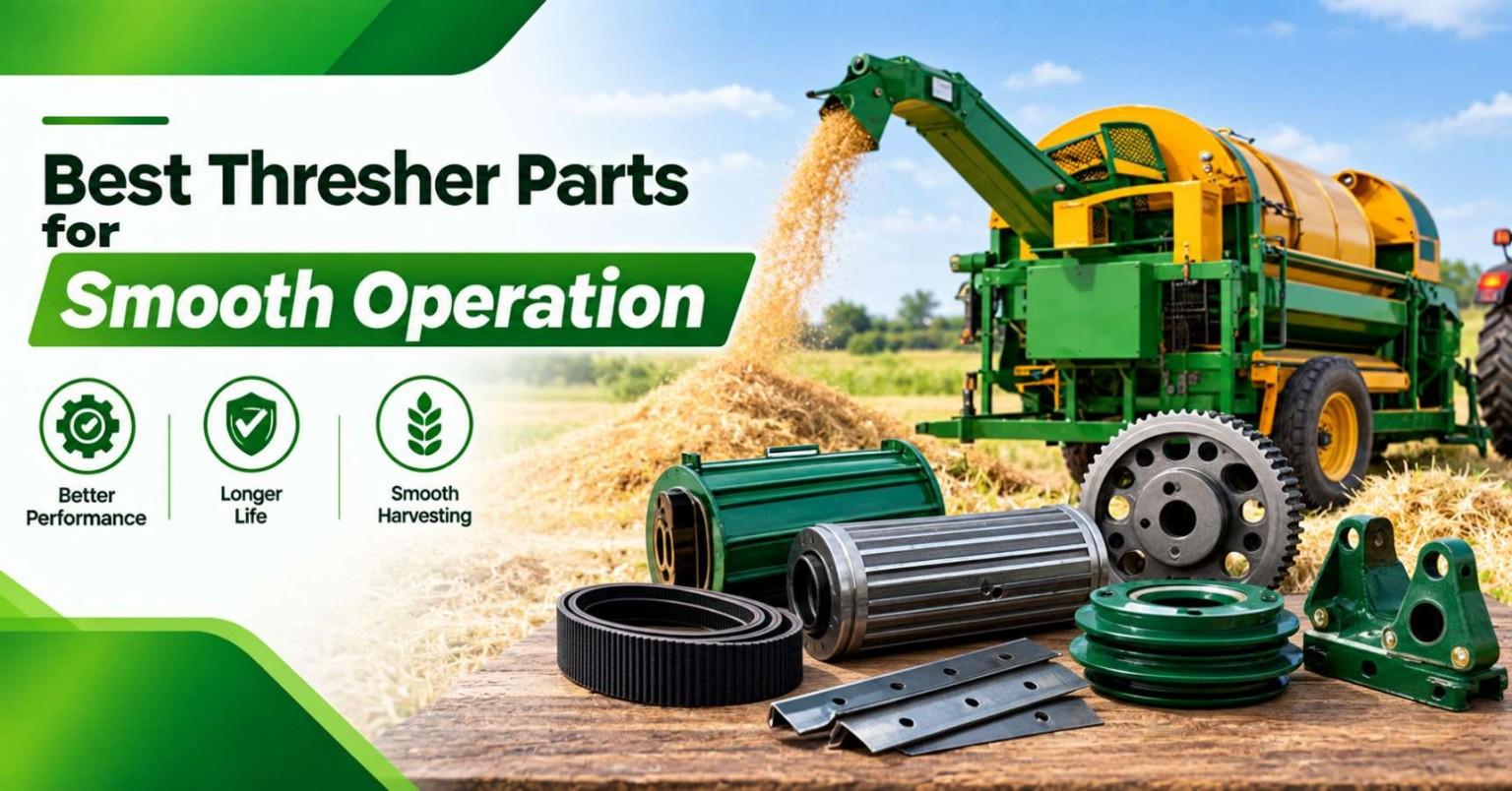
Learn about essential thresher spare parts including drums, beaters, bearings, belts, pulleys, shafts, sieves and filters for smooth machine operation