 English

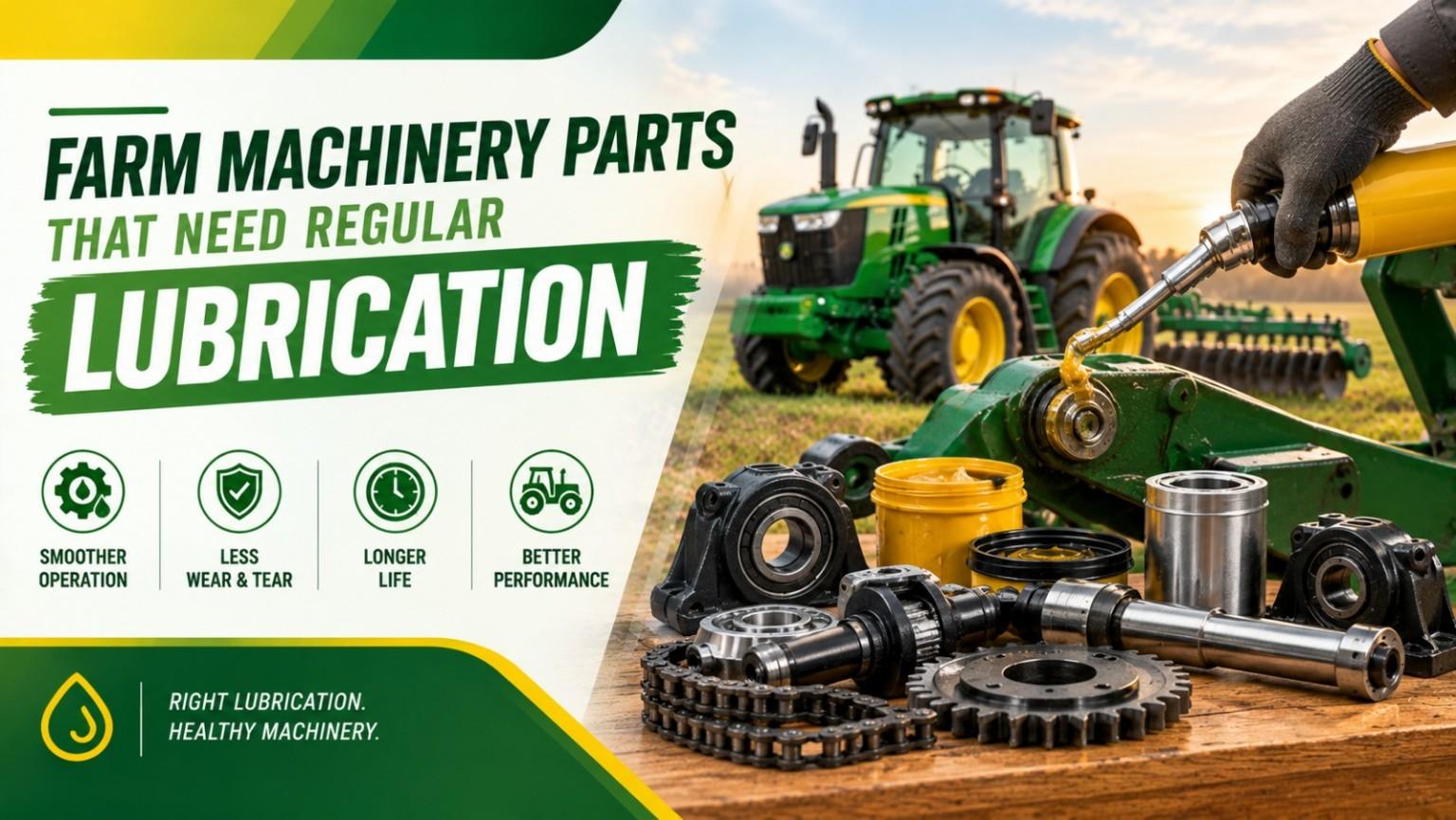
Learn which farm machinery parts need regular lubrication, including tractor bearings, PTO components, bushes, pins, chains, gears, wheel bearings and more.
COD उपलब्ध नहीं है। हम केवल प्रीपेड ऑर्डर में काम करते हैं और पूरे भारत में शिपिंग करते है. COD is not available. We work in prepaid orders only and shipping PAN India.
X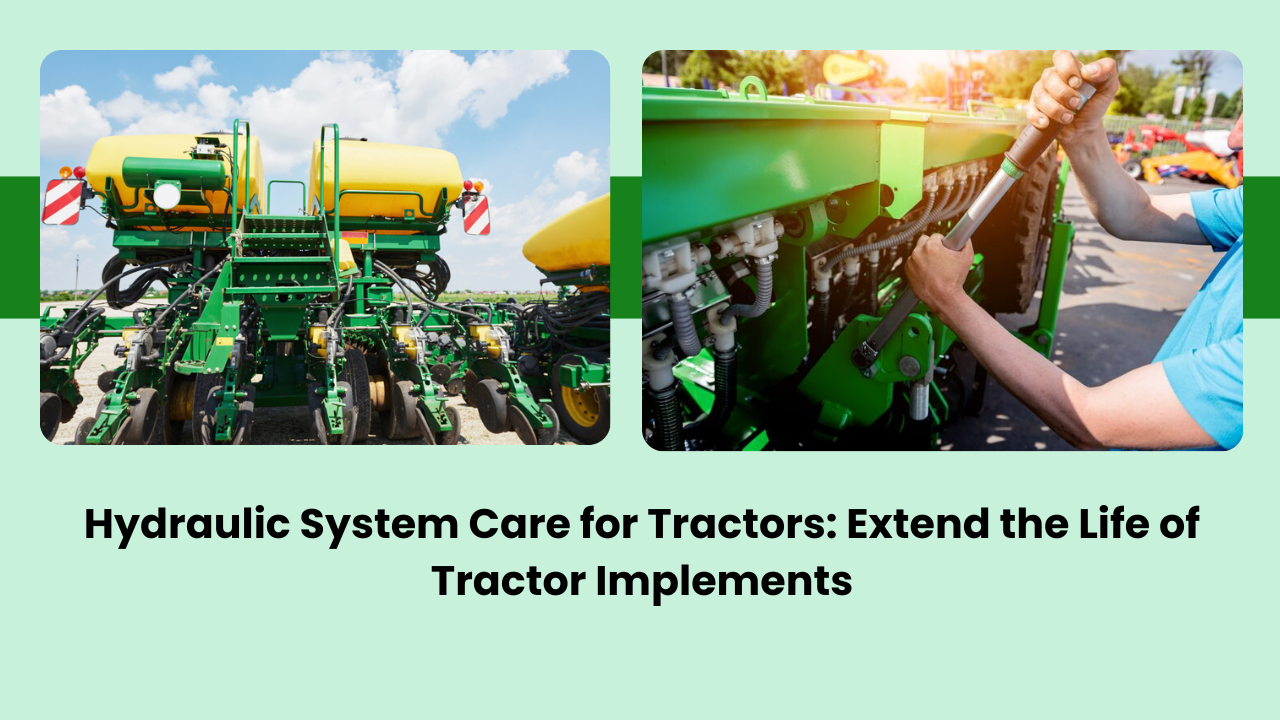
Modern farming depends heavily on hydraulic systems. From lifting ploughs and cultivators to operating loaders and other attachments, hydraulics play a major role in tractor performance. When the hydraulic system is in good condition, tractor implements work smoothly, safely, and efficiently. But when it is neglected, even the best implements wear out faster and cause frequent problems.
Proper hydraulic system care not only improves tractor performance but also extends the life of tractor implements. In this guide, we explain how hydraulic systems work, common issues faced by farmers, and simple maintenance steps using reliable spare parts from Gropart.
The hydraulic system converts engine power into lifting and control force. It allows the operator to:
If hydraulic pressure or oil flow becomes weak, implements do not perform properly. This leads to uneven field work, extra tractor load, and faster wear of both tractor and implements.
Understanding the main hydraulic components helps in better maintenance.
The pump creates pressure and moves hydraulic oil through the system.
These valves regulate oil flow and control implement movement.
Cylinders convert hydraulic pressure into mechanical lifting force.
These carry oil and maintain pressure throughout the system.
Each part must work correctly to ensure smooth implement operation.
Low pressure causes slow lifting, poor depth control, and uneven work. Implements may drag or bounce, increasing wear.
Dust, water, and metal particles in hydraulic oil damage pumps and valves. Contaminated oil reduces efficiency and shortens implement life.
Oil leaks reduce pressure and cause jerky movements. Sudden implement drops can damage both equipment and crops.
Overheated hydraulic oil loses viscosity, reducing lubrication and increasing component wear.
When the hydraulic system works smoothly:
This results in longer implement life and better field performance.
Hydraulic oil quality directly affects system performance.
Low-grade oil breaks down quickly and causes friction. Gropart-recommended hydraulic components perform best with clean, correct oil.
Clean oil is essential for long system life.
Clean oil protects pumps, valves, and cylinders from internal damage.
Seals and hoses are often ignored until a major leak occurs.
Gropart hydraulic seals and hoses are designed to withstand high pressure and rough working conditions.
Using implements beyond their designed capacity puts extra load on the hydraulic system.
Always match implement size with tractor capacity to protect the hydraulic system.
A few minutes of inspection can prevent major damage.
Early detection saves time and repair cost.
When implements are not in use:
This prevents seal damage and pressure buildup.
Low-quality spare parts often fail under pressure.
Problems caused by poor-quality parts:
Gropart hydraulic spare parts are built for durability, accurate fitment, and long service life, helping maintain stable hydraulic performance.
Proper operation reduces system stress.
Operator tips:
Good driving habits protect hydraulic components and implements.
Farmers choose Gropart because:
Quality spare parts make hydraulic maintenance easier and more effective.
Hydraulic system care is essential for extending the life of tractor implements. Clean oil, proper pressure, timely seal replacement, and regular inspections prevent early wear and costly breakdowns.
When hydraulic systems are maintained using reliable spare parts from Gropart, implements work smoothly, safely, and efficiently for many years. For farmers who want consistent output and lower maintenance costs, proper hydraulic care is not an option—it is a smart and necessary farming practice.
Learn which farm machinery parts need regular lubrication, including tractor bearings, PTO components, bushes, pins, chains, gears, wheel bearings and more.
Learn which farm machinery parts need regular lubrication, including tractor bearings, PTO components, bushes, pins, chains, gears, wheel bearings and more.
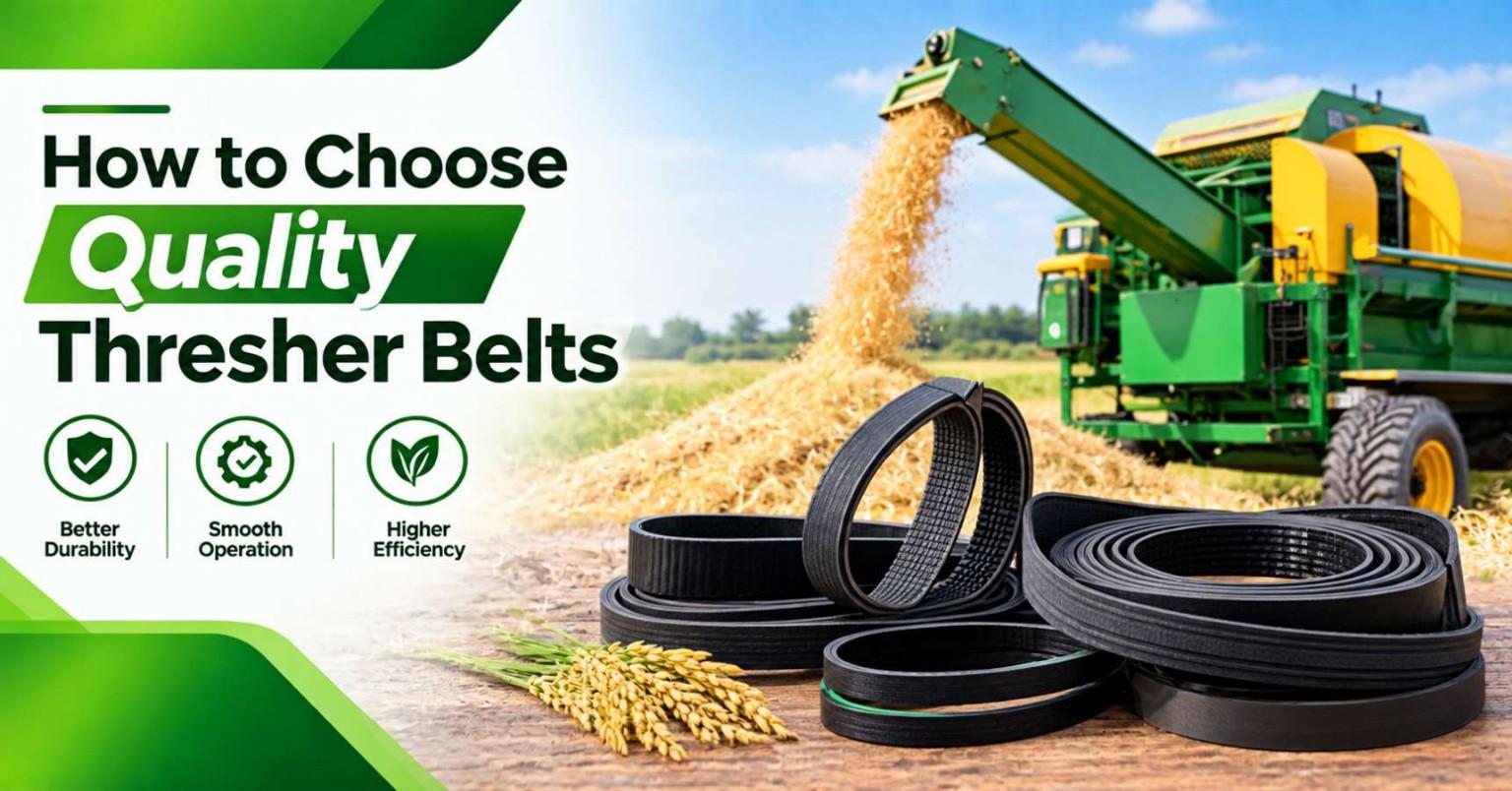
Learn how to choose quality thresher belts by checking size, profile, construction, load, heat resistance, compatibility, tension and belt wear.
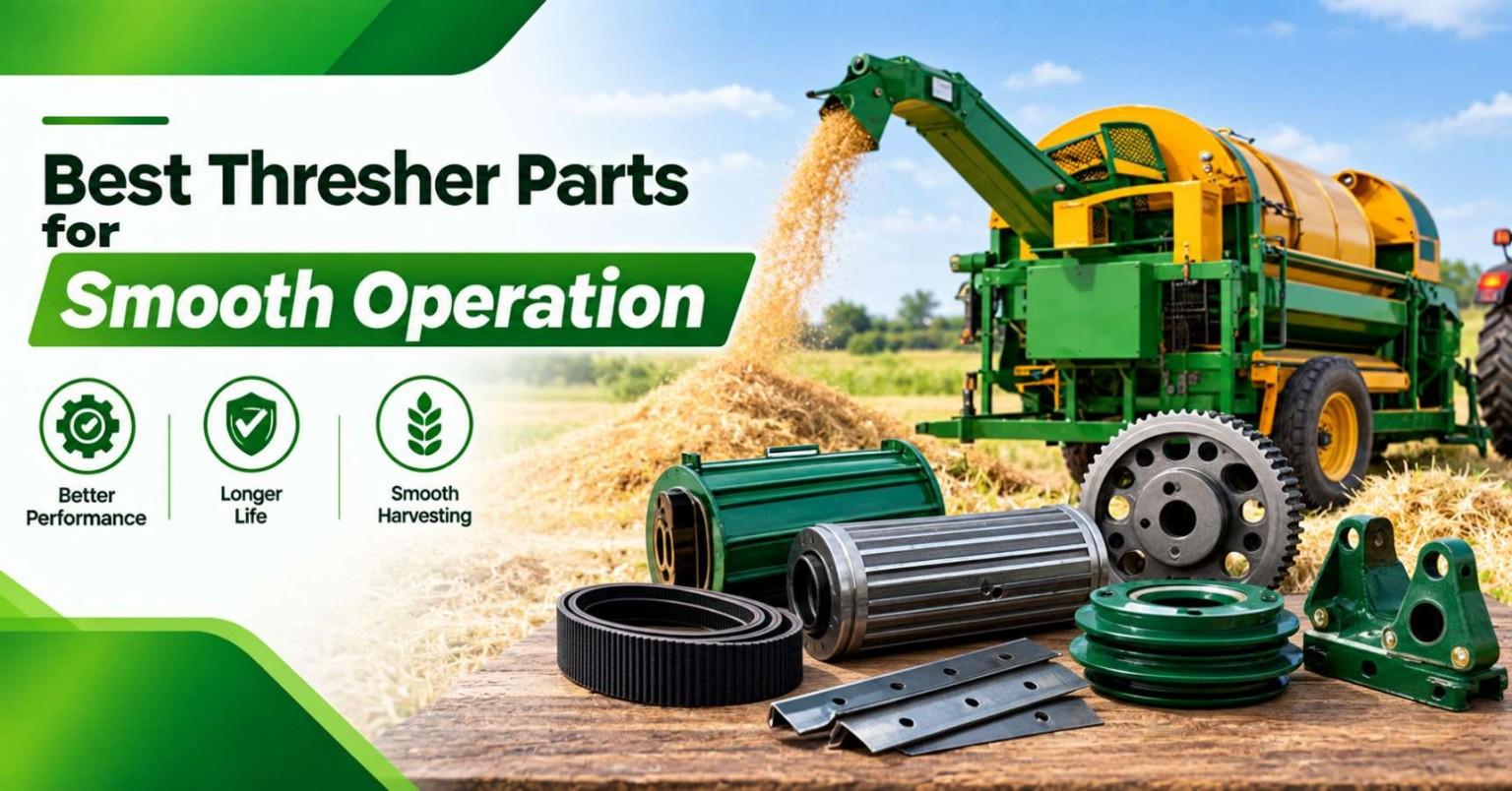
Learn about essential thresher spare parts including drums, beaters, bearings, belts, pulleys, shafts, sieves and filters for smooth machine operation