हमारे पास आपके लिए कुछ नीतियां हैं, कृपया ध्यान देवे
Welcome!
-कृपया हमारे साथ अपना खाता पंजीकृत करें
-पंजीकरण के बाद आप अपने पैकेज को ट्रैक कर सकते हैं
-चेकआउट के दौरान कृपया कूपन कोड लागू करें
-रोमांचक ऑफ़र प्राप्त करने के लिए नीचे अपना ईमेल पता दर्ज करें
COD उपलब्ध नहीं है। हम केवल प्रीपेड ऑर्डर में काम करते हैं और पूरे भारत में शिपिंग करते है. COD is not available. We work in prepaid orders only and shipping PAN India.
Efficient farming is not just about hard work—it’s about using the right tools and implements. Proper equipment reduces labour, saves time, and ensures better yields. Many farmers focus on tractors or large machines, but simple tools and well-chosen implements can make a significant difference in day-to-day operations.
Understanding what to invest in and how to maintain it is essential for both small and large farms.
Essential Hand Tools Every Farmer Should Have
Even in mechanised farming, hand tools are indispensable. They are useful for weeding, transplanting, harvesting, and general field maintenance.
Key Hand Tools
Spade and Shovel: For digging, planting, and soil preparation
Hoe and Weeder: For removing weeds and aerating soil
Sickle: For cutting crops and clearing grass
Pruning Shears: For trimming trees and shrubs
Maintaining these tools—keeping them sharp, rust-free, and stored properly—extends their life and improves efficiency.
Tractor-Mounted Implements
Tractors are the backbone of mechanised farming, but their performance depends on the implements attached. Each implement performs a specific function, making the tractor versatile.
Must-Have Tractor Implements
Ploughs: For primary tillage and soil turning
Rotavators: For breaking clods and preparing seedbeds
Seed Drills: For precise and uniform sowing
Harrows: For leveling and soil aeration
Sprayers: For efficient pesticide and fertiliser application
Using the right implement for the right task ensures optimal soil health, better germination, and higher yields.
Harvesting and Post-Harvest Equipment
Harvesting is labour-intensive and time-sensitive. Having the right equipment reduces losses and improves efficiency.
Important Harvesting Tools
Threshers: To separate grain from crop quickly
Combine Harvesters: For large-scale cereal crops
Storage Bins and Silos: For safe grain storage
Dryers: To reduce moisture and prevent spoilage
Timely harvesting and proper post-harvest handling improve product quality and market value.
Irrigation Tools & Equipment
Water management is crucial for crop growth. Efficient irrigation tools help save water and ensure uniform distribution.
Common Irrigation Equipment
Drip Irrigation Systems: For water-efficient crop watering
Sprinklers: For uniform coverage over large areas
Pumps and Pipes: To move water from wells or tanks to fields
Water Level Indicators: To monitor irrigation effectively
Using these tools correctly reduces water waste and promotes healthy crop growth.
Maintenance Tips for Agricultural Implements
Proper maintenance ensures tools and implements last longer and perform efficiently.
Clean equipment after use to prevent rust and soil buildup
Lubricate moving parts regularly
Sharpen blades and cutting edges
Replace worn or damaged components immediately
Store tools in a dry, covered area
Neglecting maintenance often leads to breakdowns and increased replacement costs.
Choosing Implements Based on Farm Size and Crop Type
Not all tools are required for every farm. Small farms may focus on hand tools and basic tractor implements, while larger farms invest in advanced machinery. Crop type also affects equipment choice—for example, rice fields may need puddling tools, while wheat requires seed drills and threshers.
Understanding your farm’s specific needs ensures efficient investment and operation.
Final Thoughts
Efficient farming is a combination of knowledge, skill, and the right tools. From simple hand tools to advanced tractor implements, each piece of equipment has a role in reducing labour, saving time, and increasing productivity.
Regular maintenance, proper use, and choosing implements based on farm size and crops make farming easier and more profitable. With the right tools, farmers can focus on better crop management and higher yields, rather than struggling with inefficient methods.
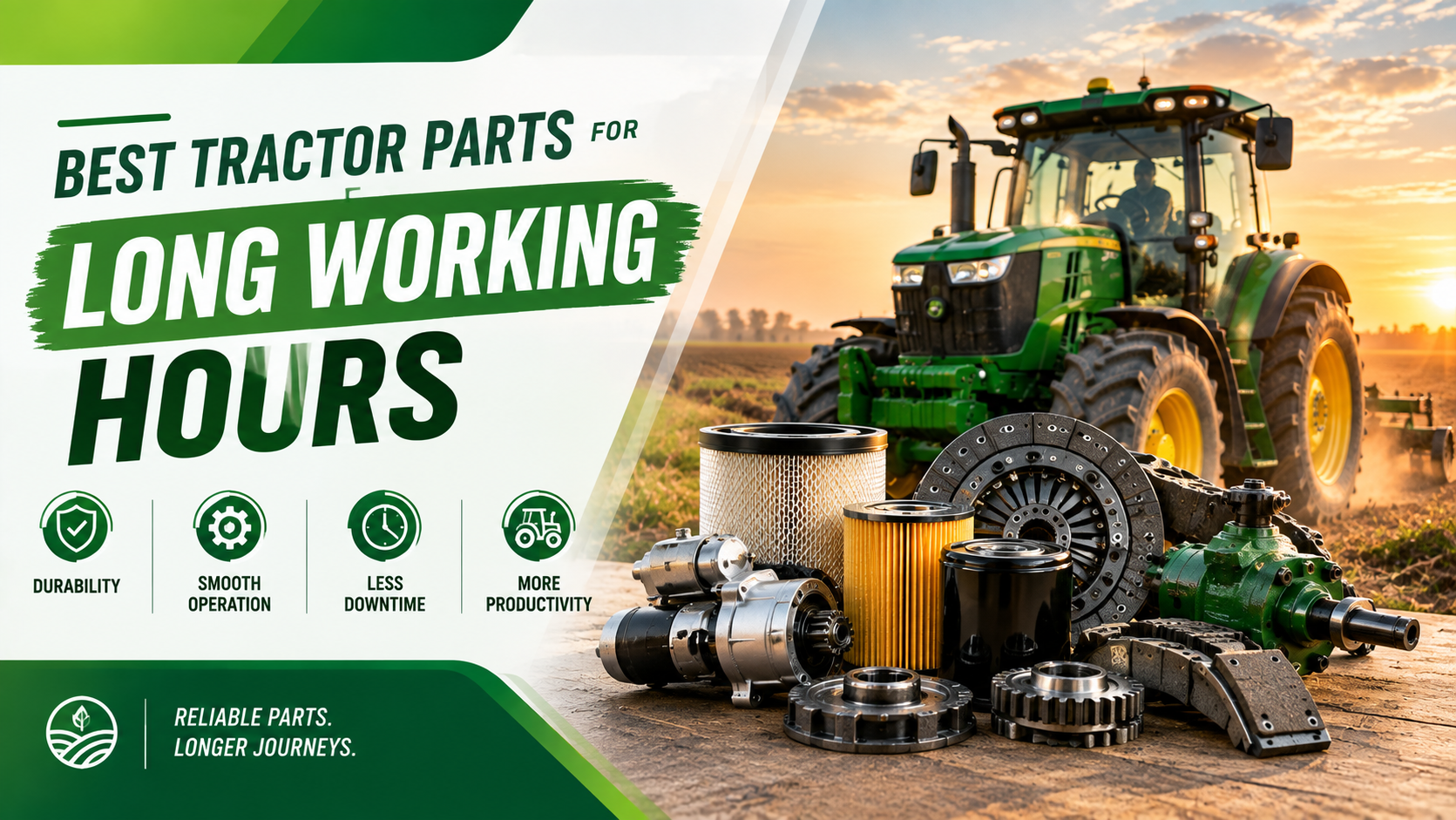
Discover the best tractor parts for long working hours, including engine filters, cooling components, belts, bearings, clutch, hydraulic, transmission parts, and tyres. Learn how quality tractor spare parts from Gropart, regular inspections, and timely replacement can help reduce...
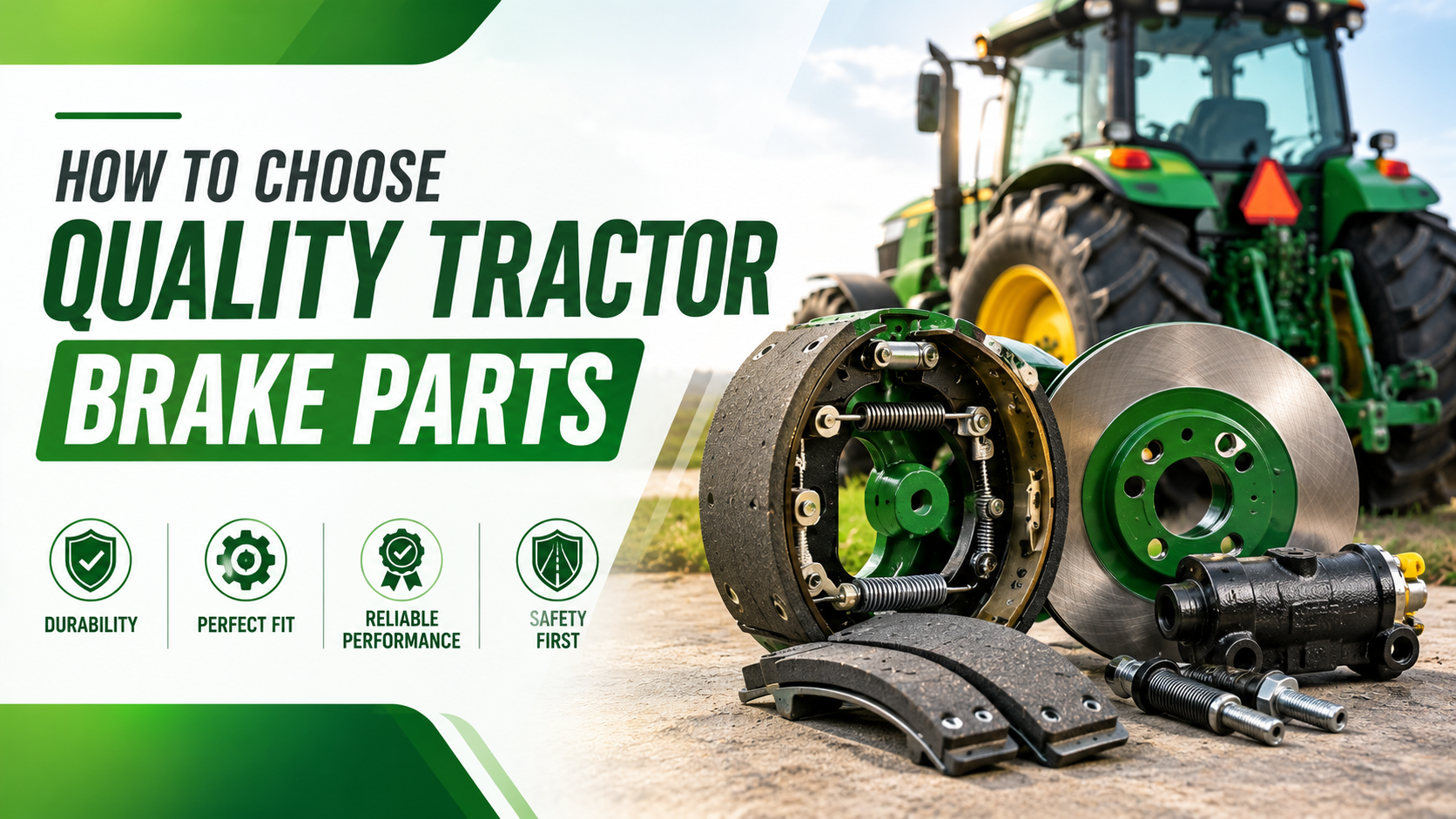
Learn how to choose quality tractor brake parts by checking fitment, brake type, material, durability, workload and supplier reliability for safer tractor performance.
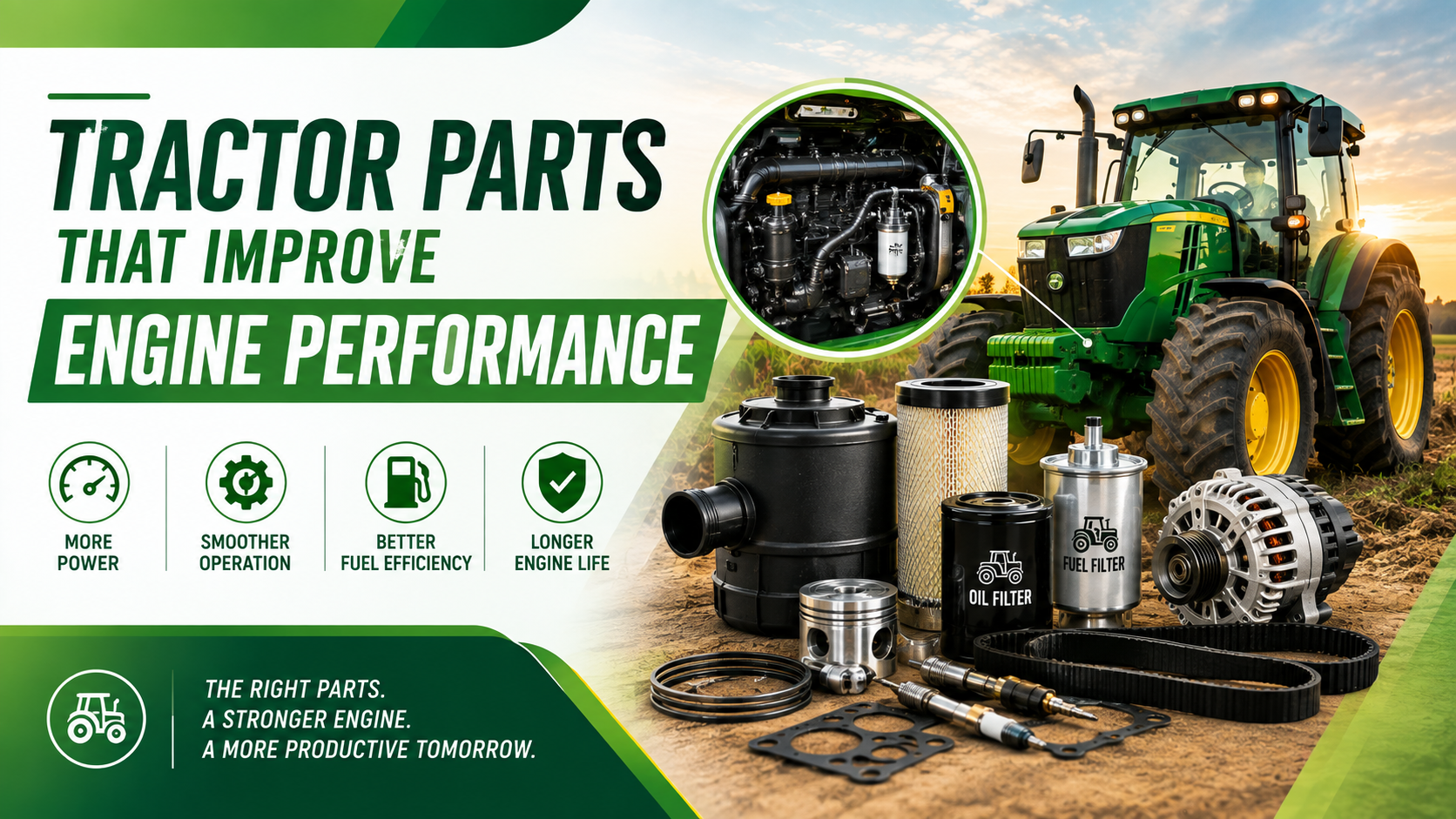
Discover tractor parts that improve engine performance, including air and fuel filters, injectors, belts, cooling components, seals, and other essential spare parts.
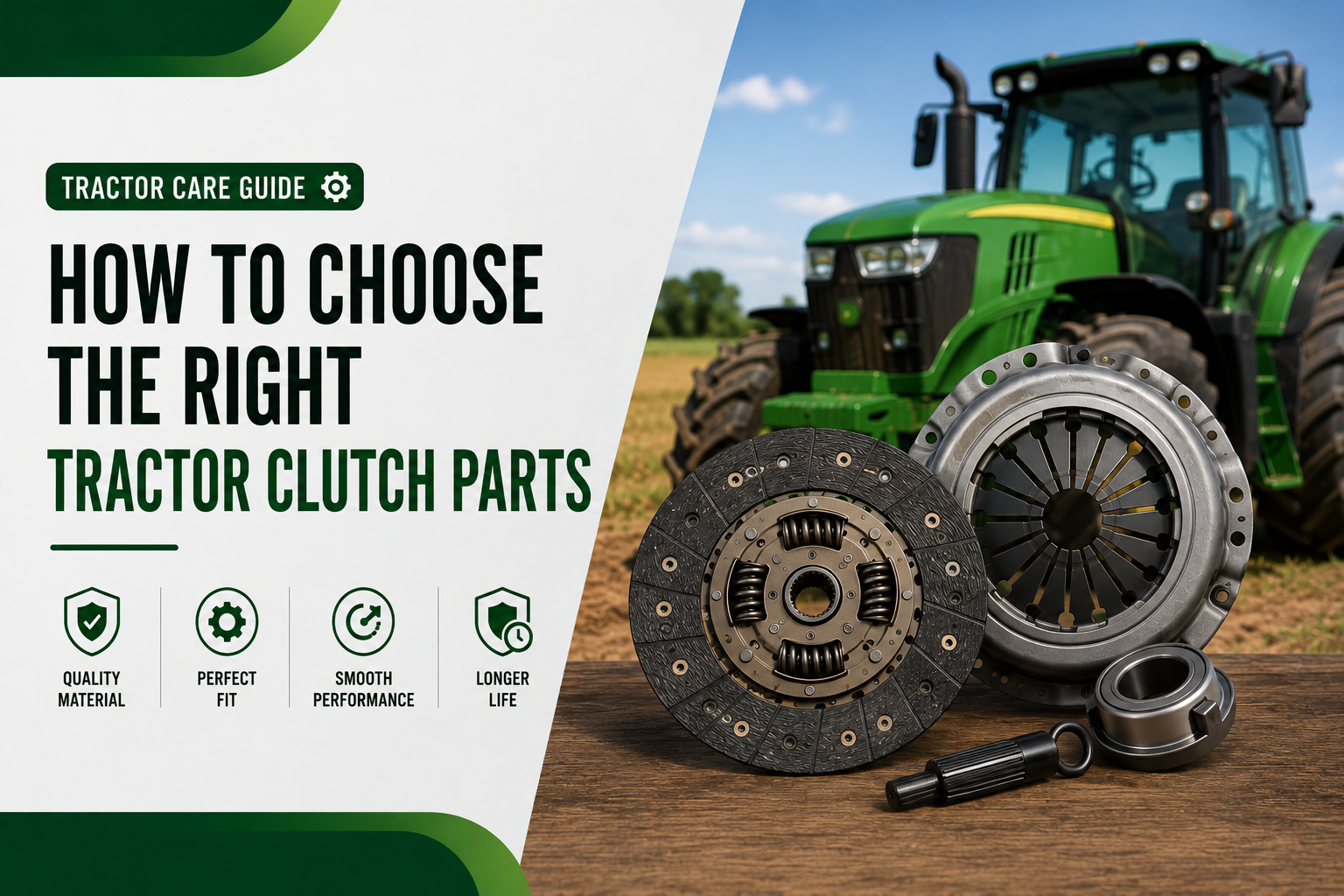
Learn how to choose the right tractor clutch parts by checking model, fitment, specifications, quality, working conditions, and compatibility for reliable performance.
 हिन्दी