हमारे पास आपके लिए कुछ नीतियां हैं, कृपया ध्यान देवे
Welcome!
-कृपया हमारे साथ अपना खाता पंजीकृत करें
-पंजीकरण के बाद आप अपने पैकेज को ट्रैक कर सकते हैं
-चेकआउट के दौरान कृपया कूपन कोड लागू करें
-रोमांचक ऑफ़र प्राप्त करने के लिए नीचे अपना ईमेल पता दर्ज करें
COD उपलब्ध नहीं है। हम केवल प्रीपेड ऑर्डर में काम करते हैं और पूरे भारत में शिपिंग करते है. COD is not available. We work in prepaid orders only and shipping PAN India.
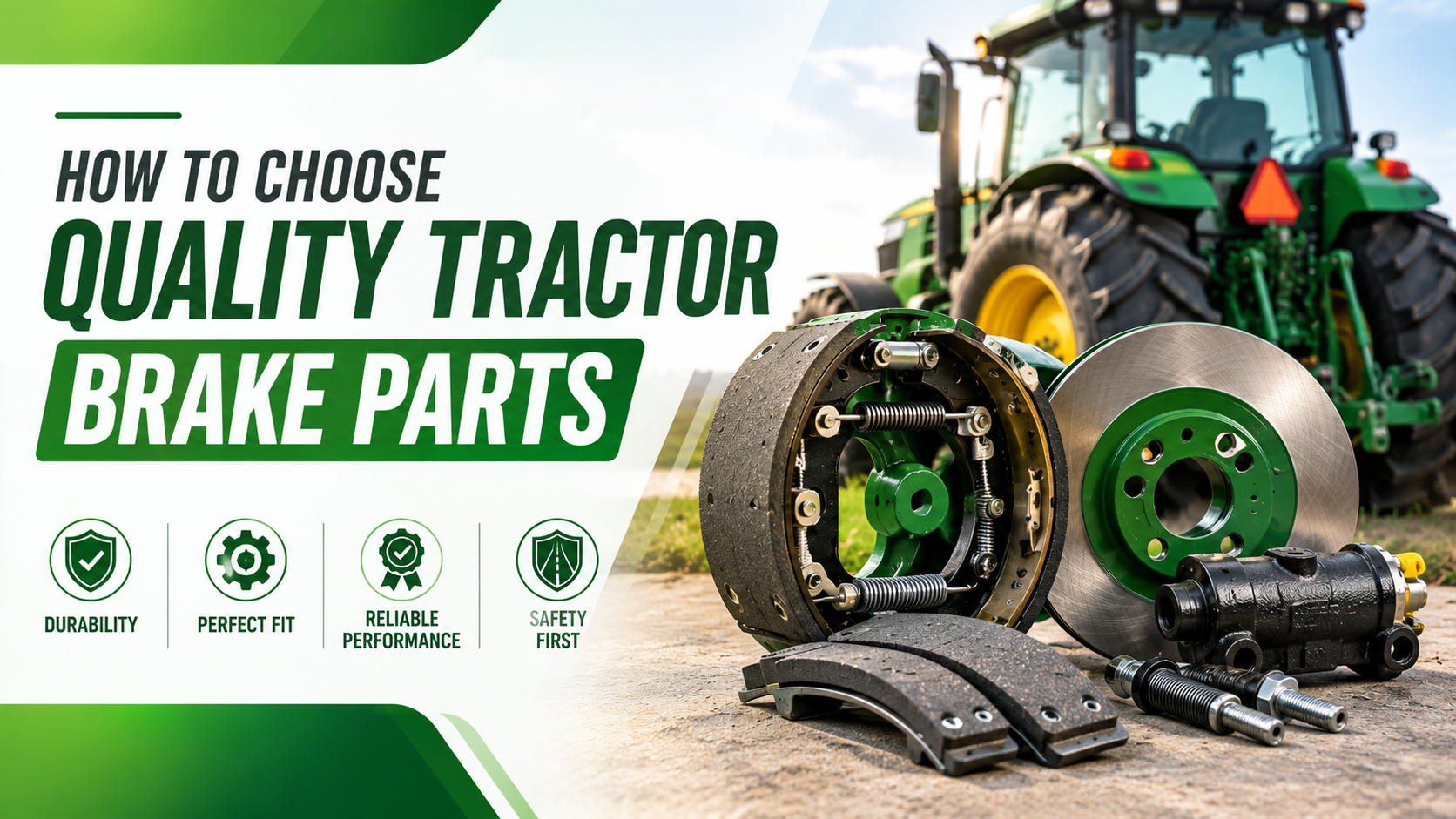
A tractor works in demanding conditions where safe control is just as important as engine power. Whether a farmer is moving through a field, carrying a heavy load, driving on a slope, or travelling between farms, the braking system needs to work properly. Brake parts experience regular pressure and wear, so choosing suitable replacement components is an important part of tractor maintenance.
Poor-quality or incorrectly fitted brake parts can reduce braking performance and create safety concerns. On the other hand, properly selected components can provide smoother braking, better control, and more dependable performance over time. Farmers and mechanics should therefore consider more than just price when buying tractor brake parts.
This guide explains what to look for when choosing quality tractor brake parts and how the right components can support safer and more reliable tractor operation.
Why Tractor Brake Parts Matter
The braking system allows the operator to slow down or stop the tractor when required. It is particularly important when the tractor is carrying heavy equipment or working on uneven land.
Depending on the tractor design, the braking system may include brake discs, brake plates, brake shoes, drums, springs, seals, linkages, and other related components.
When these parts become worn, braking performance can change gradually. A farmer may notice that the tractor takes longer to stop or that the brakes do not respond as smoothly as before.
Regular inspection helps identify problems before they become serious.
Know Your Tractor Model
The first step when buying tractor brake parts is identifying the exact tractor model.
Brake components can vary between different tractor models, even when they are manufactured by the same company. Differences may occur in size, design, mounting arrangement, and braking mechanism.
Before purchasing a replacement, keep information such as the tractor model, manufacturing year, engine specification, and serial number available.
This information makes it easier to identify the correct replacement part and avoid unnecessary returns or installation problems.
Check the Original Part Number
The part number on the existing brake component can help with identification.
If the number is visible, compare it with the specifications of the replacement part. However, do not depend only on the number. The tractor model and technical specifications should also be checked.
For older tractors, part numbers may have been updated or replaced by newer compatible numbers, so confirming compatibility with a reliable supplier can be helpful.
Select the Correct Brake Type
Different tractors use different braking systems.
Some tractors use disc brakes, while others may use drum-based systems or other designs. The replacement component must be suitable for the braking system installed on the tractor.
Using an unsuitable brake part can lead to poor contact, uneven braking, or premature wear.
Always confirm the brake system type before purchasing a replacement component.
Check Brake Disc and Plate Quality
Brake discs and plates are exposed to friction every time the tractor slows down or stops.
Over time, they can become worn, uneven, or damaged.
When selecting replacement discs or plates, look for suitable material quality, correct dimensions, and proper surface finishing.
A well-made component should be able to handle the heat and pressure generated during normal braking.
Inspect Brake Shoes and Linings
Brake shoes and friction linings are also important components in certain tractor braking systems.
The friction material needs to provide consistent contact without wearing excessively quickly.
A worn lining may reduce braking performance and can eventually damage other brake components.
When replacing brake shoes or linings, choose components designed specifically for the tractor's braking system.
Check Seals and Related Components
Seals may not receive as much attention as brake discs or shoes, but they are important for preventing fluid or lubricant leakage in systems that use them.
A damaged seal can allow contamination or fluid loss and affect braking performance.
During brake repairs, mechanics should inspect seals, springs, linkages, and other related parts.
Replacing a damaged supporting component at the same time can help prevent repeated repair work.
If the part does not fit correctly, it should not be forced into place. The correct replacement should be identified instead.
Inspect the Complete Brake System
Replacing one worn component may not always solve a braking problem.
Other parts of the system may also be damaged or worn.
During inspection, mechanics should check:
Brake discs or drums
Brake shoes or plates
Linkages
Springs
Seals
Pedal mechanism
A complete inspection provides a better understanding of the actual condition of the braking system.
Watch for Warning Signs
Farmers should not ignore changes in braking performance.
Common warning signs include:
Reduced braking power
Unusual brake noise
Grinding sounds
Uneven braking
Excessive pedal travel
Brake overheating
Difficulty stopping
These symptoms can have different causes, so proper inspection is important before buying replacement parts.
Choose a Reliable Spare Parts Supplier
A dependable supplier can make the replacement process easier.
When purchasing tractor brake parts, farmers should look for clear product information, suitable specifications, and dependable quality.
Gropart provides tractor and agricultural machinery spare parts for customers looking for reliable replacement components. Choosing suitable parts from a trusted source can help farmers and mechanics maintain their tractors more confidently.
Installation and Adjustment Matter
Even a quality brake component can perform poorly if it is installed incorrectly.
Brake parts need proper installation, alignment, and adjustment according to the tractor's requirements.
After installation, the braking system should be tested carefully before the tractor returns to regular fieldwork.
For major brake repairs, professional installation is recommended.
Regular Inspection Extends Brake System Life
Brake maintenance should be part of routine tractor care.
Farmers can reduce unexpected problems by checking the braking system regularly, especially before heavy work or long-distance travel.
Pay attention to unusual sounds, changes in pedal response, and visible wear.
Choosing quality tractor brake parts is essential for safe, controlled, and reliable tractor operation. The right replacement component should match the exact tractor model, braking system, dimensions, workload, and operating conditions.
Before buying, farmers and mechanics should check the original part number, material quality, fitment, and condition of related brake components. It is also important to avoid selecting parts based only on the lowest price, as poor-quality components can lead to repeated repairs and reduced reliability.
By choosing properly fitted and quality tractor spare parts from Gropart and maintaining the braking system regularly, farmers can improve tractor control, reduce unexpected downtime, and support safer agricultural operations. A well-maintained braking system is not just a maintenance advantage—it is an essential part of responsible tractor ownership.
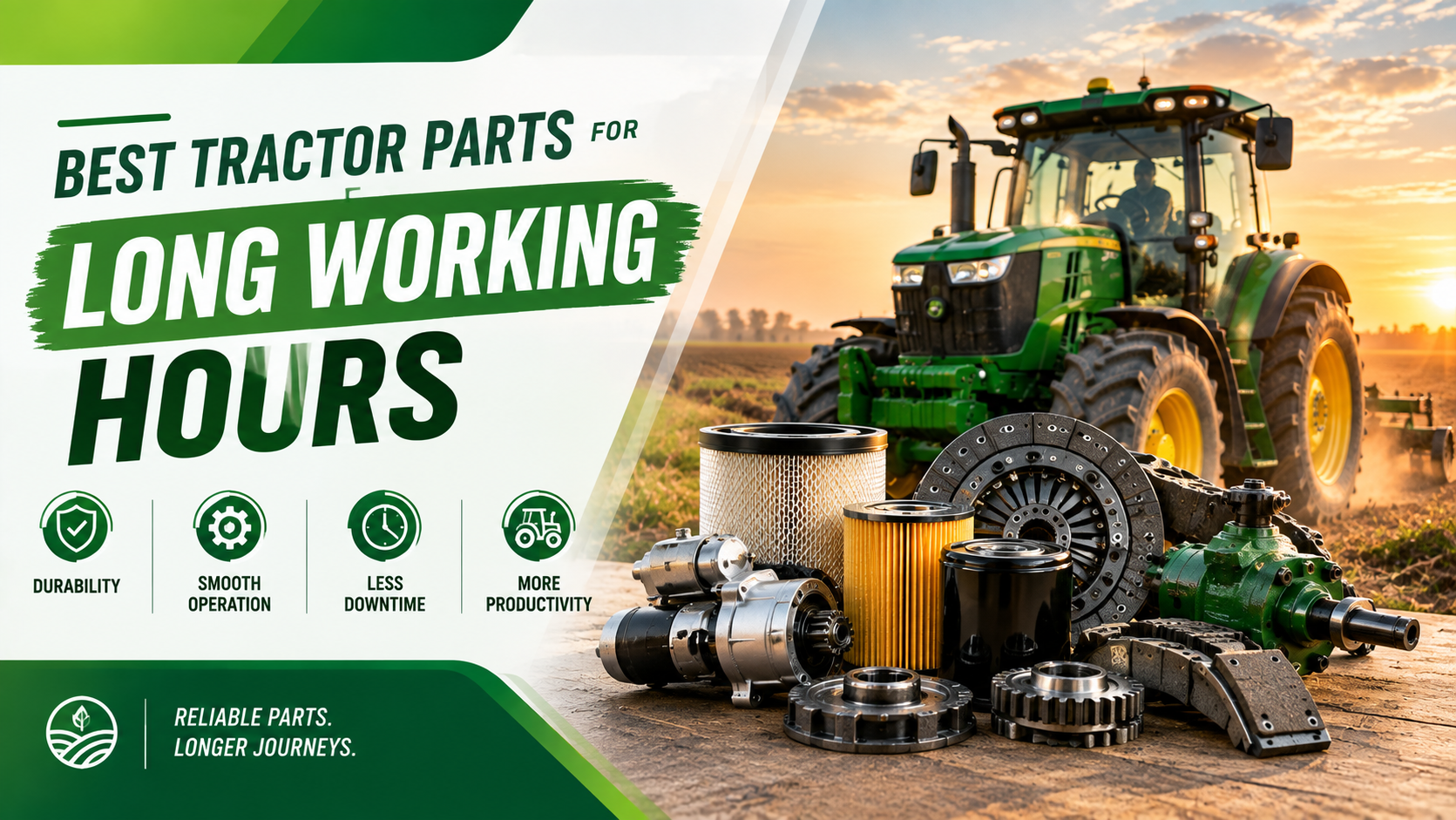
Discover the best tractor parts for long working hours, including engine filters, cooling components, belts, bearings, clutch, hydraulic, transmission parts, and tyres. Learn how quality tractor spare parts from Gropart, regular inspections, and timely replacement can help reduce...
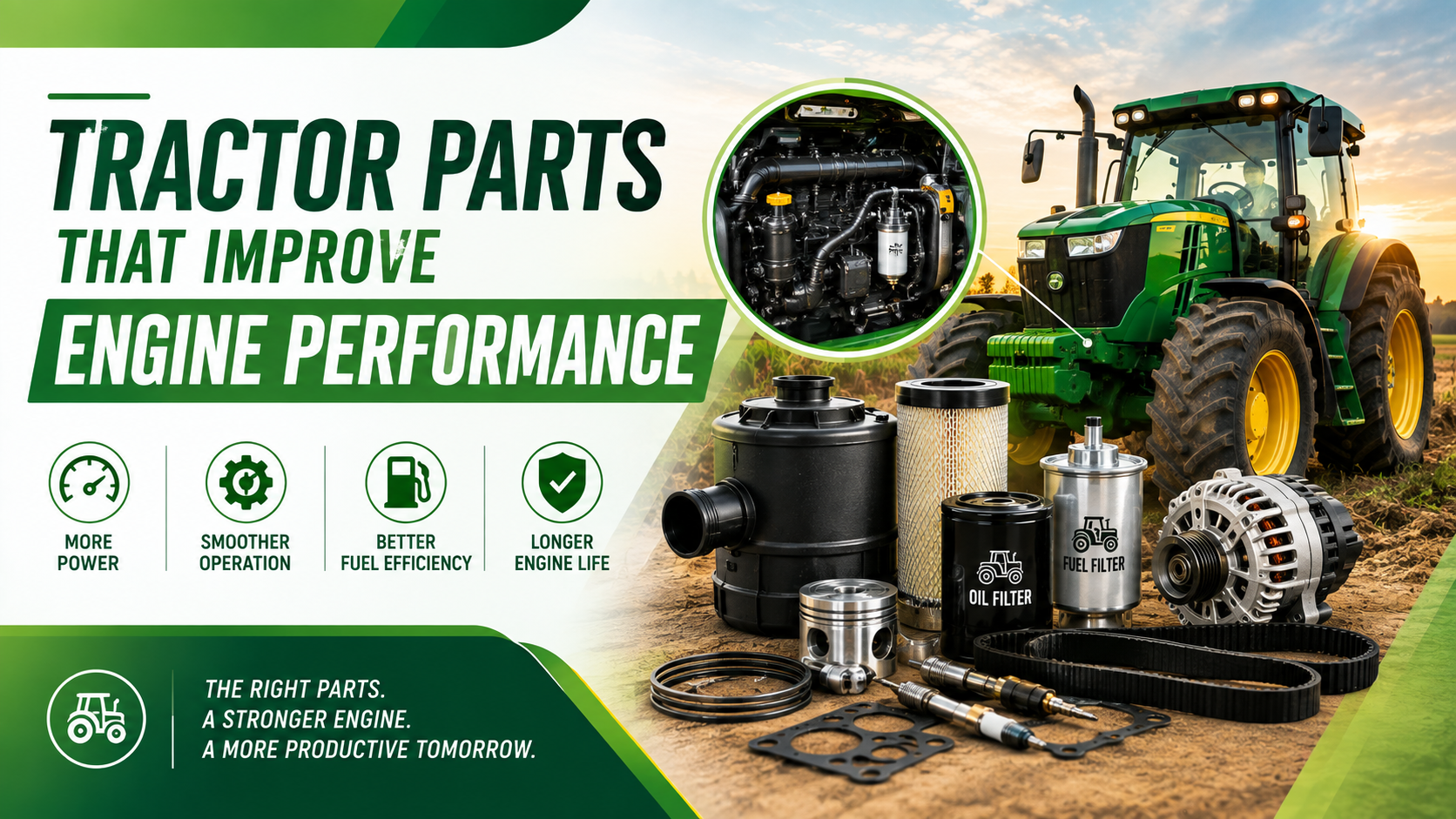
Discover tractor parts that improve engine performance, including air and fuel filters, injectors, belts, cooling components, seals, and other essential spare parts.
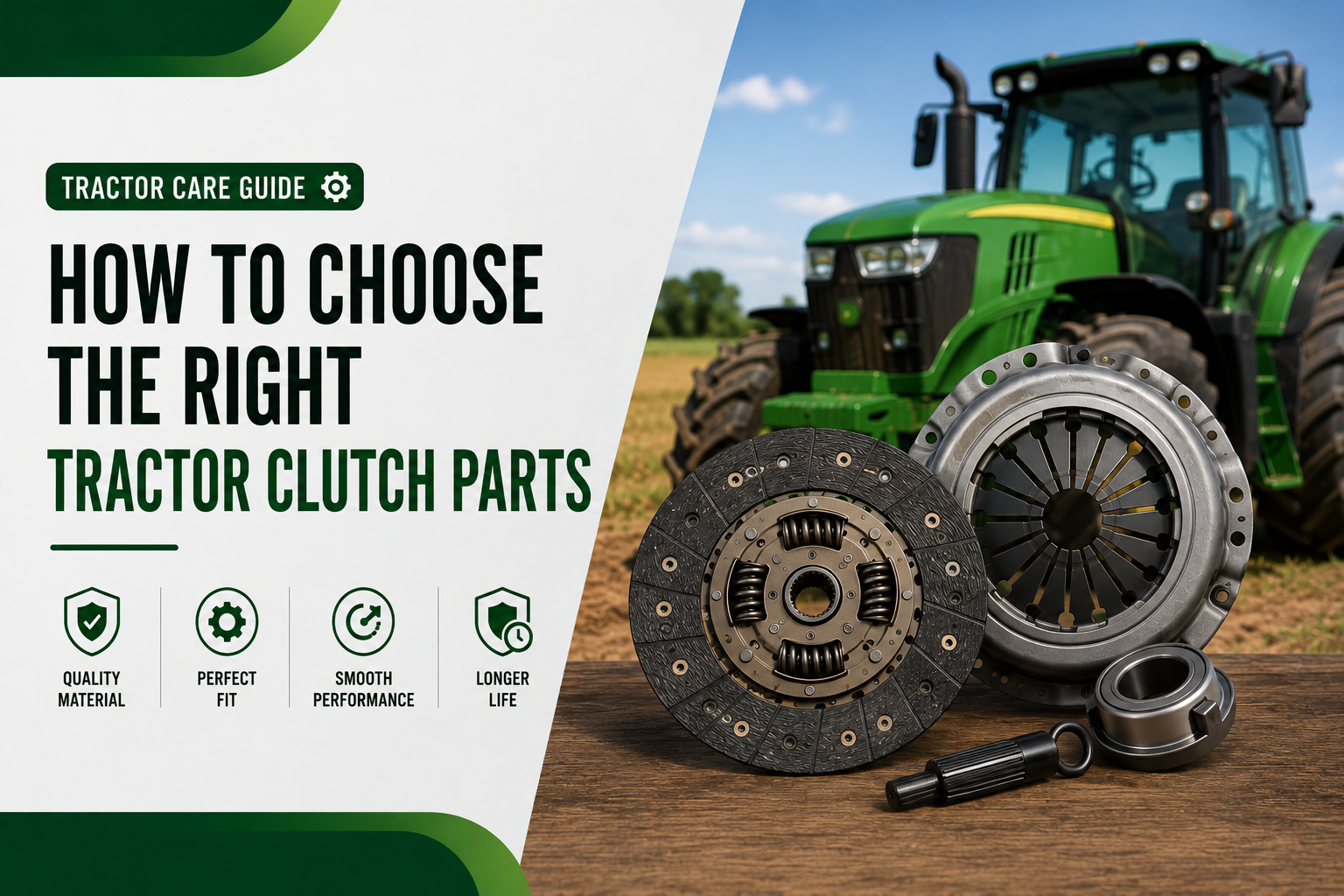
Learn how to choose the right tractor clutch parts by checking model, fitment, specifications, quality, working conditions, and compatibility for reliable performance.
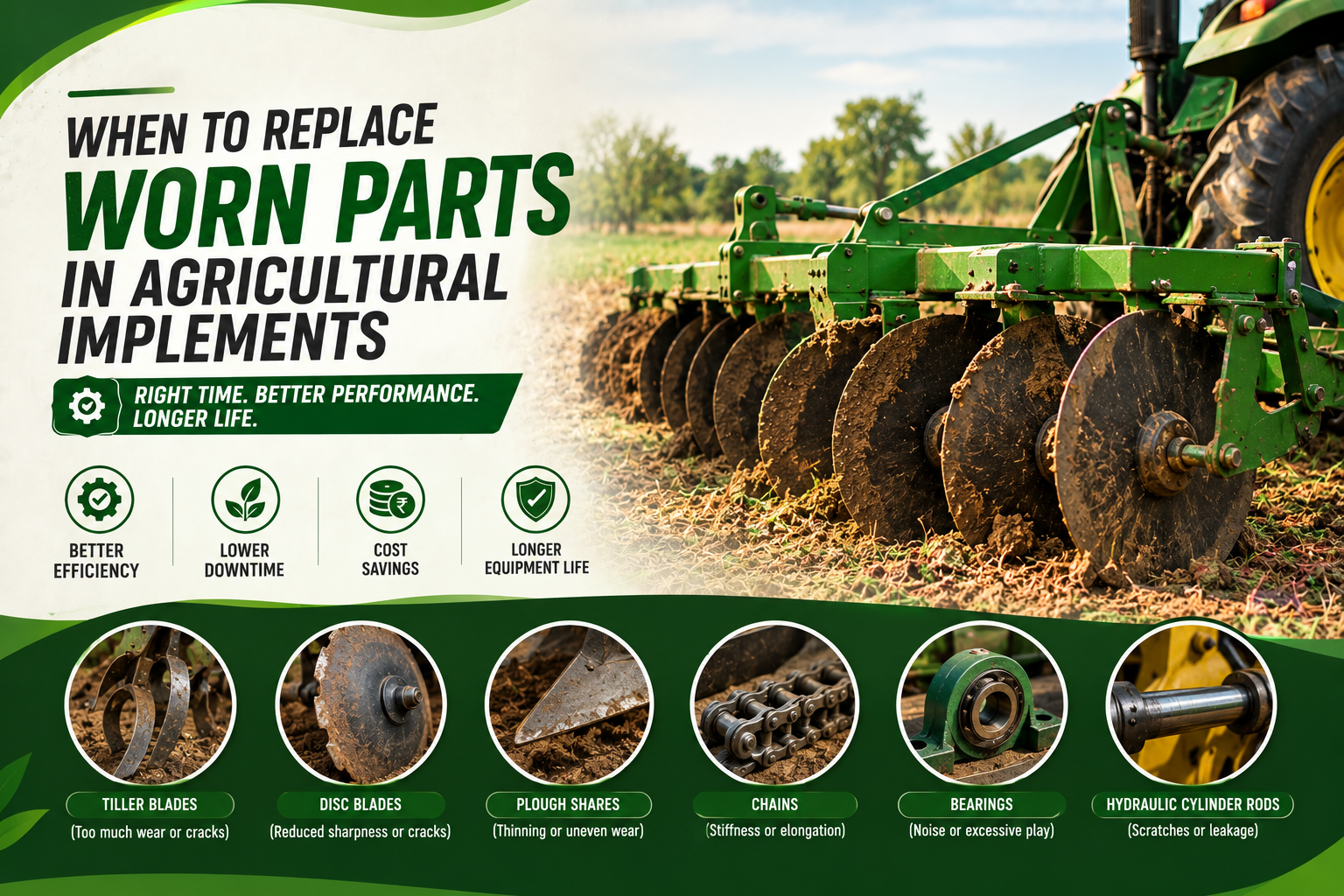
Learn when to replace worn agricultural implement parts such as blades, bearings, belts, chains, pins, bushes, and shafts to prevent breakdowns and maintain farm efficiency.
 हिन्दी