हमारे पास आपके लिए कुछ नीतियां हैं, कृपया ध्यान देवे
Welcome!
-कृपया हमारे साथ अपना खाता पंजीकृत करें
-पंजीकरण के बाद आप अपने पैकेज को ट्रैक कर सकते हैं
-चेकआउट के दौरान कृपया कूपन कोड लागू करें
-रोमांचक ऑफ़र प्राप्त करने के लिए नीचे अपना ईमेल पता दर्ज करें
COD उपलब्ध नहीं है। हम केवल प्रीपेड ऑर्डर में काम करते हैं और पूरे भारत में शिपिंग करते है. COD is not available. We work in prepaid orders only and shipping PAN India.
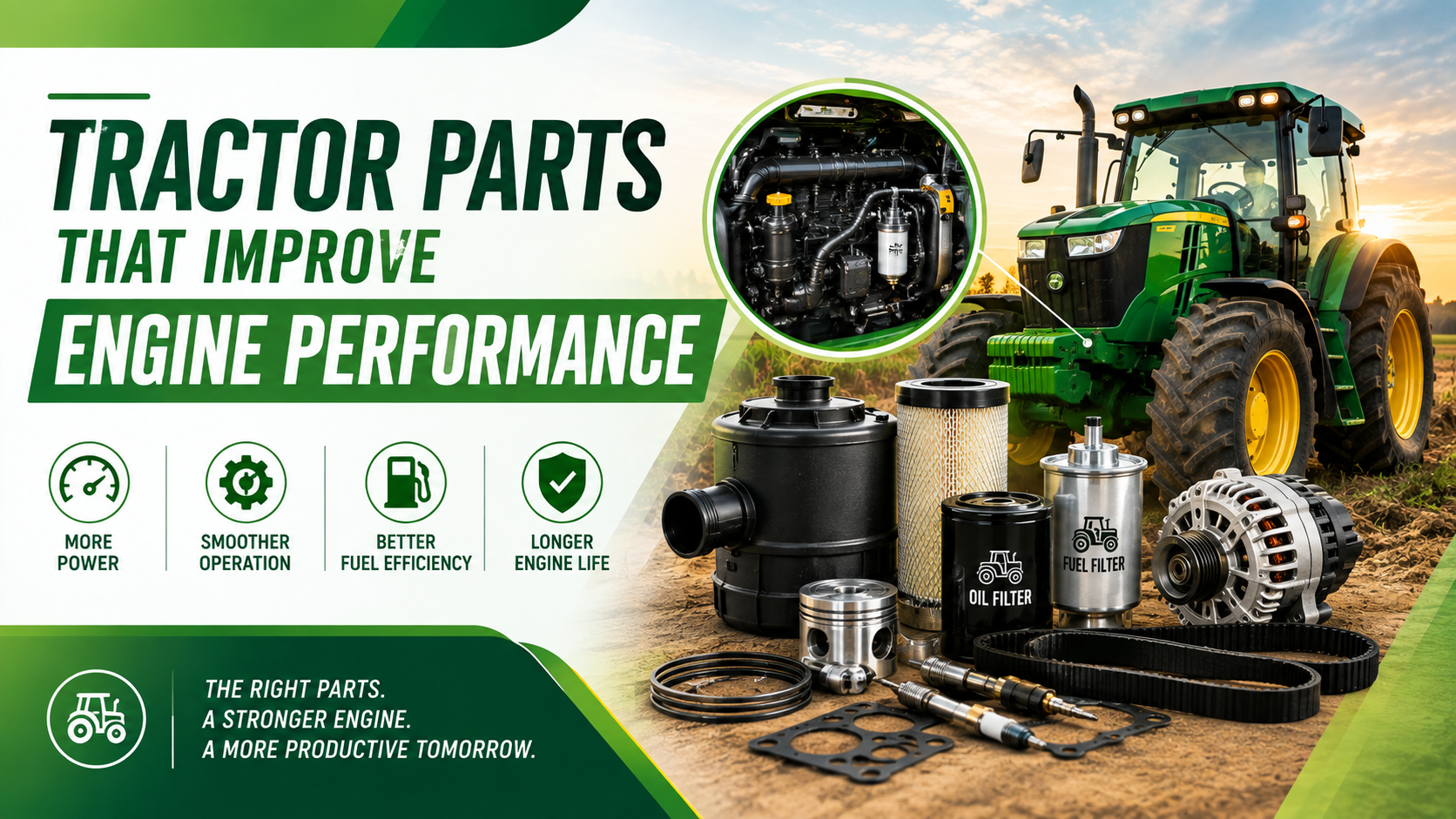
A tractor engine is the heart of the machine. Whether it is used for ploughing, cultivation, sowing, hauling, or operating agricultural implements, the engine needs to deliver steady power throughout the working day. However, engine performance can gradually decrease as filters become blocked, belts wear out, fuel system components become dirty, or other important parts lose their efficiency.
Good engine performance is not only about getting more power. A healthy engine can provide smoother operation, better fuel efficiency, easier starting, and more reliable performance during demanding farm work. Choosing the right tractor spare parts and replacing worn components at the proper time can help maintain these benefits.
For farmers and mechanics, understanding which tractor parts affect engine performance makes maintenance decisions much easier. The following components deserve particular attention when a tractor starts showing signs of reduced power or efficiency.
Why Engine Performance Matters
A tractor often works for several hours under heavy load. The engine must produce enough power to move the tractor and operate attached implements without unnecessary strain.
When engine performance is poor, farmers may notice:
Reduced pulling power
Slow acceleration
Higher fuel consumption
Difficult starting
Excessive smoke
Uneven engine operation
Ignoring these signs can allow a small maintenance issue to develop into a larger engine problem.
Air Filters Support Better Airflow
The engine needs a continuous supply of clean air for proper combustion. The air filter removes dust and dirt from incoming air before it reaches the engine.
A clean, properly fitted air filter helps maintain:
Better airflow
Consistent engine response
Efficient fuel burning
Protection against dust
Farmers should inspect the air filter regularly and replace it when it is excessively dirty or damaged.
Fuel Filters Keep Diesel Clean
Clean fuel is essential for a diesel tractor engine. The fuel filter removes dirt, particles, and other contaminants before the fuel reaches sensitive components.
A blocked fuel filter can restrict fuel flow and cause the engine to struggle under load.
Possible signs include reduced power, difficult starting, uneven running, and poor acceleration.
Replacing the fuel filter at the recommended interval helps maintain proper fuel delivery and protects the fuel system from contamination.
Fuel Injectors Affect Engine Power
Fuel injectors deliver diesel into the engine at the required time and in the appropriate spray pattern.
Dirty or worn injectors may not deliver fuel correctly. This can affect combustion and lead to poor engine performance.
Farmers may notice:
Rough idling
Increased smoke
Reduced power
Higher fuel consumption
Difficult starting
If injector problems are suspected, they should be inspected by a qualified mechanic. Replacing badly worn injectors can help restore proper fuel delivery.
Engine Oil Filters Protect Moving Parts
Engine oil lubricates internal components and helps reduce friction and heat. The oil filter removes contaminants that accumulate in the engine oil.
A clogged or poor-quality oil filter can affect proper oil circulation and reduce protection for moving parts.
Regular oil and filter replacement is one of the simplest ways to support long-term engine performance.
Engine Belts Keep Important Systems Working
Belts are used to drive or support different engine-related systems.
Depending on the tractor, belts may operate components such as the alternator, cooling fan, or other accessories.
A worn, loose, or cracked belt may slip or break, affecting the performance of connected systems.
Signs of belt problems can include:
Squealing sounds
Visible cracks
Loose belt tension
Overheating
Charging problems
Regular belt inspection can help prevent sudden failures during fieldwork.
A Healthy Cooling System Protects Engine Performance
Engine performance depends heavily on temperature control. If the engine becomes too hot, its efficiency can decrease and important components may be damaged.
The cooling system includes components such as the radiator, cooling fan, hoses, thermostat, and related parts.
A blocked radiator or damaged cooling component can restrict heat removal.
Keeping the cooling system clean and replacing damaged components helps maintain a suitable operating temperature.
Radiator Parts Help Prevent Overheating
The radiator removes heat from the engine coolant.
Dust, crop residue, and dirt can collect around the radiator and reduce airflow.
A damaged radiator or restricted airflow can cause overheating during long working hours.
Farmers should regularly clean the radiator area and inspect it for leaks or damage.
Thermostats Help Maintain Proper Temperature
The thermostat controls the flow of coolant through the engine's cooling system.
If the thermostat does not operate correctly, the engine may run too hot or take too long to reach its proper operating temperature.
A faulty thermostat should be inspected and replaced when necessary to support stable engine operation.
Engine Seals Help Prevent Oil Leaks
Seals prevent engine oil and other fluids from escaping from areas where moving or connected components meet.
A damaged seal can cause oil leakage and gradually reduce the engine's oil level.
Low oil levels can increase friction and wear inside the engine.
Checking for oil spots, wet areas, or repeated fluid loss can help identify a possible seal problem early.
Gaskets Maintain Proper Sealing
Gaskets create a tight seal between different engine surfaces.
A damaged gasket may allow oil, coolant, or combustion gases to escape.
Depending on the location, a failed gasket can affect engine performance and reliability.
Gaskets should be replaced with the correct type and specification whenever a repair requires their removal.
Starter Motor Supports Reliable Starting
The starter motor turns the engine during startup.
If the starter motor becomes weak, the engine may crank slowly or fail to start easily.
This can be especially noticeable during colder weather or when the battery is not fully charged.
A properly functioning starter system helps ensure dependable engine starting.
Alternator Supports the Electrical System
The alternator charges the battery while the tractor is running and supplies power to the electrical system.
If it is not working correctly, the battery may gradually lose charge.
Electrical problems can affect starting, lighting, sensors, and other tractor functions.
Maintaining the alternator and its belt helps support overall engine and electrical reliability.
Poor-quality filters, belts, seals, or other parts may wear quickly or fail to provide adequate protection.
Quality tractor spare parts from Gropart can help farmers and mechanics maintain important engine systems with properly selected replacement components.
Choosing parts that match the tractor's specifications helps reduce repeated repairs and unnecessary downtime.
Replace Worn Parts Before Major Failure
Waiting until a component completely fails can increase repair costs.
For example, a damaged belt can affect another engine system, while a blocked filter can reduce performance and increase stress on the engine.
Regular inspections allow farmers to identify worn components before they create larger problems.
This approach can save both time and money during busy farming seasons.
Correct fitment ensures that the component works properly with the existing system.
When there is uncertainty, farmers should consult a qualified mechanic or reliable spare parts supplier.
Conclusion
Several tractor parts play an important role in maintaining strong and efficient engine performance. Air filters, fuel filters, oil filters, injectors, belts, cooling components, seals, gaskets, starter motors, and alternators all contribute to dependable engine operation.
Regular inspection and timely replacement of worn parts can help prevent power loss, excessive fuel consumption, overheating, difficult starting, and unexpected breakdowns. Farmers should also choose replacement components based on the exact tractor model and working conditions rather than selecting parts only by appearance or price.
By using properly fitted and quality tractor spare parts from Gropart and following a regular maintenance routine, farmers can protect their engines, reduce downtime, and maintain reliable performance throughout demanding agricultural work. Good engine maintenance is a practical investment that helps a tractor work efficiently for longer.
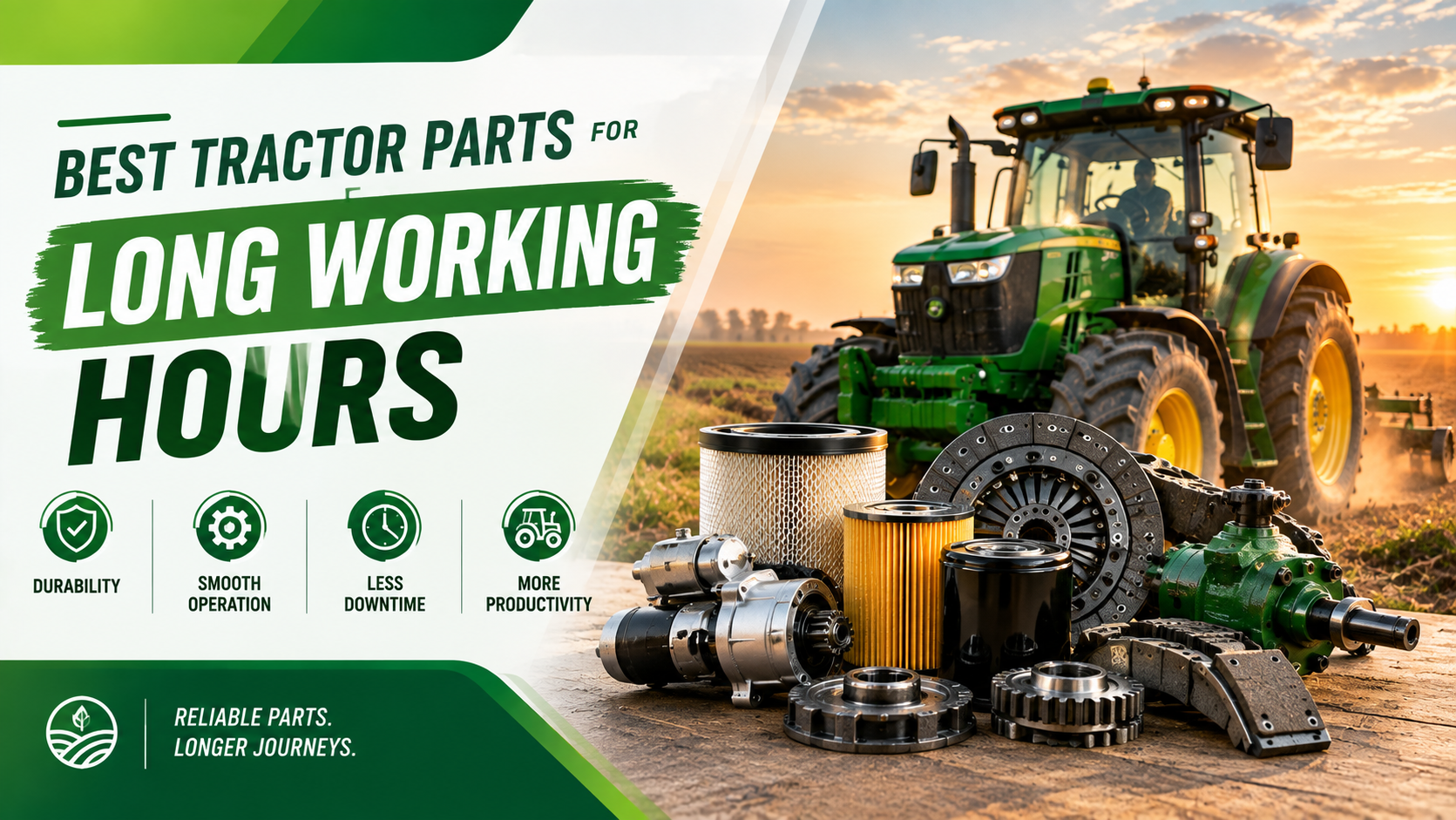
Discover the best tractor parts for long working hours, including engine filters, cooling components, belts, bearings, clutch, hydraulic, transmission parts, and tyres. Learn how quality tractor spare parts from Gropart, regular inspections, and timely replacement can help reduce...
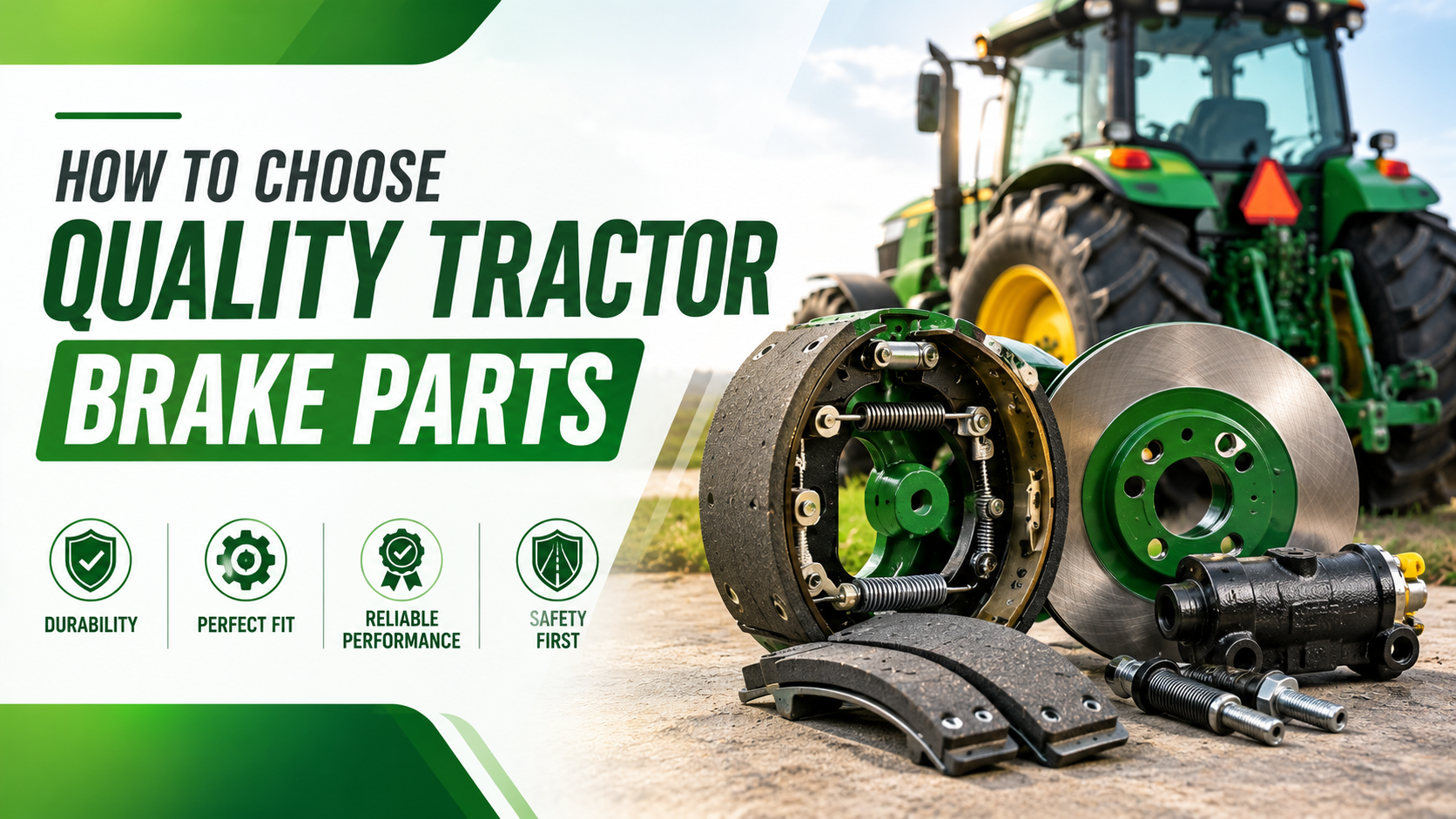
Learn how to choose quality tractor brake parts by checking fitment, brake type, material, durability, workload and supplier reliability for safer tractor performance.
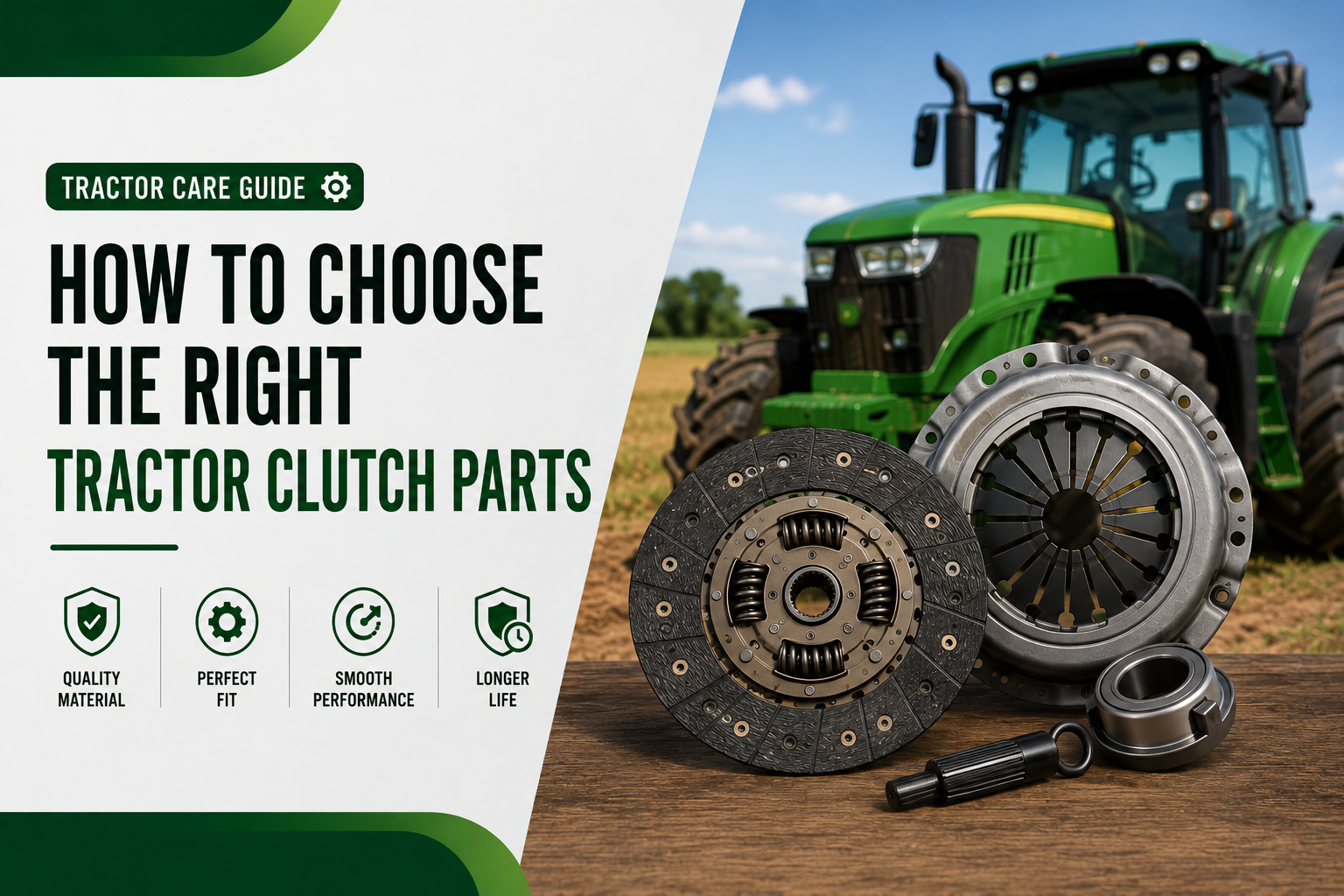
Learn how to choose the right tractor clutch parts by checking model, fitment, specifications, quality, working conditions, and compatibility for reliable performance.
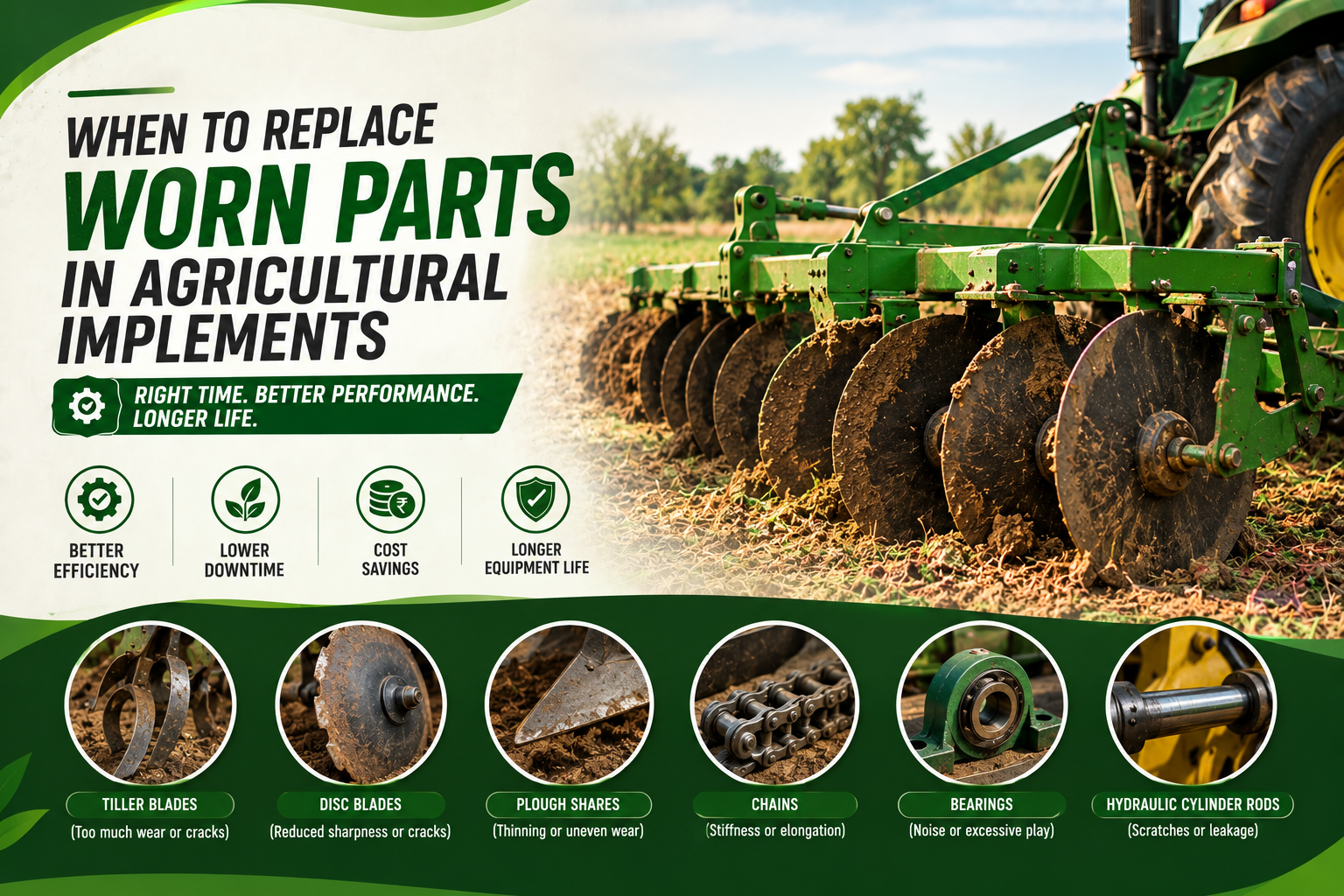
Learn when to replace worn agricultural implement parts such as blades, bearings, belts, chains, pins, bushes, and shafts to prevent breakdowns and maintain farm efficiency.
 हिन्दी