 हिन्दी



Learn how to choose the right tractor gear parts by checking model, part number, size, tooth design, material, compatibility, and quality
COD उपलब्ध नहीं है। हम केवल प्रीपेड ऑर्डर में काम करते हैं और पूरे भारत में शिपिंग करते है. COD is not available. We work in prepaid orders only and shipping PAN India.
X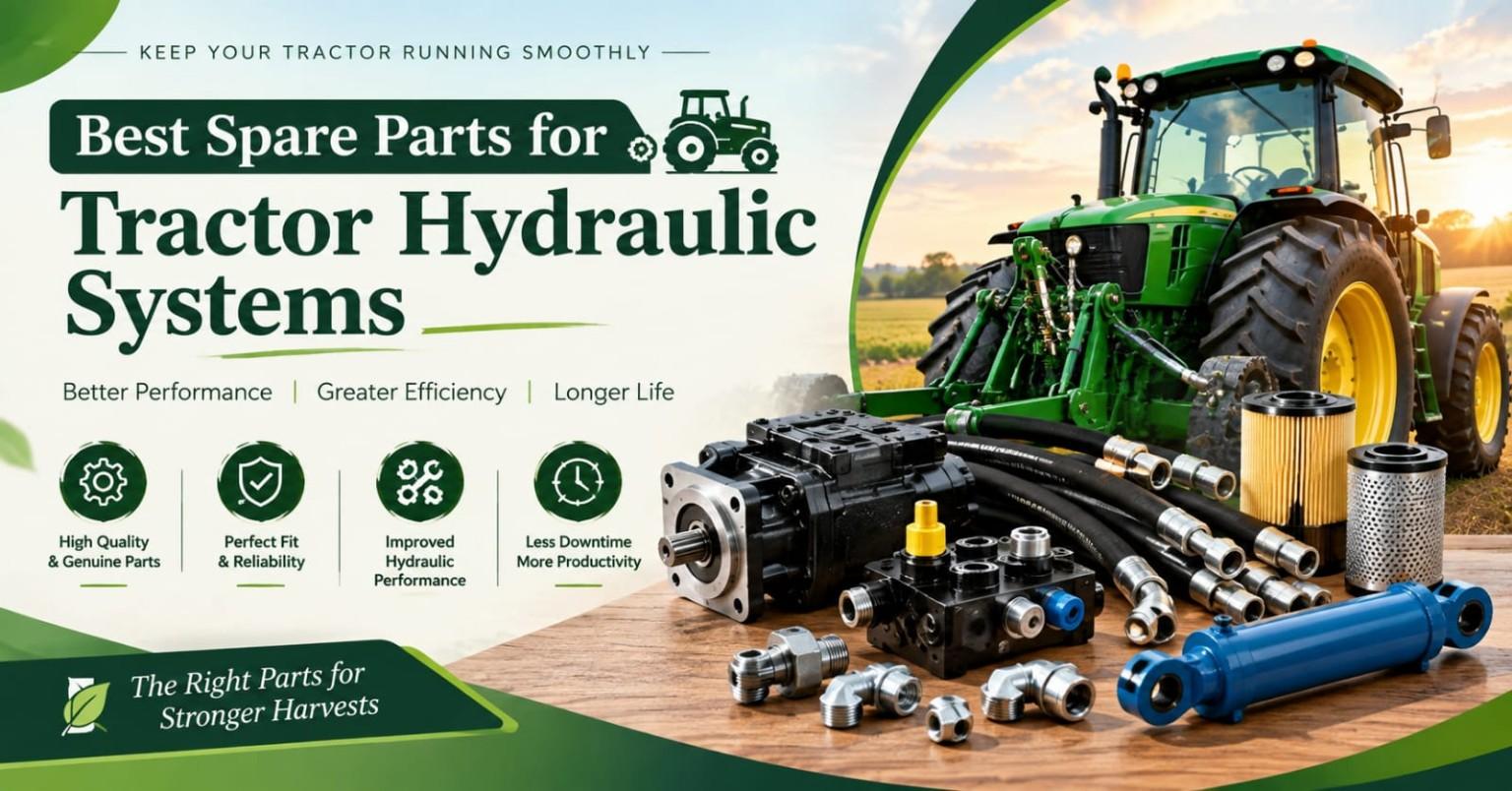
A tractor's hydraulic system plays an important role in modern farming. It helps lift and lower implements, operate loaders, control attachments, and perform many tasks that would otherwise require significant manual effort. When the hydraulic system works properly, these operations feel smooth and controlled. When a hydraulic component becomes worn or damaged, even a powerful tractor can struggle to complete basic field work.
Hydraulic systems operate under pressure, heat, and continuous movement. This makes the condition of hydraulic spare parts especially important. Using suitable replacement components can help maintain lifting performance, reduce fluid leakage, and prevent unnecessary downtime.
For farmers, mechanics, and first-time buyers, understanding the main tractor hydraulic parts can make maintenance and replacement decisions easier. Here are some of the most important spare parts to consider when maintaining a tractor's hydraulic system.
A hydraulic system contains several components that work together to transfer pressure and move equipment. The hydraulic pump sends fluid through the system, while valves control its direction and cylinders convert hydraulic pressure into movement.
Because these parts operate under pressure, small problems can gradually become larger failures.
Common signs of hydraulic trouble include:
Regular inspection can help identify worn components before they cause major downtime.
The hydraulic pump is one of the most important parts of the system. It creates the flow and pressure needed to operate hydraulic equipment.
A worn pump may struggle to maintain proper pressure, especially when the tractor is working with a heavy implement.
Signs of a possible pump problem include unusual noise, slow lifting, reduced hydraulic pressure, and excessive heat.
When replacement is necessary, the pump should match the tractor's hydraulic specifications. Choosing a properly fitted hydraulic pump helps maintain the required fluid flow and system performance.
Hydraulic oil must remain clean because contaminants can damage pumps, valves, cylinders, and other sensitive components.
The hydraulic filter removes dirt and particles from the fluid before they circulate through the system.
A clogged filter can restrict oil flow and reduce hydraulic efficiency.
Replacing the filter at the recommended interval is a simple maintenance step that can protect more expensive hydraulic components.
Hydraulic hoses carry pressurised fluid between different components.
They are exposed to pressure, heat, vibration, and movement during normal tractor operation. Over time, hoses may develop cracks, swelling, abrasion, or leaks.
A damaged hose should not be ignored because hydraulic oil can escape rapidly under pressure.
When replacing a hose, check its length, connection type, pressure rating, and compatibility with the tractor's hydraulic system.
Seals help prevent hydraulic oil from escaping from pumps, cylinders, valves, and other connections.
Worn seals are a common cause of hydraulic leakage.
A leaking seal can reduce fluid levels and may allow contaminants to enter the system.
Replacing damaged seals with suitable components can help restore proper sealing and reduce fluid loss.
O-rings are small components, but they have an important role in preventing leakage at hydraulic connections.
An old, hardened, cracked, or incorrectly sized O-ring may allow oil to escape.
During hydraulic repairs, mechanics should inspect O-rings and replace them when necessary.
The replacement O-ring must be made from material suitable for the application and should have the correct size.
Hydraulic cylinders convert fluid pressure into mechanical movement. They are responsible for many lifting and lowering functions on tractors.
Cylinder problems can occur because of worn seals, damaged rods, internal wear, or contamination.
A leaking cylinder may gradually lose lifting performance.
Depending on the condition, the cylinder may require seal replacement, repair, or complete replacement.
Hydraulic control valves regulate where hydraulic oil flows and control the movement of cylinders and implements.
A faulty valve can cause slow, uneven, or uncontrolled hydraulic movement.
If a valve becomes worn or contaminated, proper diagnosis is necessary before replacing it.
Choosing the correct valve based on the tractor's hydraulic system is essential because different systems can have different pressure and flow requirements.
The relief valve helps protect the hydraulic system from excessive pressure.
If system pressure becomes too high, the relief valve provides a way for pressure to be controlled.
A faulty relief valve can affect hydraulic performance and may place unnecessary stress on other components.
Because pressure-related components are important for system safety and reliability, they should be inspected and adjusted according to the manufacturer's specifications.
Hydraulic pipes and fittings connect different parts of the system.
Loose, damaged, or incorrectly fitted connections can cause leaks and reduce system efficiency.
When replacing fittings, check the thread type, size, connection design, and application.
Using the correct fitting helps create a secure connection and reduces the chance of repeated leakage.
Hydraulic oil is not technically a spare part, but it is essential to hydraulic system performance.
The correct hydraulic oil helps transfer pressure, lubricate components, control heat, and protect against wear.
Farmers should follow the tractor manufacturer's recommendations when selecting hydraulic oil.
Using the wrong fluid or mixing unsuitable oils can affect hydraulic performance and component life.
Hydraulic components operate under pressure, so quality is particularly important.
A poorly manufactured hose, seal, filter, pump, or fitting may fail earlier than expected and can affect other parts of the system.
When purchasing hydraulic spare parts, farmers should consider the component's specifications, material quality, compatibility, and expected working conditions.
Gropart provides tractor and agricultural machinery spare parts for farmers and mechanics looking for suitable replacement components.
One of the most common mistakes when buying tractor hydraulic parts is selecting a component based only on appearance.
Two hydraulic components may look similar but have different pressure ratings, dimensions, connection types, or flow requirements.
Before purchasing, check the tractor model, original part number, dimensions, and technical specifications.
For hydraulic components, correct compatibility is essential for reliable operation.
Hydraulic components may experience different levels of stress depending on how the tractor is used.
A tractor operating heavy loaders, lifting large implements, or working for long hours may place greater demands on its hydraulic system.
Dust, high temperatures, rough terrain, and frequent hydraulic operation can also affect component life.
Choosing suitable spare parts according to actual working conditions can help improve reliability.
A small oil leak may appear harmless, but it should not be ignored.
Continuous leakage can lower hydraulic oil levels and reduce system performance.
Oil can also contaminate other tractor components or the surrounding working area.
If a leak is noticed around a hose, fitting, cylinder, or seal, identify the source and repair it as soon as possible.
Good maintenance can extend the life of hydraulic spare parts.
Farmers should regularly check the hydraulic oil level, inspect hoses and fittings, replace filters on schedule, and watch for changes in lifting performance.
Keeping the system clean is equally important.
Before opening hydraulic connections, the surrounding area should be cleaned to reduce the chance of dirt entering the system.
Waiting until a hydraulic component completely fails can lead to significant downtime.
For example, a damaged hose may suddenly burst, while a worn seal can develop into a larger leak.
Replacing worn components early can help prevent more expensive repairs and keep the tractor available for important farm work.
The hydraulic system is essential for lifting, controlling, and operating many tractor implements. Hydraulic pumps, filters, hoses, seals, O-rings, cylinders, valves, fittings, and other components all work together to provide reliable performance.
Choosing the right hydraulic spare parts requires attention to tractor model, part number, dimensions, pressure requirements, material quality, and working conditions. Farmers should avoid selecting components based only on appearance or price and should always confirm compatibility before installation.
Regular oil checks, filter replacement, leak inspection, and timely repairs can further improve hydraulic system reliability. By choosing properly fitted and quality hydraulic spare parts from Gropart, farmers and mechanics can reduce unexpected breakdowns, protect important components, and keep their tractors performing efficiently throughout demanding agricultural work.
Learn how to choose the right tractor gear parts by checking model, part number, size, tooth design, material, compatibility, and quality
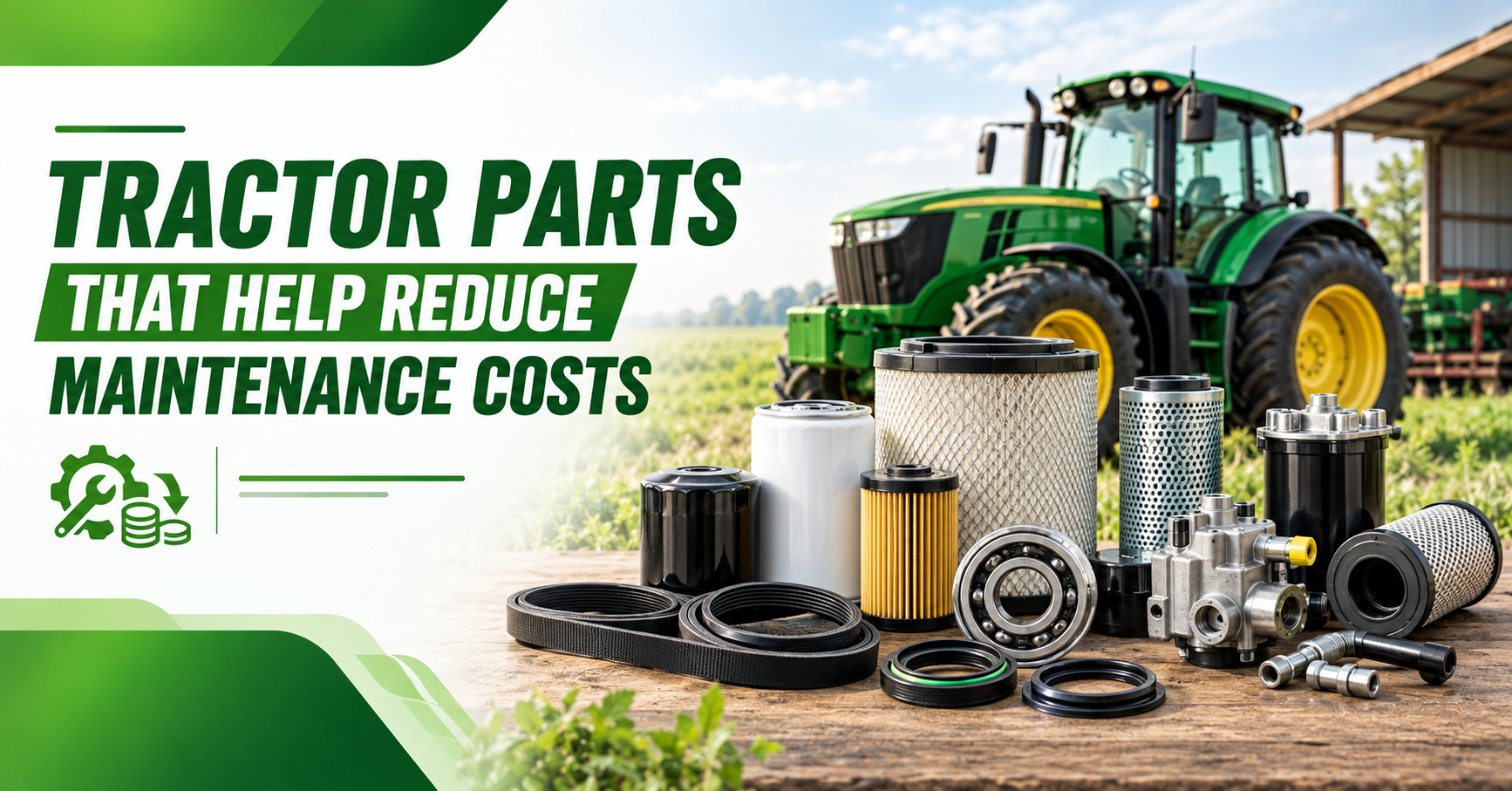
Discover how quality tractor parts like filters, bearings, belts, seals and hydraulic components can reduce maintenance costs and prevent costly repairs
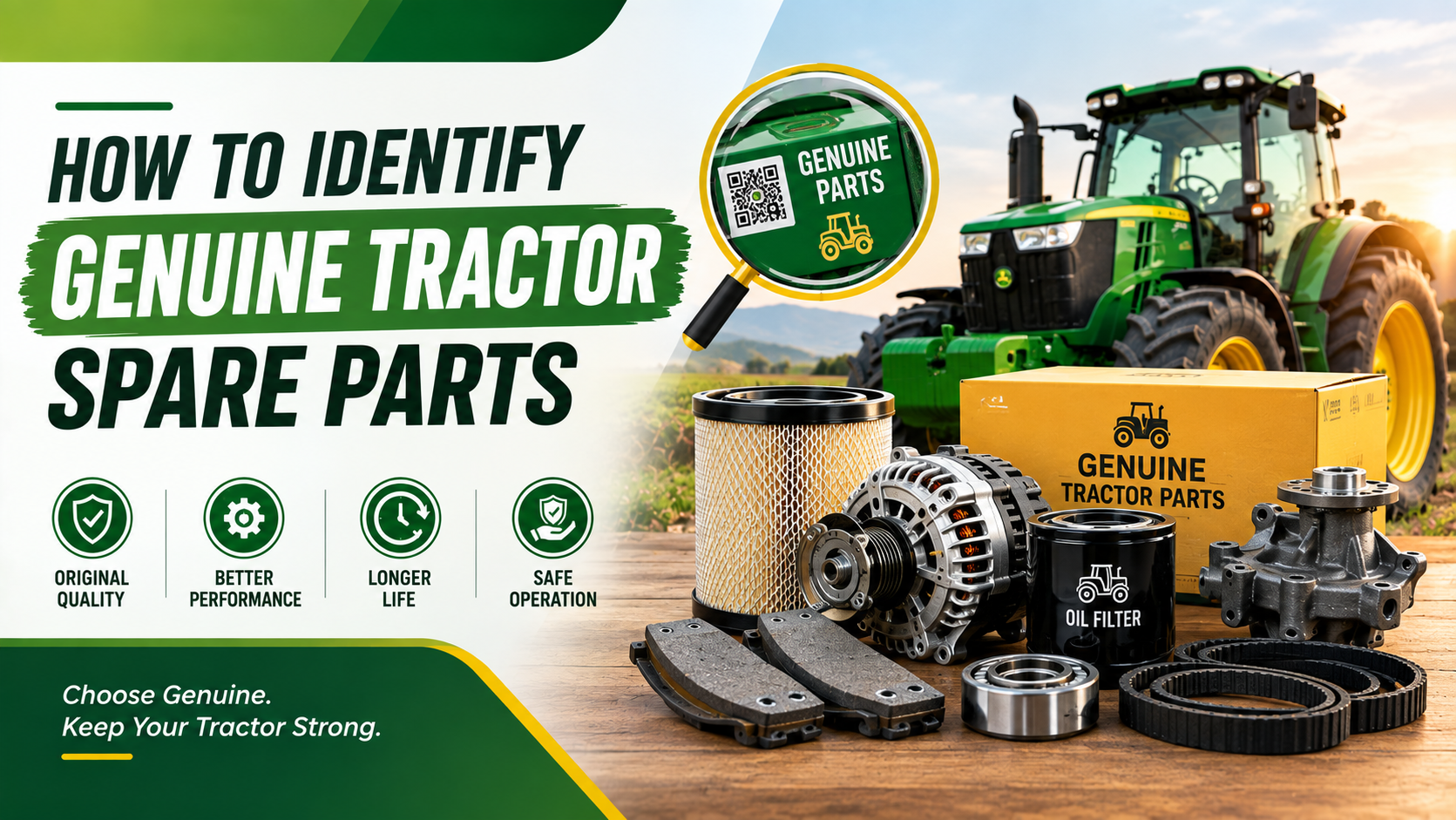
Learn how to identify genuine tractor spare parts by checking part numbers, packaging, fitment, material quality, markings, specifications, and supplier reliability. Follow these practical tips to choose reliable tractor parts, avoid poor-quality components, reduce breakdowns, an...
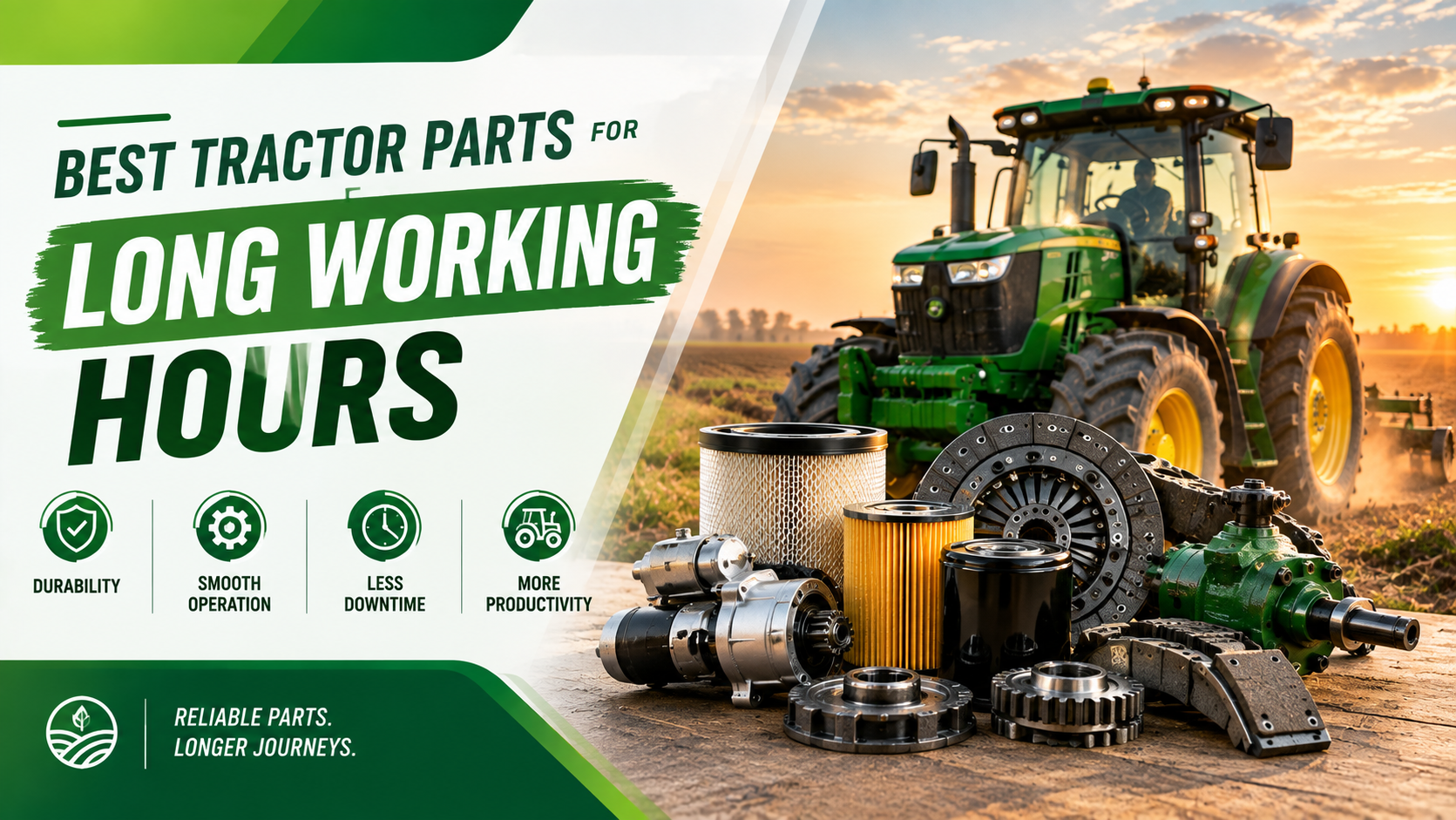
Discover the best tractor parts for long working hours, including engine filters, cooling components, belts, bearings, clutch, hydraulic, transmission parts, and tyres. Learn how quality tractor spare parts from Gropart, regular inspections, and timely replacement can help reduce...