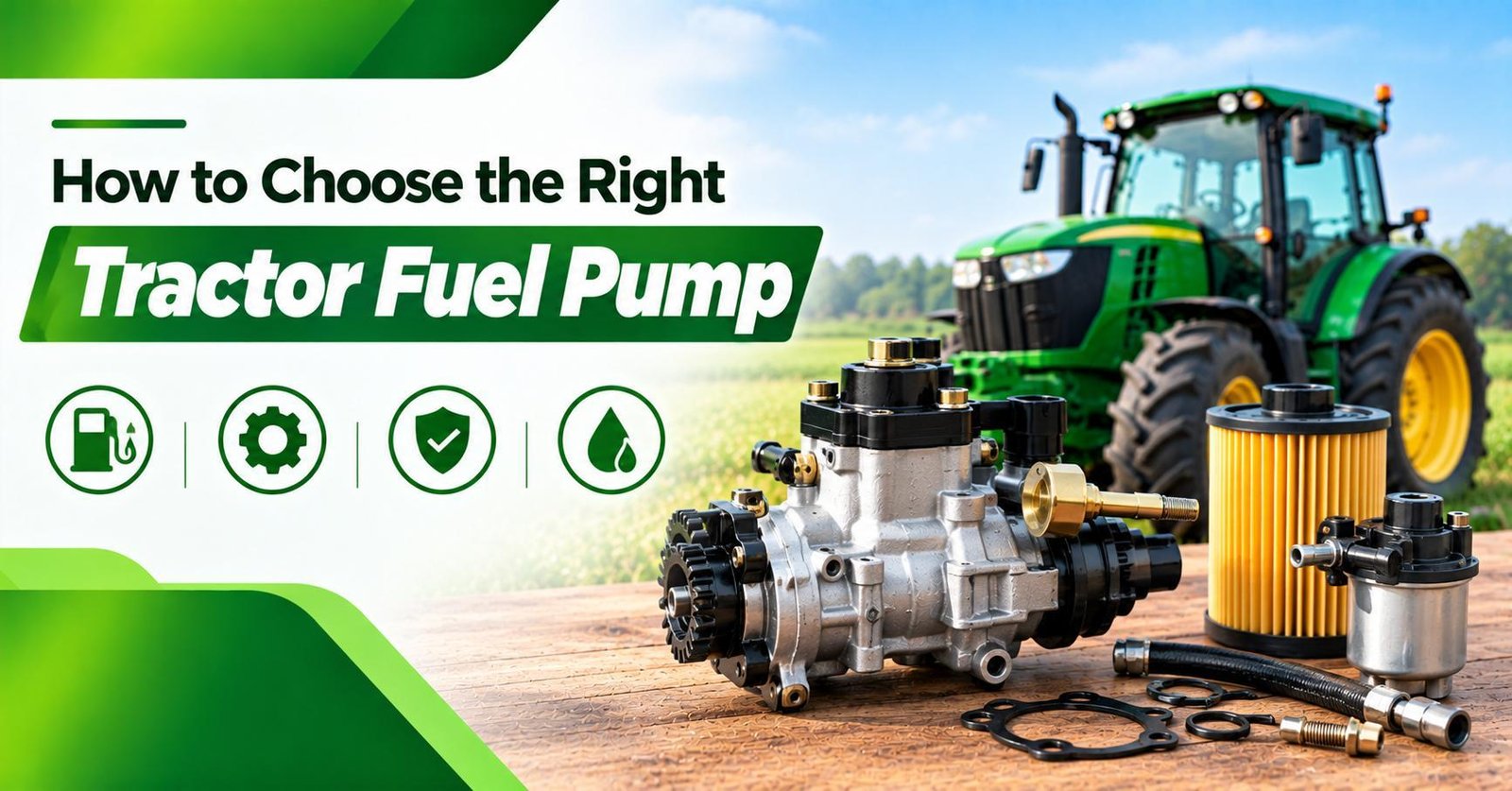
Learn how to choose the right tractor fuel pump by checking compatibility, specifications, quality and installation requ...
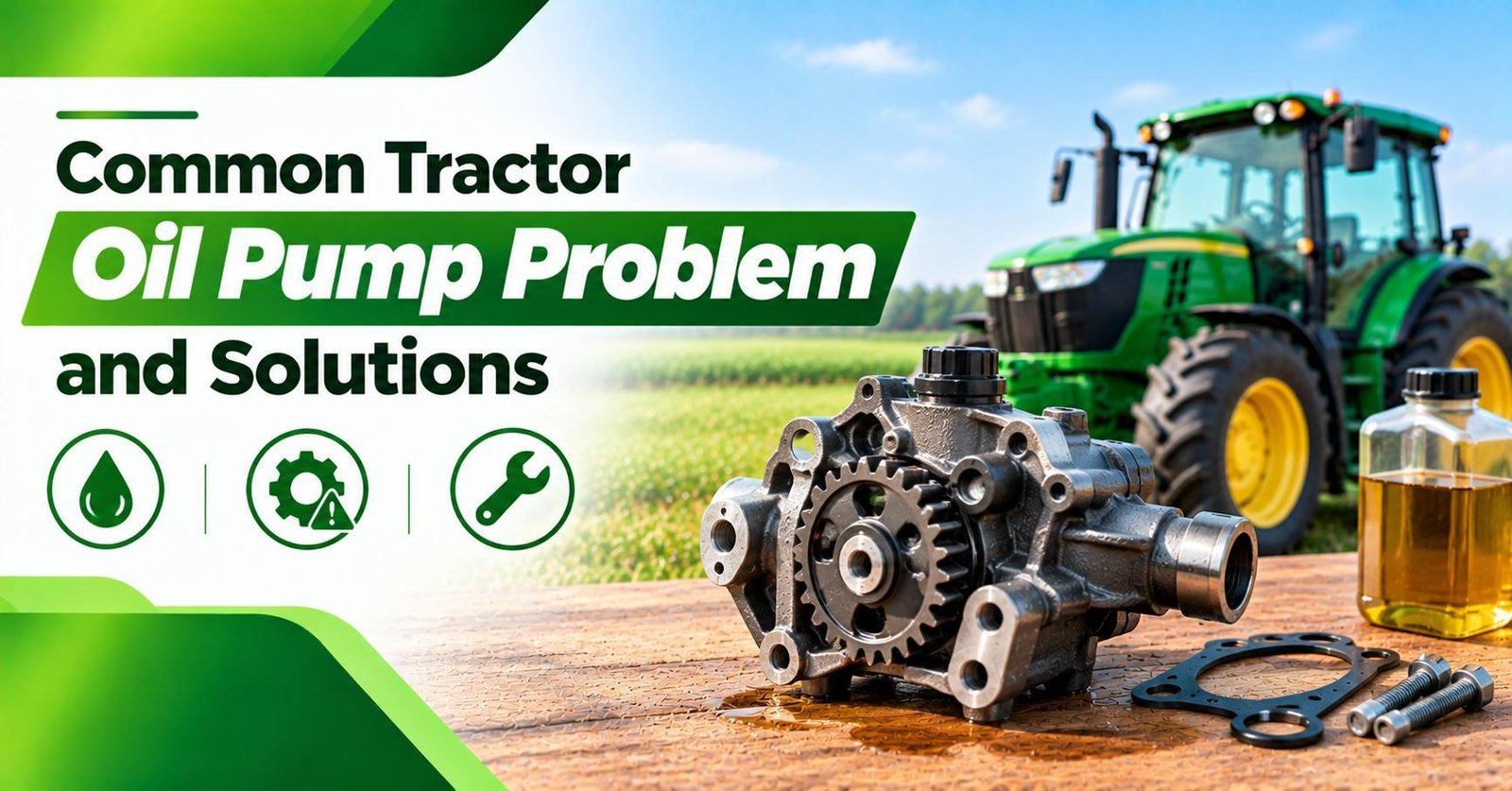
A tractor engine contains many moving parts that work together during farming and transportation activities. These parts need proper lubrication to reduce friction, control wear, and support smooth engine operation. The tractor oil pump plays an important role by circulating engine oil through the lubrication system and helping maintain the oil pressure required by the engine.
When the oil pump develops a problem, engine lubrication may become insufficient. This can increase friction, cause overheating, and lead to serious engine damage if the issue is ignored. For farmers who depend on their tractors for daily work, identifying oil pump problems early can help prevent unexpected breakdowns and expensive repairs.
In this blog, we will explain common tractor oil pump problems, their warning signs, possible causes, and practical solutions to help maintain reliable engine performance.
The tractor oil pump circulates engine oil through important engine components, including bearings and other moving parts. The oil creates a lubricating film that helps reduce direct metal-to-metal contact.
The pump draws oil from the engine's oil sump through a pickup and sends it through the lubrication system. The oil then reaches the parts that need lubrication before returning to the sump.
Proper oil circulation helps reduce friction, limit wear, and carry some heat away from engine components. It also supports the engine's overall lubrication system during demanding work.
If the oil pump cannot circulate oil effectively, the engine may experience low oil pressure and insufficient lubrication. This is why regular oil checks and timely repairs are essential.
Low oil pressure is one of the most important warning signs of a possible tractor oil pump problem. The engine requires sufficient oil pressure to deliver lubrication to its moving components.
If the oil pressure warning light comes on or the pressure gauge shows a reading below the manufacturer's recommended range, the cause should be investigated immediately.
Possible causes include a worn oil pump, low engine oil level, a blocked oil pickup, a clogged filter, excessive bearing clearance, or an unsuitable oil viscosity.
Solution: Stop the engine safely if the oil pressure warning appears. Check the oil level after following the manufacturer's instructions. If the oil level is correct and the warning continues, arrange a professional inspection before restarting the tractor.
Do not assume that replacing the oil pump will solve every low-pressure problem. A mechanic should inspect the complete lubrication system to identify the actual cause.
Like other mechanical components, an oil pump can wear out after long periods of use. Internal parts such as gears, rotors, and housing surfaces may gradually deteriorate, depending on the pump design and operating conditions.
As wear increases, the pump may become less effective at supplying oil at the required pressure and flow rate.
A worn pump may cause low oil pressure, especially when the engine is hot or operating under load. However, similar symptoms can also result from worn engine bearings or other lubrication system faults.
Solution: Have the pump inspected if oil pressure remains low after checking the oil level, filter, and other basic factors. If internal wear exceeds the manufacturer's limits, replacing the pump with a compatible, good-quality part may be necessary.
The oil pickup draws engine oil from the sump and supplies it to the oil pump. It usually includes a screen that helps prevent larger contaminants from entering the lubrication system.
Sludge, dirt, or debris can restrict this screen and reduce the amount of oil reaching the pump. This may lead to low oil pressure or interrupted lubrication.
Contamination can develop when oil changes are delayed, unsuitable oil is used, or the engine has accumulated deposits over time.
Solution: A mechanic can inspect the oil sump and pickup screen for blockages. If cleaning is appropriate, the parts should be cleaned correctly, and the cause of contamination should also be addressed.
Regular oil changes using the recommended engine oil can help reduce the risk of sludge buildup.
Oil leakage near the pump may occur because of a damaged gasket, worn seal, loose connection, cracked housing, or another nearby component.
You may notice oil stains under the tractor, wet areas around the engine, or a reduction in the oil level between checks.
An external leak can reduce the amount of oil available for circulation. If the oil level drops too far, the engine may not receive adequate lubrication.
Solution: Identify the exact source of the leak before replacing parts. Depending on the cause, the repair may involve replacing a gasket or seal, tightening a connection to the specified torque, or replacing a damaged pump housing.
After the repair, check the oil level and inspect the area for further leakage.
The oil pump depends on engine oil with the correct viscosity and suitable performance characteristics. Oil that is too thick or too thin for the engine's operating conditions can affect lubrication system performance.
Dirty or degraded oil may also contain contaminants that contribute to wear and blockages.
Using the wrong oil can make it harder for the lubrication system to maintain the intended oil flow and pressure, particularly during cold starts or demanding work.
Solution: Follow the tractor manufacturer's recommendations for oil grade, viscosity, and service intervals. Replace old or contaminated oil and the oil filter as required.
Avoid mixing different oil products unless their compatibility is confirmed. The correct oil helps protect the pump and other engine components.
The oil filter removes contaminants from engine oil before the oil reaches sensitive engine components. Over time, the filter can collect dirt, metal particles, and other deposits.
A clogged filter may restrict oil flow. Many engines have a bypass valve designed to help maintain oil supply when the filter becomes restricted, but the operation and consequences depend on the engine design.
Although a clogged filter is not the same as a faulty oil pump, it can contribute to lubrication problems and symptoms that appear similar.
Solution: Replace the oil filter according to the manufacturer's maintenance schedule or when required by its condition. Use a filter that matches the tractor's engine specifications.
If oil pressure remains low after replacing the filter and confirming the correct oil level, have the lubrication system inspected further.
Many tractor oil pumps or lubrication systems use a pressure relief valve to control excessive oil pressure. The valve helps keep pressure within the intended operating range.
If the valve sticks open, oil pressure may become too low. If it sticks closed or does not operate correctly, pressure may rise beyond the intended range.
These problems can affect lubrication and may contribute to oil leaks or other engine issues.
Solution: A qualified mechanic should inspect the relief valve and related components according to the manufacturer's procedure. Depending on the design and condition, cleaning, servicing, or replacement may be required.
Avoid adjusting or modifying the valve without the correct specifications because incorrect pressure settings can damage the engine.
Insufficient oil pressure can prevent moving engine components from receiving adequate lubrication. As a result, you may hear knocking, ticking, or other unusual mechanical noises.
These sounds can indicate serious engine problems, particularly when accompanied by an oil pressure warning or an abnormal pressure reading.
However, unusual engine noise does not always mean the oil pump has failed. Worn bearings, valve train problems, and other mechanical faults can produce similar sounds.
Solution: Switch off the engine if unusual noise occurs alongside low oil pressure. Do not continue using the tractor to complete fieldwork. Arrange an inspection to determine whether the pump, bearings, or another component is responsible.
Continuing to operate an engine with inadequate lubrication can turn a repairable fault into major engine damage.
Regular maintenance helps protect the lubrication system and reduce the risk of oil pump failure. Follow these simple practices:
Tractors used for long hours, heavy work, or dusty conditions may require particular attention to their maintenance schedule. Always follow the manufacturer's recommendations for your specific model and working conditions.
If inspection confirms that the oil pump needs replacement, selecting the correct part is essential. A pump that does not match the engine may fail to fit properly or provide the required oil pressure and flow.
Before purchasing a replacement, check the tractor's make, model, manufacturing year, engine details, and original oil pump part number where available. Also verify the pump's mounting arrangement and specifications.
Choose a product from a reliable spare parts supplier and review the available product details, warranty terms, and compatibility information.
Gropart provides spare parts for tractors, JCB machines, threshers, and other agricultural machinery applications. When sourcing a tractor oil pump, confirm that the selected part is suitable for your particular tractor model before placing an order.
Proper installation is equally important. The oil pump should be fitted according to the manufacturer's instructions, and the lubrication system should be checked to confirm correct operation before the tractor returns to regular work.
Tractor oil pump problems can affect engine lubrication, performance, and long-term reliability. Low oil pressure, worn internal components, a blocked pickup, oil leakage, incorrect engine oil, clogged filters, and pressure relief valve faults are common issues that require attention.
The most important step is to identify the actual cause before replacing any component. If the oil pressure warning appears or the engine develops unusual noise, stop operating the tractor and arrange a proper inspection.
Regular oil changes, suitable filters, the correct engine oil, and timely maintenance can help protect the lubrication system. When replacement becomes necessary, choose a compatible, good-quality tractor oil pump to support reliable engine operation and help reduce the risk of costly breakdowns.
1. What are the common signs of a faulty tractor oil pump?
Common warning signs include low oil pressure, an oil pressure warning light, unusual engine noise, and lubrication-related engine problems. Oil leakage may also occur if the pump's seals or housing are damaged.
2. Can a tractor run with a faulty oil pump?
Operating a tractor with a faulty oil pump or inadequate oil pressure can cause severe engine damage. Stop the engine if the oil pressure warning appears and have the problem diagnosed before restarting it.
3. What causes low oil pressure in a tractor?
Low oil pressure can result from a worn oil pump, low oil level, a blocked pickup, a clogged filter, unsuitable oil, or excessive wear inside the engine.
4. How often should tractor engine oil be changed?
The correct oil change interval depends on the tractor model, engine, operating hours, and working conditions. Follow the maintenance schedule provided by the manufacturer.
5. When should a tractor oil pump be replaced?
Replacement may be necessary when inspection confirms excessive internal wear, irreparable damage, or an inability to meet the manufacturer's oil pressure and flow requirements. Other lubrication system faults should be ruled out first.
शेयर करें:
Learn how to choose the right tractor fuel pump by checking compatibility, specifications, quality and installation requ...
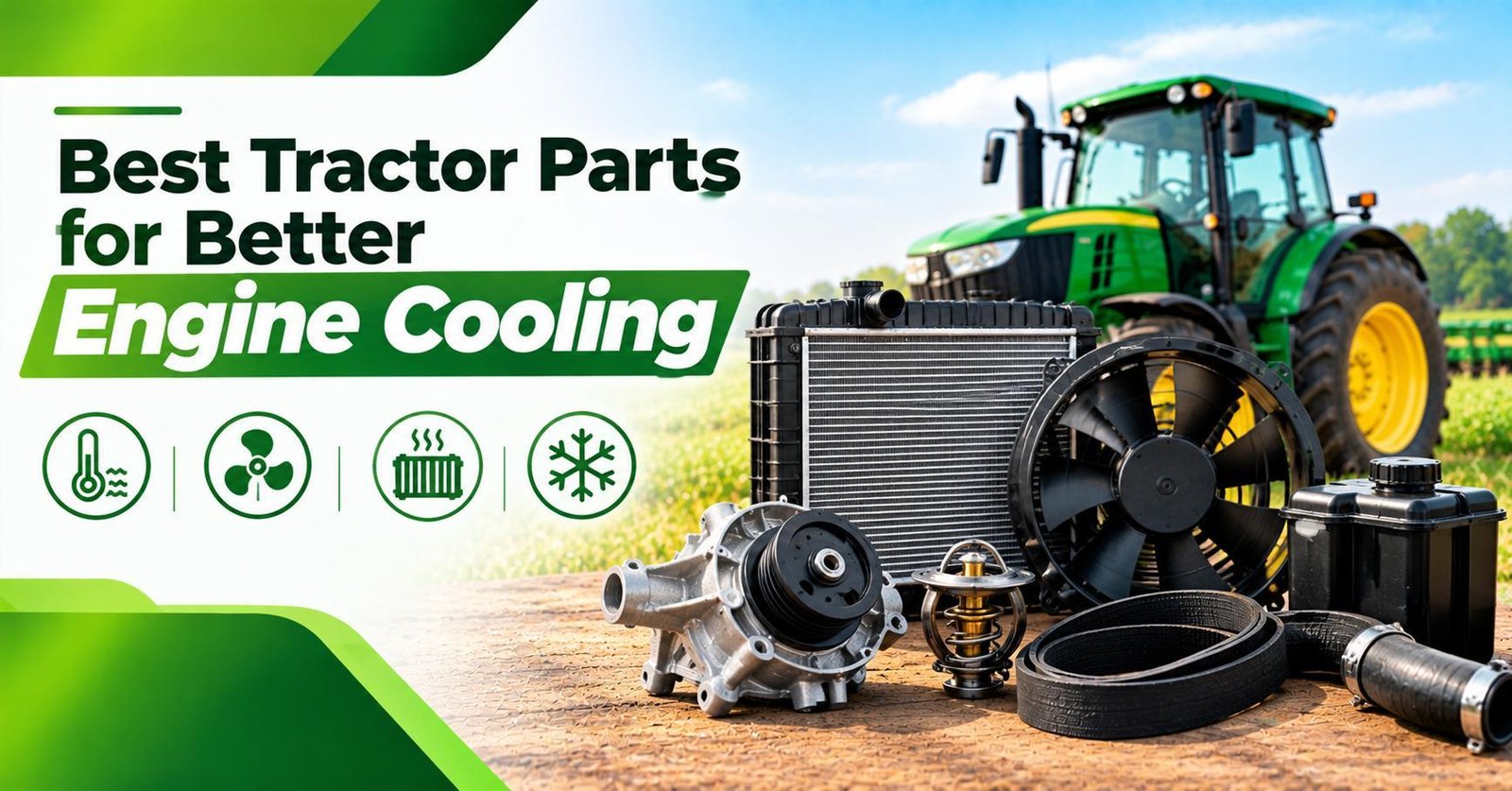
Discover the best tractor engine cooling parts, including radiators, water pumps, thermostats, fans, hoses, and belts. E...
Learn the common signs of tractor water pump failure, including overheating, coolant leaks, unusual noises, and poor cir...
Learn how to choose the right tractor radiator by checking compatibility, size, material, build quality, cooling require...