Learn about common tractor oil pump problems, including low oil pressure, oil leaks, clogged filters, and worn component...
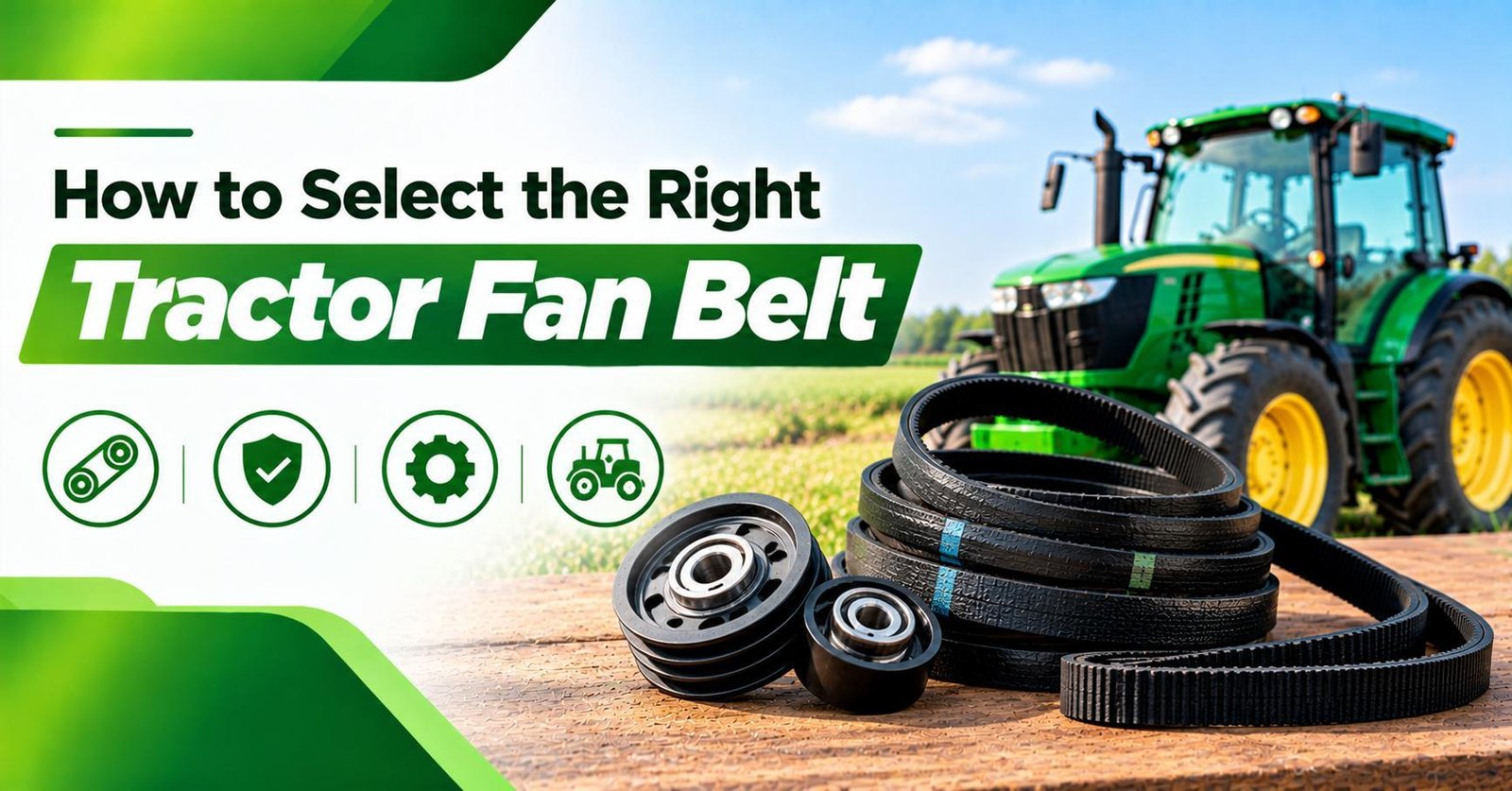
A tractor works for long hours in demanding conditions, from ploughing and cultivation to harvesting and transporting heavy loads. During these activities, the engine produces heat that must be controlled to maintain reliable performance. The tractor fan belt plays an important role in this process by transferring power from the engine to components such as the cooling fan and, depending on the tractor's design, the water pump or alternator.
Choosing the wrong fan belt can lead to slipping, poor cooling performance, charging problems, unusual noise, and unexpected downtime. A belt that is too loose may not transfer power properly, while one that is too tight can put unnecessary pressure on bearings and pulleys.
Selecting the correct tractor fan belt helps maintain proper component operation and reduces the risk of avoidable breakdowns. In this guide, we will explain how to choose the right fan belt, what to check before buying one, and how to maintain it for longer service life.
A tractor fan belt is a flexible belt that transfers mechanical power between pulleys. In many tractors, it drives the cooling fan and water pump. Some designs also use the same belt to drive the alternator or other accessories.
The exact arrangement depends on the tractor model and engine design.
When the belt works correctly, the connected components can operate as intended. If it becomes worn, loose, or damaged, the cooling fan or water pump may not work properly, increasing the risk of engine overheating. If the alternator is belt-driven, charging performance may also be affected.
Because the fan belt supports important engine functions, it should be inspected regularly and replaced when it shows signs of excessive wear.
The first step in choosing the right tractor fan belt is identifying your tractor's make, model, and manufacturing year. Different tractors use different belt sizes, profiles, and pulley arrangements.
Even tractors from the same manufacturer may require different belts because of differences in engine design or accessory configuration.
Before purchasing a replacement, check the following details:
Your tractor's owner's manual is a useful source for this information. You can also check the part number printed on the existing belt or ask a reliable spare parts supplier to confirm compatibility.
Checking these details before buying helps prevent fitment problems and saves time during repairs.
Belt size is one of the most important factors when selecting a replacement. The belt must fit correctly around the pulleys and maintain the tension recommended by the manufacturer.
A belt that is too short may be difficult to install and could create excessive tension. A belt that is too long may remain loose even after adjustment, causing it to slip during operation.
Check the belt length and width specified for your tractor. If the original belt is available, its printed identification code may help you find the correct replacement. However, do not rely on visual comparison alone because worn belts can change shape or become stretched.
If the belt marking is unreadable, use the tractor model and original part number to confirm the required size.
Tractors may use different belt designs depending on their engine and accessory system. Selecting the correct belt profile is important because it affects how the belt sits in the pulley and transfers power.
V-belts: These belts have a trapezoidal cross-section and fit into V-shaped pulley grooves. They are commonly used in many conventional tractor belt-drive systems.
Cogged or notched V-belts: These belts have notches on the inner surface that allow greater flexibility around pulleys. They are used in applications designed for that belt type.
Ribbed belts: These belts have multiple lengthwise ribs and are used in certain accessory drive systems.
Not every tractor can use every belt type. Always follow the original equipment specifications rather than choosing a different design simply because it appears similar.
A tractor fan belt operates under repeated movement, friction, and changes in engine load. It needs to withstand the working conditions for which it was designed.
The material and construction influence flexibility, wear resistance, and the belt's ability to transfer power. Depending on the design, belts may use rubber compounds reinforced with materials such as polyester or other fibres.
When selecting a replacement, look for clear product specifications, proper finishing, and a belt designed for your tractor's application. Purchase from a reliable supplier that can provide accurate fitment information.
Avoid choosing a belt based only on price. A low-cost belt that does not match the required specifications may wear quickly or cause operating problems. At the same time, a higher price alone does not guarantee better quality.
Before replacing the belt, inspect its condition to understand whether normal wear or another problem may be involved.
Common warning signs include:
If the belt shows significant damage, replace it according to the manufacturer's recommendations.
However, do not assume that a new belt will solve every problem. Worn pulleys, incorrect alignment, a failing bearing, or an improperly adjusted tensioner can damage a replacement belt as well.
Correct belt tension and pulley alignment are essential for reliable operation. Even a good-quality belt may slip or wear prematurely if the drive system is not properly adjusted.
If the belt is too loose, it may slip under load and produce a squealing sound. If it is too tight, it can place unnecessary stress on the water pump, alternator, tensioner, and other connected components.
Misaligned pulleys can cause uneven wear, fraying, and repeated belt failure.
Follow the tractor manufacturer's instructions for checking belt tension and alignment. Different tractor designs use different adjustment methods, so avoid applying a general tension measurement without confirming that it suits your model.
Always switch off the engine, remove the key, and allow moving parts to stop before inspecting the belt. If you are unsure how to adjust it safely, ask a qualified mechanic.
Tractors often operate in dusty fields, high temperatures, and demanding working environments. Long hours and heavy loads can increase the importance of regular belt inspection.
Dust and crop residue may collect around pulleys, while excessive heat or poor maintenance can contribute to premature wear. Incorrect tension and misalignment can also shorten belt life.
Choose a belt that matches the manufacturer's specifications for your tractor and its intended operating conditions. Do not install an oversized or unusually strong belt unless it is specifically approved for that application.
Regularly inspect the belt during routine maintenance, especially before long working days or important agricultural operations.
Price matters when buying tractor spare parts, but compatibility and reliability should come first. A correctly fitted belt helps connected components operate as intended and can reduce unnecessary downtime.
Before purchasing, compare the belt's specifications, brand or manufacturer information, warranty terms, and supplier reliability. Confirm whether the product is new and suitable for your tractor model.
If the belt is sold under a part number, verify that number against your tractor's original specifications. Ask the supplier for help if the available details are unclear.
Gropart provides spare parts for tractors, JCB machines, threshers, and other agricultural machinery applications. When sourcing a tractor fan belt, review the available product details and confirm compatibility with your specific tractor before placing an order.
Proper maintenance can help reduce unnecessary belt wear and improve reliability.
If a replacement belt wears out unusually quickly, investigate the cause rather than repeatedly installing new belts. The underlying issue may involve pulley alignment, tension, a damaged bearing, or another component in the drive system.
Selecting the right tractor fan belt is important for maintaining reliable engine cooling and proper operation of belt-driven components. The correct belt should match your tractor's model, size requirements, belt profile, and original specifications.
Before buying a replacement, inspect the existing belt, verify its part number, and check the condition of the pulleys and connected components. Correct tension, proper alignment, and regular maintenance can help extend belt life and reduce unexpected breakdowns.
Choosing a compatible, good-quality fan belt from a reliable supplier helps keep your tractor ready for demanding agricultural work. A simple inspection and timely replacement can prevent small belt problems from turning into bigger maintenance issues.
1. How do I choose the right fan belt for my tractor?
Check your tractor's make, model, manufacturing year, original belt part number, required length, width, and belt profile. Confirm compatibility before purchasing.
2. What are the signs of a worn tractor fan belt?
Common signs include cracks, frayed edges, a shiny belt surface, unusual squealing, visible damage, and repeated slipping.
3. Can a faulty fan belt cause tractor overheating?
Yes. If the belt drives the cooling fan or water pump, slipping or breakage may affect cooling performance and cause the engine to overheat.
4. How often should a tractor fan belt be replaced?
The replacement interval depends on the tractor model, belt condition, operating hours, and working conditions. Follow the manufacturer's recommendations and replace the belt when necessary.
5. Why does my new tractor fan belt keep slipping?
Possible causes include incorrect belt size, insufficient tension, misaligned pulleys, worn pulley grooves, or a problem with a connected component. Inspect the complete drive system before installing another belt.
शेयर करें:
Learn about common tractor oil pump problems, including low oil pressure, oil leaks, clogged filters, and worn component...
Learn how to choose the right tractor fuel pump by checking compatibility, specifications, quality and installation requ...
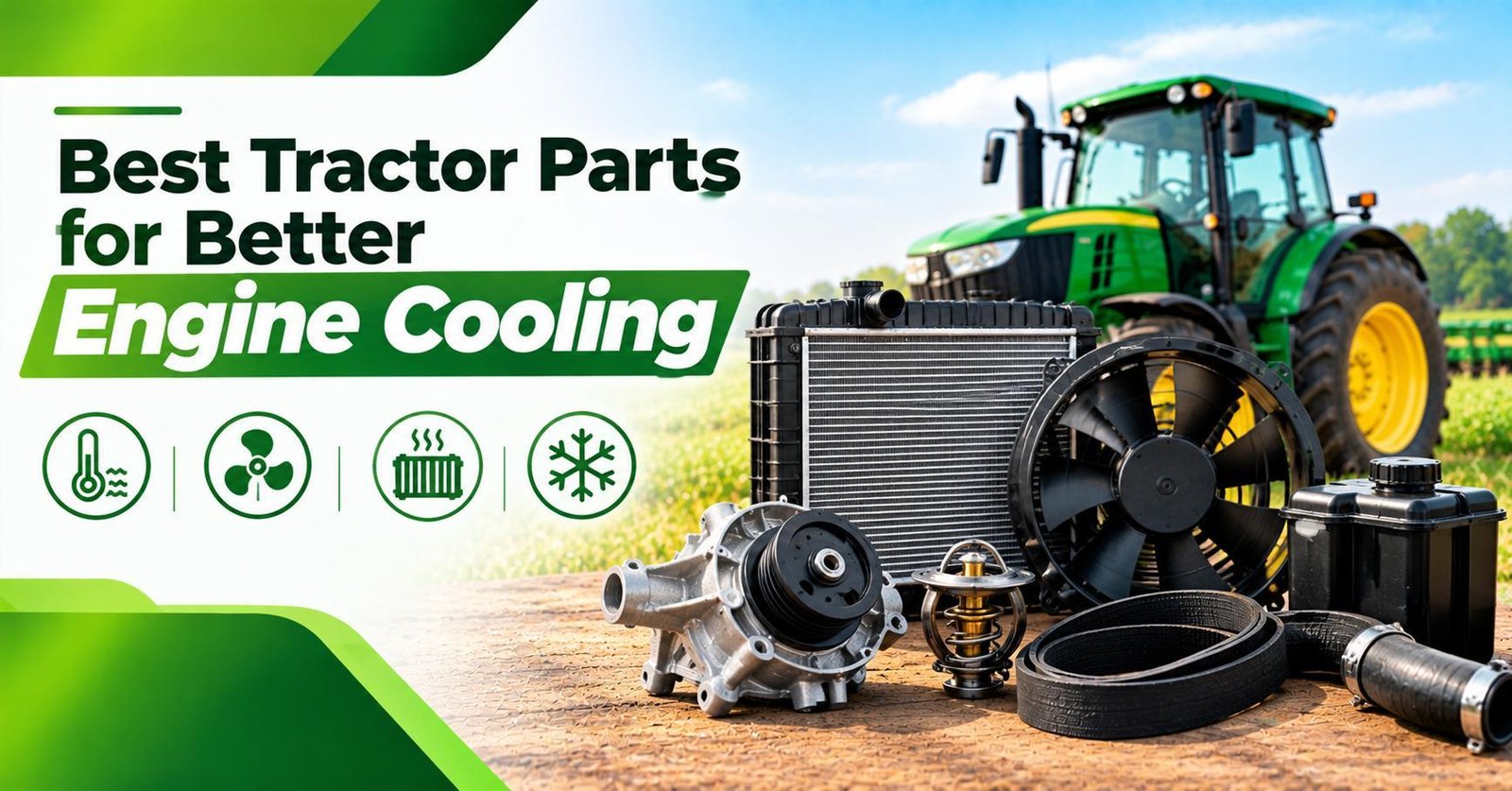
Discover the best tractor engine cooling parts, including radiators, water pumps, thermostats, fans, hoses, and belts. E...
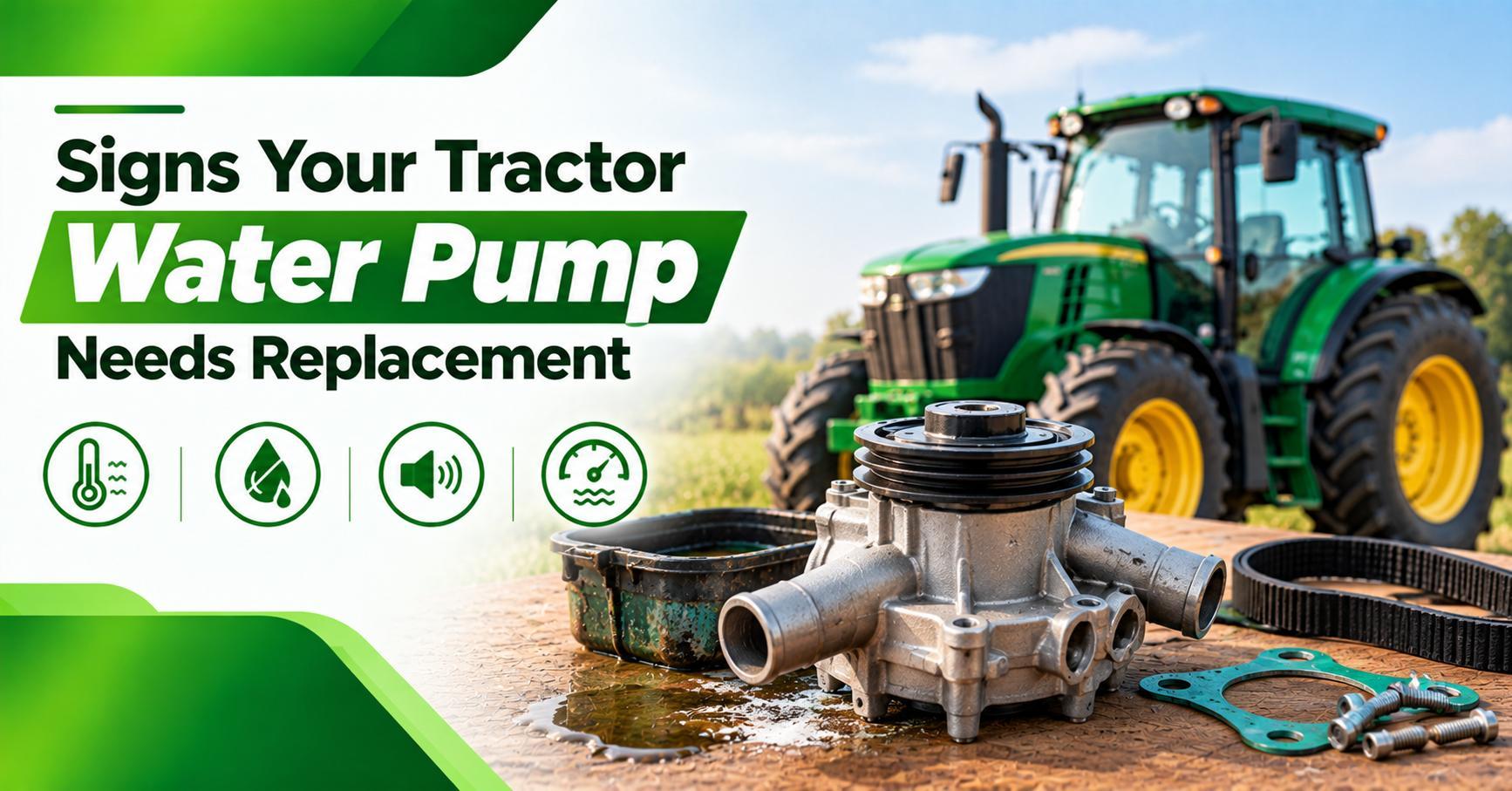
Learn the common signs of tractor water pump failure, including overheating, coolant leaks, unusual noises, and poor cir...