 हिन्दी


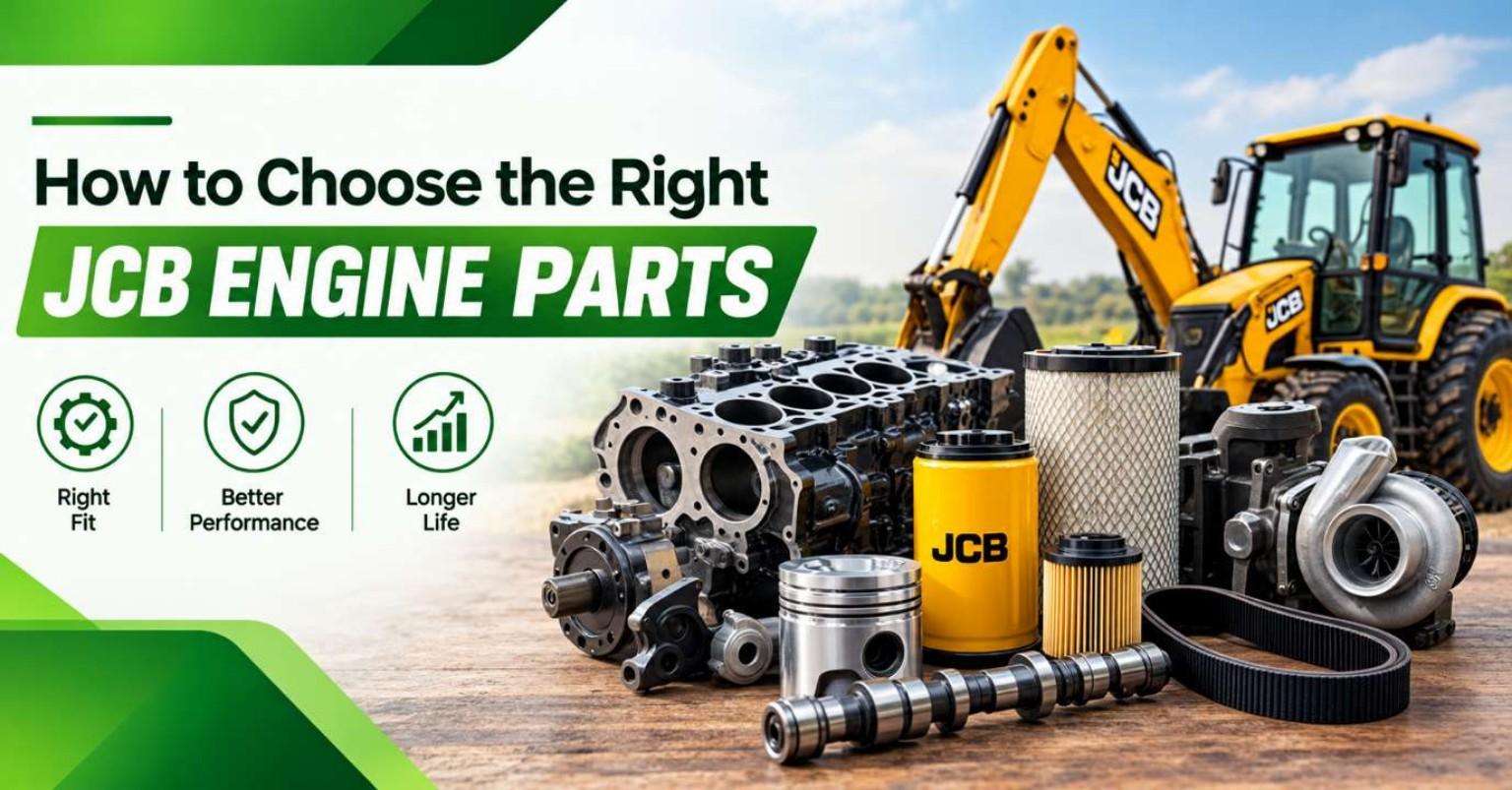
Learn how to choose the right JCB engine parts by checking model, part number, specifications, fitment, quality, working conditions and supplier reliability
COD उपलब्ध नहीं है। हम केवल प्रीपेड ऑर्डर में काम करते हैं और पूरे भारत में शिपिंग करते है. COD is not available. We work in prepaid orders only and shipping PAN India.
XThreshers are important agricultural machines that help farmers separate grain from harvested crops quickly and efficiently. During the harvesting season, a thresher may work continuously for several hours, which puts considerable stress on its moving and working components. When the machine is properly maintained, it can provide smooth operation, better output, and fewer interruptions. However, worn or poor-quality parts can affect threshing performance and increase the chances of breakdowns.
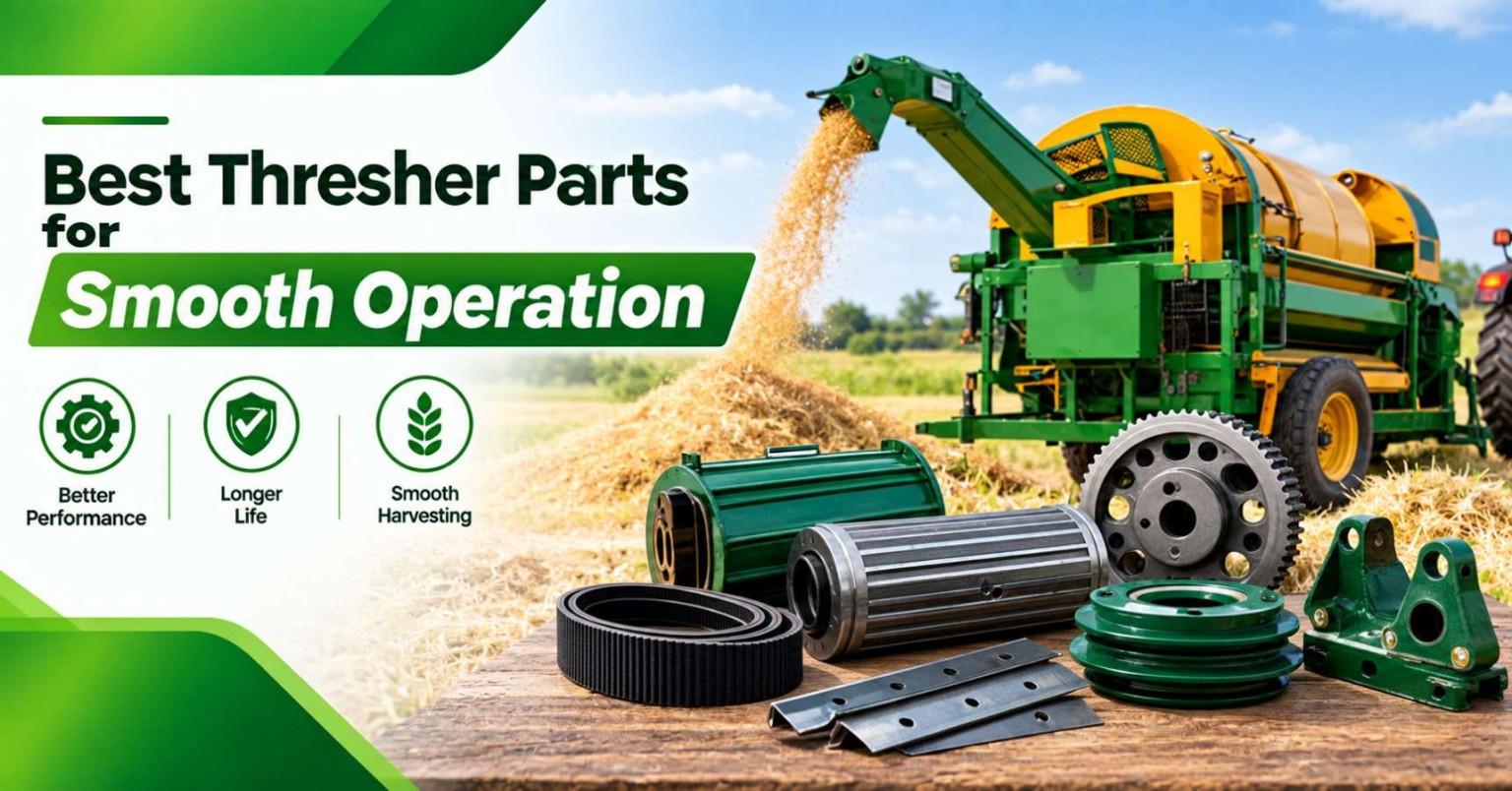
Choosing the right thresher spare parts is therefore an important part of machine maintenance. Farmers and mechanics should understand which components have the greatest effect on operation and what to check before purchasing replacements. The right parts can help maintain proper crop processing, reduce unnecessary vibration, and keep the machine ready during busy harvesting periods.
A thresher has several components that work together to separate grain from the crop. The engine or power source drives the machine, while the rotating and feeding components handle the actual threshing process.
If one important component becomes damaged or worn, the effect may be noticeable throughout the machine. A worn belt can reduce power transfer, while damaged bearings can create vibration. Problems with the drum, concave, or sieves can also affect grain separation and cleaning.
Regular inspection and timely replacement of worn components can help maintain reliable thresher performance.
The threshing drum is one of the main working components of the machine. It rotates at a controlled speed and helps separate grain from harvested crop material.
Because the drum operates continuously, its working parts can experience wear over time. Damaged or uneven components may affect threshing quality and increase vibration.
Before replacing drum-related parts, check their size, design, mounting arrangement, and compatibility with the particular thresher model.
Beaters, blades, or similar threshing elements come into direct contact with crop material during operation. They are exposed to repeated impact and friction, especially when the machine handles large quantities of crop.
Worn or damaged beaters may reduce threshing efficiency and can increase the load on other components.
Inspect these parts regularly for excessive wear, cracks, bending, or damage. Replacing badly worn components can help maintain consistent threshing performance.
Bearings allow rotating components to move smoothly while reducing friction.
A damaged bearing can create unusual noise, excessive vibration, heat, or resistance during operation. If ignored, it may eventually affect the shaft or other connected components.
Good-quality bearings with the correct size and specifications are important for reliable operation. During replacement, also check the shaft and bearing housing for signs of wear.
Belts transfer power from the engine or motor to different parts of the thresher.
A belt that is loose, cracked, stretched, or worn may slip and reduce the power reaching the working components.
Farmers should inspect belts for visible damage and check tension according to the machine's requirements.
When purchasing a replacement belt, confirm its length, width, profile, and application. The correct belt can help maintain consistent power transfer.
Pulleys work with belts to transfer rotational power.
A damaged or misaligned pulley can cause belt wear, vibration, and inefficient power transmission.
Inspect pulleys for cracks, excessive wear, alignment problems, and damage around the grooves.
If a pulley is replaced, make sure it is properly aligned with the belt and connected components.
The shaft supports and transfers rotational movement between different components.
A worn or bent shaft can cause vibration and affect the alignment of rotating parts.
During maintenance, inspect the shaft for excessive wear, bends, cracks, or damaged mounting areas.
If a shaft has serious damage, simply replacing a bearing or belt may not solve the underlying problem.
The concave works with the threshing drum to separate grain from the crop.
Its condition and adjustment can affect threshing efficiency and grain quality.
If the concave is worn or damaged, the separation process may become less effective. Incorrect clearance between the drum and concave can also affect results.
Before replacing this component, confirm the correct specifications for the thresher model and crop application.
Sieves help separate grain from unwanted material after the threshing process.
A damaged, blocked, or incorrectly adjusted sieve can affect cleaning efficiency and may result in excessive crop material remaining with the grain.
Inspect the sieve for broken sections, blockage, deformation, or excessive wear.
The correct sieve design depends on the machine and crop being processed, so compatibility should always be confirmed before purchase.
Many threshers use airflow to help remove lighter materials such as husk and chaff.
A fan or blower that is damaged, blocked, or not operating correctly can affect the cleaning process.
Inspect the fan blades, housing, drive components, and related connections.
Keeping airflow components clean can also help maintain consistent cleaning performance.
If the thresher is powered by a diesel engine, engine filters need regular attention.
Air filters help prevent dust from entering the engine, while fuel filters protect the fuel system from contaminants.
Harvesting operations can create significant dust, making filter maintenance especially important.
Clean and suitable filters can support proper engine airflow and fuel delivery, helping the power source operate more efficiently.
Some thresher machines use chains and sprockets to transfer movement between components.
Chains can become loose or worn, while sprocket teeth can develop damage over time.
Inspect chains for excessive slack, rust, damaged links, and poor lubrication. Check sprockets for worn or damaged teeth.
Replacing severely worn chains and sprockets can help reduce uneven movement and unnecessary stress.
Bolts, nuts, washers, and other fasteners may seem like small components, but they help keep the machine properly assembled.
Continuous vibration can loosen fasteners over time.
Regularly check important mounting points and tighten components according to the manufacturer's requirements.
Damaged or missing fasteners should be replaced rather than ignored.
Threshers operate with high-speed rotating components and continuous mechanical movement. A low-quality component may wear quickly and affect other parts of the machine.
For this reason, farmers should consider material quality, dimensions, compatibility, and expected working conditions before purchasing replacement components.
The cheapest component may not always provide the best value if it needs to be replaced repeatedly.
Gropart provides spare parts for agricultural machinery, including tractors, JCB machines, threshers, and other equipment. Choosing suitable replacement parts from a reliable supplier can help farmers and mechanics maintain their machines with greater confidence.
A thresher part should always be matched to the correct machine.
Before purchasing, check the machine model, original component, dimensions, part number, and other relevant specifications.
Parts that look similar may have different sizes or mounting arrangements. Installing an incorrectly matched component can lead to poor performance or premature wear.
If you are unsure about compatibility, consult an experienced mechanic or spare parts supplier before placing an order.
Good thresher performance depends on more than replacing damaged parts.
Farmers should keep the machine clean, inspect moving components, maintain suitable belt tension, lubricate components where required, and check for unusual sounds or vibration.
After long periods of storage, the machine should also be inspected before being put back into operation.
Early maintenance is usually easier and less expensive than repairing a major breakdown during harvest.
Some common warning signs should not be ignored.
These may include unusual vibration, excessive noise, reduced threshing efficiency, slipping belts, overheating bearings, poor grain separation, or inconsistent output.
The cause should be identified before replacing a component. Several different parts can sometimes produce similar symptoms.
A proper inspection can help identify the actual source of the problem.
Smooth thresher operation depends on the condition of many components working together. Thresher drums, beaters, bearings, belts, pulleys, shafts, concaves, sieves, fans, filters, chains, sprockets, and mounting parts all have an important role in machine performance.
Regular inspection helps farmers identify wear before it causes serious downtime. When replacement is required, always check the thresher model, part number, dimensions, and application before purchasing.
Quality also matters because agricultural machines often work under demanding conditions during the harvesting season. By choosing properly matched and reliable thresher spare parts from Gropart and following a regular maintenance routine, farmers and mechanics can support smoother operation, reduce unexpected breakdowns, and keep their equipment ready when it is needed most.
Learn how to choose the right JCB engine parts by checking model, part number, specifications, fitment, quality, working conditions and supplier reliability
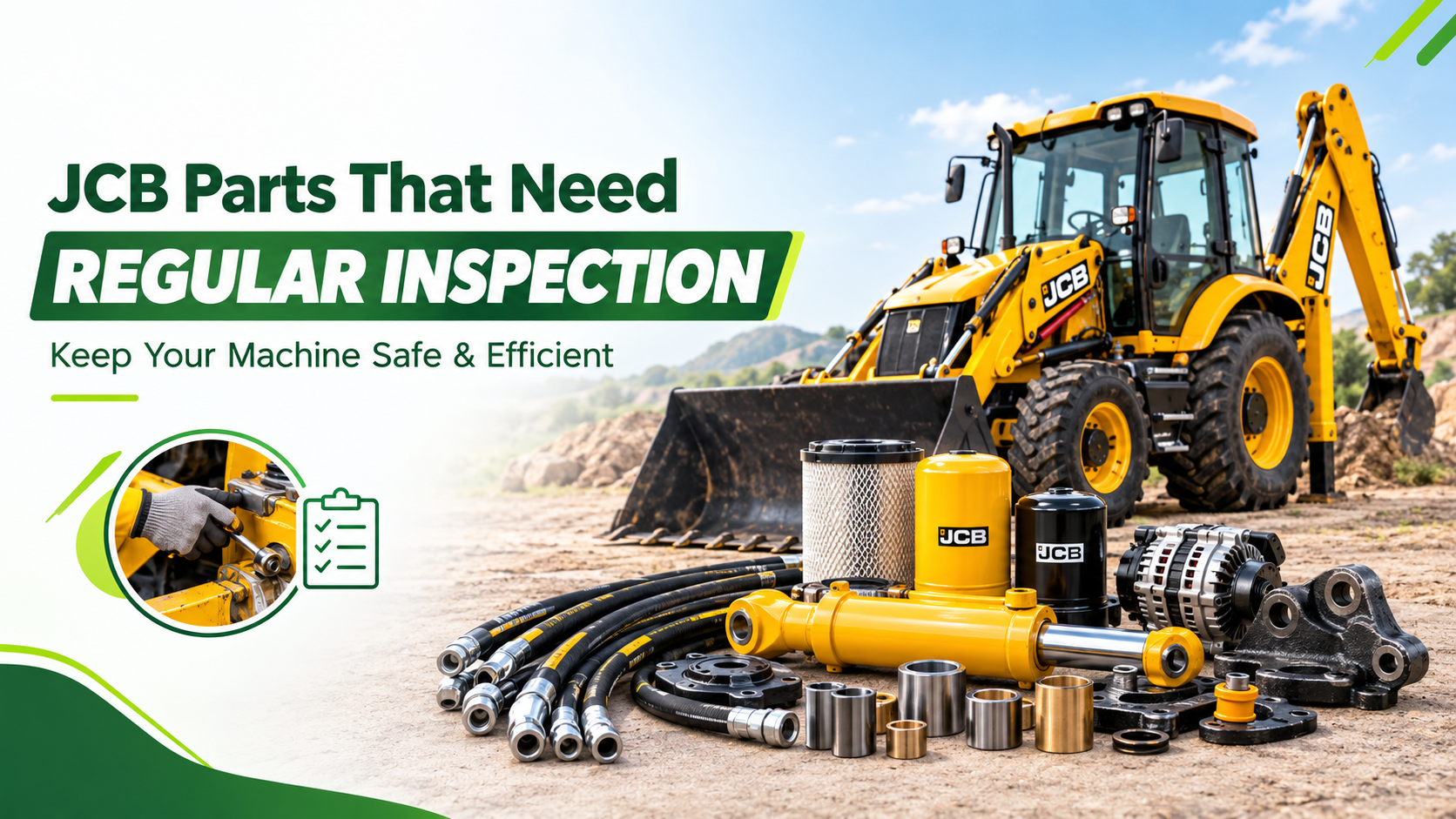
Learn which JCB parts need regular inspection, including hydraulic hoses, cylinders, filters, pumps, engine parts, tyres, undercarriage components and more.
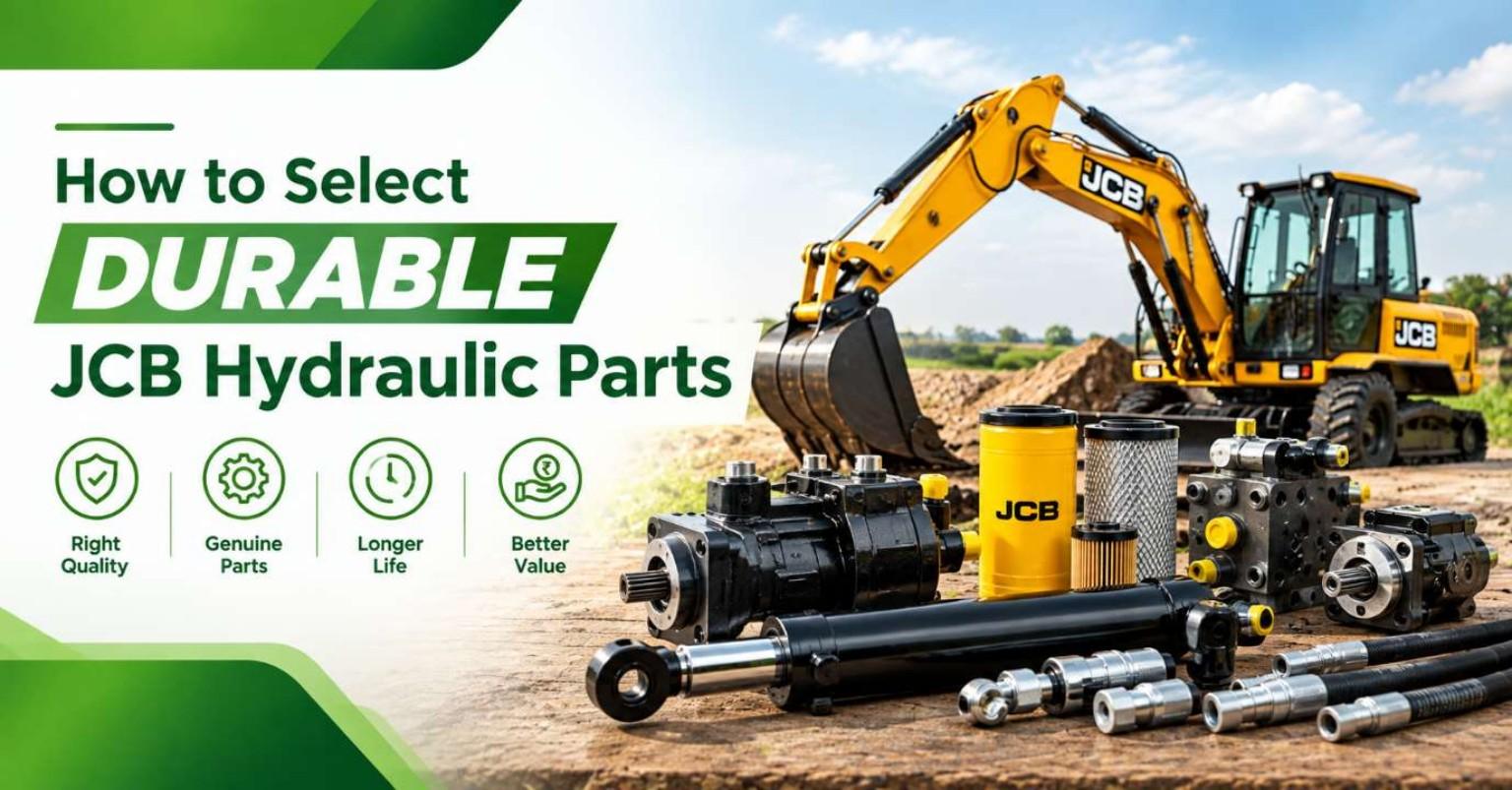
Learn how to select durable JCB hydraulic parts by checking model compatibility, part numbers, pumps, hoses, seals, filters, cylinders, fitment, and working conditions
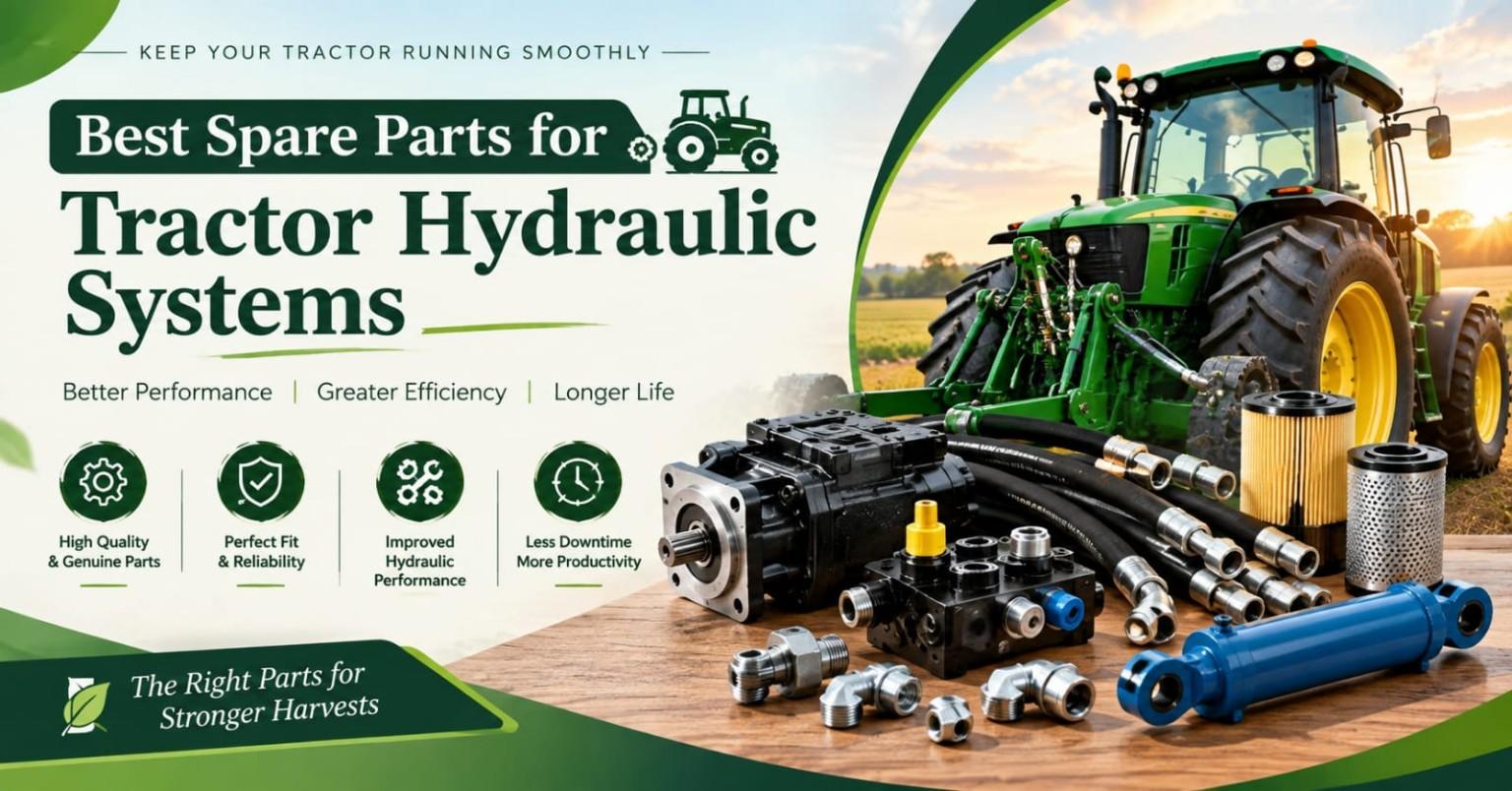
Explore essential tractor hydraulic parts including pumps, filters, hoses, seals, cylinders, valves, fittings, and tips for choosing the right replacements