 हिन्दी

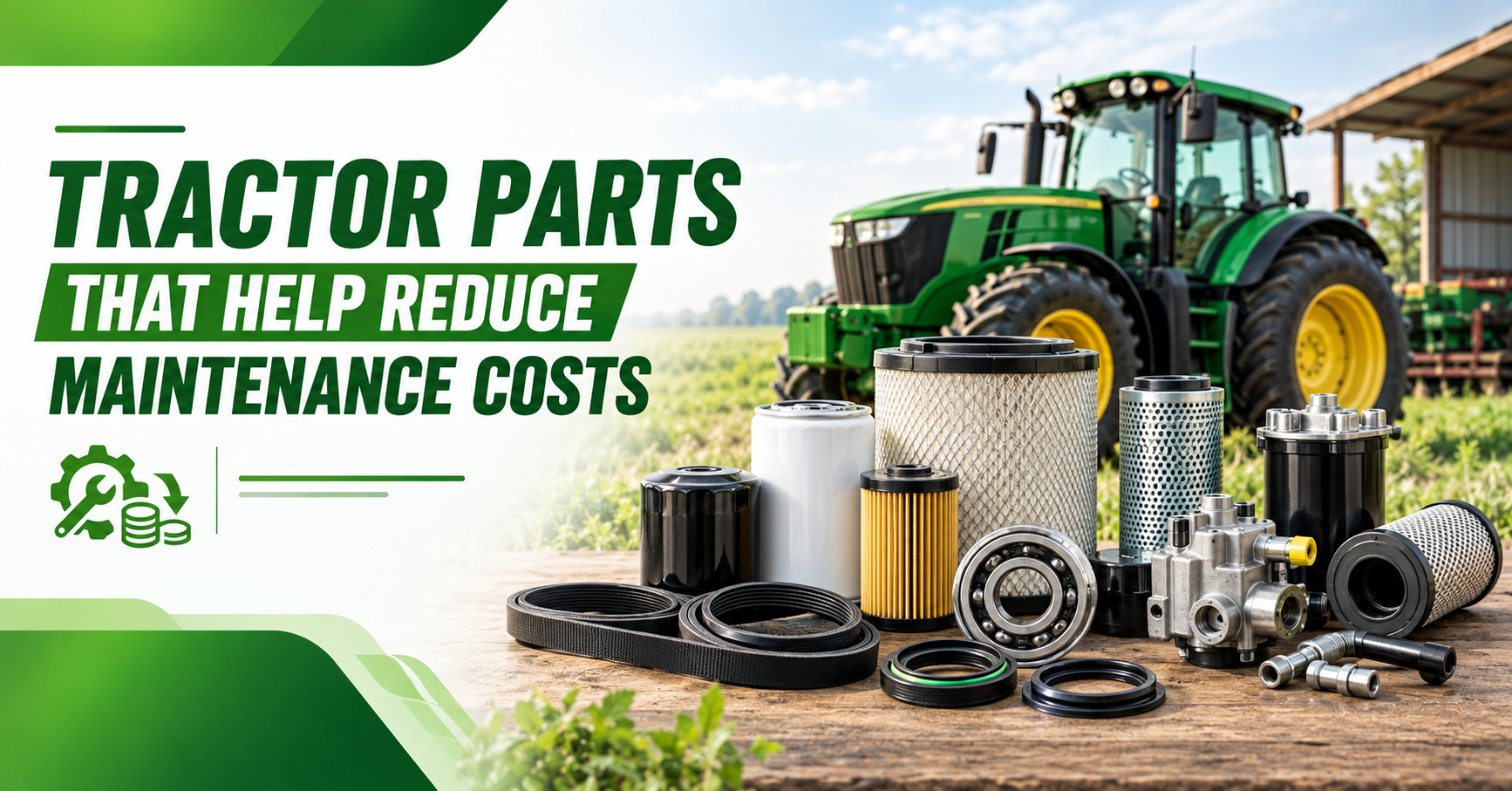
Discover how quality tractor parts like filters, bearings, belts, seals and hydraulic components can reduce maintenance costs and prevent costly repairs
COD उपलब्ध नहीं है। हम केवल प्रीपेड ऑर्डर में काम करते हैं और पूरे भारत में शिपिंग करते है. COD is not available. We work in prepaid orders only and shipping PAN India.
XA tractor's transmission system plays an important role in converting engine power into useful movement. Whether a tractor is ploughing a field, pulling a trailer, carrying a load, or operating an agricultural implement, the right gear helps the machine work at a suitable speed and power level. Inside the transmission, gears and other related components work under continuous pressure, especially during heavy farming operations.
Over time, tractor gear parts can wear due to regular use, heavy loads, poor lubrication, incorrect operation, or contamination. When replacement becomes necessary, selecting the right tractor gear parts is important for maintaining smooth transmission performance and avoiding repeated repairs.
For farmers, mechanics, and first-time buyers, choosing transmission components can seem complicated. However, checking a few important details before purchasing can make the process easier and help ensure that the replacement part is suitable for the tractor.
The transmission contains several components that work together to transfer engine power to the wheels. Gears allow the tractor to operate at different speeds while providing the required pulling force.
A healthy gear system helps provide:
When gear components become worn or damaged, the tractor may produce unusual noises, have difficulty changing gears, or fail to deliver power properly.
The first step in choosing the right gear part is identifying the tractor correctly.
Different tractor models can use different gear sizes, designs, and transmission systems. Even tractors from the same manufacturer may have different components depending on the model and production year.
Before buying a replacement, collect important information such as the tractor model, serial number, engine type, and manufacturing year.
Providing accurate details to a spare parts supplier can make it easier to identify the appropriate component.
The part number can be one of the most useful identification details.
If the original gear or component has a number stamped or marked on it, note it down before purchasing a replacement.
Compare the original number with the replacement product information. However, do not depend on the number alone. Compatibility should also be confirmed using the tractor model and specifications.
For older tractors, updated or replacement part numbers may sometimes be available, so checking with a knowledgeable supplier can be helpful.
Not every gear performs the same function.
Some gears are designed for particular speeds, shafts, or transmission positions. Their size, number of teeth, design, and position within the transmission can vary.
Before purchasing, understand where the component is used and what function it performs.
A mechanic can help identify the correct gear if the original component is badly damaged or difficult to identify.
Correct dimensions are essential for proper gear operation.
Important details can include:
Even a small difference can affect how two gears mesh.
Incorrect gear dimensions may result in noise, uneven movement, rapid wear, or transmission damage.
Tractor gears operate under considerable load and pressure.
The material used to manufacture a gear affects its strength, durability, and resistance to wear.
When selecting a replacement, look for a component manufactured from suitable material for the application.
A properly manufactured gear should be able to handle the expected load without excessive wear.
Gear teeth experience repeated contact during operation.
Proper manufacturing processes help improve their ability to handle friction and load.
A quality gear should have consistent tooth formation and suitable surface finishing.
Rough, uneven, or poorly formed teeth can create additional friction and noise.
While farmers may not always be able to assess manufacturing processes themselves, purchasing from a reliable spare parts supplier can help reduce the risk of unsuitable components.
Gears work with shafts and bearings inside the transmission.
If a bearing is worn, simply replacing the gear may not solve the problem.
A damaged bearing can create movement or misalignment that affects the new gear.
During transmission repairs, mechanics should inspect related bearings, shafts, seals, and other components.
Replacing connected worn parts when necessary can help prevent repeated failures.
Transmission shafts support and transfer rotational movement between different components.
A damaged, bent, or excessively worn shaft can affect gear alignment.
Before installing a new gear, inspect the shaft for visible wear, scoring, or other damage.
The new gear should not be installed on a seriously damaged shaft without addressing the underlying problem.
Transmission gears depend on suitable lubrication to reduce friction and heat.
Low oil levels, contaminated oil, or incorrect lubricant can increase gear wear.
Farmers should follow the tractor manufacturer's recommendations regarding transmission oil type and service intervals.
Regular oil inspection and replacement can help protect gears and other transmission components.
Dirt, metal particles, and other contaminants can circulate through the transmission.
These particles may act as abrasives and accelerate wear on gear teeth and bearings.
If transmission oil appears unusually dirty or contains visible metal particles, the system should be inspected.
Cleaning and servicing the transmission at the recommended intervals helps maintain a healthier operating environment for replacement gears.
The way a tractor is used has a major effect on gear wear.
A tractor that regularly performs heavy ploughing, towing, or transportation may place greater loads on the transmission than a tractor used for lighter work.
Before choosing a replacement gear, consider:
Selecting suitable components for the actual workload can help improve durability.
Farmers can often identify transmission problems through changes in tractor behaviour.
Common warning signs include:
These symptoms may have several possible causes, so proper diagnosis is important before purchasing replacement parts.
The cheapest gear is not always the most economical option.
A poorly manufactured component may wear quickly and damage other transmission parts.
Repeated replacement also means additional labour costs and downtime.
Instead of choosing based only on price, compare the part's specifications, material quality, compatibility, and expected durability.
A reliable supplier can make it easier to select suitable tractor gear parts.
The supplier should be able to provide accurate product information and help confirm compatibility.
Gropart provides tractor and agricultural machinery spare parts for farmers and mechanics looking for dependable replacement components.
Buying from a reliable source can help reduce the chances of receiving incorrectly specified or poorly fitted parts.
A gear must be installed correctly and aligned properly with the rest of the transmission.
Incorrect installation can cause abnormal noise, uneven tooth contact, and premature wear.
When transmission repairs require specialised tools or extensive disassembly, professional installation is recommended.
The transmission should also be checked after installation before the tractor returns to heavy fieldwork.
A gear failure may be a symptom of another underlying issue.
Before replacing the damaged component, inspect:
Finding the root cause helps prevent the new gear from suffering the same damage.
Proper maintenance can significantly improve transmission reliability.
Farmers should maintain correct oil levels, follow service intervals, avoid unnecessary overloading, and respond quickly to unusual transmission noises.
Using the appropriate gear for the workload also reduces unnecessary stress.
Good operating habits combined with regular maintenance can help extend the life of tractor gear parts.
Choosing the right tractor gear parts requires more than finding a component that looks similar to the original. Farmers and mechanics should verify the exact tractor model, part number, gear dimensions, tooth design, material quality, and application before making a purchase.
The condition of related bearings, shafts, seals, and transmission oil should also be checked because these components work together. Proper lubrication, correct installation, and regular maintenance are equally important for maintaining gear performance.
By choosing properly matched and quality tractor spare parts from Gropart, farmers and mechanics can support smoother power transfer, reduce repeated transmission repairs, and keep their tractors ready for demanding agricultural work. Taking the time to select the correct gear component can protect the transmission and provide better long-term value.
Discover how quality tractor parts like filters, bearings, belts, seals and hydraulic components can reduce maintenance costs and prevent costly repairs
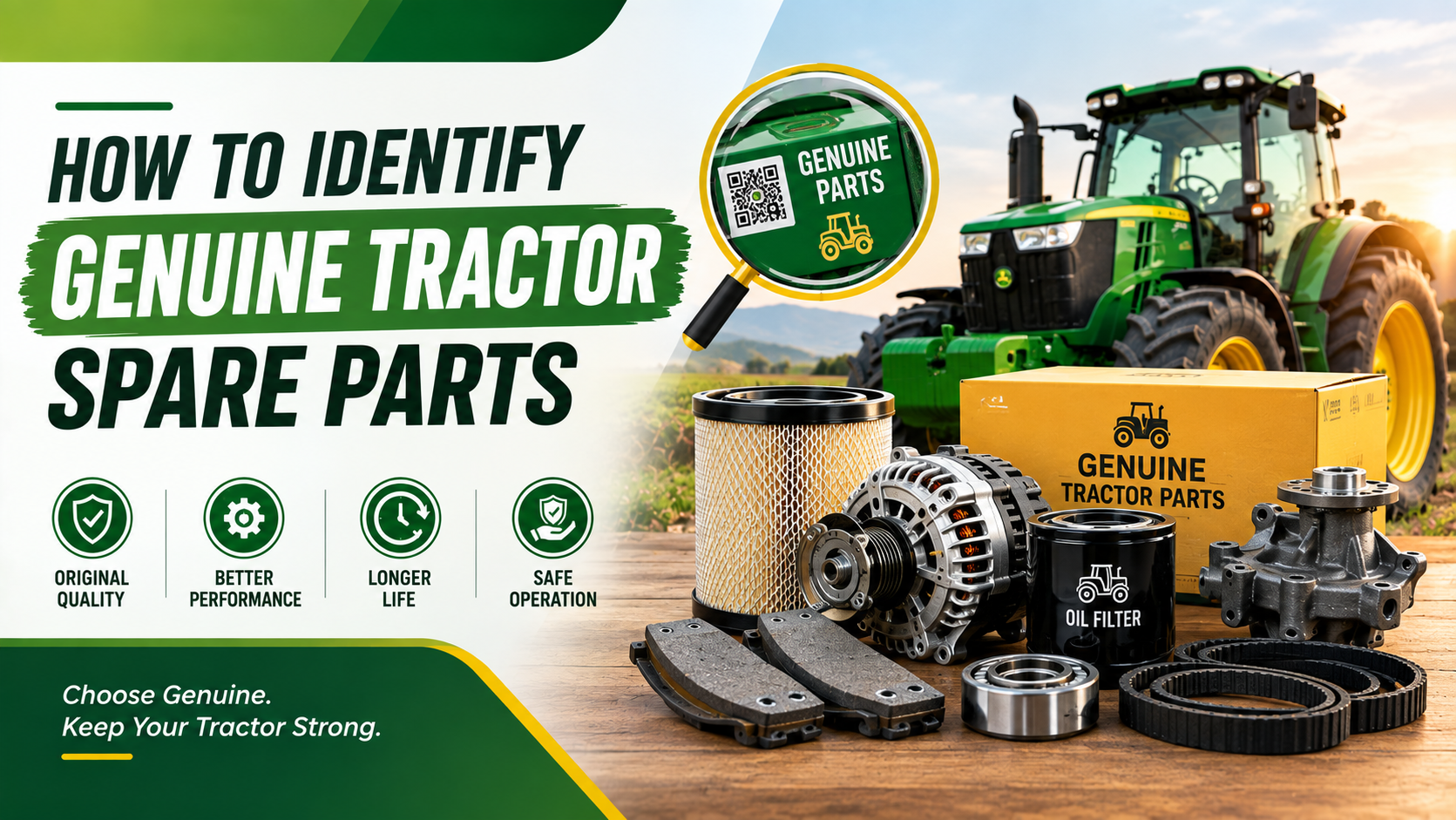
Learn how to identify genuine tractor spare parts by checking part numbers, packaging, fitment, material quality, markings, specifications, and supplier reliability. Follow these practical tips to choose reliable tractor parts, avoid poor-quality components, reduce breakdowns, an...
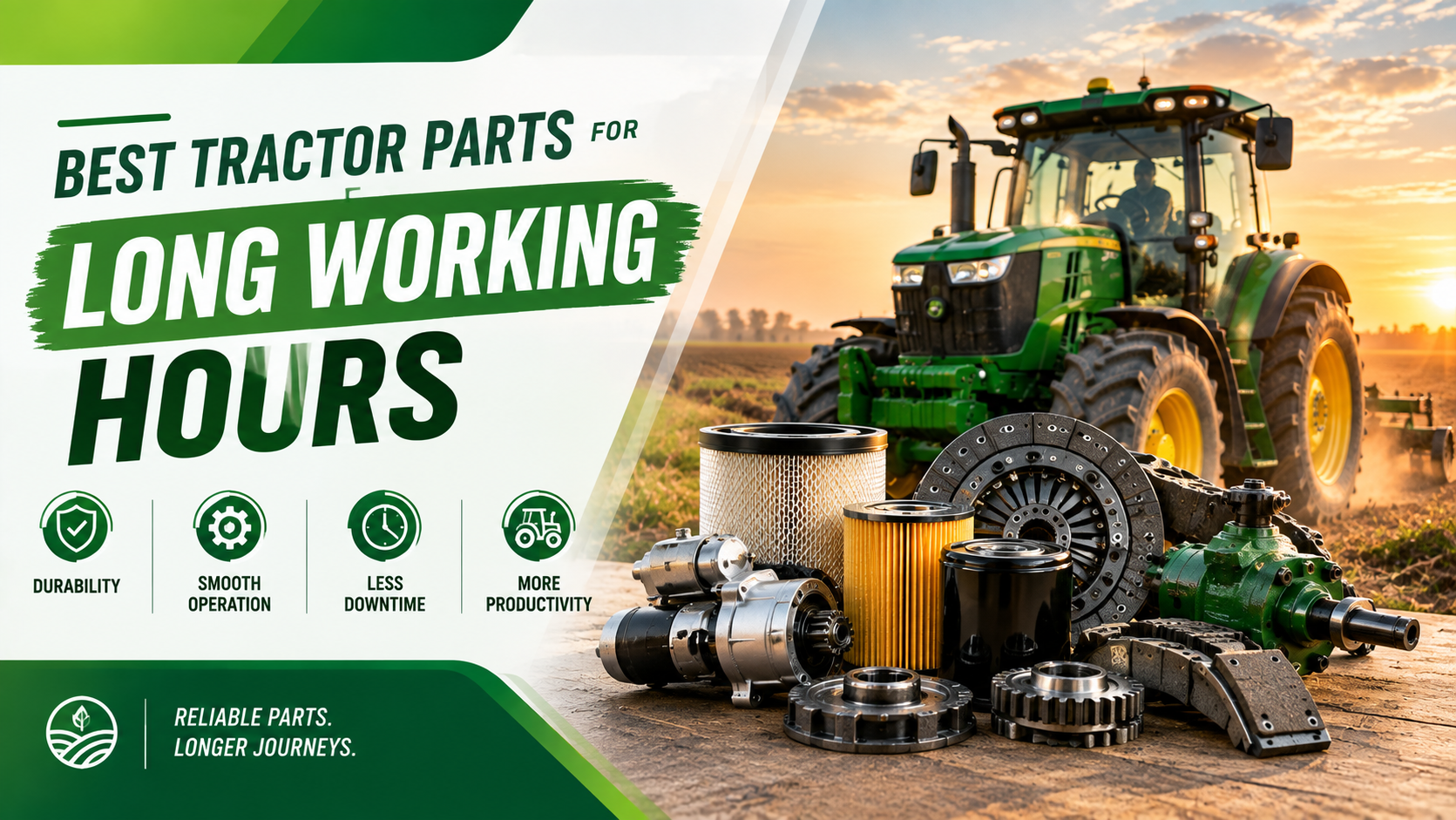
Discover the best tractor parts for long working hours, including engine filters, cooling components, belts, bearings, clutch, hydraulic, transmission parts, and tyres. Learn how quality tractor spare parts from Gropart, regular inspections, and timely replacement can help reduce...
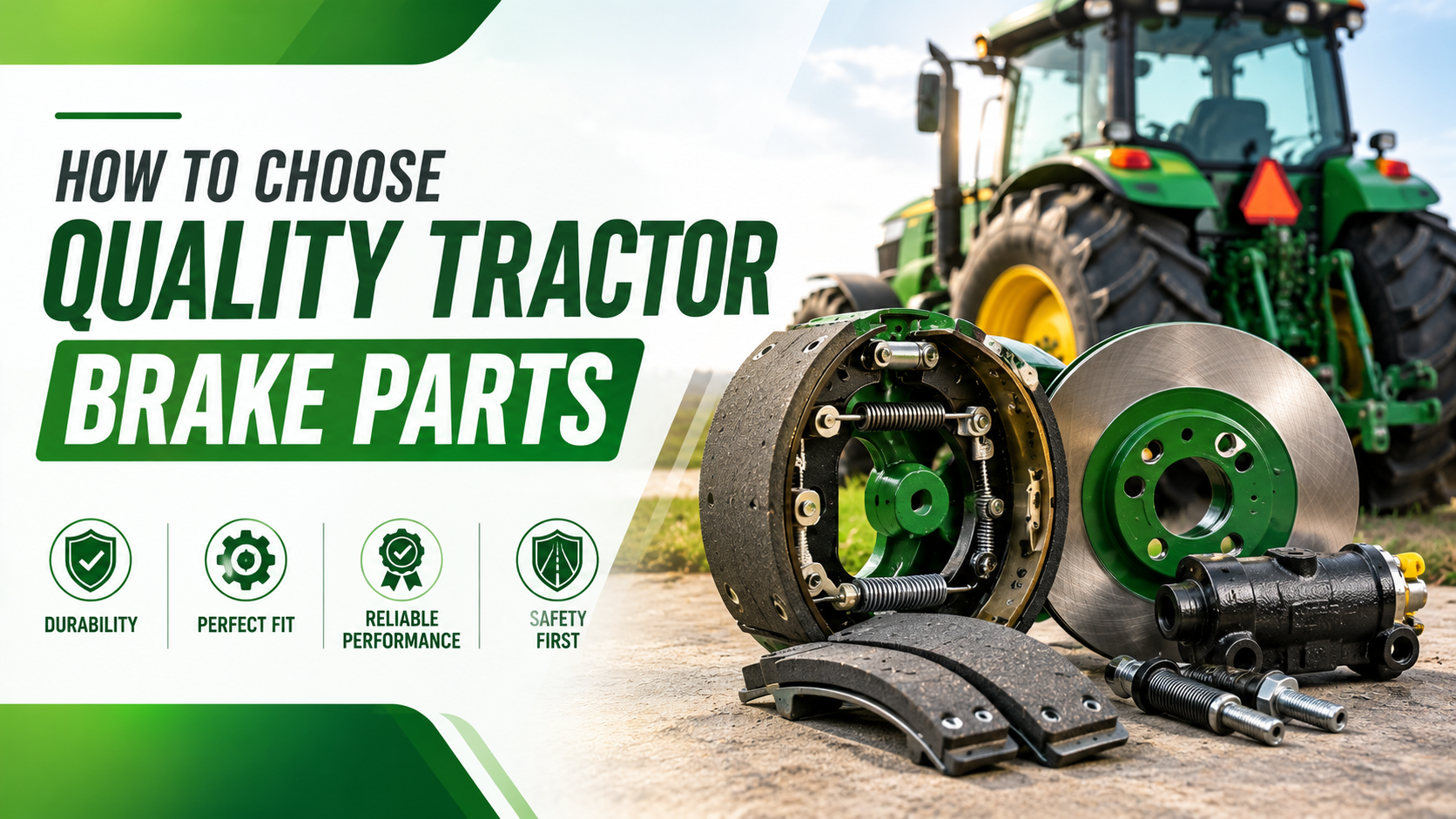
Learn how to choose quality tractor brake parts by checking fitment, brake type, material, durability, workload and supplier reliability for safer tractor performance.