 हिन्दी


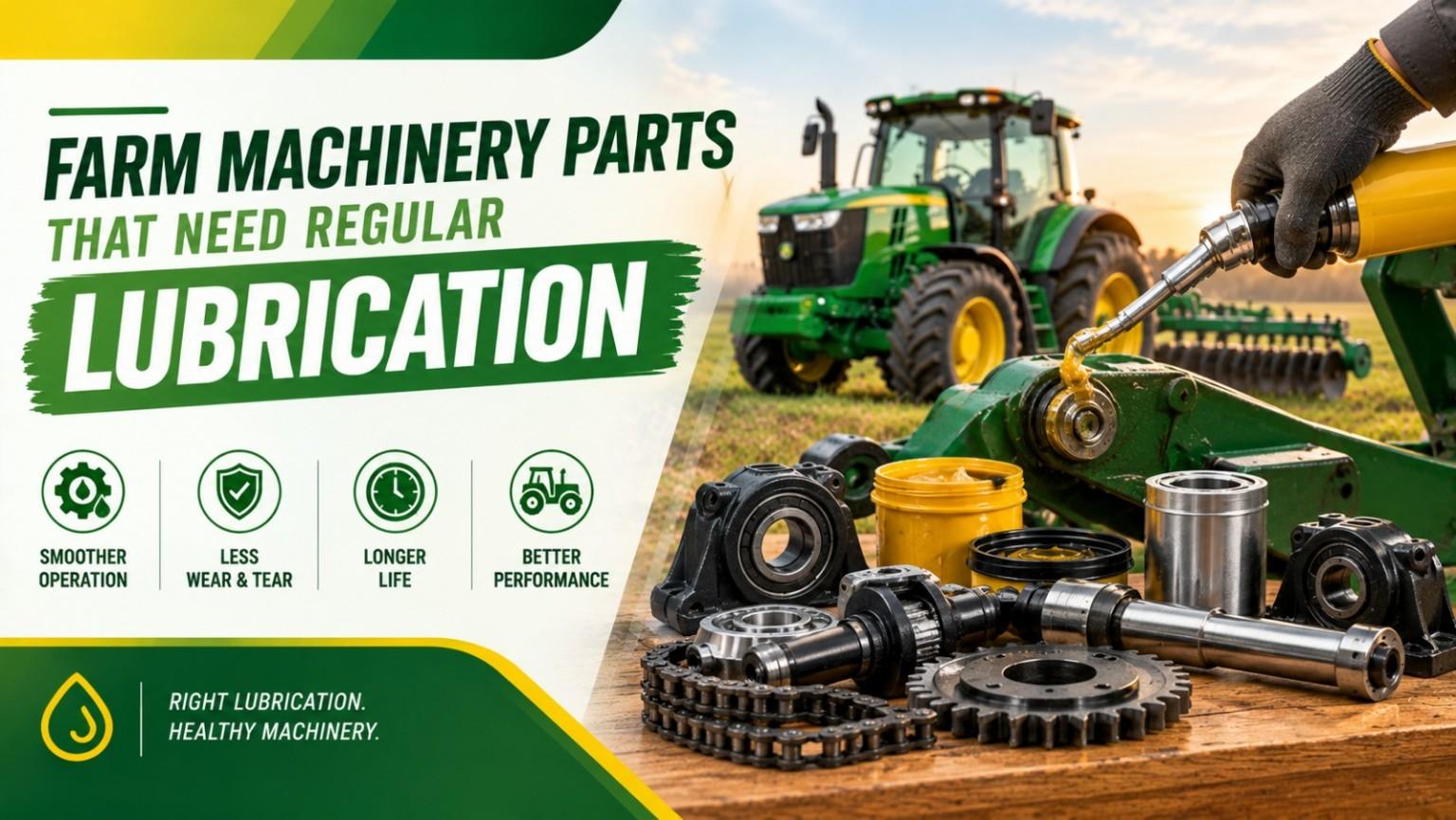
Learn which farm machinery parts need regular lubrication, including tractor bearings, PTO components, bushes, pins, chains, gears, wheel bearings and more.
COD उपलब्ध नहीं है। हम केवल प्रीपेड ऑर्डर में काम करते हैं और पूरे भारत में शिपिंग करते है. COD is not available. We work in prepaid orders only and shipping PAN India.
X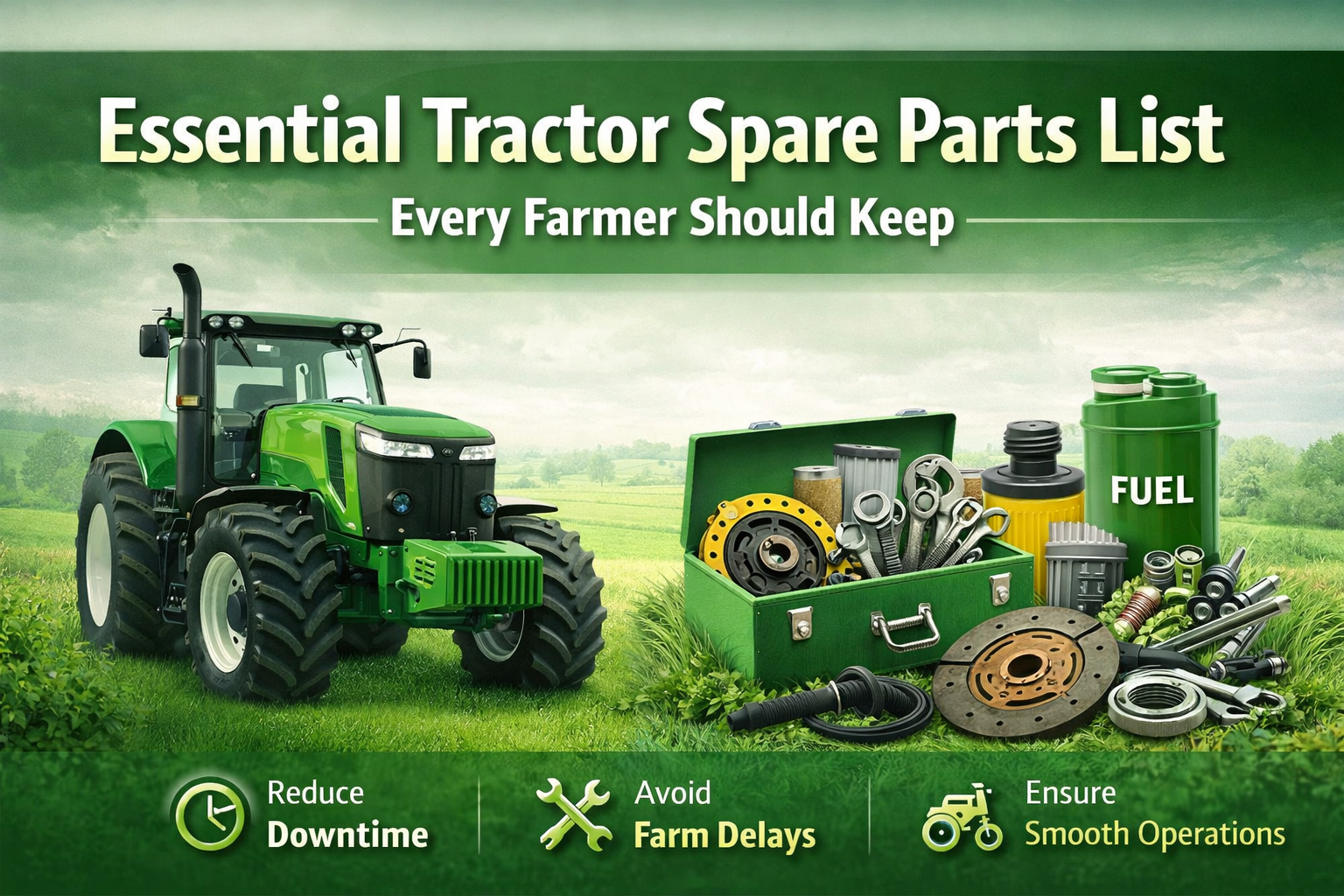
Tractors are the backbone of modern farming. From preparing the soil and planting crops to transporting harvest and operating implements, tractors perform many critical tasks on the farm. Because these machines work in tough conditions—dusty fields, heavy loads, and long hours—certain parts naturally wear out over time.
A common mistake many tractor owners make is waiting until a part fails before replacing it. This often leads to sudden breakdowns, work delays, and higher repair costs. Keeping essential tractor spare parts in stock helps farmers handle minor repairs quickly and continue their work without interruption.
In this guide, we discuss the most important spare parts every tractor owner should keep available, along with tips to maintain smooth and reliable machine performance. Using dependable spare parts from Gropart also ensures durability and long-term efficiency.
During busy farming seasons, even a small breakdown can stop work for hours or days. Sometimes spare parts are not immediately available in nearby markets, which causes delays.
Keeping commonly used spare parts ready offers several advantages:
For farmers who depend on tractors daily, having essential spare parts available is a practical and cost-effective decision.
Oil filters are one of the most frequently replaced parts in a tractor. Their main job is to remove dirt and metal particles from engine oil.
Over time, oil filters become clogged, which reduces oil flow and increases engine wear.
Using good-quality filters helps extend engine life and improve fuel efficiency.
Tractors often operate in dusty environments. Air filters prevent dust and debris from entering the engine.
When air filters become dirty or blocked, the engine receives less air, which affects fuel combustion.
Keeping spare air filters ensures the tractor engine always gets clean air for efficient operation.
Fuel filters remove dirt, rust, and impurities from diesel before it reaches the engine.
Contaminated fuel can damage injectors and fuel pumps, leading to expensive repairs.
Keeping spare fuel filters allows quick replacement whenever fuel contamination is suspected.
Belts drive several tractor components such as the cooling fan, alternator, and water pump. Over time, belts may become loose, cracked, or worn.
Having spare belts available helps avoid unexpected breakdowns during operation.
Bearings and bushes support rotating parts inside the tractor and attached implements. They reduce friction and allow smooth movement.
However, heavy use and dust exposure can cause these components to wear out.
Keeping spare bearings and bushes helps prevent damage to shafts and other critical components.
The hydraulic system is responsible for lifting and controlling implements like ploughs, cultivators, and loaders. Seals and hoses maintain hydraulic pressure within the system.
Over time, these parts may develop leaks due to wear or high pressure.
Having spare seals and hoses ensures quick repair and smooth hydraulic operation.
The clutch system transfers engine power to the gearbox and wheels. Continuous usage gradually wears out clutch plates.
Keeping spare clutch plates helps restore smooth power transmission without long delays.
Electrical systems control starting, lighting, and charging functions in tractors. Small components like fuses, switches, and relays can sometimes fail unexpectedly.
Keeping a small kit of electrical spare parts is always helpful.
The tractor cooling system prevents the engine from overheating. Important parts include hoses, radiator caps, and water pump components.
If these parts fail, the engine temperature can rise quickly and cause serious damage.
Replacing damaged cooling components early protects the engine from overheating.
While small in size, nuts and bolts play a crucial role in holding tractor components together. Vibration and heavy work can loosen or damage fasteners.
Keeping a variety of spare bolts and fasteners helps farmers quickly fix loose parts without interrupting work.
Not all spare parts offer the same quality and durability. Cheap or low-grade parts may fail quickly and even damage other components.
Reliable spare parts from Gropart are designed to handle real farming conditions such as dust, heavy loads, and long working hours. Quality parts provide better fitment, longer life, and improved machine performance.
Keeping spare parts organized and ready can make maintenance easier.
Practical tips include:
Proper storage ensures spare parts remain ready whenever they are needed.
Tractors are essential machines for modern farming, and their performance depends heavily on the condition of their spare parts. Waiting for parts to fail before replacing them can cause costly breakdowns and delays during important farming activities.
By keeping essential spare parts such as filters, belts, bearings, hydraulic seals, clutch plates, and cooling components in stock, tractor owners can quickly handle minor repairs and maintain smooth operations.
Choosing reliable spare parts from Gropart ensures durability, better performance, and long machine life. For farmers who rely on their tractors every day, maintaining a small inventory of essential spare parts is a smart way to prevent downtime and keep farming work running efficiently.
Learn which farm machinery parts need regular lubrication, including tractor bearings, PTO components, bushes, pins, chains, gears, wheel bearings and more.
Learn which farm machinery parts need regular lubrication, including tractor bearings, PTO components, bushes, pins, chains, gears, wheel bearings and more.
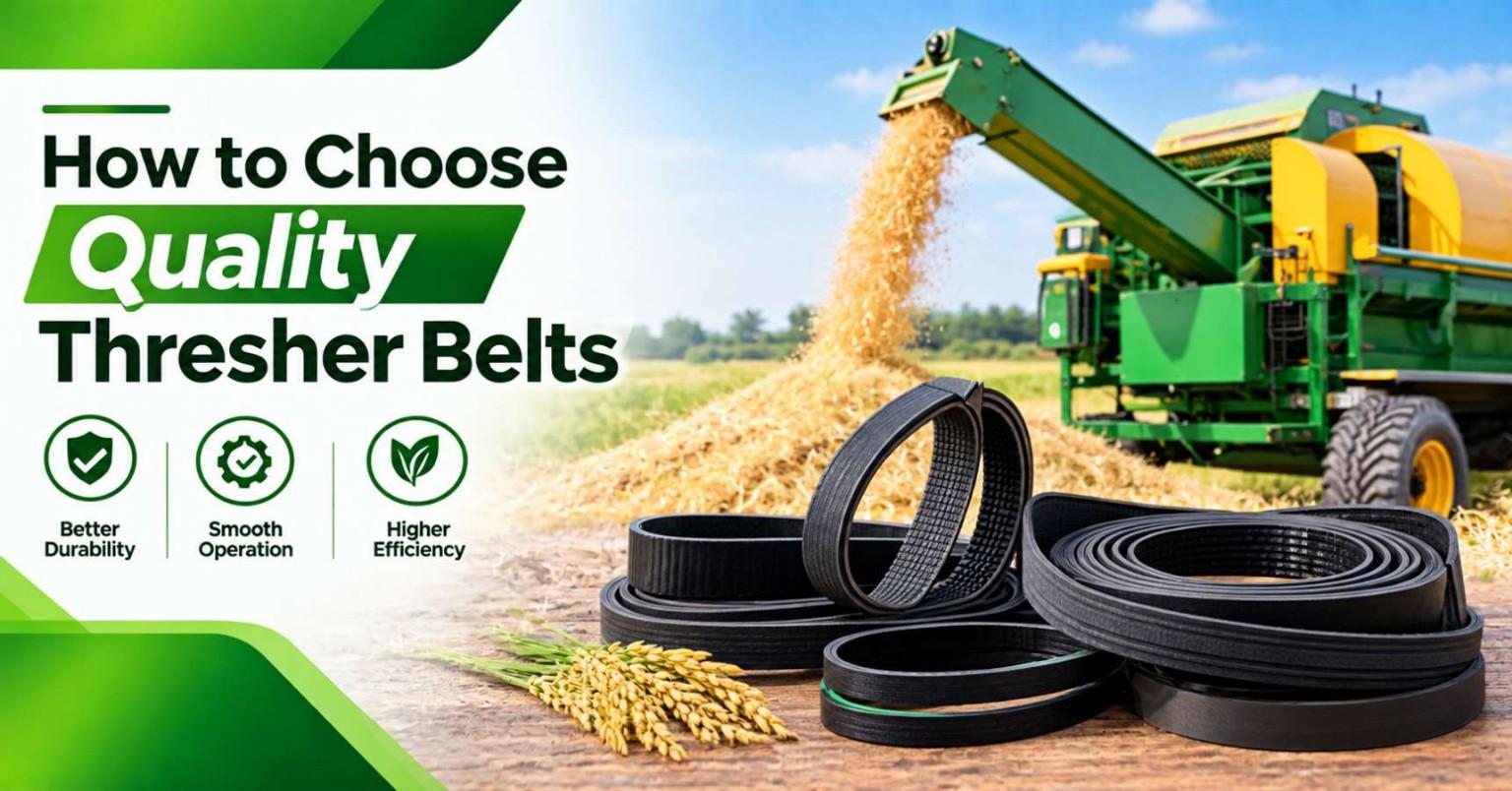
Learn how to choose quality thresher belts by checking size, profile, construction, load, heat resistance, compatibility, tension and belt wear.
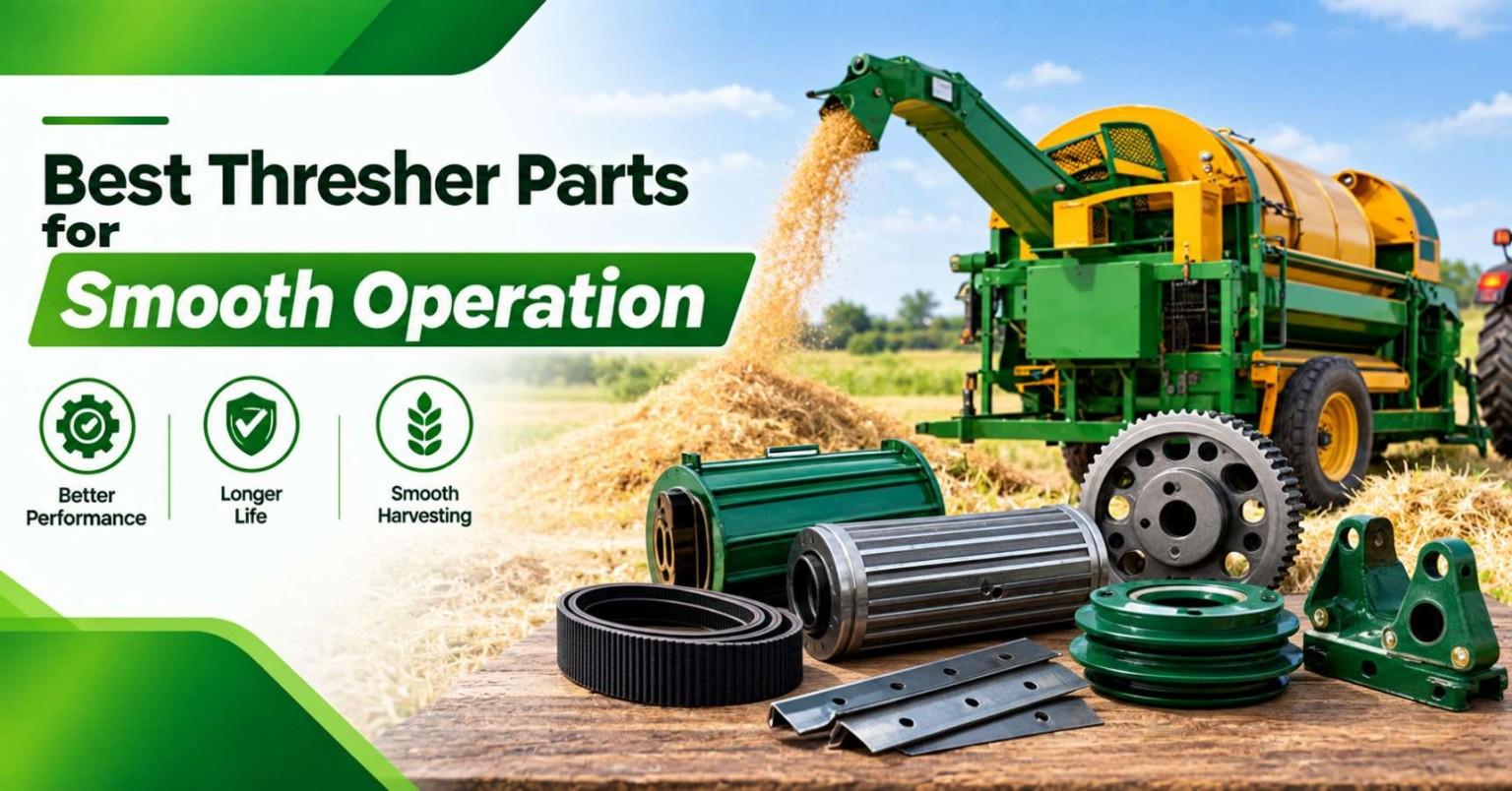
Learn about essential thresher spare parts including drums, beaters, bearings, belts, pulleys, shafts, sieves and filters for smooth machine operation