 हिन्दी

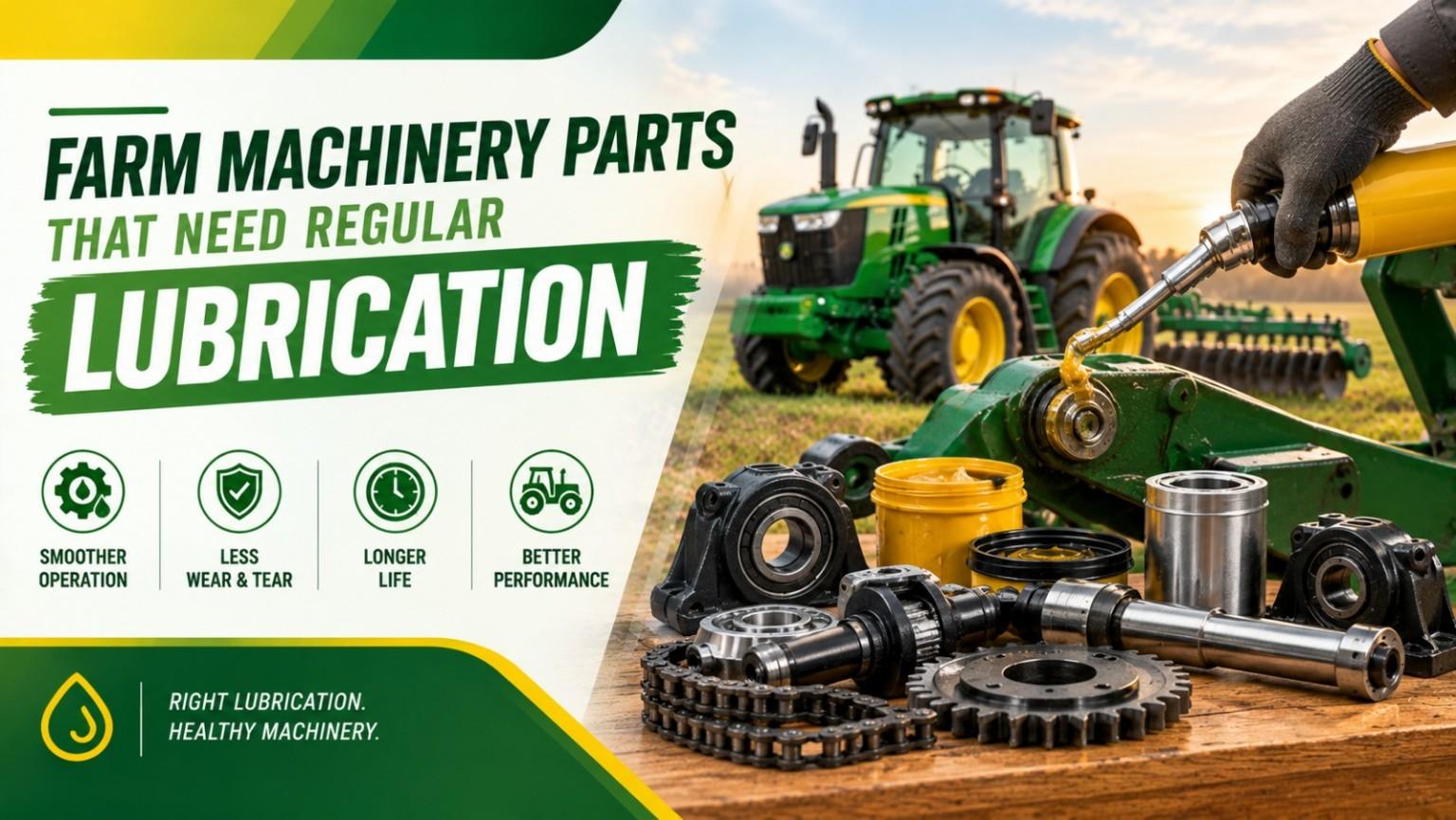
Learn which farm machinery parts need regular lubrication, including tractor bearings, PTO components, bushes, pins, chains, gears, wheel bearings and more.
COD उपलब्ध नहीं है। हम केवल प्रीपेड ऑर्डर में काम करते हैं और पूरे भारत में शिपिंग करते है. COD is not available. We work in prepaid orders only and shipping PAN India.
X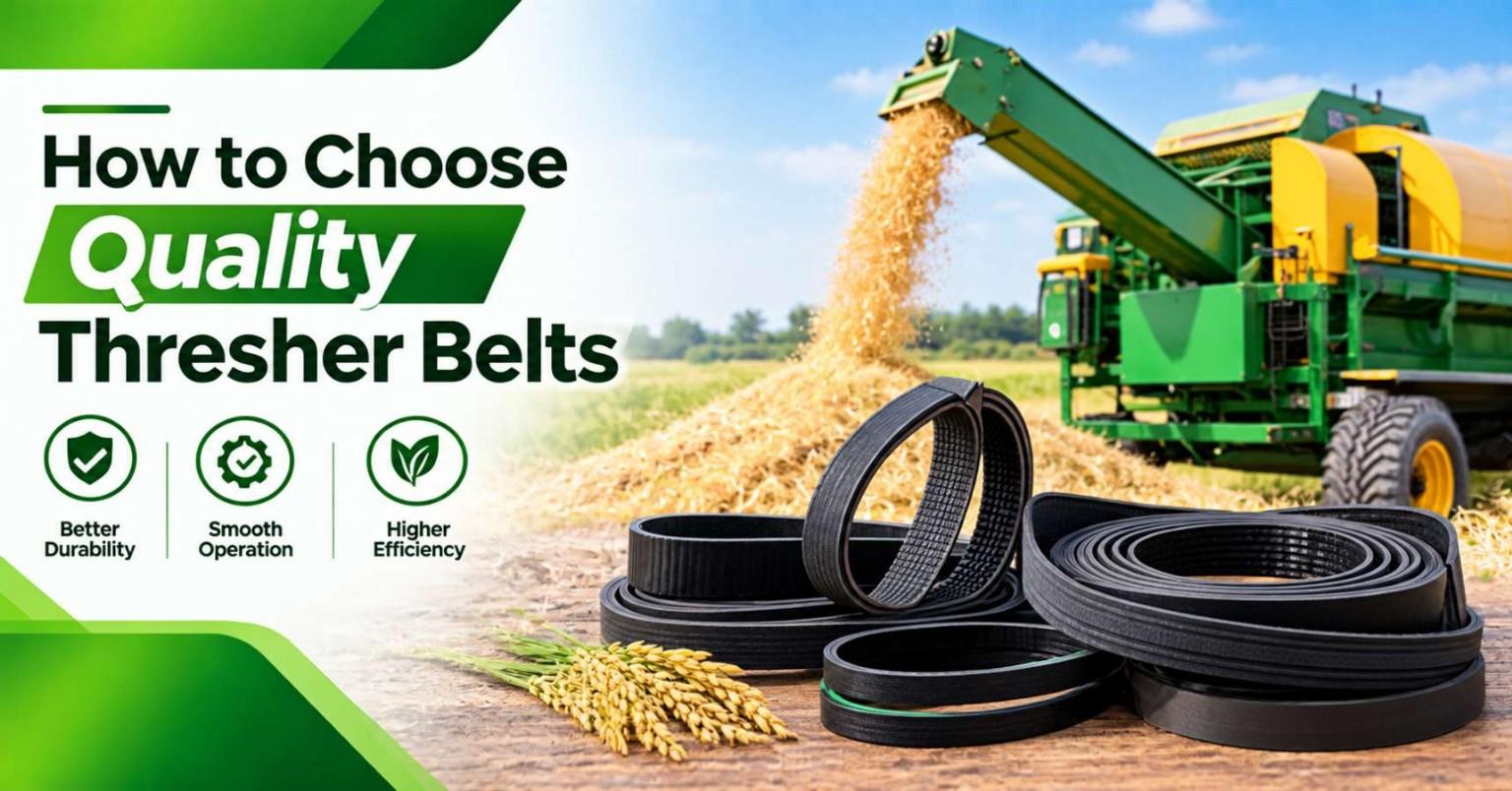
A thresher depends on several moving parts to separate grain from harvested crops, and belts play an important role in keeping those parts running. They transfer power from the engine or motor to components such as the threshing drum, pulleys, fans, and other rotating parts. If a belt is worn, loose, or incorrectly fitted, the entire machine can lose efficiency.
During harvesting, threshers often operate for long hours under dusty and demanding conditions. This makes belt quality particularly important. A weak belt may slip, heat up, crack, or break when the machine is working at its busiest. Choosing the right thresher belt before installation can help reduce interruptions and support smooth machine performance.
For farmers, mechanics, and first-time buyers, selecting a suitable belt does not have to be difficult. By checking a few important details such as size, construction, application, and compatibility, you can make a more informed buying decision.
The belt is responsible for transferring rotational power between the driving and driven components of the machine. When the belt maintains proper grip and tension, power can be transferred smoothly.
A suitable belt can help maintain:
When a belt becomes worn or damaged, other components may also experience unnecessary stress. This is why belt inspection should be part of regular thresher maintenance.
The first step when choosing a replacement belt is to identify the exact thresher model.
Different machines can use belts with different dimensions, profiles, and operating requirements. Even belts that look similar may not perform correctly if their specifications are different.
Before purchasing, note the machine model and, if available, the manufacturer's part number. This information can make it easier to find a compatible replacement.
If the old belt is still available, it can also provide useful information about its size and markings.
Correct belt size is essential for proper power transmission.
Important measurements may include belt length, width, thickness, and profile. A belt that is too short may create excessive tension, while one that is too long may slip because it cannot maintain the required grip.
Do not select a belt based only on visual similarity. Compare its specifications with the original belt or the machine manufacturer's requirements.
Belts come in different profiles and designs depending on their application.
The belt profile affects how it sits inside the pulley groove. If the profile does not match the pulley, the belt may not grip correctly.
Poor matching can result in slipping, excessive heat, uneven wear, and reduced power transfer.
Before purchasing, make sure the belt profile is suitable for the pulleys used in the thresher.
Not every thresher operates under the same conditions.
A machine processing large quantities of crop for many hours places greater demand on its drive system than a machine used occasionally.
When choosing a thresher belt, consider how much work the machine normally performs. Heavy-duty applications may require belts designed to handle continuous operation and higher loads.
Choosing a belt according to the actual workload can help improve service life.
The construction of a belt affects its strength and flexibility.
A quality belt should be capable of handling repeated bending, tension, friction, and operating heat.
The internal reinforcement and outer material should be suitable for the machine's working environment.
Since threshers often operate in dusty agricultural conditions, a durable construction can help the belt withstand regular exposure to dust and crop material.
Continuous operation can generate heat around belts and pulleys.
If a belt cannot handle the operating temperature, it may become hard, brittle, or damaged over time.
A suitable belt should be designed for the temperature range expected during normal machine operation.
Heat resistance becomes particularly important when the thresher is used for long working sessions during the harvesting season.
Threshers often work in environments filled with dust, straw, husk, and crop particles.
These materials can collect around the belt and pulley area and contribute to wear.
A durable belt designed for demanding working conditions can provide better reliability.
However, even a quality belt needs regular cleaning and inspection. Removing accumulated crop material can help reduce unnecessary friction and heat.
Installing a new belt without checking the pulleys can lead to repeated problems.
A damaged or worn pulley can cause uneven belt wear and poor alignment.
Before installing a replacement, inspect the pulley grooves for excessive wear, cracks, or damage.
The pulley should also be properly aligned with the connected pulley. If alignment is incorrect, the new belt may wear much faster than expected.
Belt tension has a major effect on performance.
If the belt is too loose, it may slip during operation. Slipping creates heat and reduces the amount of power transferred to the machine.
If the belt is too tight, it can place additional load on bearings, shafts, and pulleys.
Always follow the manufacturer's recommended tension or have a mechanic check it when necessary.
Regular inspection can help identify a belt problem before complete failure.
Look for cracks, frayed edges, glazing, uneven wear, stretching, or visible damage.
Other signs may appear while the thresher is running, such as belt squealing, slipping, excessive vibration, or unusual heat.
If these signs are noticed, stop the machine safely and inspect the belt and related components.
A common mistake is using a belt that is available simply because it appears to fit.
Different belt types may have different dimensions and operating characteristics.
Using an unsuitable belt can affect machine speed and power transmission.
Always match the belt to the application instead of modifying or forcing a component into place.
Price is an important consideration, especially for farmers managing seasonal equipment costs. However, the cheapest belt may not always be the most economical choice.
A poor-quality belt may wear quickly, slip under load, or fail during operation. Replacing it repeatedly can increase labour costs and downtime.
Instead, consider belt construction, specifications, compatibility, expected service life, and supplier reliability.
A suitable quality belt can provide better value over its working life.
Choosing the right supplier is another important part of buying thresher belts.
A reliable supplier should be able to provide clear information about belt dimensions, compatibility, application, and specifications.
Gropart offers spare parts for agricultural machinery, including tractor, JCB, thresher, and other equipment components. Farmers and mechanics can use accurate machine information to identify suitable replacement parts for their equipment.
Buying from a dependable source can also reduce the risk of receiving incorrectly specified components.
Even a quality belt can deteriorate if it is stored incorrectly.
Keep spare belts in a clean, dry, and reasonably cool location away from direct sunlight, moisture, excessive heat, and chemicals.
Avoid folding or sharply bending belts because this can damage their internal structure.
Proper storage helps keep replacement belts ready for use when the harvesting season begins.
It is better to replace a seriously worn belt before it fails during important harvesting work.
If inspection shows cracks, severe stretching, damaged edges, or repeated slipping, the belt should be evaluated for replacement.
Replacing the belt as part of planned maintenance can be much more convenient than dealing with an unexpected failure in the middle of field operations.
A belt works as part of a larger power transmission system, so its condition should not be considered separately.
Regularly inspect the engine or motor, pulleys, bearings, shafts, fasteners, and other connected components.
Keep the belt area clean and ensure that moving parts are properly maintained according to the machine's requirements.
Good maintenance practices can help extend the life of both the belt and the components connected to it.
Choosing quality thresher belts requires more than selecting a belt that looks similar to the old one. Farmers and mechanics should check the thresher model, belt size, profile, construction, working load, temperature requirements, and compatibility before purchasing.
Pulleys should also be inspected, and the belt should be installed with proper alignment and tension. Regular checks for cracks, stretching, slipping, and uneven wear can help prevent unexpected breakdowns during the harvesting season.
A reliable belt can support smooth power transmission and consistent thresher performance. By choosing properly matched and quality thresher spare parts from Gropart and following good maintenance practices, farmers can reduce downtime, control maintenance costs, and keep their machines ready for demanding agricultural work.
Learn which farm machinery parts need regular lubrication, including tractor bearings, PTO components, bushes, pins, chains, gears, wheel bearings and more.
Learn which farm machinery parts need regular lubrication, including tractor bearings, PTO components, bushes, pins, chains, gears, wheel bearings and more.
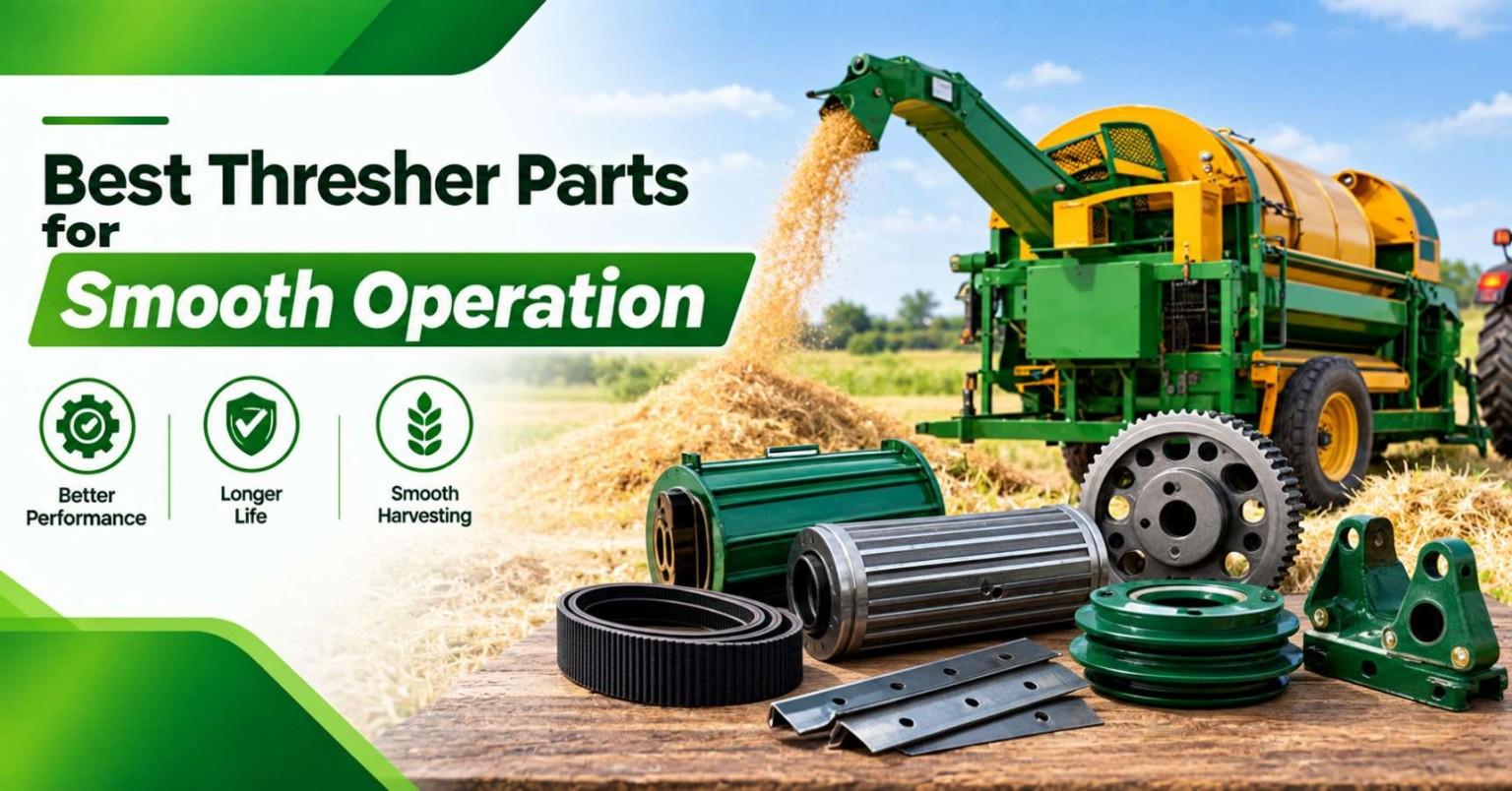
Learn about essential thresher spare parts including drums, beaters, bearings, belts, pulleys, shafts, sieves and filters for smooth machine operation
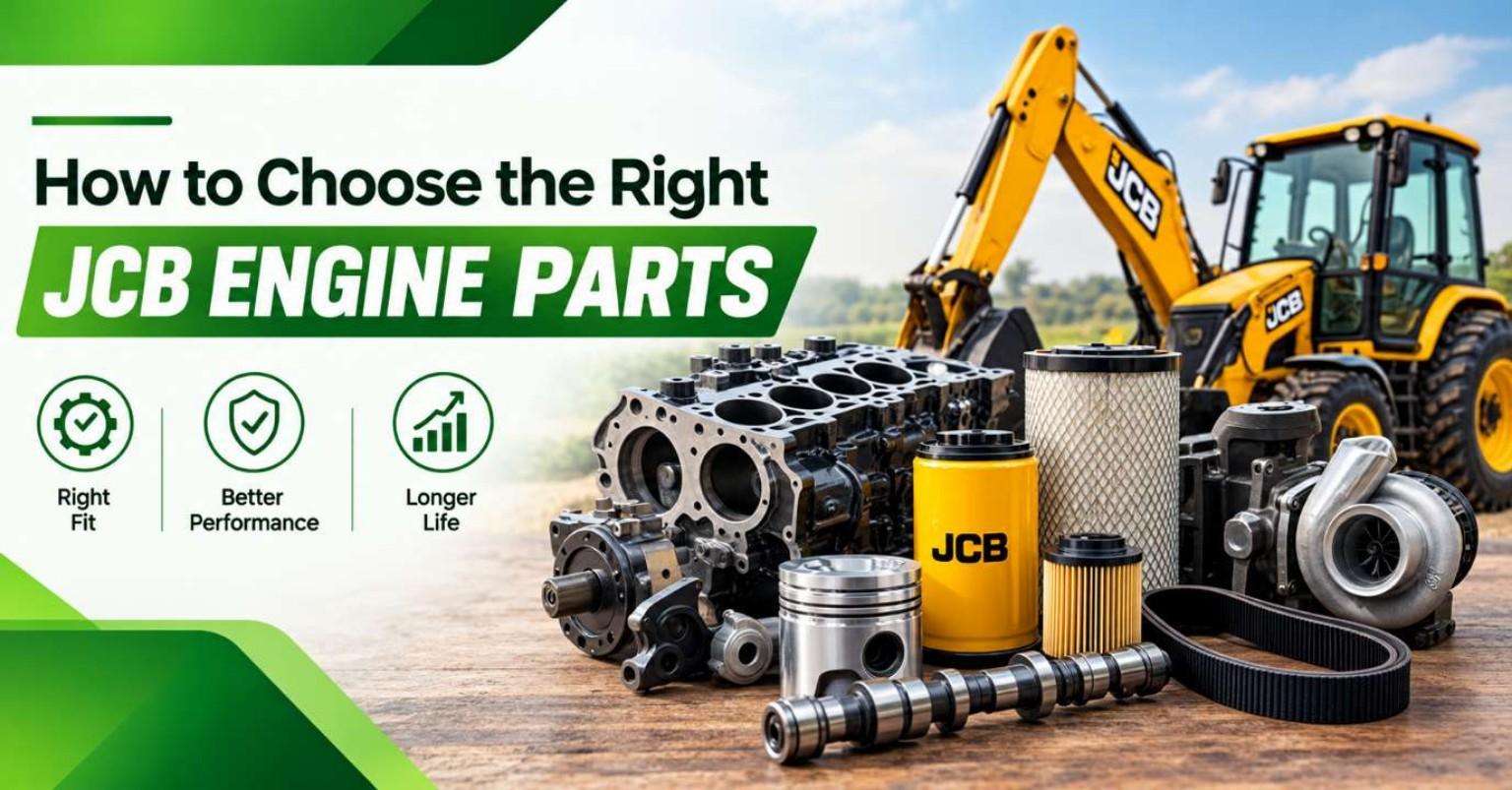
Learn how to choose the right JCB engine parts by checking model, part number, specifications, fitment, quality, working conditions and supplier reliability