 English


Learn how to buy reliable farm machinery spare parts by checking machine models, part numbers, dimensions, quality, fitment, suppliers and maintenance requirements.
COD उपलब्ध नहीं है। हम केवल प्रीपेड ऑर्डर में काम करते हैं और पूरे भारत में शिपिंग करते है. COD is not available. We work in prepaid orders only and shipping PAN India.
X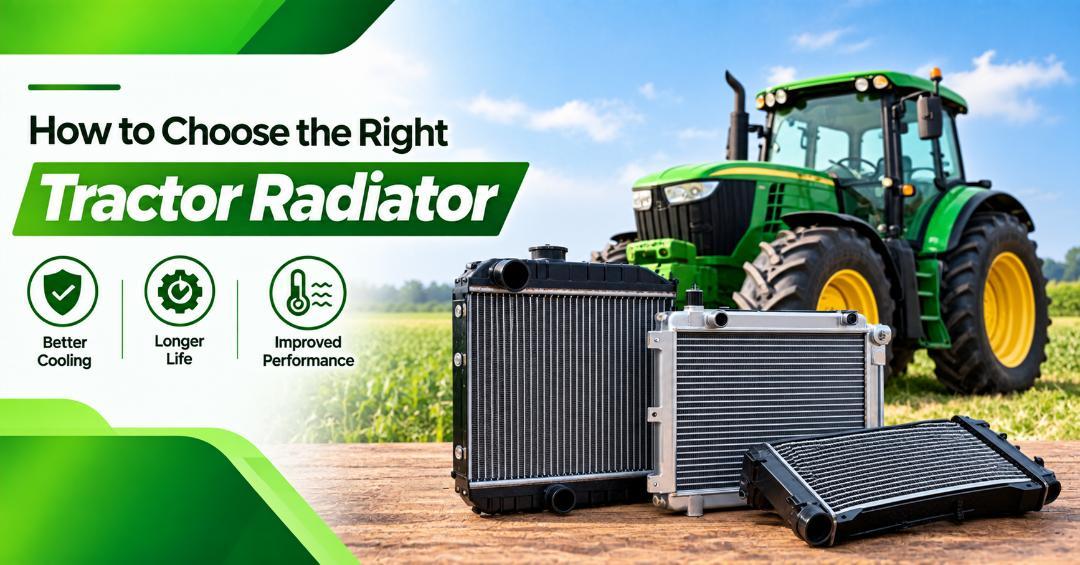
A tractor works for long hours in the field, often under heavy loads and in hot weather. During this time, its engine produces a lot of heat. The cooling system helps control this heat and keeps the engine running at a suitable temperature. One of the most important parts of this system is the tractor radiator.
Choosing the right tractor radiator helps prevent overheating, supports engine performance, and reduces the risk of expensive repairs. However, not every radiator is suitable for every tractor model. The right choice depends on the tractor's specifications, cooling requirements, working conditions, and the quality of the replacement part.
In this guide, we will explain how to choose the right tractor radiator, what factors to check before buying one, and how to maintain it for long-lasting performance.
A tractor radiator helps remove excess heat from the engine. During operation, coolant absorbs heat from the engine and carries it to the radiator. Air passes through the radiator fins, allowing the heat to escape. The cooled liquid then returns to the engine to continue the cooling process.
A properly working radiator helps maintain a stable engine temperature during ploughing, cultivation, transportation, and other agricultural activities.
If the radiator becomes damaged, blocked, or inefficient, the engine may overheat. Continued overheating can damage engine components, affect performance, and increase maintenance costs. This is why selecting a suitable radiator is important for every tractor owner.
The first step is to identify your tractor's make, model, and manufacturing year. Different tractor models can have different radiator designs, dimensions, mounting points, and cooling capacities.
Even radiators that look similar may not fit properly or provide the required cooling performance.
Before purchasing a replacement radiator, check the following details:
You can find these details in the tractor owner's manual or confirm them with a trusted spare parts supplier or mechanic.
Checking compatibility before buying helps avoid incorrect purchases and installation problems.
Radiator size plays an important role in engine cooling. A radiator that is too small or unsuitable for the engine may struggle to remove enough heat during demanding work.
However, choosing a larger radiator does not automatically mean better performance. The radiator must match the tractor's original design and cooling requirements.
Check the radiator's height, width, thickness, core size, and mounting points before making a decision. Also, make sure it fits within the available space without interfering with nearby components.
The correct size helps ensure proper installation and allows the cooling system to work as intended.
Tractor radiators are commonly manufactured using materials such as aluminium and copper-brass. Each option has its own characteristics, and the best choice depends on the tractor's design, operating conditions, budget, and maintenance requirements.
Aluminium radiators are generally lightweight and can provide effective heat transfer when properly designed. Copper-brass radiators are used in some applications and may offer repair options depending on their construction and the extent of damage.
Instead of choosing a radiator based only on its material, consider its overall build quality. Look for well-finished joints, properly formed fins, secure connections, and a strong frame.
A good-quality radiator should be suitable for regular agricultural use and capable of handling the operating conditions specified for your tractor.
Tractors often operate in demanding environments. Long working hours, high temperatures, dust, dry soil, and heavy loads can increase the demands on the cooling system.
If your tractor is regularly used for ploughing, harvesting, or other heavy fieldwork, choose a radiator that meets the manufacturer's cooling requirements for that model.
Dust and crop residue can collect on radiator fins and reduce airflow. Therefore, the design should allow proper airflow, and the radiator should be accessible for routine cleaning.
For tractors working in hot regions or under heavy loads, radiator compatibility and cooling system maintenance are especially important. A suitable radiator, combined with clean fins and the correct coolant, helps reduce the risk of overheating.
The radiator core contains small passages through which coolant flows, while the fins help transfer heat to the surrounding air.
When selecting a radiator, inspect the core and fins carefully. The fins should be reasonably straight, evenly arranged, and free from major damage. The core should not show signs of poor construction, visible leakage, or damaged joints.
Bent or blocked fins can restrict airflow and reduce cooling efficiency. Damaged coolant passages can also affect the radiator's ability to circulate coolant properly.
If you are buying online, review the product specifications, photographs, warranty details, and compatibility information. Ask the seller for clarification if important details are missing.
A radiator must connect correctly with the tractor's existing cooling system. Incorrect hose positions or mounting points can make installation difficult and may cause leaks or unwanted pressure on connected parts.
Before purchasing, compare the replacement radiator with the old unit. Check the inlet and outlet positions, hose sizes, mounting brackets, and clearance around the fan and other components.
Also, confirm that the radiator is compatible with the tractor's fan arrangement and shroud, where applicable.
Do not force a radiator into place if the connections or mounting points do not match. Incorrect installation can damage hoses, brackets, and other cooling system components.
Sometimes, a tractor radiator can be repaired, while in other cases, replacement may be the better option. Understanding common warning signs can help you take action before a minor issue becomes a major problem.
Watch for these signs:
These symptoms do not always mean the radiator is faulty. A damaged thermostat, faulty water pump, loose belt, defective radiator cap, low coolant level, or blocked passages can cause similar problems.
Have the cooling system inspected before replacing the radiator. A proper diagnosis helps identify the actual cause and prevents unnecessary spending.
Price is an important factor when buying tractor spare parts, but the cheapest option is not always the most economical choice.
A poorly made or incompatible radiator may lead to installation difficulties, leakage, or recurring cooling problems. On the other hand, a suitable replacement can help reduce avoidable repairs and downtime.
Compare different options based on compatibility, construction quality, supplier reliability, warranty coverage, and availability of technical support.
Read the warranty terms carefully and check what they cover. Also, confirm whether the radiator is new, refurbished, or used before placing your order.
Choosing a reliable supplier makes it easier to obtain accurate product information and the right replacement part for your tractor.
A dependable supplier can help you identify a radiator that matches your tractor's requirements. Share the tractor model and, if possible, the original radiator part number to make the selection process easier.
Before confirming your purchase, ask about fitment, material, product condition, warranty, and return or replacement policies.
Gropart provides spare parts for tractors, JCB machines, threshers, and other agricultural machinery applications. When looking for a tractor radiator or related replacement components, check the available product details and confirm compatibility with your specific tractor model.
Taking a few minutes to verify these details can help you avoid ordering the wrong part and reduce unnecessary delays during repairs.
Choosing the right radiator is only the first step. Regular maintenance helps keep the cooling system in good working condition.
Follow these simple practices:
Always allow the engine to cool before opening the radiator cap. A hot cooling system can contain pressurised liquid and steam that may cause serious burns.
Choosing the right tractor radiator is essential for reliable engine cooling and smooth agricultural operations. The correct radiator should match your tractor model, size requirements, mounting arrangement, and cooling specifications. Material quality, core condition, supplier reliability, and warranty are also important factors to consider.
Before buying a replacement, inspect your existing radiator and identify the cause of any cooling problem. Compare product specifications carefully and choose a compatible part instead of focusing only on price.
With the right tractor radiator and regular cooling system maintenance, you can help protect your engine, reduce avoidable repair costs, and keep your tractor ready for demanding fieldwork.
1. How do I choose the right radiator for my tractor?
Check your tractor's make, model, manufacturing year, radiator dimensions, mounting points, hose connections, and original part number. Always confirm compatibility before buying.
2. Which radiator material is better for tractors: aluminium or copper-brass?
Both materials can be suitable for different tractor applications. The right choice depends on the original design, cooling requirements, durability needs, and repair considerations.
3. What causes a tractor radiator to overheat?
Common causes include blocked fins, low coolant, coolant leakage, a faulty thermostat, a damaged water pump, restricted coolant passages, or problems with the fan and belt.
4. Can I repair a leaking tractor radiator instead of replacing it?
Some leaks can be repaired, depending on their location, the radiator's material, and the extent of damage. A mechanic should inspect the radiator to determine whether repair or replacement is appropriate.
5. How often should I clean my tractor radiator?
Cleaning frequency depends on working conditions. Tractors used in dusty fields or around crop residue may need more frequent cleaning. Follow the manufacturer's maintenance recommendations and inspect the fins regularly.
Learn how to buy reliable farm machinery spare parts by checking machine models, part numbers, dimensions, quality, fitment, suppliers and maintenance requirements.
Learn which farm machinery parts need regular lubrication, including tractor bearings, PTO components, bushes, pins, chains, gears, wheel bearings and more.
Learn how to choose quality thresher belts by checking size, profile, construction, load, heat resistance, compatibility, tension and belt wear.
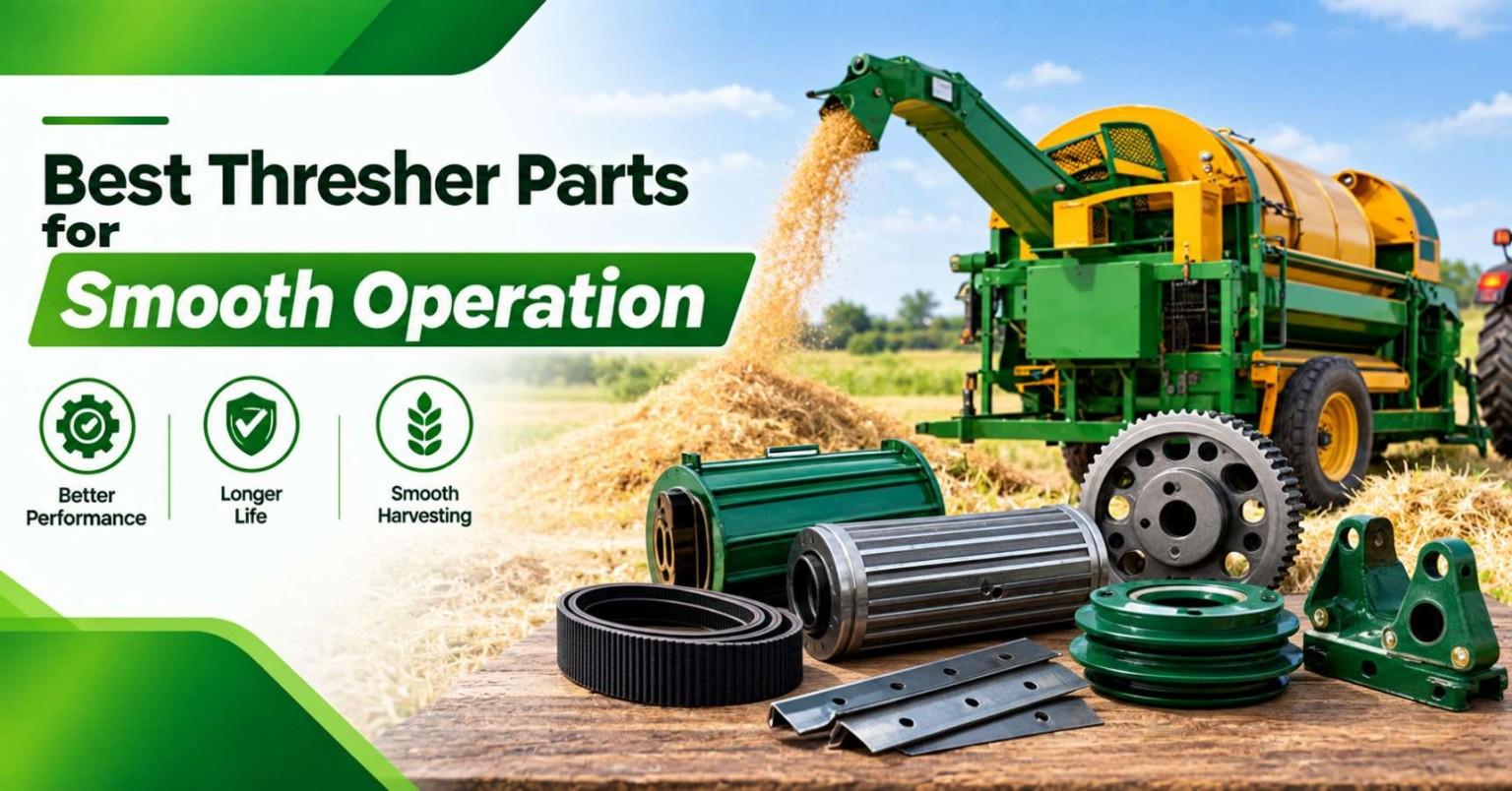
Learn about essential thresher spare parts including drums, beaters, bearings, belts, pulleys, shafts, sieves and filters for smooth machine operation