 English


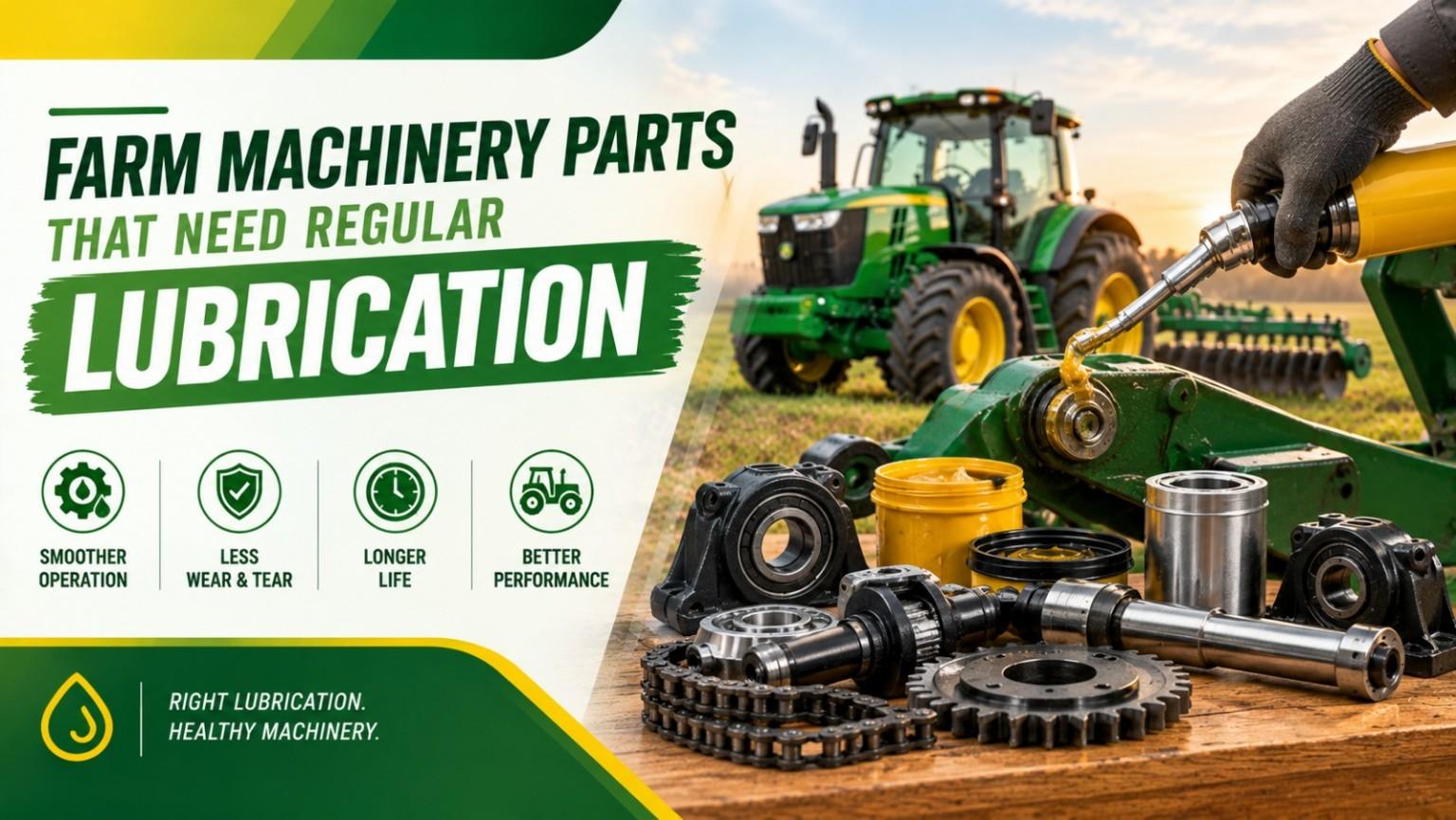
Learn which farm machinery parts need regular lubrication, including tractor bearings, PTO components, bushes, pins, chains, gears, wheel bearings and more.
COD उपलब्ध नहीं है। हम केवल प्रीपेड ऑर्डर में काम करते हैं और पूरे भारत में शिपिंग करते है. COD is not available. We work in prepaid orders only and shipping PAN India.
X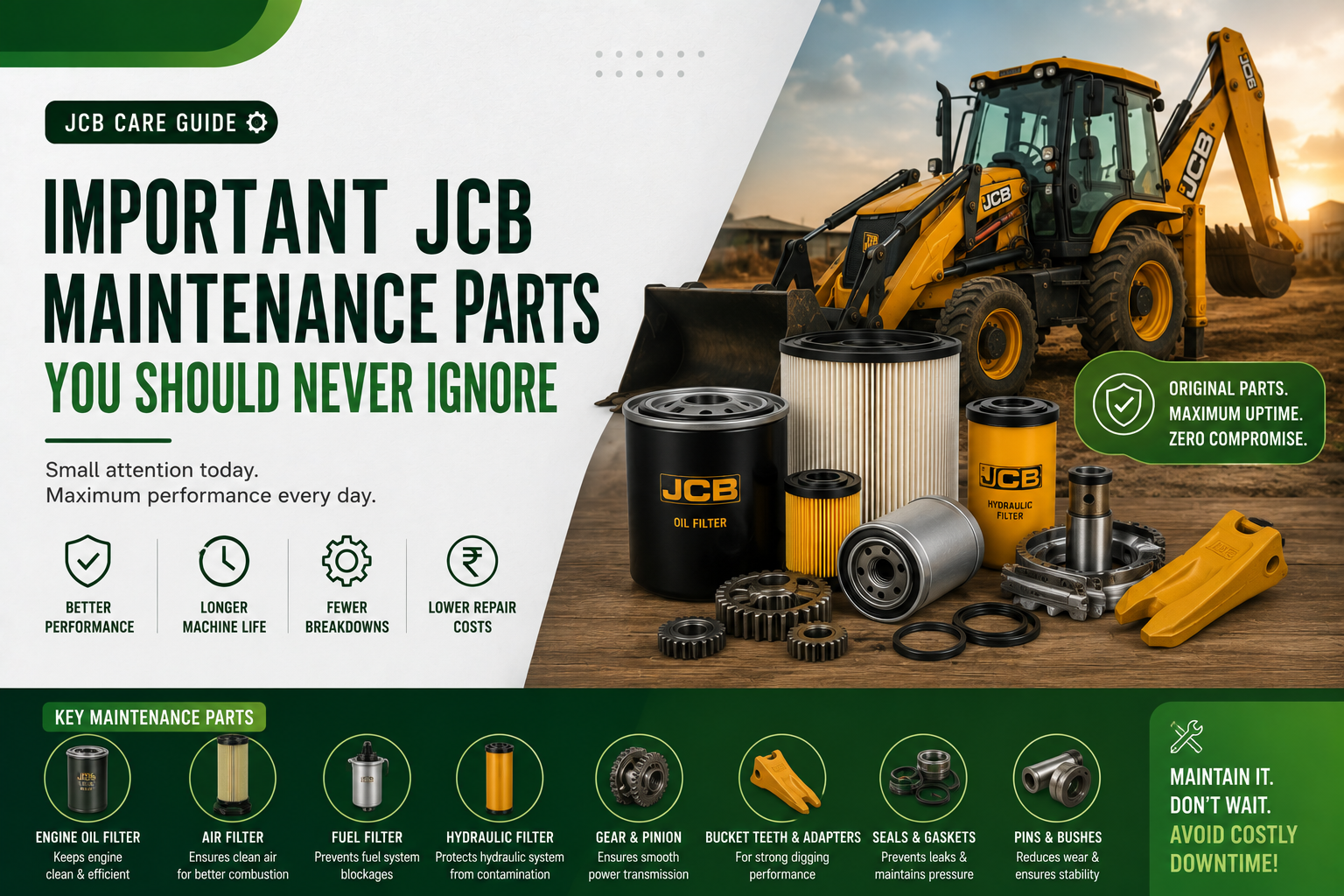
JCB machines are widely used in construction, agriculture, road projects, and material handling operations. Their ability to perform heavy-duty work makes them one of the most valuable pieces of equipment on any worksite. Whether it is digging, loading, lifting, or transporting materials, a JCB machine is expected to work efficiently under demanding conditions every day.
However, like any heavy machine, a JCB requires regular maintenance to deliver consistent performance. Many machine owners focus only on major repairs while overlooking smaller maintenance parts that play a critical role in keeping the equipment running smoothly. Ignoring these components can lead to reduced efficiency, unexpected breakdowns, and expensive repair bills.
Understanding which JCB maintenance parts require regular attention can help operators extend machine life, improve productivity, and reduce downtime. A proactive maintenance approach is always more affordable than dealing with major mechanical failures.
JCB machines often work in harsh environments that expose them to dust, mud, heavy loads, vibration, and extreme temperatures. These conditions gradually wear down various components, even when the machine appears to be operating normally.
Routine inspections and timely replacement of maintenance parts help prevent small issues from turning into major problems. Regular maintenance also improves fuel efficiency, reduces operating costs, and keeps the machine ready for daily work.
A well-maintained JCB not only performs better but also retains its value for a longer period.
One of the most important maintenance parts in a JCB machine is the air filter. Construction sites and agricultural fields generate large amounts of dust that can easily enter the engine.
The Air filter prevents dirt and debris from reaching sensitive engine components. When the filter becomes clogged, airflow is restricted, causing the engine to work harder.
A dirty air filter can result in:
Inspecting and replacing air filters regularly helps maintain engine efficiency and protects expensive internal parts.
Engine oil is responsible for lubricating moving engine components and reducing friction. However, the oil filter plays an equally important role by removing contaminants from the oil.
Over time, dirt, metal particles, and impurities accumulate inside the filter. If the filter becomes blocked, oil circulation may be affected.
Regular oil filter replacement helps:
Ignoring oil filter maintenance can lead to serious engine damage and costly repairs.
The fuel system is essential for reliable engine operation. Fuel filters protect injectors and fuel pumps by trapping dirt, water, and other contaminants before they enter the system.
A clogged fuel filter can cause:
Because JCB machines often operate in dusty environments, fuel filters should be inspected regularly and replaced when necessary.
Clean fuel delivery helps maintain smooth engine performance and improves overall efficiency.
Hydraulic systems are the heart of a JCB machine. They control the boom, bucket, loader arms, and various attachments used during operation.
Hydraulic filters remove contaminants from hydraulic oil and protect sensitive components such as pumps, cylinders, and control valves.
When hydraulic filters become dirty, operators may notice:
Replacing hydraulic filters at recommended intervals helps maintain system reliability and prevents costly hydraulic failures.
Hydraulic seals may seem like small components, but they play a major role in maintaining hydraulic pressure and preventing oil leaks.
Worn or damaged seals can lead to:
Even a small hydraulic leak can affect machine productivity and eventually damage other hydraulic components.
Regular inspection of seals and prompt replacement when wear appears can prevent larger hydraulic problems.
Belts are responsible for driving important systems within the machine, including cooling fans, alternators, and water pumps.
Because belts operate continuously, they gradually wear out over time. Heat, dust, and heavy workloads can accelerate deterioration.
Signs of belt wear include:
Replacing worn belts before failure helps prevent unexpected downtime and protects connected systems from damage.
JCB engines generate significant heat during operation. The cooling system works continuously to maintain safe temperatures and prevent overheating.
Important cooling system parts include:
If any of these components fail, engine temperatures can rise quickly and cause serious damage.
Regular inspection of cooling system parts helps ensure efficient heat management and reliable machine operation.
Bearings and bushes are found throughout a JCB machine, particularly in moving joints and pivot points.
These components reduce friction and support smooth movement during digging, lifting, and loading operations.
Over time, bearings and bushes can wear out due to:
Worn bearings often cause vibration, noise, and reduced operating efficiency. Regular inspection and lubrication help extend component life.
JCB machines rely heavily on pins and pivot points to allow controlled movement of loader arms, buckets, and backhoe attachments.
Because these areas handle heavy loads every day, wear can develop gradually.
Common signs of wear include:
Replacing worn pins and bushes helps maintain machine stability and ensures smooth operation.
Electrical systems are essential for starting the machine and operating various controls, lights, and safety features.
Battery maintenance should include checking:
Electrical issues often develop slowly and can be avoided through regular inspections.
A healthy electrical system helps prevent unexpected starting problems and operational interruptions.
Tyres are among the most heavily used components on any JCB machine. They support the machine's weight, provide traction, and affect fuel efficiency.
Operators should inspect tyres regularly for:
Proper tyre maintenance improves machine stability and helps reduce operating costs.
Maintenance is only effective when quality replacement parts are used. Low-quality components may wear out quickly and fail under demanding working conditions.
Reliable spare parts from Gropart are designed to withstand heavy workloads and support long-term equipment performance. Using dependable replacement components helps reduce breakdowns and improves overall machine reliability.
Investing in quality parts often saves money by reducing repeat repairs and minimizing downtime.
One of the best ways to keep a JCB machine operating efficiently is by following a preventive maintenance schedule.
Regular inspections should include:
Monitoring these areas consistently helps identify problems early and prevents unexpected equipment failures.
JCB machines are built for demanding work, but their performance depends heavily on proper maintenance. Components such as filters, hydraulic seals, belts, bearings, cooling system parts, and electrical components play a critical role in keeping the machine running efficiently.
Ignoring these maintenance parts can lead to reduced productivity, higher fuel consumption, and costly repairs. Regular inspections and timely replacement of worn components help improve reliability and extend equipment life.
By combining preventive maintenance with high-quality spare parts from Gropart, machine owners can reduce downtime, lower operating costs, and keep their JCB equipment performing at its best for years to come. Proper maintenance is not just about avoiding breakdowns—it is an investment in long-term productivity and machine performance.
Learn which farm machinery parts need regular lubrication, including tractor bearings, PTO components, bushes, pins, chains, gears, wheel bearings and more.
Learn which farm machinery parts need regular lubrication, including tractor bearings, PTO components, bushes, pins, chains, gears, wheel bearings and more.
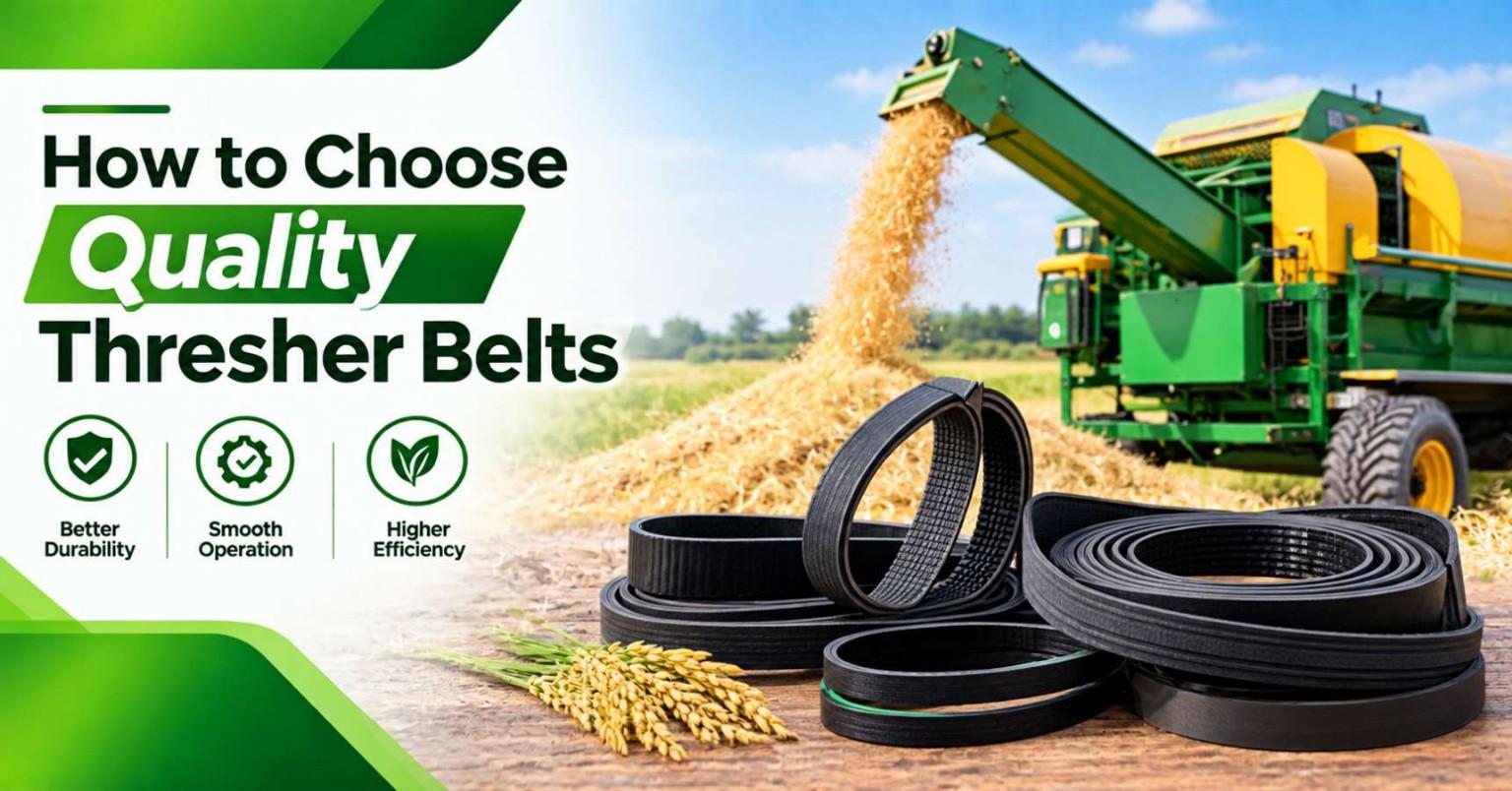
Learn how to choose quality thresher belts by checking size, profile, construction, load, heat resistance, compatibility, tension and belt wear.
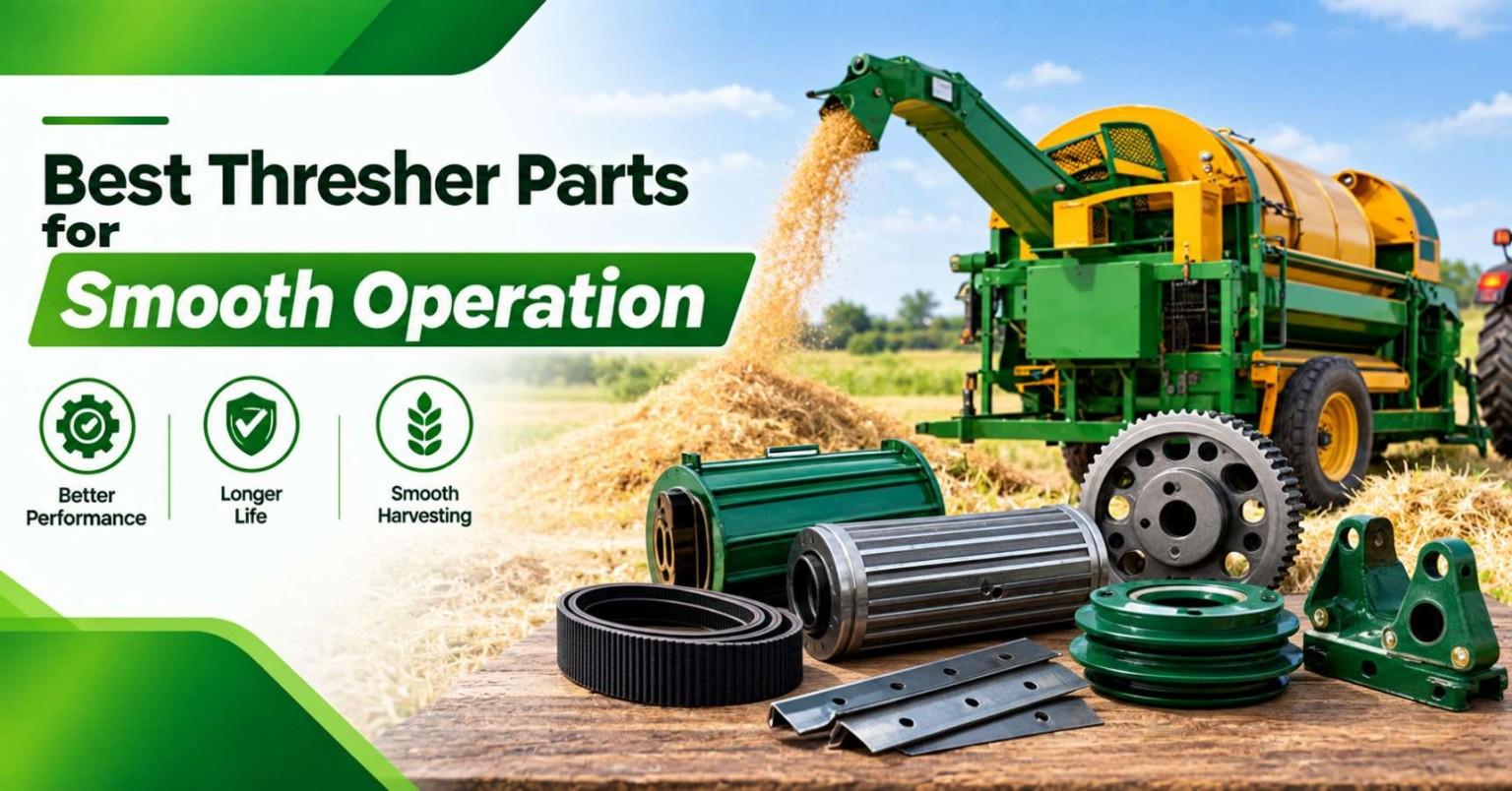
Learn about essential thresher spare parts including drums, beaters, bearings, belts, pulleys, shafts, sieves and filters for smooth machine operation