 English

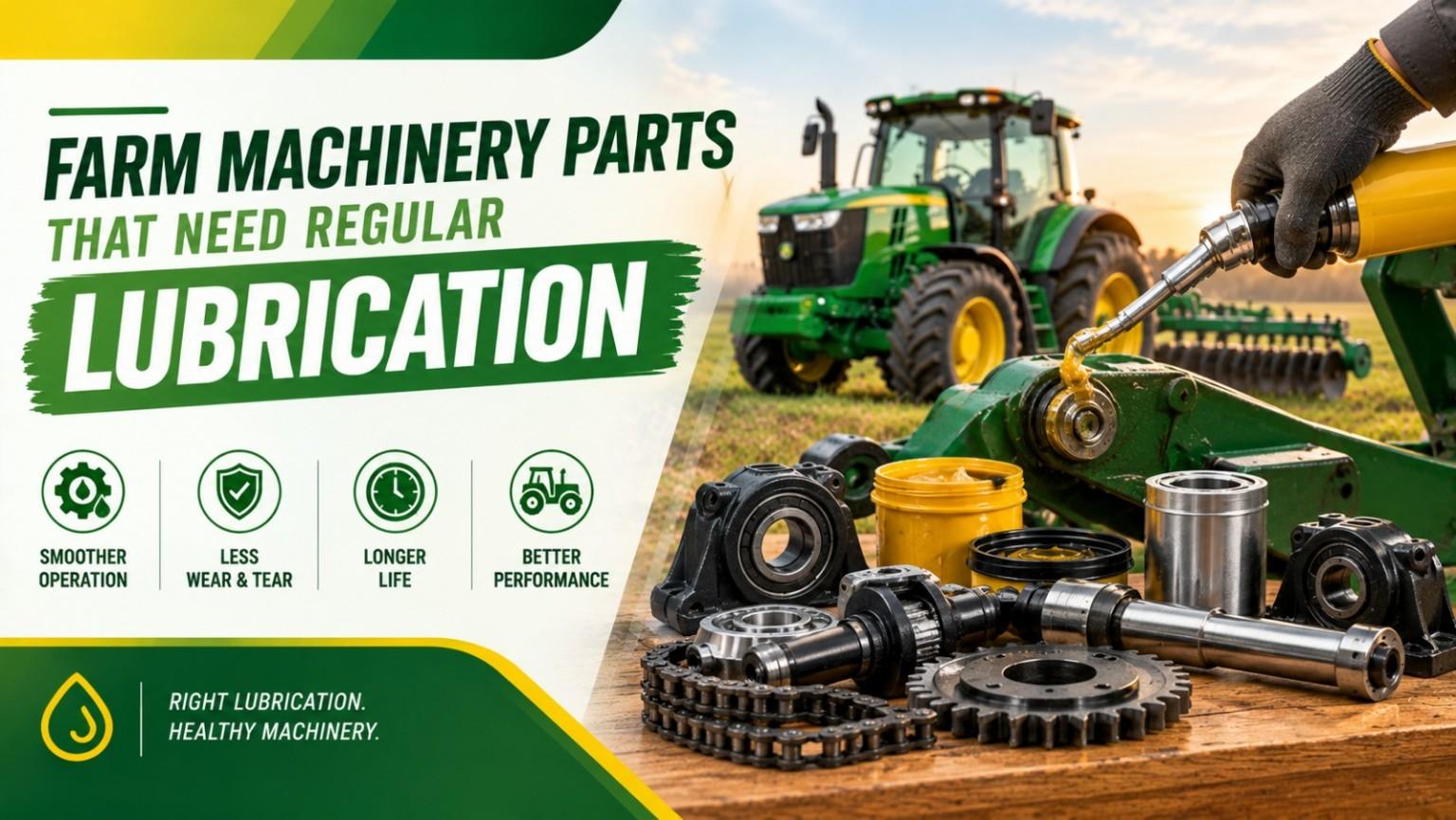
Learn which farm machinery parts need regular lubrication, including tractor bearings, PTO components, bushes, pins, chains, gears, wheel bearings and more.
COD उपलब्ध नहीं है। हम केवल प्रीपेड ऑर्डर में काम करते हैं और पूरे भारत में शिपिंग करते है. COD is not available. We work in prepaid orders only and shipping PAN India.
X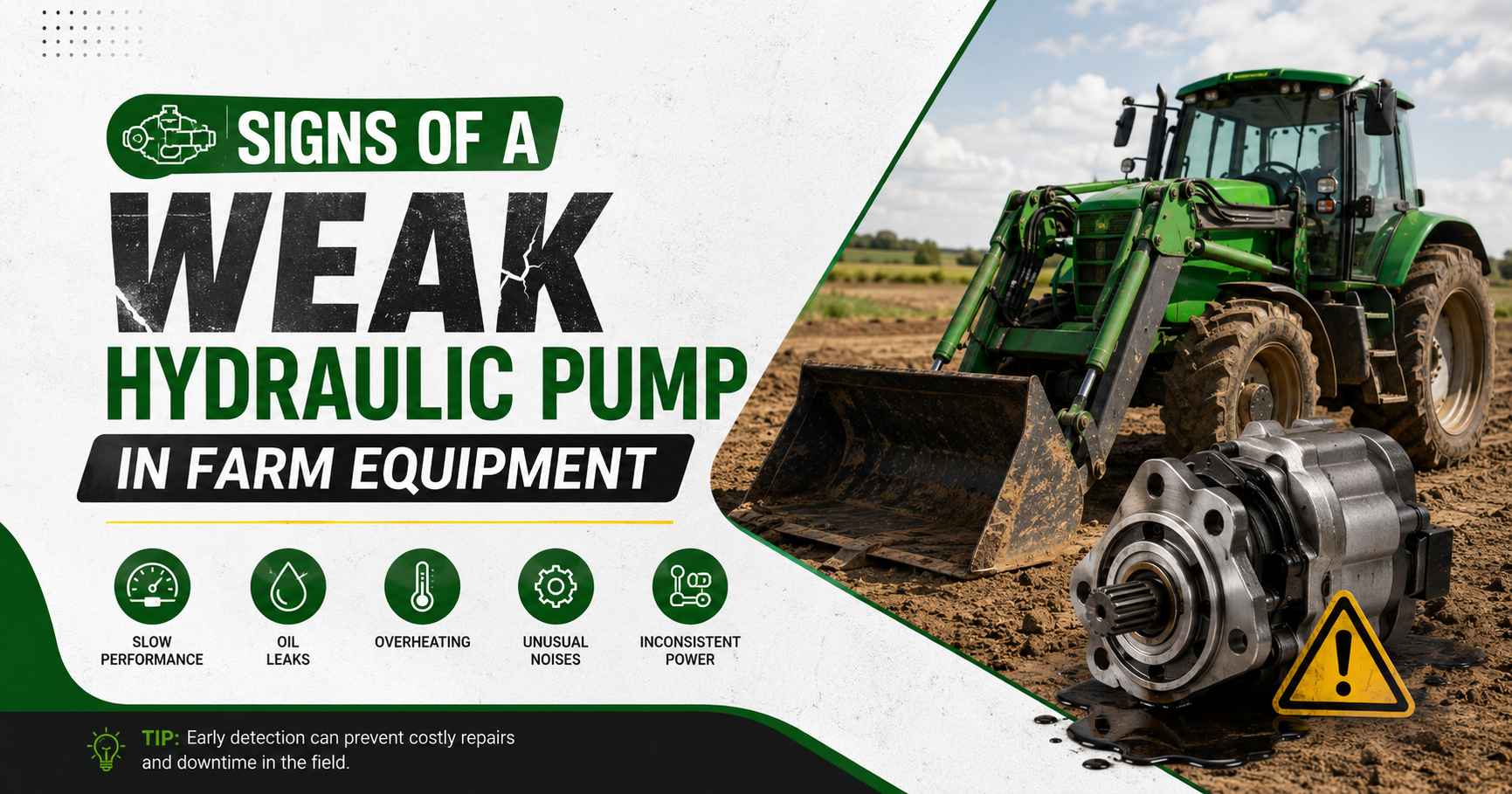
Modern farming equipment relies heavily on hydraulic systems to perform daily operations efficiently. Whether it is a tractor, loader, cultivator, harvester, or other agricultural machinery, hydraulics play a major role in lifting, lowering, steering, and controlling implements. At the center of this system is the hydraulic pump, a component responsible for generating the pressure needed to move hydraulic fluid throughout the machine.
A healthy hydraulic pump ensures smooth operation and reliable performance. However, like any mechanical component, hydraulic pumps wear out over time. When this happens, the entire hydraulic system begins to suffer. Farmers often notice reduced lifting power or slow implement movement but may not immediately realize that the hydraulic pump is the source of the problem.
Identifying the warning signs of a weak hydraulic pump early can help prevent costly repairs, reduce downtime, and keep farm equipment operating efficiently during important agricultural activities.
Understanding early hydraulic pump issues also helps farmers make better decisions when they learn how to choose genuine tractor spare parts online.
The hydraulic pump is responsible for creating the pressure that allows hydraulic fluid to move through the system. This pressure powers hydraulic cylinders, control valves, steering systems, loaders, and various attachments.
Without proper pump performance, the hydraulic system cannot function effectively. Even if all other hydraulic components are in good condition, a weak pump can reduce overall machine productivity.
Because the pump works continuously whenever hydraulic functions are being used, it naturally experiences wear over time. Understanding the early signs of pump weakness can help farmers address problems before complete failure occurs.
One of the first and most noticeable signs of a weak hydraulic pump is slow hydraulic response.
Farmers may notice that implements take longer to lift or lower than usual. Loader arms may move more slowly, and hydraulic attachments may not respond as quickly as they once did.
This happens because a worn pump struggles to generate the pressure needed for efficient operation. While slow response can sometimes be linked to other hydraulic issues, it is often one of the earliest warning signs of declining pump performance.
If hydraulic functions begin feeling sluggish, the pump should be inspected before the problem worsens.
A properly functioning hydraulic system should lift heavy implements smoothly and consistently. When the hydraulic pump becomes weak, lifting capacity often decreases.
Common signs include:
Many farmers initially assume that hydraulic cylinders or valves are responsible, but a worn pump is frequently the root cause.
Reduced lifting power should never be ignored because it often indicates that the hydraulic system is no longer producing adequate pressure.
Hydraulic systems typically produce some operating noise, but excessive or unusual sounds often indicate a problem.
A weak hydraulic pump may create:
These sounds often occur when internal pump components become worn or when the pump struggles to maintain pressure.
If unusual hydraulic noise becomes noticeable, a thorough inspection should be performed as soon as possible. Early diagnosis can prevent more serious damage to the hydraulic system.
Hydraulic systems naturally generate heat during operation. However, excessive temperatures may indicate that the hydraulic pump is working harder than it should.
When internal wear reduces pump efficiency, more energy is lost through friction and pressure loss. This can cause hydraulic oil temperatures to rise beyond normal operating levels.
Signs of overheating may include:
Continuous overheating can damage seals, hoses, valves, and other hydraulic components, making early detection extremely important.
Many farmers are surprised to learn that a weak hydraulic pump can affect fuel efficiency.
When hydraulic components do not operate efficiently, the engine must work harder to achieve the same results. This extra workload often increases fuel consumption during daily operations.
If fuel usage rises without any obvious explanation, it may be worth inspecting the hydraulic system. A worn pump can place unnecessary strain on the engine and reduce overall machine efficiency.
Addressing hydraulic issues early can help improve both performance and fuel economy. This extra load is often linked to poor-quality tractor parts fuel consumption, which reduces overall machine efficiency.
Hydraulic systems are designed to provide smooth and controlled movement. When the hydraulic pump begins to weaken, operation may become inconsistent.
Farmers may notice:
These symptoms often indicate unstable pressure within the hydraulic system.
While contaminated hydraulic oil or faulty valves can contribute to these issues, a worn hydraulic pump is frequently involved.
A weak pump may still perform adequately when handling light tasks. However, problems often become more obvious when the machine is placed under heavy load.
For example, a loader may lift empty buckets normally but struggle when carrying heavy materials. Similarly, hydraulic implements may work correctly until resistance increases.
This loss of performance under load usually indicates that the pump can no longer generate sufficient pressure for demanding applications.
Recognizing this pattern can help farmers identify hydraulic pump wear before complete failure occurs.
Although leaks do not always originate directly from the hydraulic pump, they can be associated with declining system performance.
As pumps wear, pressure fluctuations may place additional stress on seals and connections. This can contribute to leakage throughout the hydraulic system.
Farmers should regularly inspect:
Addressing leaks early helps maintain pressure and prevents contamination of hydraulic fluid.
The condition of hydraulic oil often provides valuable clues about pump health.
When internal pump components wear excessively, tiny metal particles may enter the hydraulic fluid. Over time, these contaminants can circulate through the system and damage other components.
Warning signs include:
Regular oil inspections can help identify internal wear before major damage occurs. Proper handling and protection of hydraulic oil is also important, similar to practices explained in how to store tractor spare parts properly.
If hydraulic components require repeated repairs, the hydraulic pump should be carefully evaluated.
Many farmers replace hoses, seals, valves, and cylinders only to discover that performance problems continue. In some cases, the underlying issue is a weak pump that is affecting the entire hydraulic system.
Replacing individual components without addressing pump wear may only provide temporary improvement.
A complete hydraulic inspection can help identify the actual source of recurring problems.
Although hydraulic pumps eventually wear out, proper maintenance can significantly extend their service life.
Some important maintenance practices include:
Preventive maintenance is usually much less expensive than repairing a failed hydraulic system.
When hydraulic repairs become necessary, the quality of replacement components plays a major role in long-term performance.
Low-quality parts may wear quickly and place additional stress on the hydraulic system. Reliable hydraulic components from Gropart are designed to handle demanding agricultural conditions and provide dependable performance over time.
Using quality hydraulic pumps, seals, filters, and related components helps reduce downtime and improve equipment reliability.
Investing in durable replacement parts can save farmers both time and money in the long run.
The hydraulic pump is one of the most important components in any farm machine. It supplies the pressure needed to operate hydraulic systems efficiently and supports a wide range of agricultural tasks. When the pump begins to weaken, warning signs such as slow response, reduced lifting power, unusual noise, overheating, jerky movement, and increased fuel consumption often appear.
Recognizing these symptoms early allows farmers to address problems before they develop into expensive repairs or complete system failures. Regular maintenance, proper hydraulic oil care, and routine inspections play a major role in extending pump life and maintaining reliable equipment performance.
By combining preventive maintenance with quality hydraulic spare parts from Gropart, farmers can keep their machinery operating smoothly, reduce downtime, and ensure dependable productivity throughout the farming season. Following these maintenance practices can also help farmers reduce tractor maintenance costs over the long term.
Learn which farm machinery parts need regular lubrication, including tractor bearings, PTO components, bushes, pins, chains, gears, wheel bearings and more.
Learn which farm machinery parts need regular lubrication, including tractor bearings, PTO components, bushes, pins, chains, gears, wheel bearings and more.
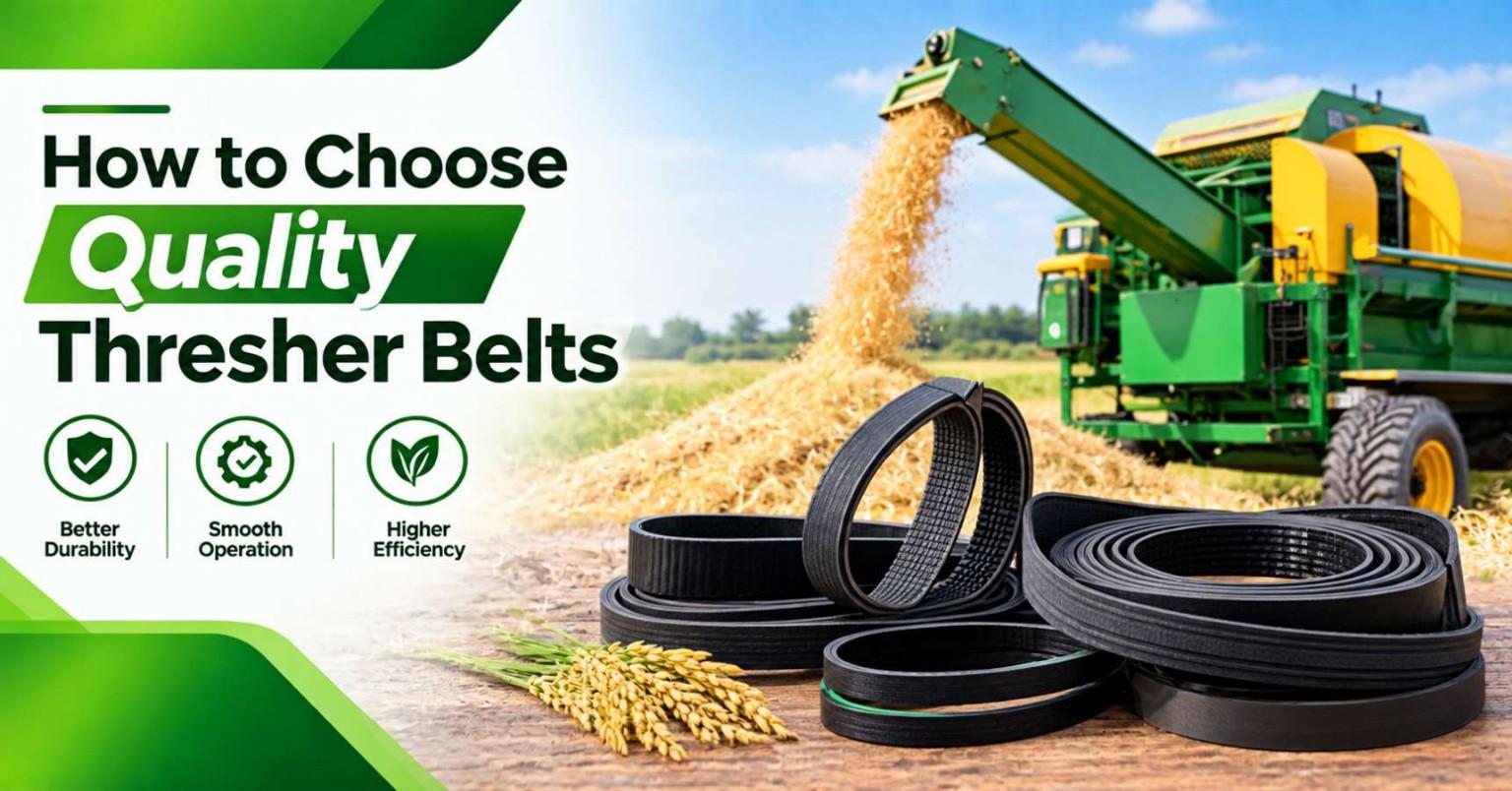
Learn how to choose quality thresher belts by checking size, profile, construction, load, heat resistance, compatibility, tension and belt wear.
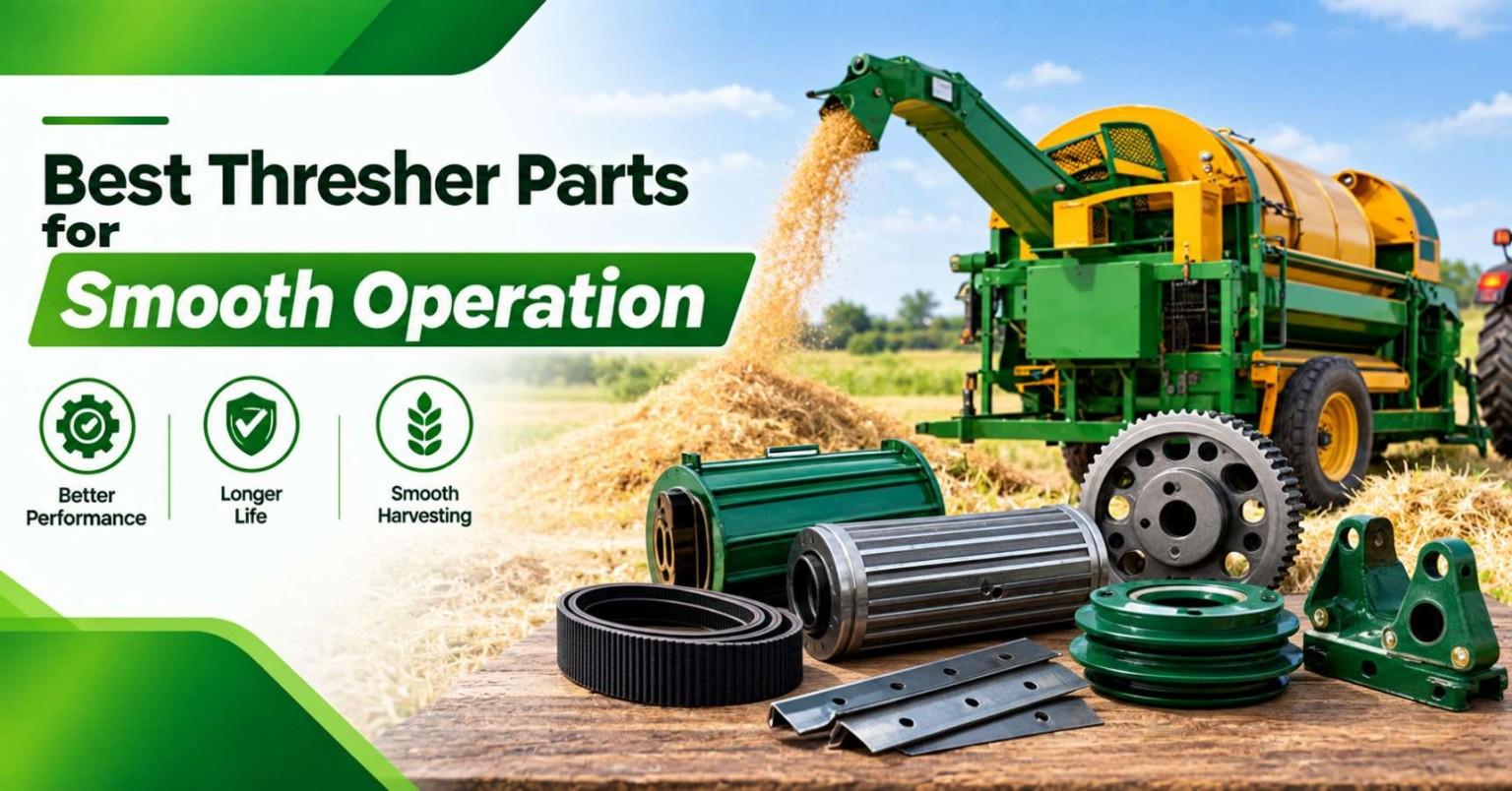
Learn about essential thresher spare parts including drums, beaters, bearings, belts, pulleys, shafts, sieves and filters for smooth machine operation