 English


Learn how to choose the right tractor gear parts by checking model, part number, size, tooth design, material, compatibility, and quality
COD उपलब्ध नहीं है। हम केवल प्रीपेड ऑर्डर में काम करते हैं और पूरे भारत में शिपिंग करते है. COD is not available. We work in prepaid orders only and shipping PAN India.
X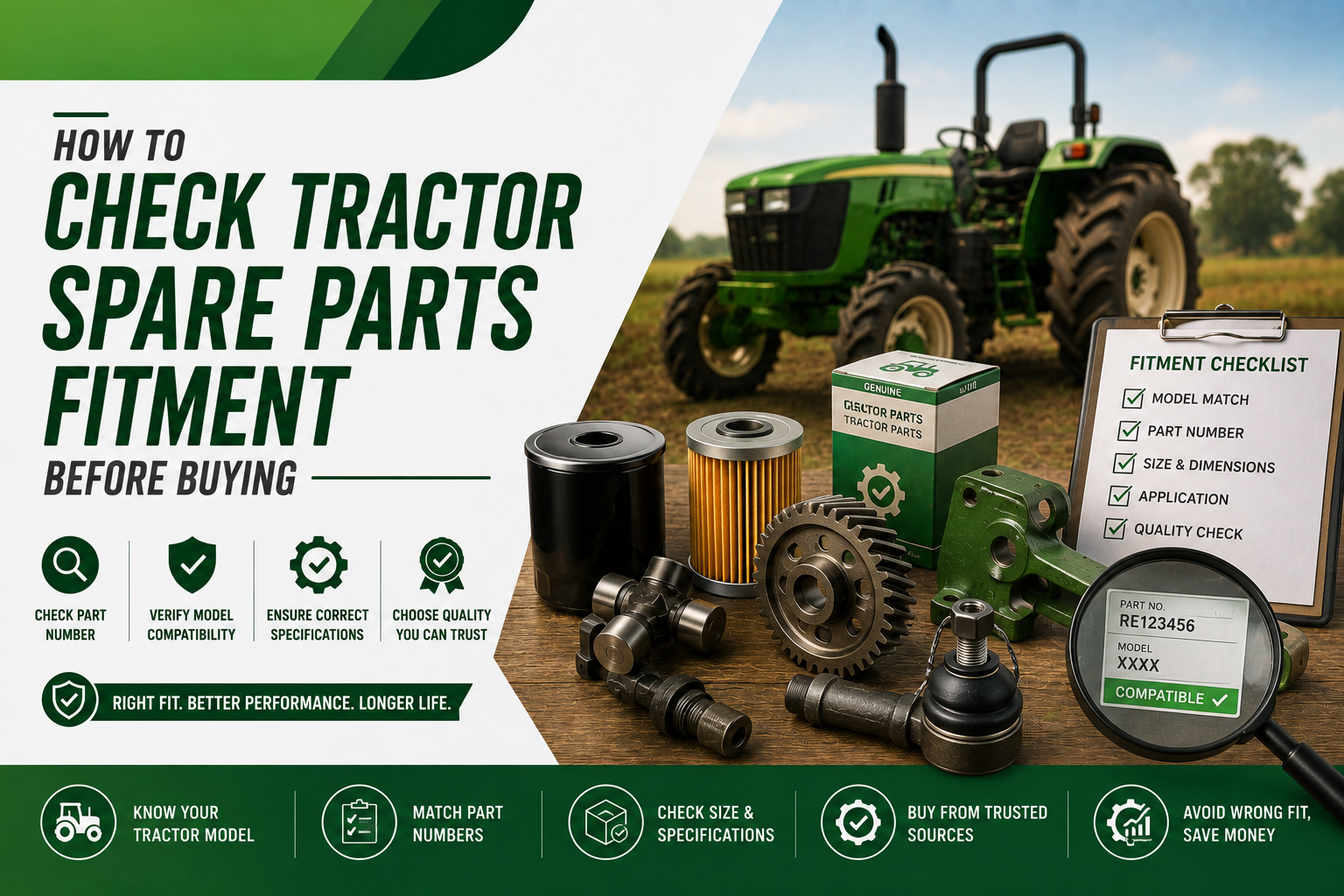
Buying the right tractor spare parts is an important decision for every farmer and machine owner. When a tractor part becomes damaged or worn out, replacing it quickly helps prevent further problems and keeps the machine working efficiently. However, choosing a spare part is not only about finding a product that looks similar to the original. The part must fit the tractor correctly and work properly with the existing system.
Incorrect fitment is one of the common reasons for poor tractor performance after a repair. A part may appear suitable but still have differences in size, design, mounting points, or specifications. Installing such a component can cause vibration, leakage, faster wear, and even damage to other tractor parts.
Before buying any tractor spare part, it is important to check its fitment carefully. A few simple checks can help farmers, mechanics, and first-time buyers avoid purchasing the wrong component and ensure a smoother repair process.
Fitment refers to whether a particular spare part is designed to properly install and function on a specific tractor model.
A correctly fitted part should:
Fitment is not always determined by appearance. Two parts may look almost identical but have different measurements or specifications.
This is why checking compatibility before buying is essential.
The first step in checking spare part fitment is identifying the exact tractor make and model.
Many tractor manufacturers produce multiple models with similar designs. However, the parts used in each model may be different.
Before purchasing a component, note details such as:
This information helps suppliers and mechanics identify the correct replacement part.
Providing only the tractor brand may not be enough to confirm proper fitment.
The original part number is one of the most useful ways to identify a compatible replacement component.
Many tractor parts have a unique identification number provided by the manufacturer. This number helps match the replacement part with the correct original specification.
If the original part number is available, compare it with the replacement part information before buying.
A matching part number can make the identification process much easier, but buyers should still confirm the information with a trusted supplier.
Physical dimensions are extremely important when checking tractor spare part fitment.
Depending on the component, important measurements may include:
Even a small difference in measurement can prevent proper installation.
For example, a bearing with the wrong inner diameter may not fit correctly on a shaft. Similarly, a gasket with incorrect dimensions may fail to create a proper seal.
Always compare the measurements of the old part with the specifications of the replacement part when possible.
Many tractor parts are installed using bolts, brackets, connectors, or other mounting systems.
Before buying a replacement component, check whether its mounting points match the original part.
Important details may include:
A part that does not match the tractor's mounting system may require modifications. Such modifications can affect safety and performance.
For critical components, it is always better to choose a part designed for direct and proper fitment.
A spare part should not only fit physically; it must also perform the correct function.
For example, a hydraulic pump must provide suitable pressure and flow for the tractor's hydraulic system. A filter must be capable of handling the required level of filtration. A clutch plate must match the power and transmission requirements of the tractor.
Before buying, make sure the replacement part's specifications are suitable for the intended application.
A physically compatible part may still perform poorly if its operating specifications are incorrect.
Fitment and quality should always be considered together.
A part may fit correctly but still fail quickly if it is made from poor-quality materials.
For agricultural machinery, spare parts should be able to withstand:
Quality components are more likely to maintain their shape, strength, and performance over time.
Choosing reliable tractor spare parts helps reduce the risk of repeated replacements and unexpected breakdowns.
First-time buyers may not always know how to identify the correct spare part. In such cases, asking for compatibility information is a smart step.
A reliable spare parts supplier should be able to provide useful details about:
When purchasing from a trusted brand such as Gropart, buyers can make better decisions by checking the available product information and confirming whether the component is suitable for their tractor.
Online product images can be useful, but they should not be the only basis for choosing a tractor spare part.
A product may look similar to the original part but have differences in:
Always check the product specifications and compatibility information instead of relying only on appearance.
This is particularly important when buying parts online.
If the original part is still available, inspect it carefully before purchasing a replacement.
Look for:
Taking clear photographs of the old component can also help when discussing the replacement with a supplier or mechanic.
However, remember that the old part may already have changed shape due to wear. Measurements should be compared with official specifications whenever possible.
Some tractor components work together as part of a larger system.
For example, a hydraulic pump works with filters, valves, hoses, and cylinders. A clutch plate works with a pressure plate, release bearing, and flywheel.
Replacing only one component without checking related parts may not solve the original problem.
If a part has failed repeatedly, the issue may be caused by another damaged or incompatible component.
Checking the complete system can help ensure better fitment and longer service life.
Some older tractors may have been modified over the years. Previous repairs may have changed certain components or mounting arrangements.
In such cases, the original tractor model information may not be enough to identify the correct replacement part.
Before buying, check the actual part currently installed on the tractor and consult a qualified mechanic if necessary.
This can help avoid compatibility problems caused by previous modifications.
Choosing the correct spare part the first time can save both time and money.
Incorrect parts may lead to:
A properly fitted part works more efficiently and reduces the risk of repeated repairs.
For farmers who depend on their tractors for daily operations, avoiding unnecessary downtime is especially important.
The right fitment is important, but the quality of the spare part also determines how long it will perform.
Low-quality parts may fit initially but wear out quickly under agricultural working conditions.
Reliable components from Gropart are designed to support the performance requirements of tractors and agricultural machinery. Choosing quality parts helps improve durability, reduce maintenance needs, and support dependable machine operation.
Checking tractor spare parts fitment before buying is an important step that should never be ignored. The correct part must match the tractor model, dimensions, mounting points, operating specifications, and overall system requirements.
Farmers and buyers should check the tractor's exact model, compare part numbers and dimensions, inspect connection points, and confirm compatibility with a reliable supplier. It is also important to consider material quality and the working conditions in which the part will be used.
By taking a few minutes to verify fitment before purchasing, tractor owners can avoid installation problems, reduce repair costs, and prevent unnecessary downtime. With properly fitted and reliable spare parts from Gropart, farmers can maintain better tractor performance and keep their machines ready for demanding agricultural work.
Learn how to choose the right tractor gear parts by checking model, part number, size, tooth design, material, compatibility, and quality
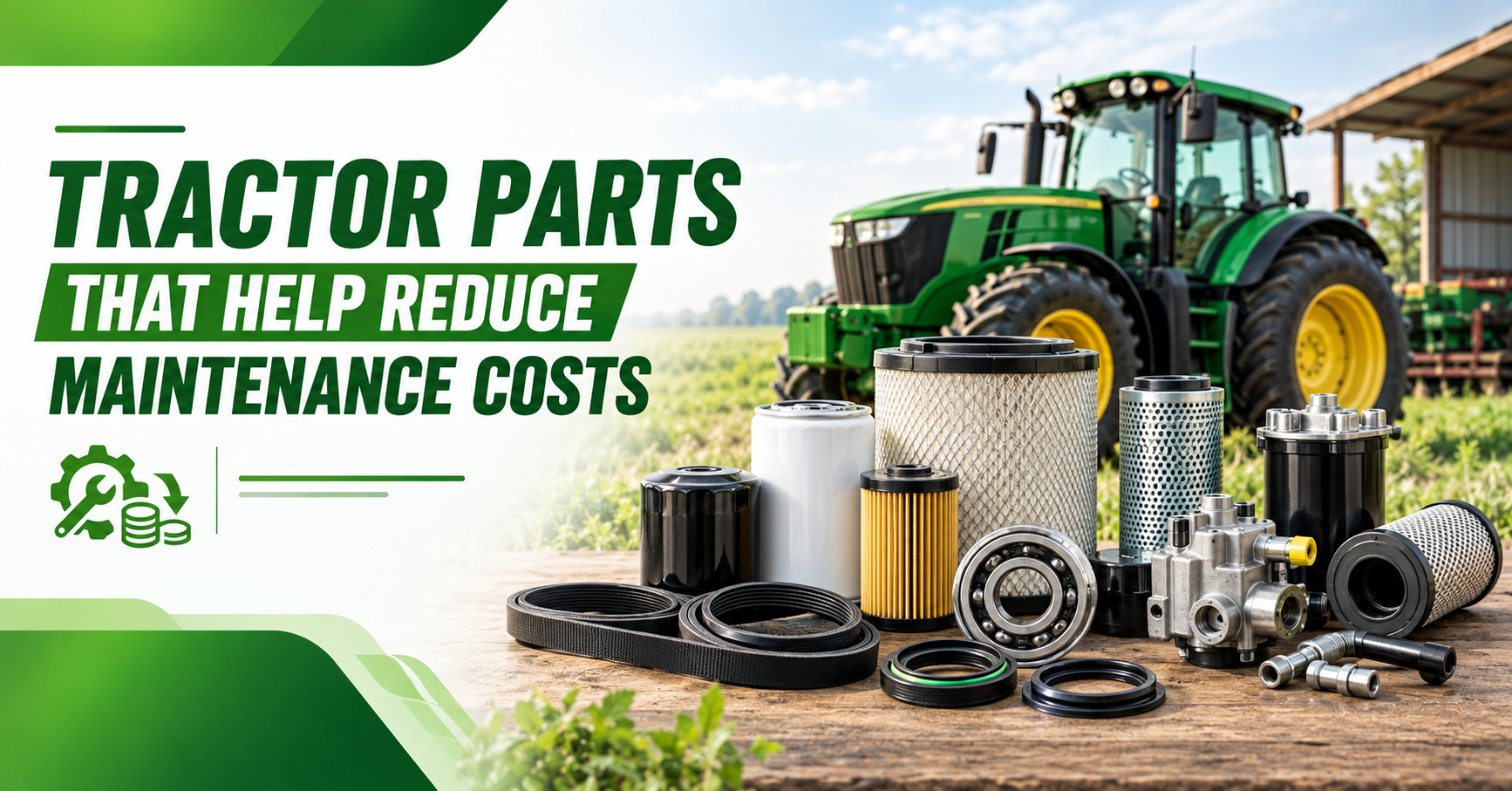
Discover how quality tractor parts like filters, bearings, belts, seals and hydraulic components can reduce maintenance costs and prevent costly repairs
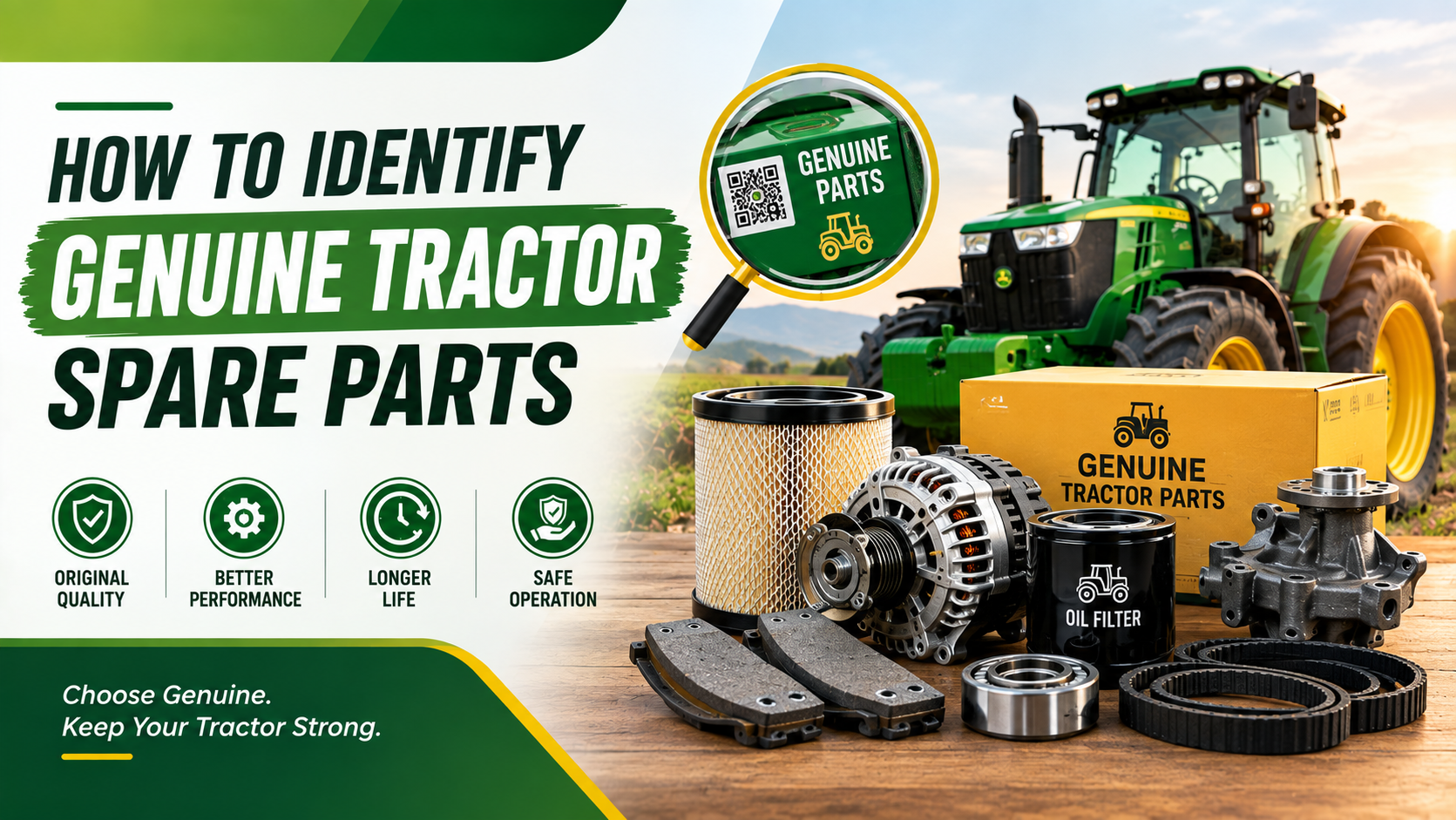
Learn how to identify genuine tractor spare parts by checking part numbers, packaging, fitment, material quality, markings, specifications and supplier reliability. Follow these practical tips to choose reliable tractor parts, avoid poor-quality components, reduce breakdowns and...
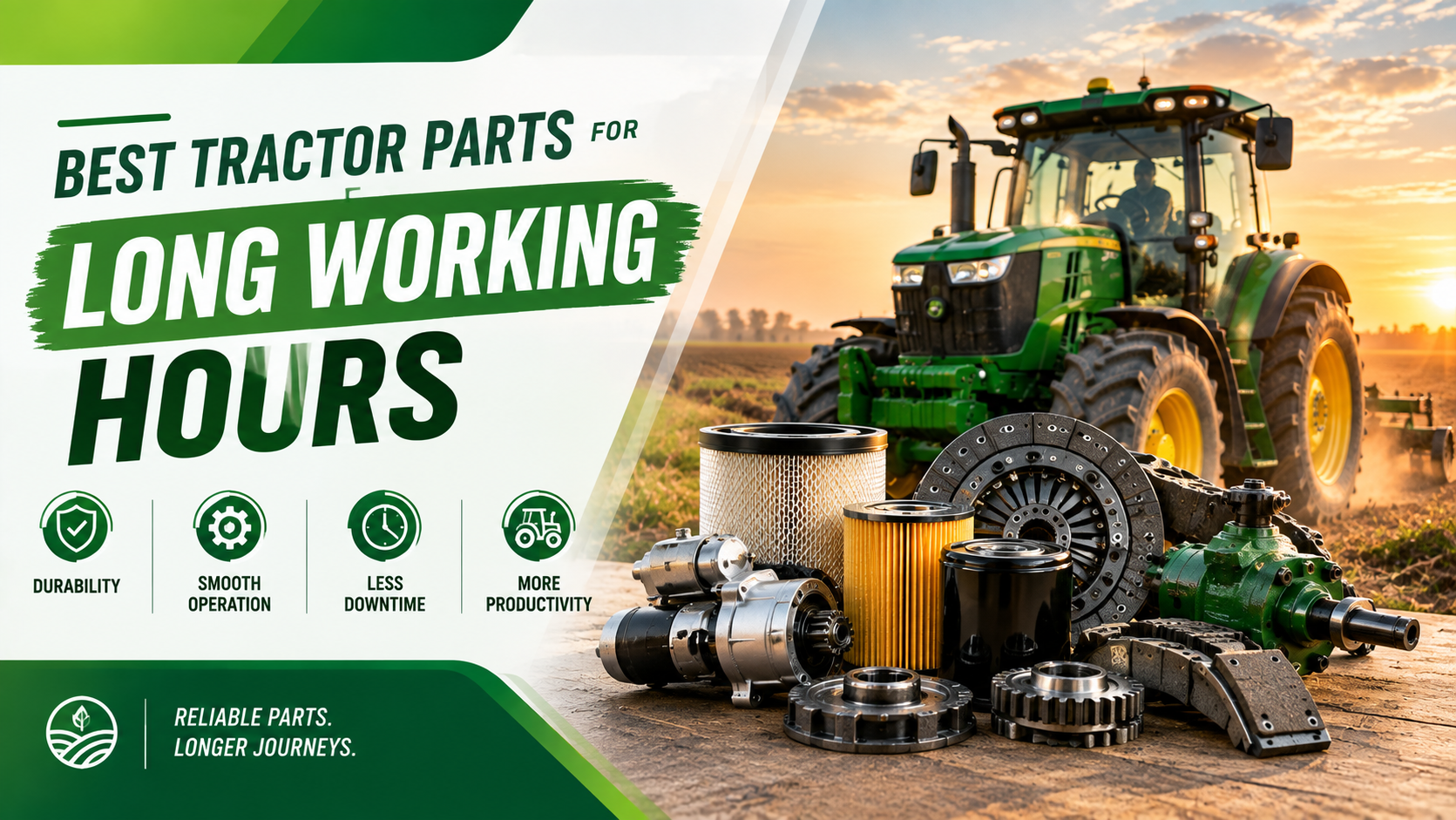
Discover the best tractor parts for long working hours, including engine filters, cooling components, belts, bearings, clutch, hydraulic, transmission parts, and tyres. Learn how quality tractor spare parts from Gropart, regular inspections, and timely replacement can help reduce...