Learn how to select the right tractor fan belt by checking belt size, type, material, tension, and compatibility to ensu...
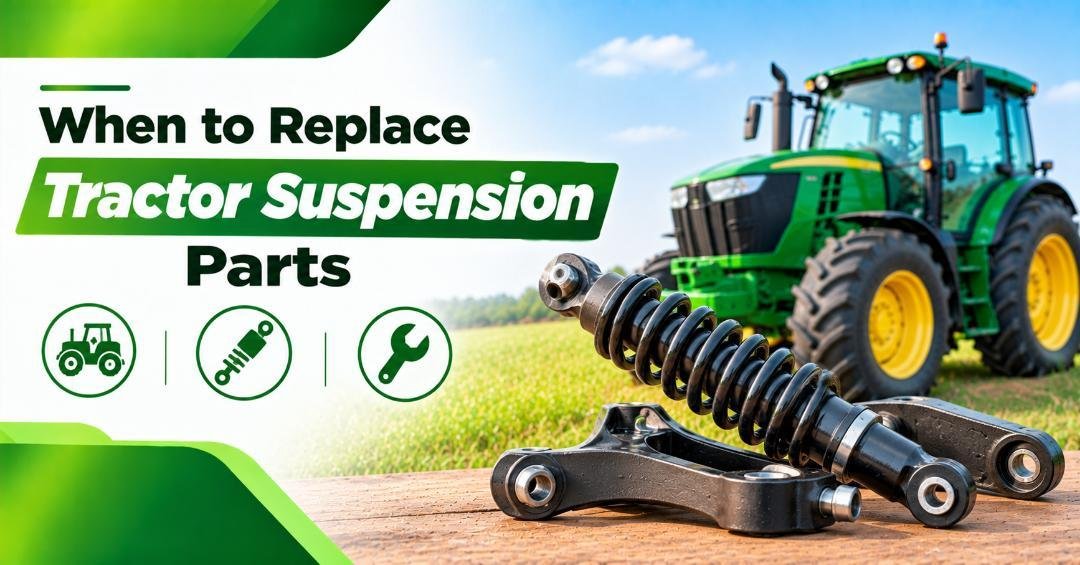
Tractors are designed to work in challenging conditions, including uneven fields, rough roads, muddy surfaces, and heavy-duty agricultural environments. During daily operations, the tractor's wheels and supporting components experience continuous movement, vibration, and pressure. Over time, this stress can cause certain parts to wear out and affect the tractor's stability, handling, and comfort.
Tractor suspension parts help absorb shocks, support stability, and reduce the impact of uneven surfaces. When these components become worn or damaged, the tractor may feel less stable, produce unusual noises, or become harder to control, depending on its design.
Knowing when to replace tractor suspension parts can help prevent further damage, reduce maintenance expenses, and support safer operation. In this blog, we will explain the common warning signs, the parts that may need replacement, and how to choose suitable replacements for your tractor.
Tractor suspension parts are components that help manage movement, vibration, and loads between the wheels, axles, and chassis. The exact arrangement depends on the tractor model.
Some tractors have front suspension systems with springs, dampers, or other shock-absorbing components. Many conventional agricultural tractors use a relatively simple front axle arrangement with pivot points and steering components rather than a full suspension system. Larger or specialised tractors may have more advanced suspension designs.
Depending on the tractor, related components may include shock absorbers, springs, bushes, pivot pins, bearings, and mounting hardware. Steering and axle components also affect stability and handling, although they are not all suspension parts.
Understanding which components your tractor actually uses is the first step towards identifying wear and choosing the correct replacement parts.
Some vibration is normal when a tractor operates on uneven ground. However, unusually strong or increasing vibration may indicate worn or damaged components.
If the tractor shakes more than usual while travelling, turning, or moving over rough surfaces, inspect the wheels, tyres, axle connections, mounting points, and suspension components where fitted.
Worn bushes, damaged bearings, loose fasteners, or a bent component may contribute to unwanted movement. Tyre damage and wheel imbalance can also cause similar symptoms.
When to replace: Replace a suspension component when inspection confirms excessive wear, damage, or movement beyond the manufacturer's limits. Do not assume that vibration always means the suspension needs replacement; identify the underlying cause first.
Clunking, knocking, squeaking, or rattling noises may indicate that a component is worn, loose, or damaged.
For example, worn bushes or pivot components may allow more movement than intended. Damaged mounting points or loose hardware can also create noise when the tractor crosses uneven surfaces.
Pay attention to when the sound occurs. Noise during turning may point towards a steering or axle issue, while knocking over bumps may indicate movement in a suspension or mounting component.
When to replace: Have the affected area inspected if the noise continues or becomes louder. Replace parts that are cracked, excessively worn, or unable to hold the components securely in their intended positions.
A tractor should remain reasonably stable when operated according to its design and within its recommended limits. If it begins bouncing excessively or feels less stable than usual, worn or damaged components may be contributing to the problem.
The cause could involve suspension parts, axle pivots, tyres, wheel bearings, steering components, or incorrect tyre pressure.
Stability is especially important when travelling on slopes, carrying loads, or using heavy implements. However, even a properly maintained tractor can become unstable if it is overloaded or operated on unsuitable terrain.
When to replace: Arrange an inspection if the tractor's handling changes noticeably. Replace damaged components as recommended and check tyre pressure, load limits, and other factors that affect stability.
Stop operating the tractor if you notice severe instability, a visibly damaged axle component, or a loose wheel.
Bushes are fitted in certain axle, suspension, and mounting arrangements to control movement and reduce metal-to-metal contact. Depending on the design, they may be made from rubber, polyurethane, or other materials.
Over time, bushes can crack, harden, deform, or wear down. This can create excess movement, vibration, and noise around the connected components.
Worn bushes may also allow nearby parts to move out of their intended alignment, potentially increasing wear elsewhere.
When to replace: Replace bushes when they show significant cracking, deformation, excessive play, or deterioration beyond the manufacturer's limits. Always choose bushes that match the original dimensions and material requirements.
Tractors fitted with shock absorbers or springs rely on these components to manage movement and improve ride control.
A worn shock absorber may allow repeated bouncing after the tractor crosses a bump. Signs of damage can include fluid leakage from the damper, damaged mounting points, or a noticeable change in ride behaviour.
Springs may show corrosion, cracks, deformation, or breakage. A damaged spring can affect ride height and load support.
Not every tractor uses these components, so check the design of your specific model before looking for replacements.
When to replace: Replace shock absorbers or springs if inspection confirms leakage, breakage, deformation, or performance outside the manufacturer's limits. Use the specified replacement parts rather than fitting components based only on their appearance.
Some tractor front axles pivot to follow uneven ground and maintain wheel contact. Pivot pins and bushes allow this movement while keeping it controlled.
As these components wear, excessive play may develop. You might notice knocking, unusual wheel movement, or changes in front axle behaviour.
If the pivot area becomes loose, the problem may affect alignment, handling, and the service life of connected components.
When to replace: Have the pivot pins, bushes, bearings, and mounting areas checked if excessive movement is noticed. Replace worn components and inspect the surrounding parts for damage.
Correct installation and lubrication, where specified, are important for maintaining the assembly.
Uneven tyre wear can sometimes indicate a problem with axle, steering, or suspension-related components. Worn joints, damaged bearings, incorrect alignment, and unsuitable tyre pressure may cause the wheels to operate outside their intended positions.
For example, excessive movement in a front axle pivot or worn steering components may affect wheel alignment and handling.
However, uneven tyre wear does not automatically mean suspension replacement is necessary. Incorrect tyre pressure, heavy loads, frequent turning on hard surfaces, and alignment issues can also contribute.
When to replace: Inspect the tyres and related components together. Replace damaged or worn parts only after identifying the cause, and correct the alignment or tyre pressure as required.
Visual inspection can reveal serious problems before a component fails completely. Look for cracks, bent metal, broken mounting points, damaged springs, deteriorated bushes, or significant corrosion around load-bearing components.
Parts exposed to moisture, mud, fertilisers, and changing weather conditions may deteriorate over time. Damage can also occur when a tractor hits a deep pothole, carries excessive loads, or works on rough terrain.
When to replace: Any crack or deformation in a structural or load-bearing component should be assessed promptly by a qualified mechanic. Do not continue using the tractor if a damaged component may affect safe operation.
Avoid attempting to straighten or weld a damaged part unless a qualified professional confirms that the repair is appropriate for that component.
Once a worn component has been identified, choosing the correct replacement is essential. The wrong part may not fit correctly or may fail to provide the required strength and movement.
Consider the following factors before purchasing:
Gropart provides spare parts for tractors, JCB machines, threshers, and other agricultural machinery applications. When sourcing tractor suspension or related axle components, review the available product information and confirm compatibility with your specific tractor model.
Regular maintenance helps identify wear before it causes larger problems. A few simple habits can help keep your tractor's supporting components in good condition.
Inspect axle pivots, bushes, mounting points, and suspension components where fitted during routine maintenance. Check for loose hardware, unusual movement, corrosion, and physical damage.
Follow the manufacturer's lubrication recommendations for pivot points and other serviceable components. Keep tyre pressure within the recommended range and avoid exceeding the tractor's load limits.
After working on particularly rough terrain, inspect the tractor for new noises, loose parts, or visible damage. Address problems early instead of waiting for a component to fail completely.
Knowing when to replace tractor suspension parts helps maintain stability, handling, and reliable operation. Excessive vibration, unusual noises, poor stability, worn bushes, damaged shock absorbers or springs, excessive axle pivot play, uneven tyre wear, and visible damage are all signs that deserve attention.
These symptoms can also result from tyre, steering, bearing, or alignment problems. A proper inspection helps identify the actual cause and prevents unnecessary replacement of parts.
When replacement is needed, choose components that match your tractor's specifications and follow the manufacturer's installation and maintenance recommendations. Regular inspections, correct lubrication, suitable tyre pressure, and careful operation can help reduce avoidable wear and keep your tractor ready for demanding agricultural work.
Share:
Learn how to select the right tractor fan belt by checking belt size, type, material, tension, and compatibility to ensu...
Learn about common tractor oil pump problems, including low oil pressure, oil leaks, clogged filters, and worn component...
Learn how to choose the right tractor fuel pump by checking compatibility, specifications, quality and installation requ...
Discover the best tractor engine cooling parts, including radiators, water pumps, thermostats, fans, hoses, and belts. E...