हमारे पास आपके लिए कुछ नीतियां हैं, कृपया ध्यान देवे!
- कृपया हमारे साथ अपना अकाउंट रजिस्टर करें और आप अपने पैकेज को ट्रैक करें
- चेकआउट के दौरान कृपया कूपन कोड लागू करें
- ग्राहक से अतिरिक्त शुल्क कंपनी या कूरियर कंपनी वसूल ना करे इसलिए
कैश ऑन डिलीवरी की सुविधा Gropart Bharat नहीं देती है
- रोमांचक ऑफ़र प्राप्त करने के लिए नीचे अपना ईमेल आईडी और मोबाइल नंबर दर्ज करें
COD उपलब्ध नहीं है। हम केवल प्रीपेड ऑर्डर में काम करते हैं और पूरे भारत में शिपिंग करते है. COD is not available. We work in prepaid orders only and shipping PAN India.
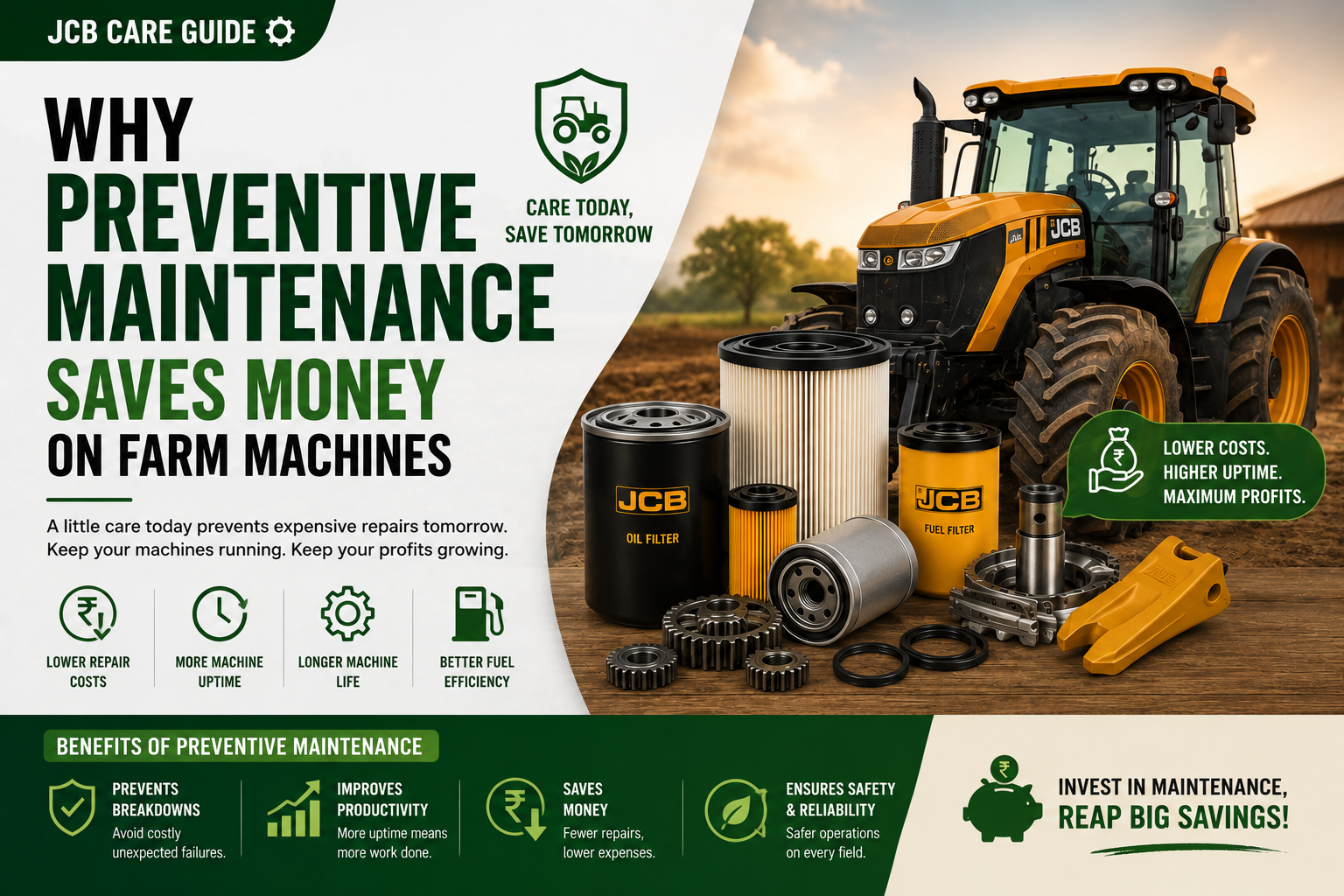
Farm machines are among the most important investments for farmers. Tractors, threshers, harvesters, rotavators, and other agricultural equipment help complete farming operations faster and more efficiently. During peak seasons, farmers depend heavily on these machines to prepare fields, sow crops, harvest produce, and transport materials. When equipment works properly, farm productivity improves. However, when a machine breaks down unexpectedly, it can lead to delays, repair expenses, and lost income.
Many farmers focus on fixing machines only after a problem appears. While this approach may seem practical in the short term, it often results in higher costs over time. A small issue that goes unnoticed can eventually become a major repair. This is why preventive maintenance is so important. Instead of waiting for a breakdown, preventive maintenance involves regularly inspecting, servicing, and replacing worn components before they fail.
Preventive maintenance not only keeps farm equipment running smoothly but also helps save a significant amount of money in the long run. It reduces repair costs, improves fuel efficiency, extends machine life, and minimizes downtime during critical farming periods.
What Is Preventive Maintenance?
Preventive maintenance is the practice of checking and maintaining equipment at regular intervals to prevent unexpected failures. It includes routine inspections, lubrication, cleaning, adjustments, and timely replacement of worn parts.
Unlike emergency repairs, preventive maintenance focuses on identifying potential problems early. The goal is to keep machines operating efficiently and avoid major breakdowns that can disrupt farming activities.
Simple maintenance tasks performed regularly can often prevent expensive repairs later.
Small Problems Become Expensive Repairs
One of the biggest reasons farmers spend more money on repairs is because minor issues are ignored.
For example, a small hydraulic oil leak may seem insignificant at first. However, if the leak continues, it can reduce hydraulic pressure, damage seals, affect pumps, and eventually lead to major hydraulic system repairs.
Similarly, a worn bearing may initially create only a slight noise. If left unattended, it can damage shafts, housings, and nearby components.
Preventive maintenance helps detect these problems early, allowing farmers to fix them before they become costly failures.
Reduced Machine Downtime
Downtime is one of the most expensive consequences of equipment breakdowns.
When a tractor or farm machine stops working during planting or harvesting season, work may come to a complete halt. Delays during these critical periods can affect productivity and crop management schedules.
Unexpected breakdowns often result in:
Lost working hours
Delayed field operations
Emergency repair expenses
Reduced productivity
Preventive maintenance significantly lowers the risk of sudden failures, helping machines remain available when they are needed most.
Better Fuel Efficiency Saves Money
Fuel costs represent a major portion of farm operating expenses. Poorly maintained machines often consume more fuel because components are forced to work harder than necessary.
Several maintenance issues can increase fuel consumption, including:
When maintenance is performed regularly, machines operate more efficiently and use fuel more effectively.
Even small improvements in fuel efficiency can generate substantial savings over an entire farming season.
Longer Equipment Life
Farm machinery is a major investment, and most farmers want to maximize its useful life.
Preventive maintenance helps protect important systems such as:
Engines
Hydraulic systems
Transmissions
Steering components
Cooling systems
Regular servicing reduces wear and keeps components operating under proper conditions.
Machines that receive consistent maintenance often remain productive for many more years than those that are neglected. Extending equipment life delays the need for expensive replacements and improves the return on investment.
Lower Emergency Repair Costs
Emergency repairs are usually more expensive than planned maintenance.
When a machine fails unexpectedly, farmers may face:
Urgent repair charges
Expedited spare part purchases
Transportation costs
Additional labor expenses
In some cases, one failed component can damage several others, increasing the total repair bill.
Preventive maintenance reduces the likelihood of emergency situations and allows repairs to be scheduled more conveniently and economically.
Improved Safety for Operators
Safety is another important benefit of preventive maintenance.
Worn brakes, damaged steering components, leaking hydraulic systems, or faulty electrical parts can create serious safety risks.
Routine inspections help identify safety concerns before they become dangerous.
Maintaining equipment properly helps ensure:
Reliable braking
Stable steering
Safe hydraulic operation
Proper lighting and visibility
Safer machines reduce the risk of accidents and help protect both operators and equipment.
Protecting Expensive Components
Many farm machine components are expensive to repair or replace.
Major systems such as engines, hydraulic pumps, gearboxes, and transmissions represent a significant portion of a machine's value.
Preventive maintenance protects these systems by ensuring they receive proper lubrication, cooling, and regular inspections.
Replacing a filter or seal at the right time is far less expensive than replacing an engine or hydraulic pump after a major failure.
Better Performance in the Field
Well-maintained machines simply perform better.
A tractor with clean filters, properly lubricated components, and a healthy hydraulic system delivers smoother operation and more reliable power.
Farmers often notice improvements such as:
Better pulling power
Faster hydraulic response
Easier starting
Improved fuel economy
Reduced vibration
Consistent performance helps increase productivity and allows field operations to be completed more efficiently.
Seasonal Maintenance Is Especially Important
Agricultural equipment often works hardest during specific seasons. Before these busy periods begin, preventive maintenance becomes even more valuable.
Pre-season inspections help identify worn parts before the machine enters heavy use.
Important areas to inspect include:
Engine oil and filters
Hydraulic oil levels
Belts and hoses
Bearings and bushes
Tyres
Battery condition
Preparing equipment in advance reduces the likelihood of breakdowns during critical farming operations.
The Importance of Regular Lubrication
Lubrication is one of the simplest and most effective maintenance practices.
Grease and lubricants help reduce friction between moving parts and prevent excessive wear.
Components that benefit from regular lubrication include:
Bearings
Pivot points
Steering joints
Linkages
PTO shafts
Proper lubrication helps extend component life and reduces the chances of expensive mechanical failures.
Keeping Maintenance Records Helps
Many farmers perform maintenance tasks but do not keep records.
A simple maintenance log can help track:
Oil changes
Filter replacements
Greasing schedules
Part replacements
Service intervals
Keeping records makes it easier to identify recurring issues and ensure maintenance tasks are completed on time.
This organized approach can help reduce long-term operating costs.
Low-quality spare parts may fail prematurely and reduce the benefits of regular maintenance.
Reliable spare parts from Gropart are designed to withstand demanding agricultural conditions and support long-term machine performance. Quality components help reduce unexpected failures, improve reliability, and lower maintenance expenses over time.
Using dependable replacement parts ensures that maintenance efforts deliver lasting results.
Building a Preventive Maintenance Routine
Creating a maintenance routine does not need to be complicated.
A basic preventive maintenance plan should include:
Daily visual inspections
Weekly lubrication checks
Monthly filter inspections
Seasonal servicing
Prompt replacement of worn components
Following a consistent schedule helps keep equipment in good condition throughout the year.
Small maintenance efforts performed regularly can prevent major repair bills later.
Conclusion
Preventive maintenance is one of the smartest ways to reduce the overall cost of owning and operating farm machinery. By identifying small problems early, farmers can avoid expensive repairs, reduce downtime, improve fuel efficiency, and extend equipment life.
Regular inspections, proper lubrication, timely filter replacement, and the use of quality spare parts all contribute to better machine performance and lower operating costs. Instead of waiting for a breakdown to occur, preventive maintenance allows farmers to stay ahead of problems and keep their equipment working reliably.
With a consistent maintenance routine and dependable spare parts from Gropart, farmers can protect their machinery investment, improve productivity, and save money over the long term. In farming, prevention is almost always more affordable than repair, making preventive maintenance an essential part of successful equipment management.
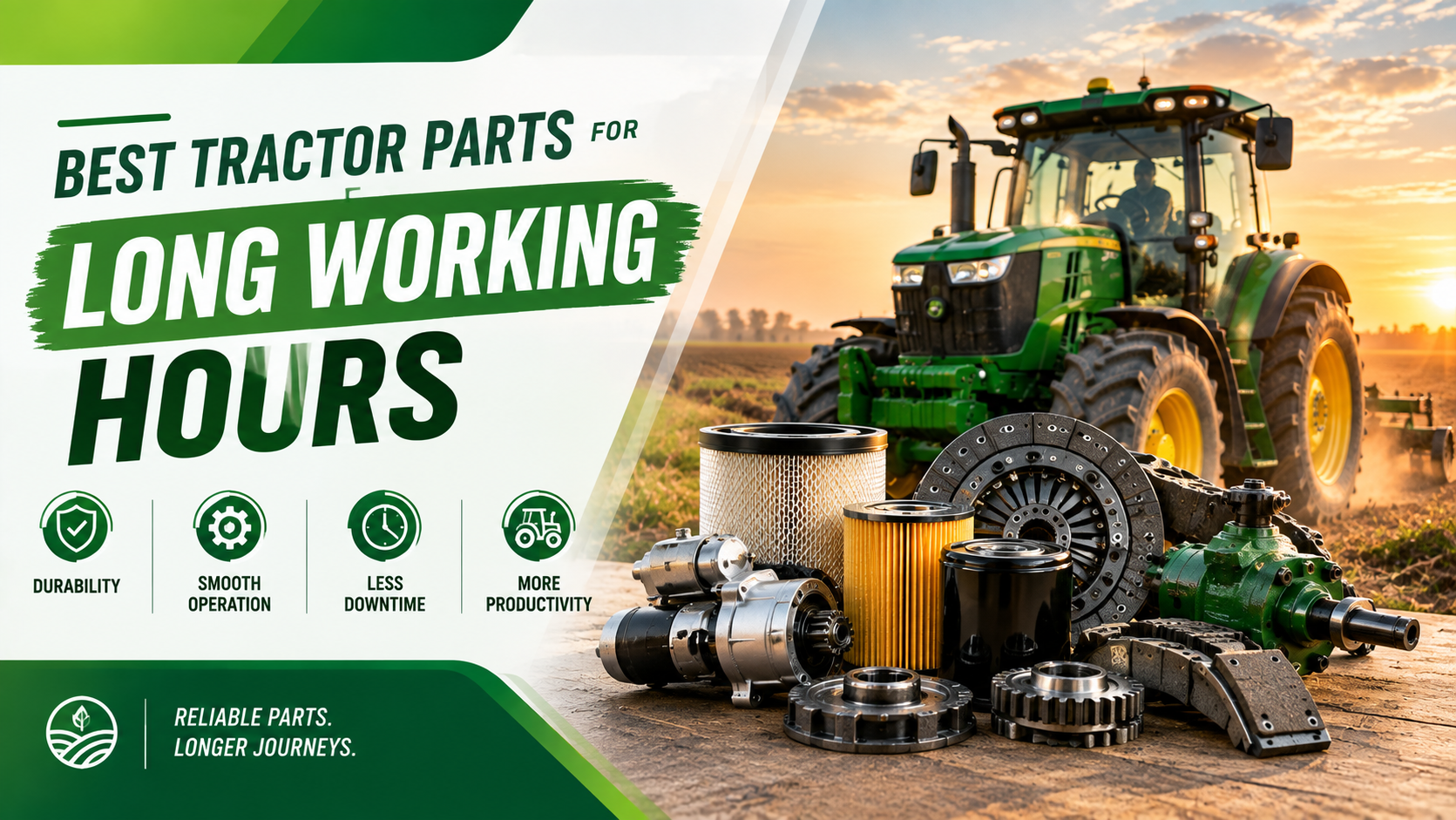
Discover the best tractor parts for long working hours, including engine filters, cooling components, belts, bearings, clutch, hydraulic, transmission parts, and tyres. Learn how quality tractor spare parts from Gropart, regular inspections, and timely replacement can help reduce...
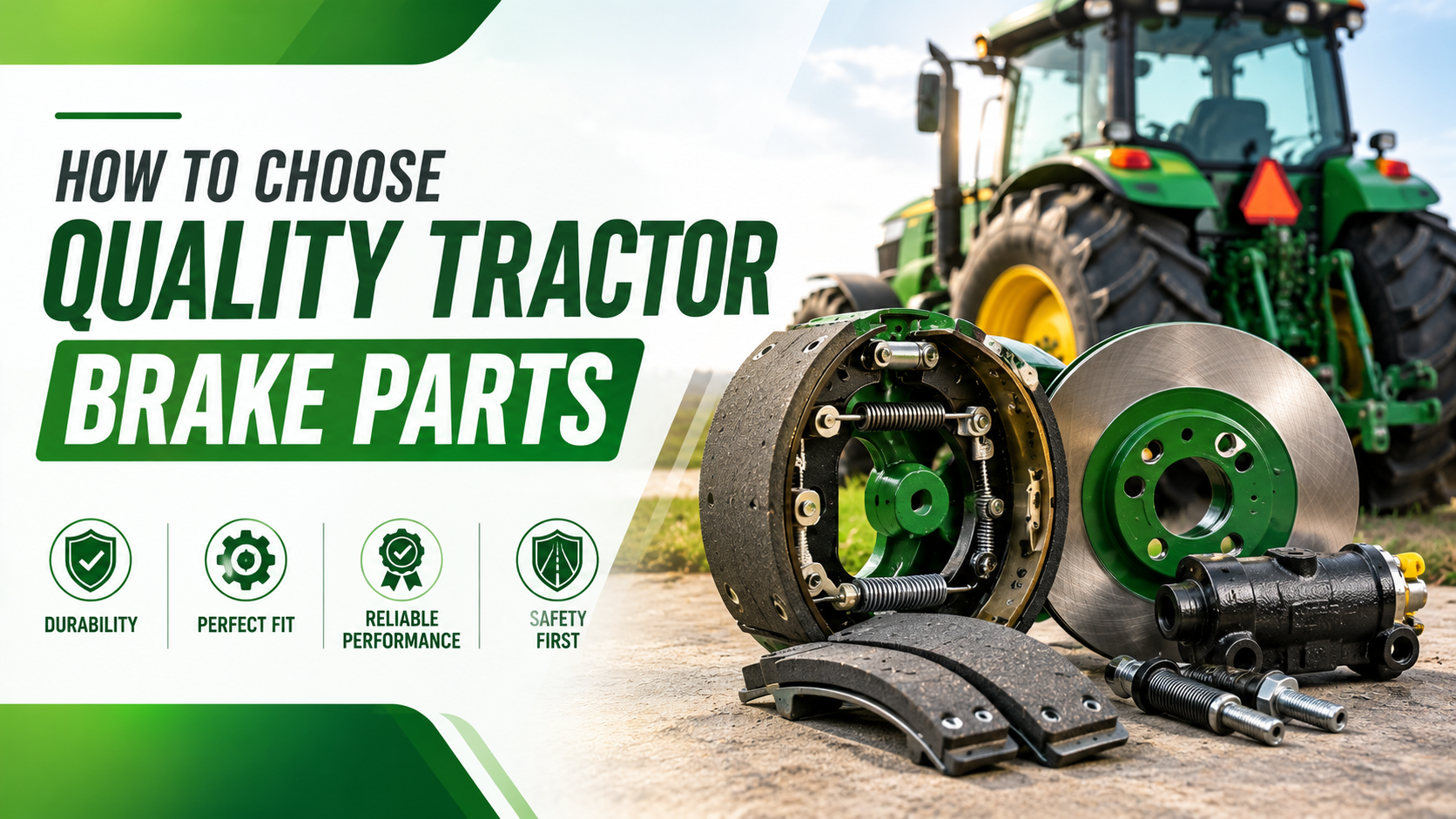
Learn how to choose quality tractor brake parts by checking fitment, brake type, material, durability, workload and supplier reliability for safer tractor performance.
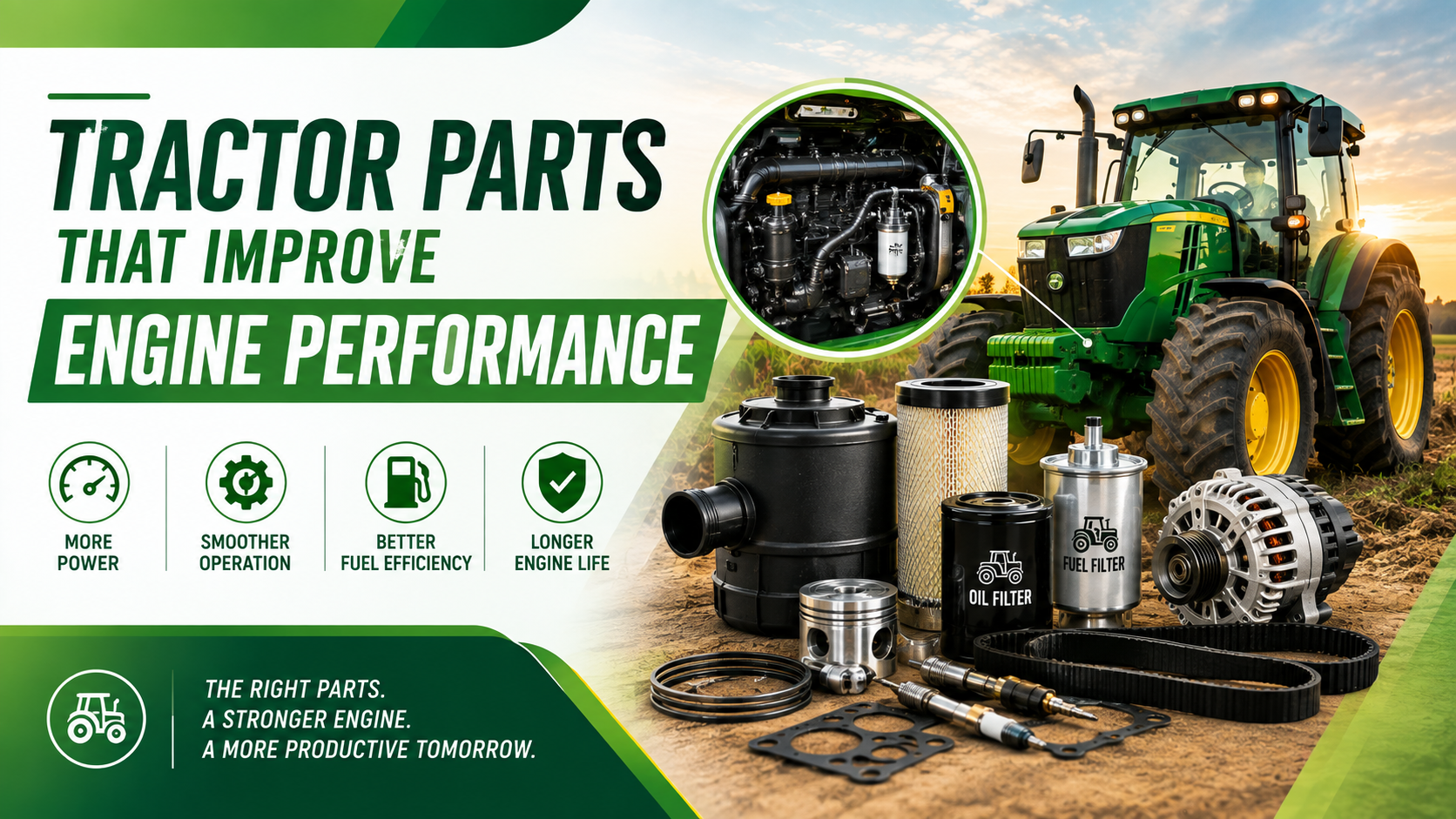
Discover tractor parts that improve engine performance, including air and fuel filters, injectors, belts, cooling components, seals, and other essential spare parts.
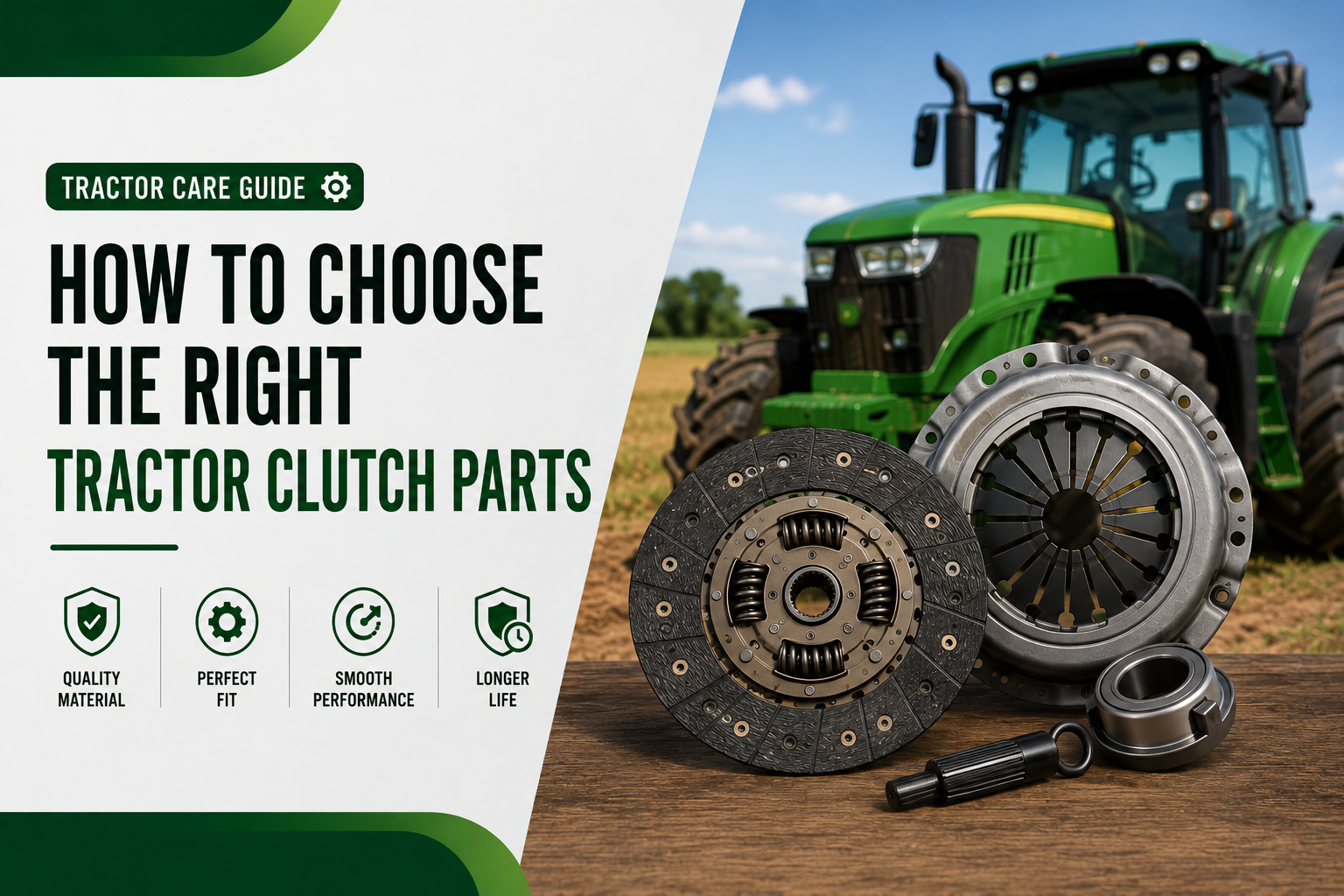
Learn how to choose the right tractor clutch parts by checking model, fitment, specifications, quality, working conditions, and compatibility for reliable performance.
 English