 English


Learn about essential thresher spare parts including drums, beaters, bearings, belts, pulleys, shafts, sieves and filters for smooth machine operation
COD उपलब्ध नहीं है। हम केवल प्रीपेड ऑर्डर में काम करते हैं और पूरे भारत में शिपिंग करते है. COD is not available. We work in prepaid orders only and shipping PAN India.
X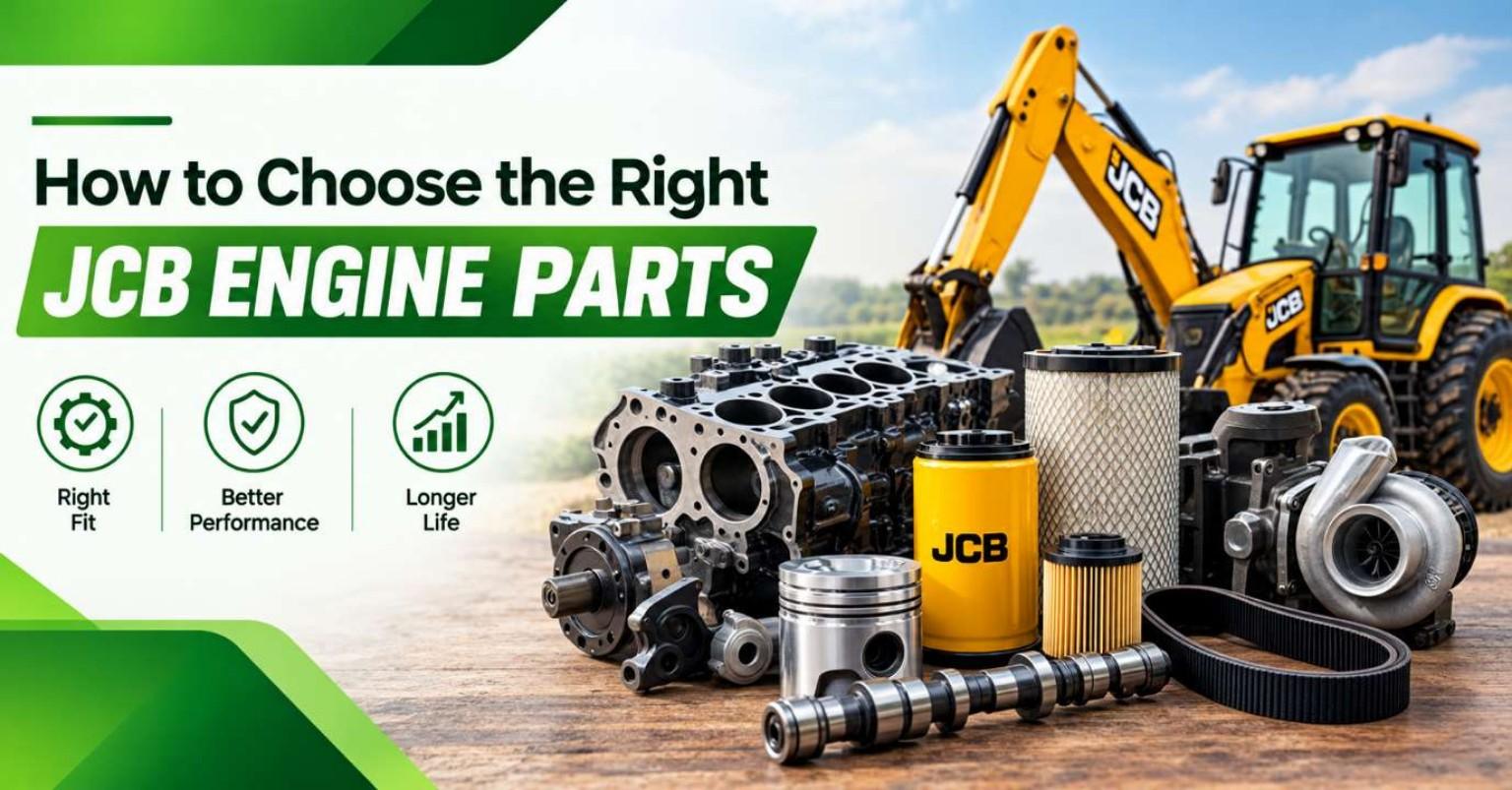
The engine is the heart of every JCB machine. Whether the machine is being used for digging, loading, excavation, construction, road work, or agricultural operations, the engine needs to deliver steady power for long working hours. When engine components become worn or damaged, the machine may lose performance, consume more fuel, produce excessive smoke, or become difficult to start.
Choosing the right JCB engine parts is therefore an important part of machine maintenance. A replacement component should not only look similar to the original part but should also match the machine's model, engine specification, dimensions, and working requirements. The right part can help restore performance and reduce the chances of repeated repairs.
For machine owners, operators, mechanics, and first-time buyers, selecting engine spare parts can sometimes feel confusing. Understanding the main factors to check before purchasing can make the process simpler and help you make a better decision.
A JCB engine contains many components that work together to produce and control power. Filters, pistons, bearings, gaskets, belts, injectors, cooling components, and other engine parts all have specific functions.
If one component is not suitable or fails prematurely, it can affect other parts of the engine.
Quality replacement parts can help support:
Choosing the correct component is therefore an important investment in the machine's overall reliability.
The first step before buying any JCB engine part is identifying the exact machine model.
Different JCB models may use different engines and component specifications. Even machines that appear similar can have differences in engine design, filter size, mounting points, or other technical details.
Before contacting a supplier, keep information such as the machine model, engine model, serial number, and manufacturing details available.
Accurate machine information helps reduce the risk of purchasing an unsuitable component.
The original part number can be extremely useful when searching for a replacement.
Many engine components have identification numbers or markings. If the number is visible, record it before removing or discarding the old component.
Compare the original number with the replacement part information. If there is a different number, confirm whether it is an updated or compatible replacement.
For older JCB machines, getting confirmation from an experienced spare parts supplier can be particularly useful.
A replacement engine component must have the correct dimensions and technical specifications.
This can be important for parts such as filters, belts, bearings, gaskets, pistons, and other components.
A small difference in size can affect installation or performance.
Before buying, check details such as length, diameter, thickness, mounting arrangement, thread size, and other specifications where applicable.
Filters are among the most frequently replaced JCB engine parts.
The air filter protects the engine from dust and dirt, while the fuel filter helps keep contaminants away from the fuel system. The oil filter removes particles from engine oil.
JCB machines often work in dusty environments, so filter maintenance is especially important.
A suitable, quality filter can help maintain proper airflow, clean fuel delivery, and effective oil filtration.
Fuel injectors play an important role in diesel engine performance. They deliver fuel into the combustion chamber in a controlled manner.
Worn or damaged injectors can affect fuel delivery and combustion.
Possible signs include poor starting, rough engine operation, excessive smoke, reduced power, and increased fuel consumption.
If an injector needs replacement, choose one that matches the engine's exact specifications rather than selecting a component based only on appearance.
Pistons operate inside the engine cylinders and experience high temperatures, pressure, and continuous movement.
When pistons or related components become worn, engine performance can decline.
During major engine repairs, mechanics should inspect pistons, piston rings, cylinder surfaces, connecting components, and other related parts.
Replacing only one component without checking the surrounding system may not solve the underlying problem.
Engine bearings support moving components and help reduce friction.
Worn bearings can produce unusual engine noise and may contribute to excessive movement or damage.
When replacing bearings, correct dimensions and specifications are essential.
The condition of related shafts and surfaces should also be checked before installation.
Gaskets and seals help prevent oil, coolant, fuel, and combustion gases from escaping from areas where engine components meet.
A poor-quality or incorrectly sized gasket can result in leakage and may affect engine operation.
When selecting a replacement gasket, make sure it matches the engine and application.
Seals should also be checked during engine repairs and replaced when worn or damaged.
Engine temperature needs to remain within a suitable range during operation.
The cooling system includes components such as radiators, thermostats, hoses, water pumps, and related seals.
A faulty cooling component can contribute to overheating.
When selecting replacement cooling parts, verify compatibility with the JCB engine and consider the machine's working conditions.
A quality cooling component can help maintain reliable engine temperature control.
Belts support the operation of various engine-related systems.
During long working hours, they are exposed to continuous movement, heat, and tension.
Inspect belts for cracks, fraying, glazing, looseness, or other visible damage.
When replacing a belt, check its length, width, profile, and application to ensure proper fitment.
A correctly fitted belt can help prevent unnecessary slipping and premature failure.
The same JCB machine may experience different levels of wear depending on how it is used.
A machine working continuously in excavation or heavy loading may experience more stress than one used occasionally.
Dust, high temperatures, heavy loads, long working hours, and rough terrain can affect engine component life.
When buying JCB engine parts, consider these conditions rather than selecting a part only on the basis of price.
A low price may seem attractive, but it does not always represent better value.
A poor-quality engine component may wear quickly and require another replacement. It may also affect other parts and increase repair costs.
Instead, compare the product's quality, specifications, compatibility, supplier reliability, and expected service life.
The goal should be to choose a component that provides dependable performance at a reasonable overall cost.
A trustworthy supplier can make it easier to identify suitable JCB engine parts.
Before purchasing, ask for product specifications, part numbers, compatibility information, and other relevant details.
Avoid buying a component when the supplier cannot clearly explain what machine or engine it is designed for.
Gropart provides spare parts for JCB machines, tractors, threshers, and other agricultural and machinery applications. Choosing suitable components from a reliable source can help machine owners and mechanics make more confident purchasing decisions.
Before installing a replacement engine component, compare it with the old part.
Check mounting points, dimensions, connections, and identification markings.
If the replacement does not match the required specifications, do not force it into position.
Incorrect fitment can lead to leakage, vibration, premature wear, or poor engine performance.
Even a quality JCB engine part can fail early if it is installed incorrectly.
Engine components often require accurate fitting, correct tightening, proper alignment, and suitable tools.
For major engine repairs, professional installation is recommended.
After installation, the machine should be checked carefully for leaks, unusual sounds, overheating, or other changes in performance.
Choosing quality engine parts is only one part of maintaining a JCB machine.
Regular servicing is equally important. Operators should monitor engine oil levels, inspect filters, check belts and hoses, and pay attention to changes in engine sound or performance.
Replacing filters and other service components according to the recommended schedule can help protect more expensive engine parts.
Choosing the right JCB engine parts requires careful attention to the machine model, engine specifications, part number, dimensions, quality, and working conditions. Filters, injectors, pistons, bearings, gaskets, seals, cooling components, and belts all contribute to reliable engine performance.
Before buying, always confirm that the replacement component is suitable for the exact JCB machine and engine. Avoid choosing parts based only on appearance or low price, as an unsuitable component can lead to repeated repairs and unnecessary downtime.
By selecting properly fitted and quality JCB spare parts from Gropart and following a regular maintenance routine, machine owners and mechanics can support better engine performance, reduce unexpected failures, and extend the useful life of their equipment. The right replacement part is not simply a purchase—it is an important step toward keeping a JCB machine productive and dependable.
Learn about essential thresher spare parts including drums, beaters, bearings, belts, pulleys, shafts, sieves and filters for smooth machine operation
Learn which JCB parts need regular inspection, including hydraulic hoses, cylinders, filters, pumps, engine parts, tyres, undercarriage components and more.
Learn how to select durable JCB hydraulic parts by checking model compatibility, part numbers, pumps, hoses, seals, filters, cylinders, fitment, and working conditions
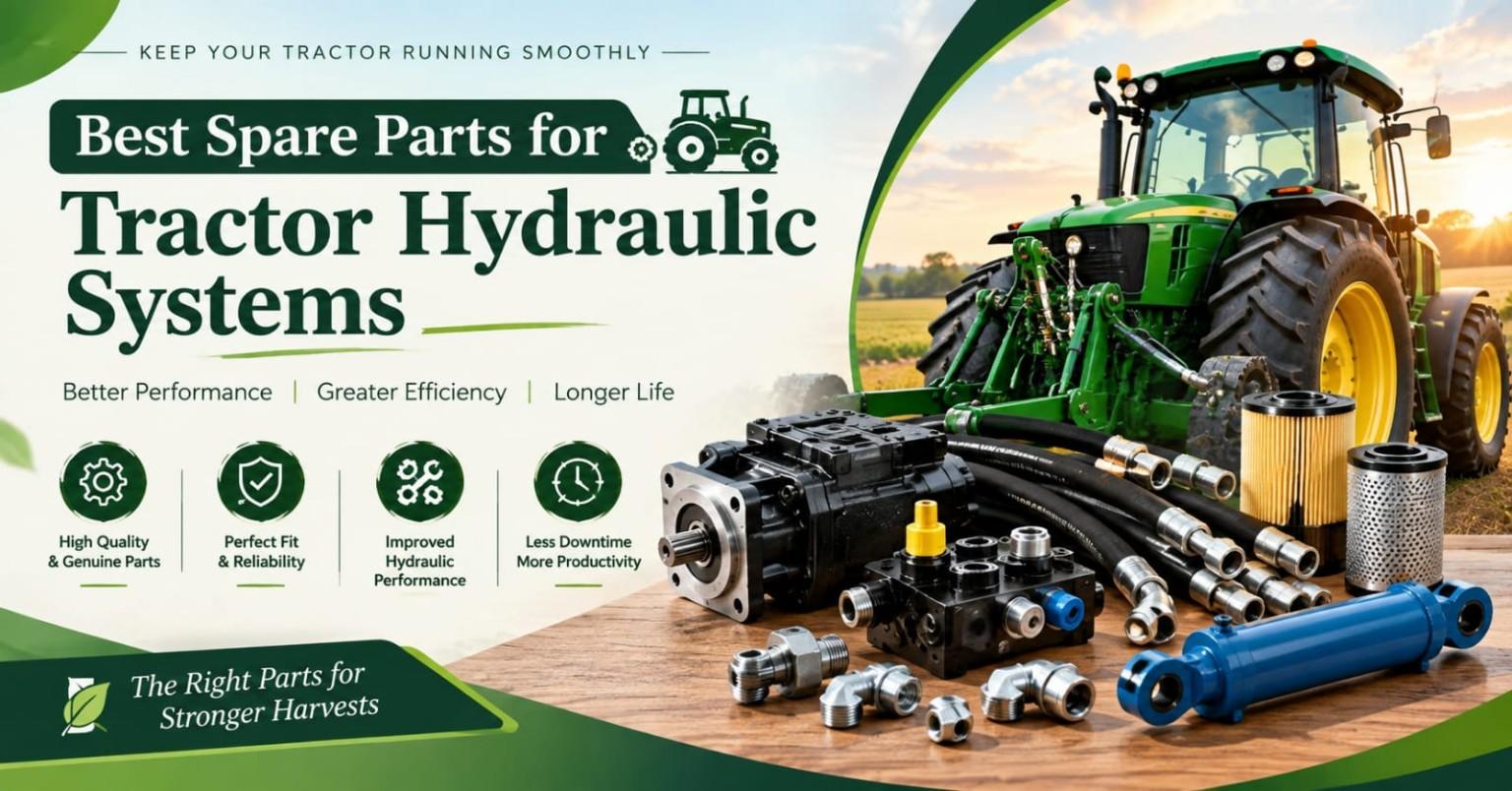
Explore essential tractor hydraulic parts including pumps, filters, hoses, seals, cylinders, valves, fittings, and tips for choosing the right replacements