 English

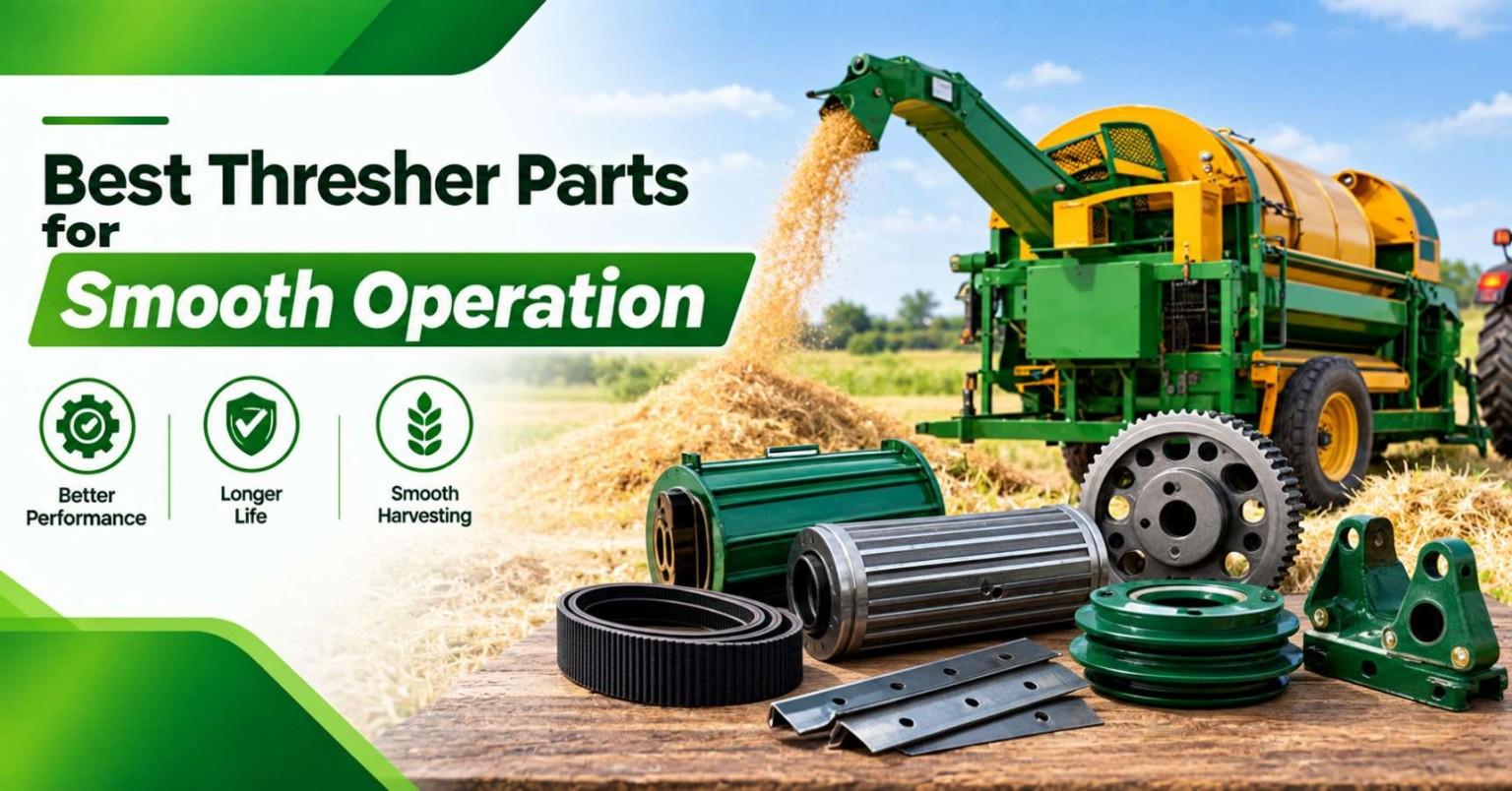
Learn about essential thresher spare parts including drums, beaters, bearings, belts, pulleys, shafts, sieves and filters for smooth machine operation
COD उपलब्ध नहीं है। हम केवल प्रीपेड ऑर्डर में काम करते हैं और पूरे भारत में शिपिंग करते है. COD is not available. We work in prepaid orders only and shipping PAN India.
X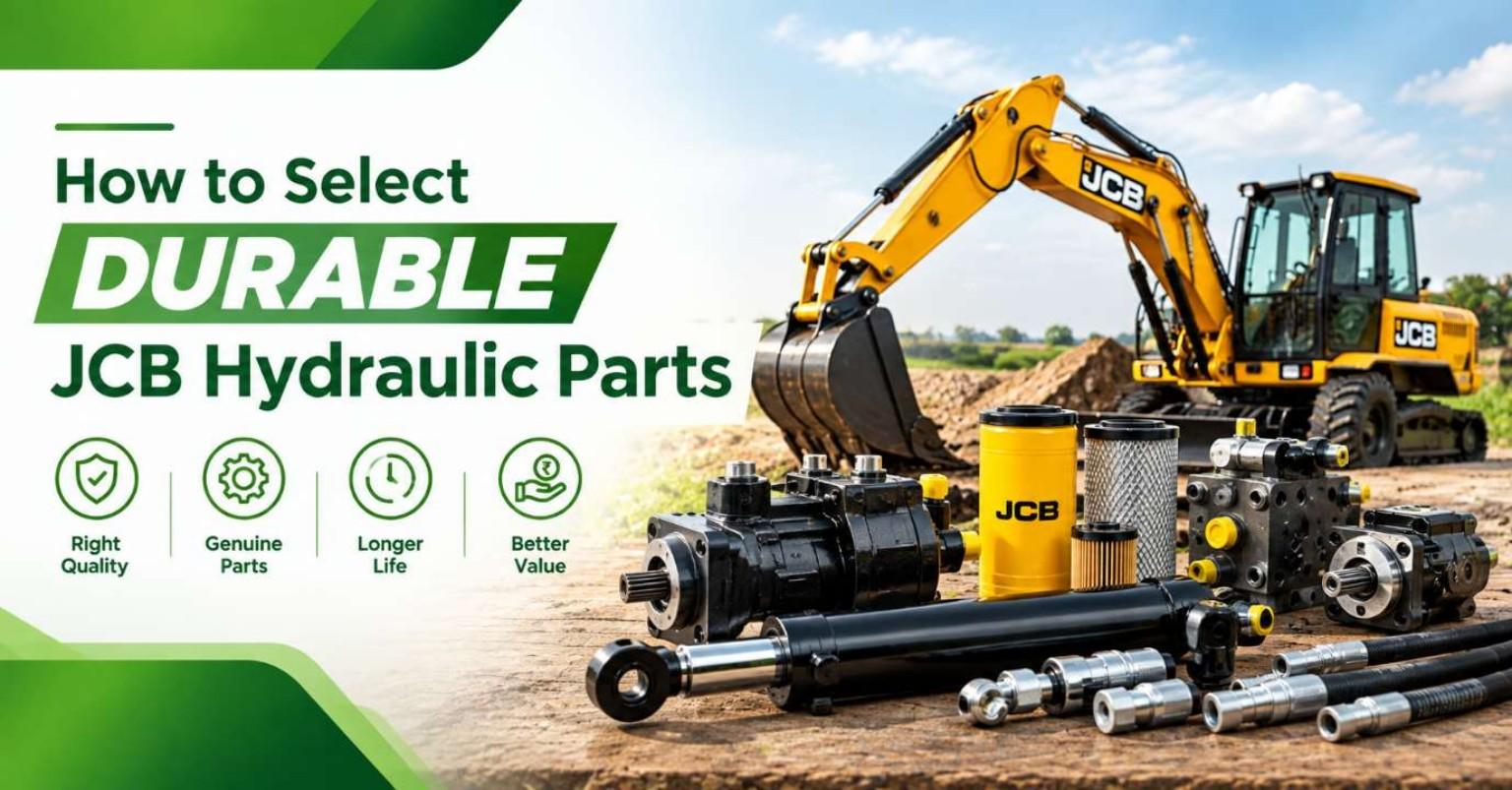
JCB machines are built to handle demanding construction, excavation, loading, and material-handling work. Their hydraulic system plays a major role in this performance. From lifting heavy materials to operating the boom, bucket, arm, and other attachments, hydraulic power allows a JCB machine to complete difficult jobs with better control and efficiency.
Because hydraulic components work under pressure and continuous movement, they can experience wear over time. A damaged hose, weak hydraulic pump, worn seal, or blocked filter can affect machine performance and may eventually lead to costly downtime. This is why selecting durable JCB hydraulic parts is an important part of machine maintenance.
For farmers, contractors, mechanics, and first-time spare parts buyers, choosing the right component can sometimes be confusing. Different JCB models may use different hydraulic parts, and components that look similar may have different specifications. Understanding what to check before buying can help you choose parts that provide reliable performance and longer service life.
The hydraulic system is responsible for transferring power through hydraulic fluid. It allows different machine movements to happen smoothly and with controlled force.
Important hydraulic components include the hydraulic pump, hoses, cylinders, valves, filters, seals, pipes, and fittings. Each part has a specific role, and a problem with one component can affect the performance of the entire system.
A healthy hydraulic system can provide smooth attachment movement, reliable lifting power, better machine response, and efficient operation. When hydraulic components become worn, operators may notice slow movements, oil leakage, unusual noises, or reduced digging and loading performance.
Before buying any JCB hydraulic spare part, start by identifying the exact machine model. This is one of the most important steps because hydraulic components can differ between models and machine versions.
Keep details such as the JCB model number, serial number, production information, and existing part number available when contacting a supplier. Providing accurate machine information makes it easier to find a suitable replacement.
Never assume that a hydraulic component will fit simply because it looks similar to the part already installed. Correct identification can prevent installation problems and unnecessary expenses.
The original part number can make hydraulic part selection much easier. Many components have identification numbers or markings that can be used to find the correct replacement.
Compare the number on the existing component with the replacement part information. If the original number is difficult to read or the part has already been removed, a mechanic or experienced spare parts supplier can help identify it using the machine model and specifications.
Part numbers may sometimes be updated, so it is useful to confirm compatibility rather than relying on an old number alone.
The hydraulic pump is one of the most important components in a JCB hydraulic system. It creates the flow required to operate hydraulic functions.
A worn or damaged pump can cause slow movement, weak hydraulic performance, unusual noise, or difficulty operating attachments.
When selecting a replacement pump, check important details such as compatibility, flow requirements, pressure specifications, mounting arrangement, and connection type. A pump that is not suitable for the machine can cause poor performance or place additional stress on the hydraulic system.
Choosing a properly specified pump is therefore more important than simply choosing the lowest-priced option.
Hydraulic hoses carry pressurised fluid between different parts of the system. They experience pressure, heat, vibration, bending, and movement during normal machine operation.
Over time, hoses can develop cracks, abrasion marks, swelling, or leakage. A damaged hose should be replaced rather than repaired temporarily if its condition affects safe operation.
When selecting a replacement hose, check its length, internal diameter, connection type, pressure rating, and suitability for the operating environment. A correctly selected hose can provide dependable fluid transfer and reduce the chances of repeated leakage.
Hydraulic seals help prevent fluid from escaping around moving and connected components. They are used in areas such as hydraulic cylinders and other hydraulic assemblies.
A worn seal can result in oil leakage and reduced hydraulic performance. If the wrong size or material is used, the replacement seal may wear quickly.
When buying hydraulic seals, check the correct dimensions and application. The material should also be suitable for the hydraulic fluid, temperature, pressure, and operating conditions of the machine.
Hydraulic fluid needs to remain clean because dirt and small particles can damage sensitive components. Hydraulic filters help remove contaminants before they circulate through the system.
A blocked filter can restrict fluid flow and may affect hydraulic performance. Contaminated fluid can also increase wear on pumps, valves, and cylinders.
Replacing filters according to the recommended maintenance schedule is a simple way to protect the hydraulic system. For machines working in dusty environments, regular filter inspection becomes even more important.
Hydraulic cylinders convert hydraulic pressure into mechanical movement. They are essential for operating components such as the boom, arm, and bucket.
A cylinder may develop problems because of worn seals, damaged rods, contamination, or internal wear. Oil around the cylinder rod or reduced movement can indicate that inspection is needed.
Before replacing a cylinder or its internal components, identify the actual cause of the problem. In some cases, replacing a seal kit may be enough, while severe damage may require a larger repair.
Hydraulic valves control the direction and flow of hydraulic fluid. Fittings and connections help keep different components securely connected.
A damaged valve can cause irregular movement or poor hydraulic response. Loose or incorrect fittings may result in fluid leakage.
When replacing these components, check their size, connection type, pressure requirements, and compatibility with the JCB hydraulic system.
Correctly matched fittings are especially important because even a small mismatch can cause leakage and reduce system efficiency.
The best hydraulic part for a machine depends partly on how and where it is used.
A JCB working continuously on a construction site may experience different conditions from a machine used for occasional agricultural work. Heavy loads, long operating hours, high temperatures, dust, mud, and rough terrain can all place additional stress on hydraulic components.
Before buying a replacement, consider the machine's workload and operating environment. Durable components should be selected according to the actual demands placed on the machine.
Price is an important factor when purchasing spare parts, but it should not be the only consideration.
A very cheap hydraulic component may not provide the required durability or performance. If it fails early, the cost can include another replacement, mechanic charges, lost working hours, and possible damage to connected components.
Instead, compare quality, specifications, fitment, material, supplier reliability, and expected service life. A properly selected part can provide better value over time.
A reliable supplier can make the buying process easier, especially for first-time buyers.
Before purchasing, ask for clear information about the part number, machine compatibility, dimensions, and technical specifications. Avoid buying components when important product information is unavailable.
Gropart provides spare parts for tractors, JCB machines, threshers, and other agricultural and machinery applications. Choosing suitable JCB spare parts from a dependable source can help mechanics and machine owners maintain their equipment with greater confidence.
Correct fitment is essential for hydraulic components. A part that does not match the original specifications can create leakage, poor performance, or premature wear.
Before installation, compare the replacement with the old component. Check mounting points, dimensions, connections, and other important details.
If something does not match, do not force the component into place. Confirm the correct part before continuing with the repair.
The life of a hydraulic component depends not only on its quality but also on how it is installed.
Incorrect fitting, poor alignment, contaminated connections, or improper handling can reduce component life.
Hydraulic systems should be kept clean during repairs because dirt entering an open connection can circulate through the system. For complex hydraulic repairs, professional installation is recommended.
Even durable hydraulic parts need proper maintenance.
Operators should regularly check hydraulic oil levels, inspect hoses for damage, look for leakage, monitor machine movement, and replace filters when required.
Unusual noises, slow attachment movement, weak lifting, or excessive hydraulic temperature should not be ignored. Early inspection can help identify problems before they lead to major repairs.
Selecting durable JCB hydraulic parts requires careful attention to compatibility, quality, specifications, and working conditions. Hydraulic pumps, hoses, seals, filters, cylinders, valves, and fittings all contribute to the overall performance of the machine, so replacing the correct component is essential.
Before buying, identify the exact JCB model, check the original part number, confirm dimensions and specifications, and consider how heavily the machine is used. Avoid choosing hydraulic parts based only on low price, as an unsuitable component can result in repeated repairs and costly downtime.
Regular maintenance and correct installation are equally important for getting longer service from hydraulic components. By choosing properly fitted and quality JCB spare parts from Gropart, machine owners and mechanics can support smoother hydraulic performance, reduce unexpected breakdowns, and keep their equipment ready for demanding work.
Learn about essential thresher spare parts including drums, beaters, bearings, belts, pulleys, shafts, sieves and filters for smooth machine operation
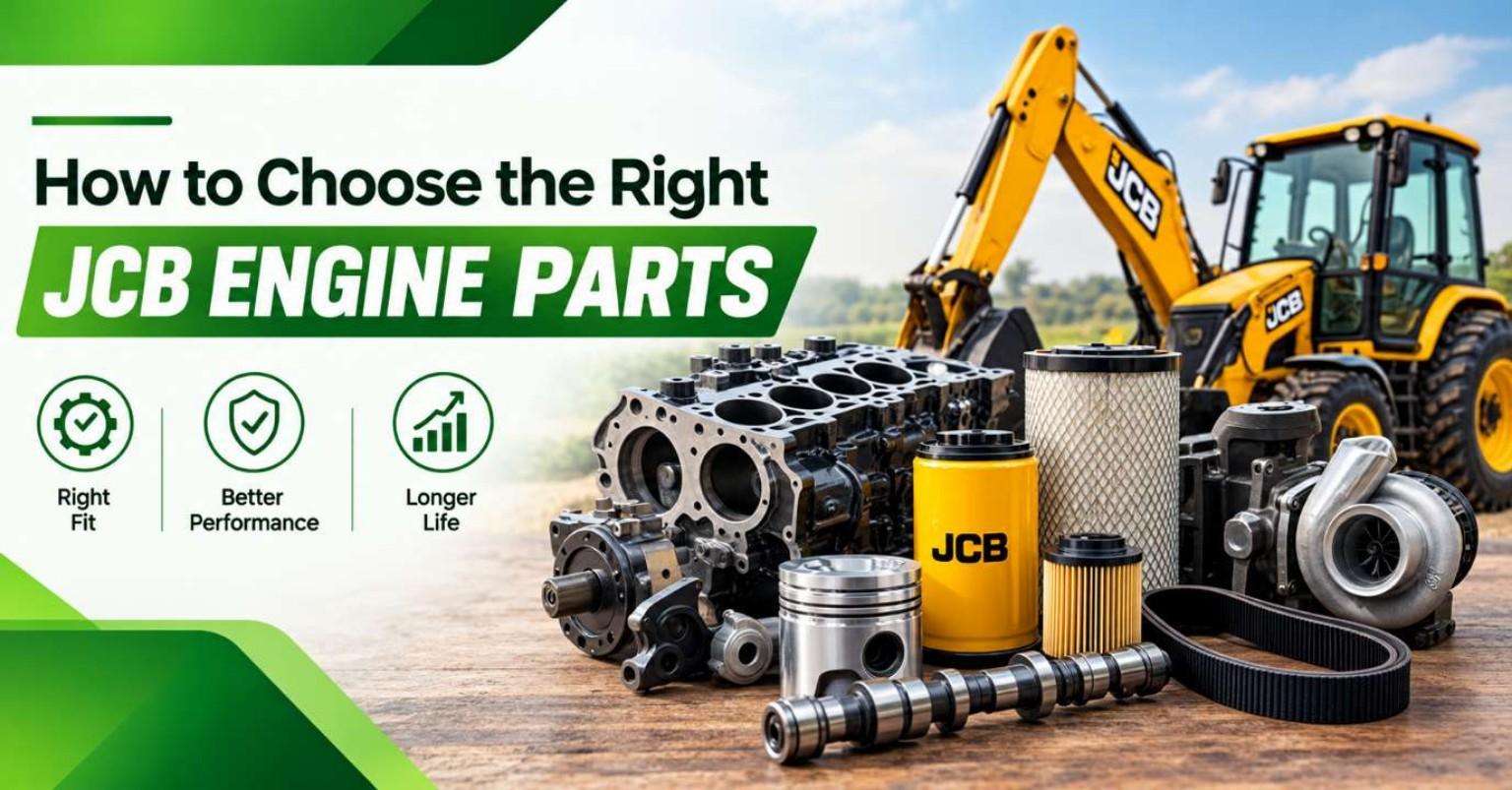
Learn how to choose the right JCB engine parts by checking model, part number, specifications, fitment, quality, working conditions and supplier reliability
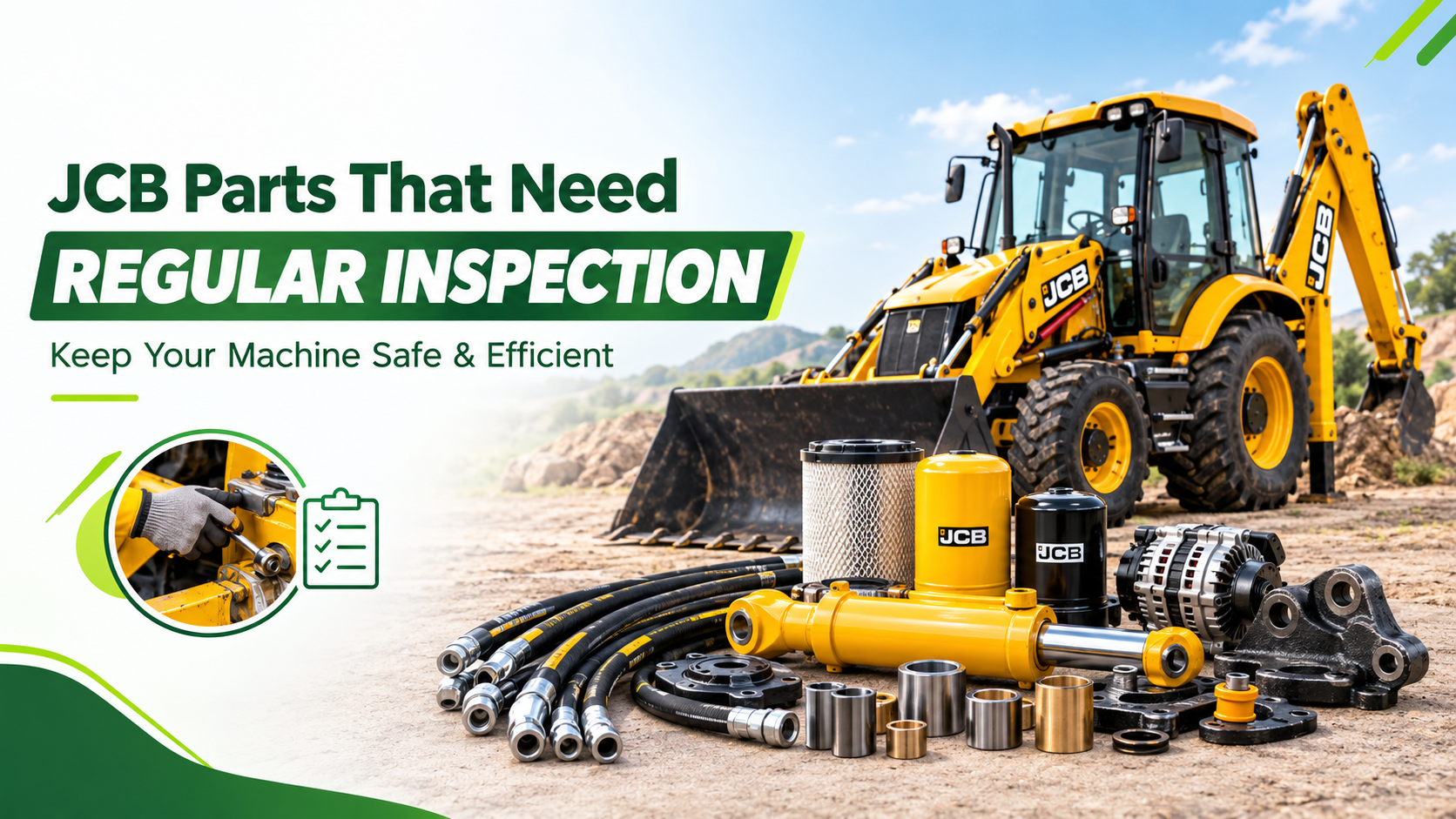
Learn which JCB parts need regular inspection, including hydraulic hoses, cylinders, filters, pumps, engine parts, tyres, undercarriage components and more.
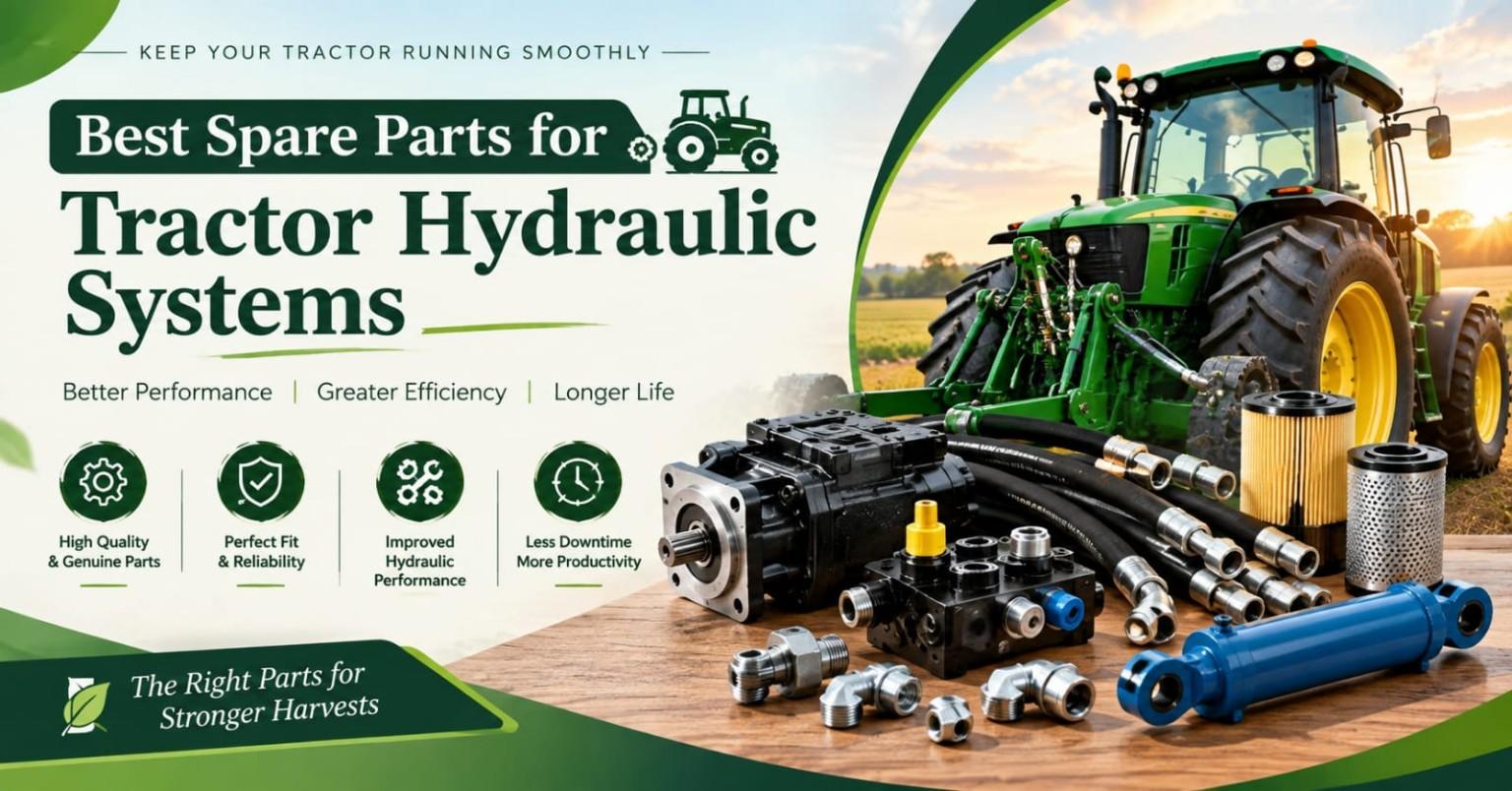
Explore essential tractor hydraulic parts including pumps, filters, hoses, seals, cylinders, valves, fittings, and tips for choosing the right replacements