 English


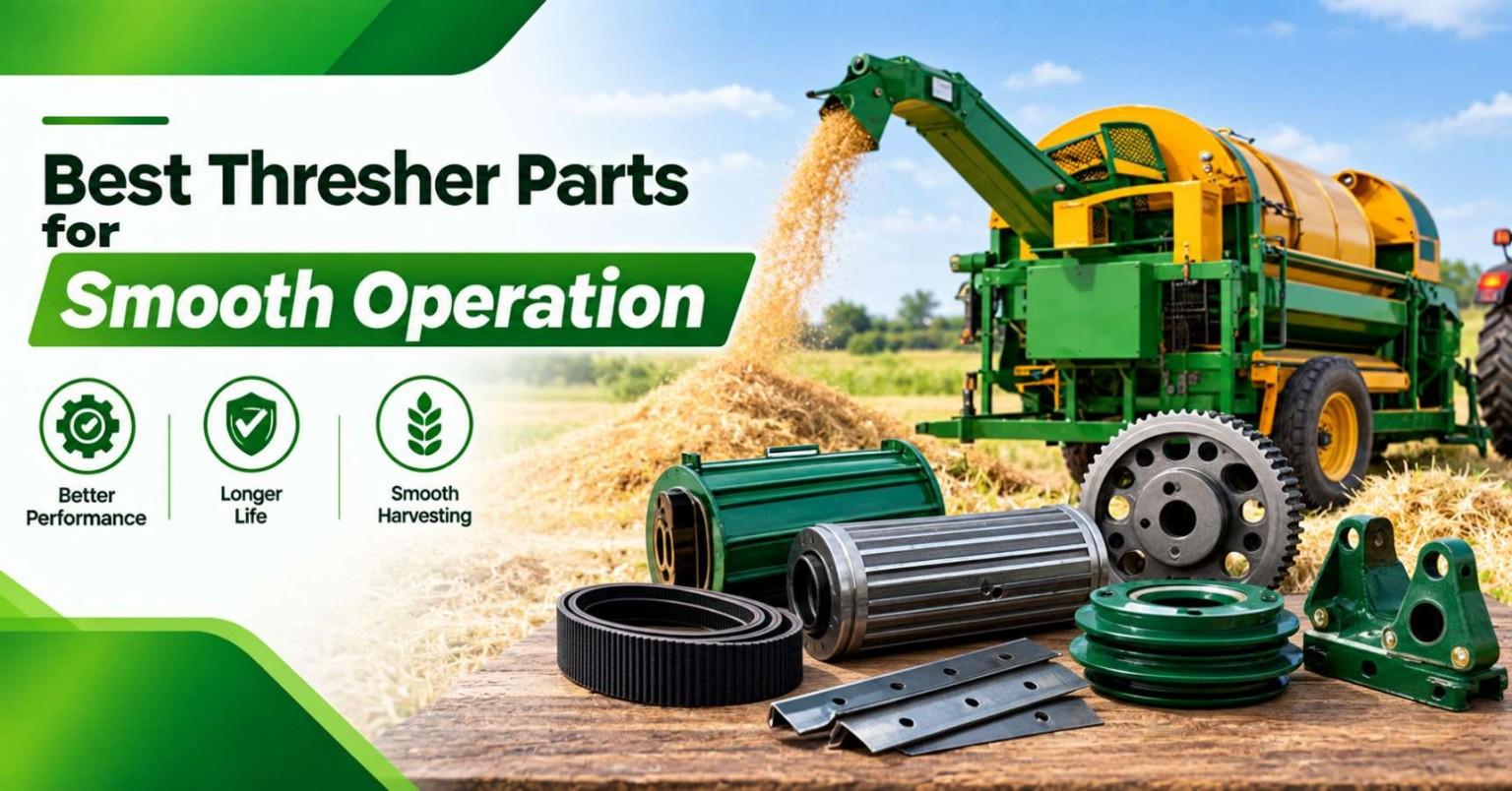
Learn about essential thresher spare parts including drums, beaters, bearings, belts, pulleys, shafts, sieves and filters for smooth machine operation
COD उपलब्ध नहीं है। हम केवल प्रीपेड ऑर्डर में काम करते हैं और पूरे भारत में शिपिंग करते है. COD is not available. We work in prepaid orders only and shipping PAN India.
X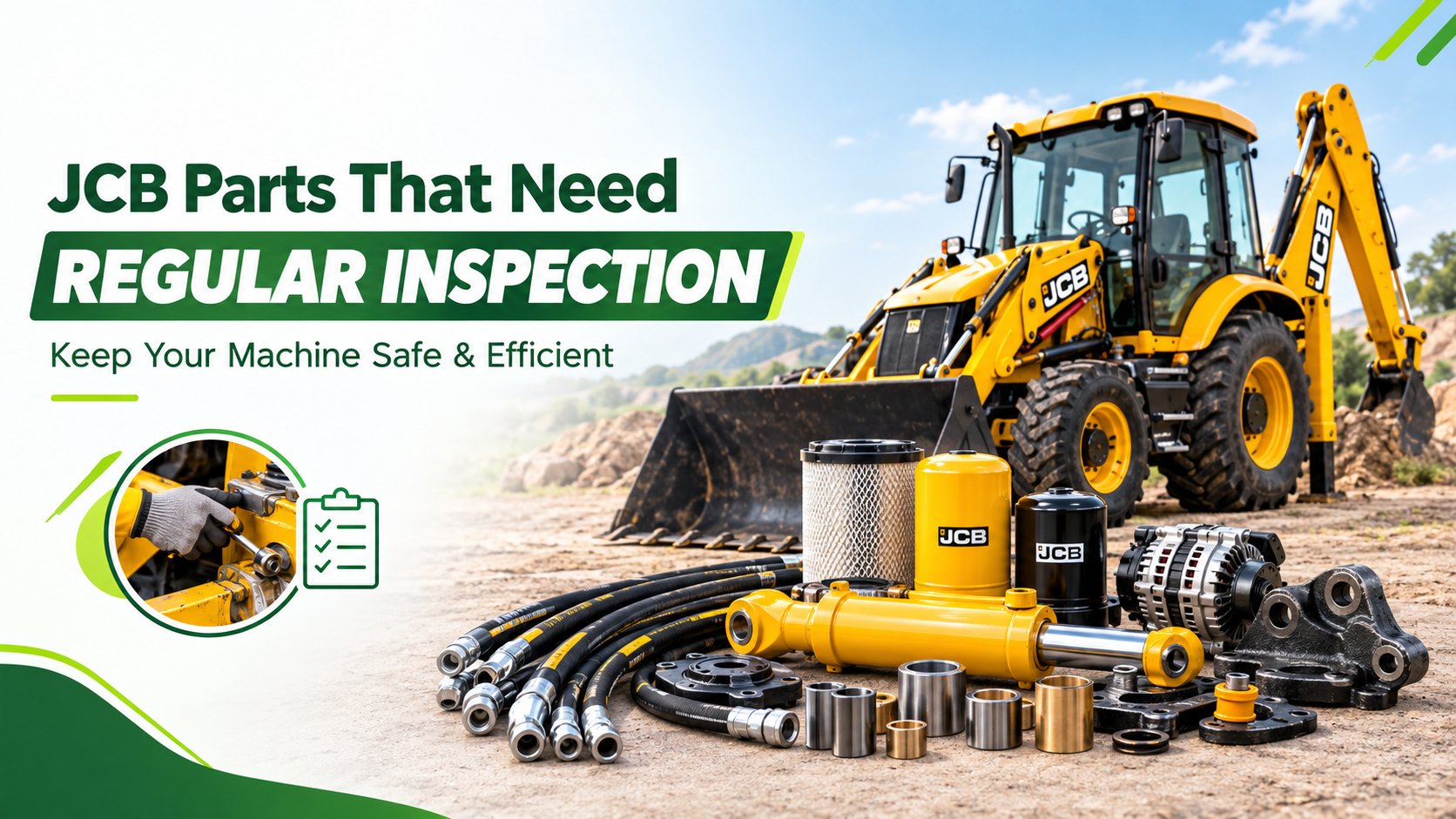
JCB machines are used for demanding jobs such as excavation, digging, loading, lifting, construction, road work, and agricultural operations. They often work for long hours in dusty and rough environments, which can put considerable stress on their components. Regular inspection is therefore important to keep a JCB machine productive and reduce the chances of unexpected breakdowns.
A machine does not always fail without warning. Small signs such as unusual noise, fluid leakage, slow movement, excessive vibration, or reduced digging power can indicate that a component needs attention. Finding these problems early can help prevent expensive repairs and unnecessary downtime.
For machine owners, operators, and mechanics, knowing which JCB parts need regular inspection makes preventive maintenance easier. From hydraulic components to engine parts and undercarriage components, each system deserves attention according to the machine's working conditions.
JCB machines contain many moving and high-load components. Continuous operation creates friction, heat, pressure, and vibration. Dust and dirt can also enter different systems if components are not properly protected.
Regular inspections can help identify worn or damaged parts before they cause larger problems.
A proper inspection routine can help:
The goal is not to replace every part unnecessarily but to identify components that are showing genuine signs of wear.
Hydraulic hoses are among the most important JCB parts to inspect. They carry pressurised hydraulic fluid to cylinders, valves, and other components that control machine movement.
Over time, hoses may develop cracks, cuts, swelling, abrasion, or leaks. Continuous exposure to heat, pressure, vibration, and movement can accelerate this wear.
During inspection, look for visible damage and signs of hydraulic oil around connections. A seriously damaged hose should be replaced with a suitable replacement rather than being ignored until it fails.
Hydraulic cylinders provide the movement required for the boom, arm, bucket, and other attachments.
Inspect the cylinder rods for scratches, corrosion, bending, or other visible damage. Also check around seals for signs of oil leakage.
A leaking or damaged cylinder can reduce lifting and digging performance. Early inspection can help determine whether the problem requires a seal replacement, repair, or a complete component replacement.
Hydraulic filters help remove dirt and other contaminants from hydraulic oil. Clean hydraulic fluid is essential for protecting pumps, valves, and cylinders.
A blocked filter may restrict oil flow and affect hydraulic response.
Following the recommended filter replacement schedule is important, especially when the JCB works in dusty environments. Operators should also pay attention to changes in hydraulic performance that could indicate a filtration problem.
The hydraulic pump creates the flow required to operate the machine's hydraulic functions.
A pump that is becoming worn may produce unusual noise, reduced pressure, slow attachment movement, or weak hydraulic performance.
Pump problems should be diagnosed carefully because similar symptoms can sometimes be caused by low oil levels, blocked filters, damaged hoses, or other hydraulic issues.
Regular inspection helps identify changes in performance before the pump suffers major damage.
JCB machines often operate in environments where dust and debris are common. The engine air filter prevents these particles from entering the engine.
As the filter becomes dirty, airflow can become restricted.
A blocked air filter may contribute to reduced engine performance, higher fuel consumption, and poor response under load.
Inspect the filter according to the machine's maintenance requirements and replace it when necessary.
The fuel filter protects the engine's fuel system by removing contaminants from diesel.
Dirty fuel or a blocked filter can affect fuel flow and may cause difficult starting, reduced power, or uneven engine operation.
Regular replacement helps maintain clean fuel delivery and protects sensitive fuel system components.
The engine oil filter removes contaminants from engine oil and helps protect internal moving parts.
During regular maintenance, the filter should be replaced according to the recommended service interval.
A quality oil filter combined with suitable engine oil can help reduce contamination and support proper lubrication.
Ignoring oil filter maintenance can contribute to unnecessary engine wear over time.
Belts drive or support several engine-related systems.
A damaged or loose belt can slip, make noise, or eventually break. Depending on its application, belt failure can affect cooling or electrical charging systems.
Inspect belts for cracks, fraying, glazing, or excessive looseness.
Replacing a worn belt before complete failure can prevent unexpected machine downtime.
JCB engines generate significant heat during operation. The cooling system is responsible for keeping engine temperature under control.
Dust and debris can collect around the radiator and restrict airflow. Damaged hoses, leaks, or cooling components can also contribute to overheating.
Regularly inspect the radiator area, coolant level, hoses, and related components. Keeping the cooling system clean can help maintain efficient heat transfer.
Electrical components are essential for starting the machine and operating various systems.
Inspect the battery terminals and cables for corrosion, looseness, or visible damage.
A weak battery or poor electrical connection can cause starting problems.
Regular checks are particularly useful when the machine has been used for long periods or stored for an extended time.
Depending on the JCB machine and application, braking components may include different parts that require periodic inspection.
Operators should pay attention to changes in braking response, unusual sounds, or other signs of abnormal operation.
Because braking performance is important for safe machine control, suspected brake problems should be inspected promptly by a qualified mechanic.
Tyres are exposed to heavy loads, rough surfaces, sharp objects, and continuous movement.
Inspect tyres for cuts, cracks, uneven wear, and damage. Also check tyre pressure according to the machine's requirements.
Proper tyre condition supports stability, traction, and efficient movement.
Ignoring damaged tyres can affect both machine performance and operator safety.
The bucket and attachment system experiences significant mechanical stress during digging and loading.
Pins and bushes allow movement between connected components. With continuous use, they can develop wear and excessive movement.
Loose or worn pins and bushes can affect attachment control and may increase stress on other parts.
Regular inspection helps identify excessive play before it becomes a larger repair issue.
For JCB machines equipped with tracks, undercarriage components require regular attention.
Track-related components experience continuous contact with the ground and can wear faster when the machine operates on rough or abrasive surfaces.
Inspect tracks, rollers, sprockets, and related components for excessive wear or damage.
Keeping the undercarriage in suitable condition helps support smooth movement and reduce unnecessary repair expenses.
Seals and gaskets help prevent fluids from escaping from different machine systems.
A small leak may appear insignificant, but continuous fluid loss can affect machine performance.
Inspect areas around hydraulic connections, engine components, and other fluid-carrying systems for signs of leakage.
Replacing worn seals and gaskets early can help prevent contamination and larger fluid-related problems.
Not every JCB machine experiences the same level of wear.
A machine used for heavy excavation may experience greater stress than one used for occasional light work. Dust, mud, heat, long working hours, and heavy loads can all influence component life.
Inspection frequency should therefore reflect the machine's workload and operating environment.
When an inspection identifies a worn component, selecting the correct replacement is just as important as finding the problem.
Check the JCB model, original part number, dimensions, specifications, and application before purchasing.
Low-quality or incorrectly fitted components may wear quickly and can affect connected systems.
Gropart provides spare parts for JCB machines, tractors, threshers, and other agricultural and machinery applications. Choosing suitable replacement parts from a reliable supplier can help machine owners and mechanics maintain their equipment more effectively.
A simple maintenance record can make regular inspections easier.
Record important details such as the date of inspection, parts replaced, filter changes, repairs, and unusual observations.
This helps operators understand how quickly particular components wear and plan future maintenance.
A planned approach is usually easier to manage than waiting for an unexpected failure.
Regular inspection is one of the simplest ways to keep a JCB machine reliable and productive. Hydraulic hoses, cylinders, pumps, filters, engine components, belts, cooling parts, electrical connections, tyres, attachment components, and undercarriage parts all deserve attention.
The right inspection routine depends on the machine model, workload, operating environment, and manufacturer's maintenance recommendations. Early detection of wear can help reduce downtime, control repair costs, and prevent minor problems from developing into major failures.
When replacement is required, always choose parts that match the machine's exact specifications and fitment requirements. By combining regular inspections with quality JCB spare parts from Gropart, machine owners and mechanics can support better performance, longer component life, and more dependable operation during demanding work.
Learn about essential thresher spare parts including drums, beaters, bearings, belts, pulleys, shafts, sieves and filters for smooth machine operation
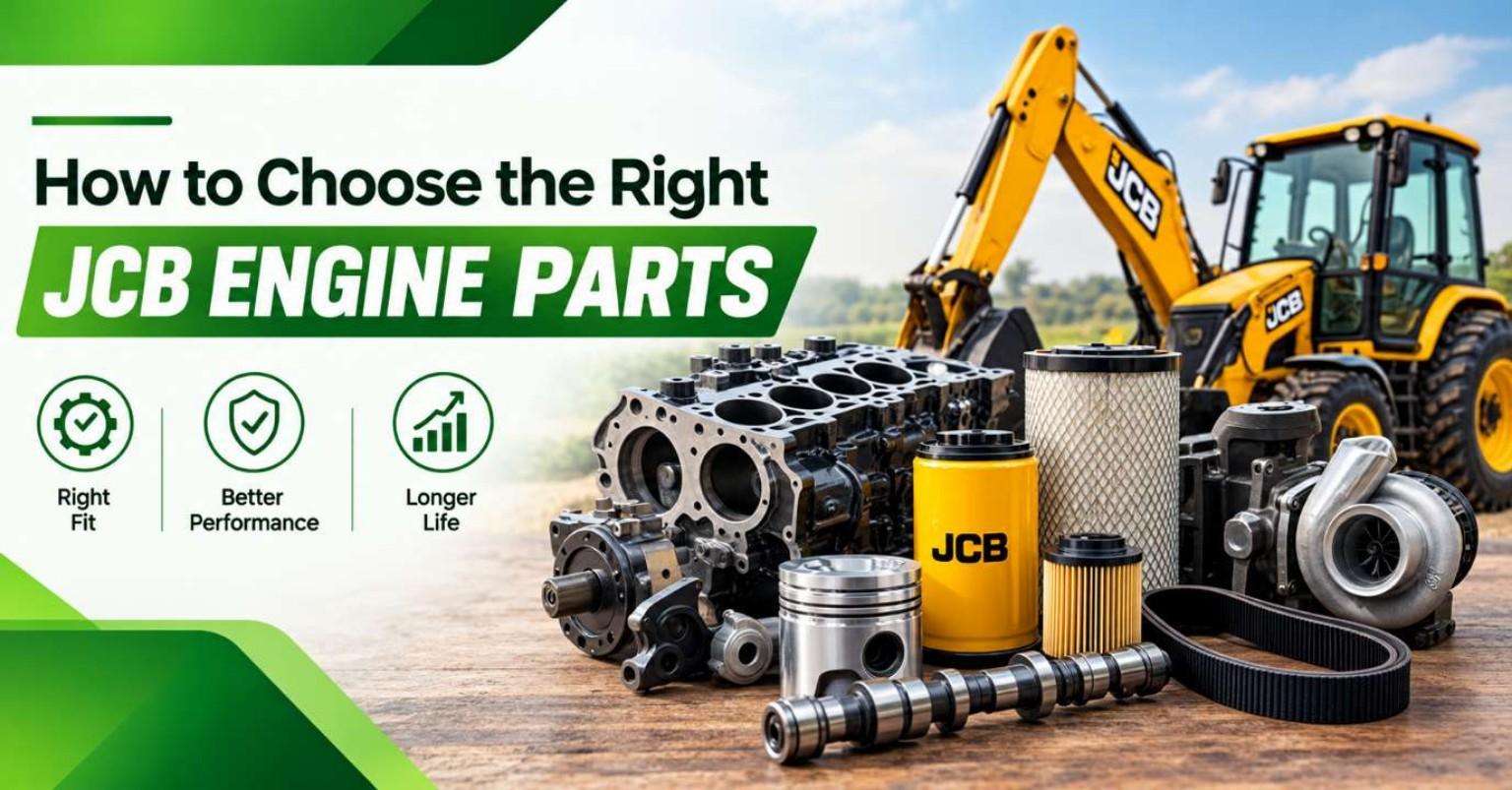
Learn how to choose the right JCB engine parts by checking model, part number, specifications, fitment, quality, working conditions and supplier reliability
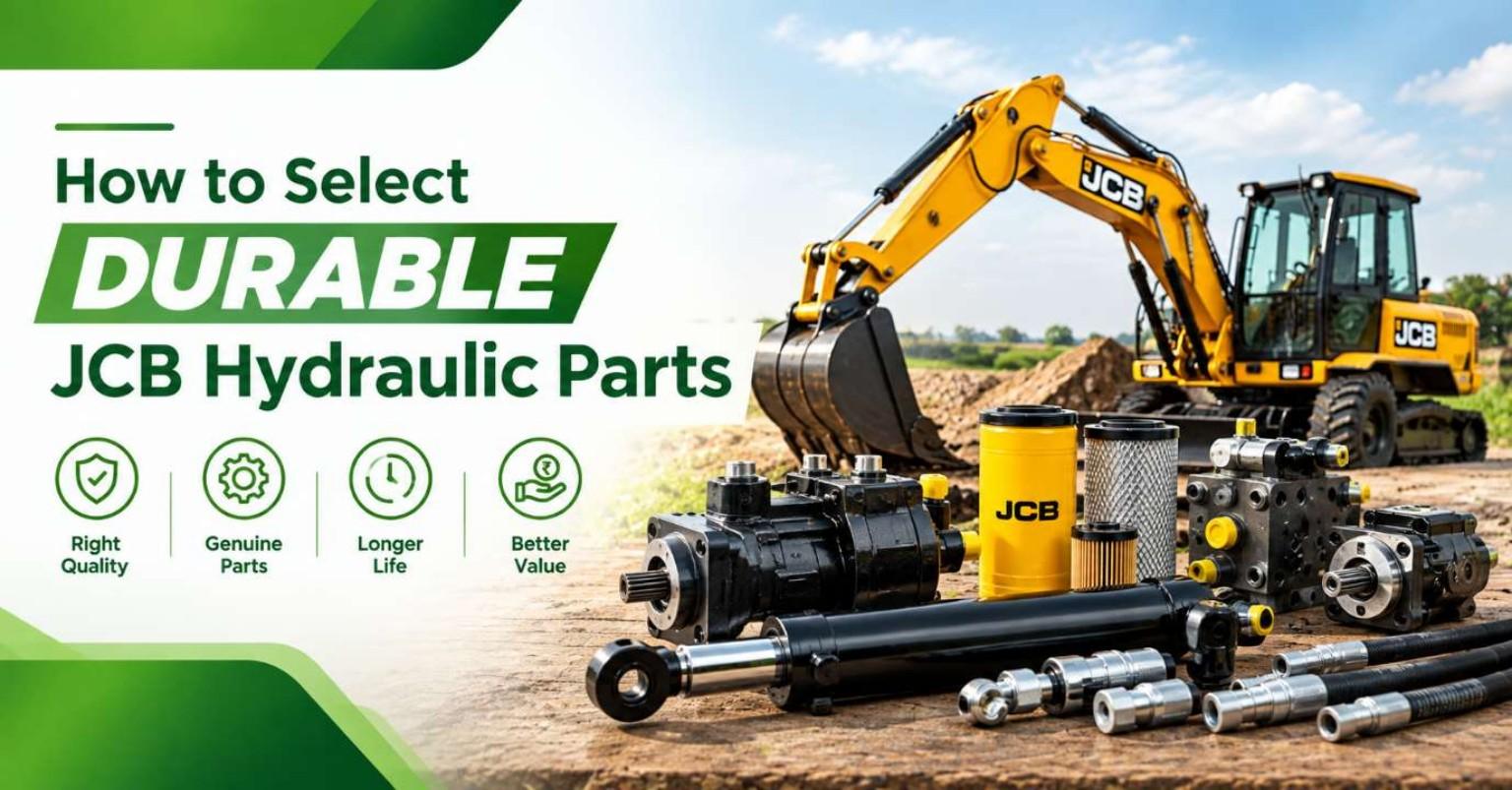
Learn how to select durable JCB hydraulic parts by checking model compatibility, part numbers, pumps, hoses, seals, filters, cylinders, fitment, and working conditions
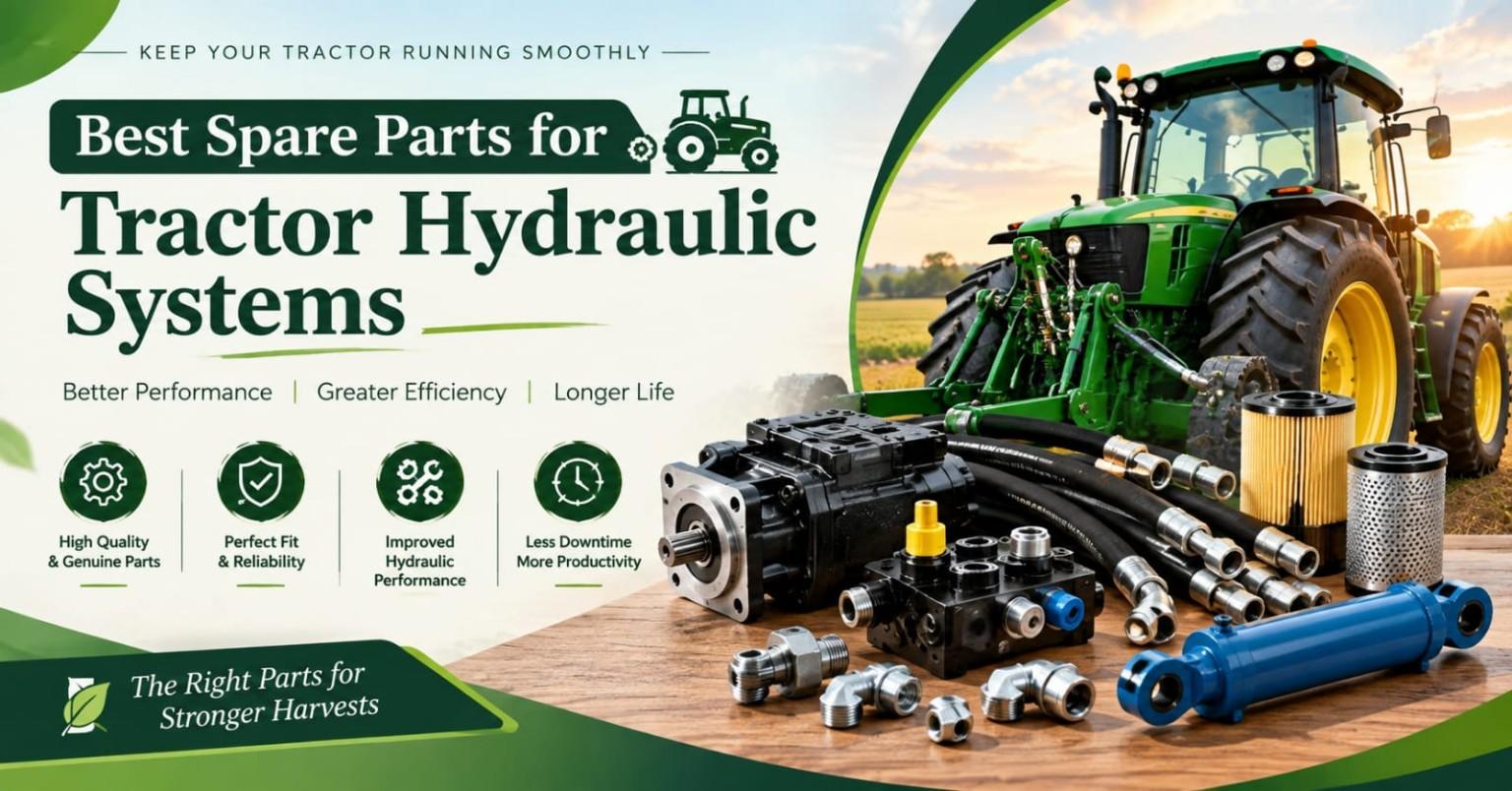
Explore essential tractor hydraulic parts including pumps, filters, hoses, seals, cylinders, valves, fittings, and tips for choosing the right replacements