हमारे पास आपके लिए कुछ नीतियां हैं, कृपया ध्यान देवे!
- कृपया हमारे साथ अपना अकाउंट रजिस्टर करें और आप अपने पैकेज को ट्रैक करें
- चेकआउट के दौरान कृपया कूपन कोड लागू करें
- ग्राहक से अतिरिक्त शुल्क कंपनी या कूरियर कंपनी वसूल ना करे इसलिए
कैश ऑन डिलीवरी की सुविधा Gropart Bharat नहीं देती है
- रोमांचक ऑफ़र प्राप्त करने के लिए नीचे अपना ईमेल आईडी और मोबाइल नंबर दर्ज करें
COD उपलब्ध नहीं है। हम केवल प्रीपेड ऑर्डर में काम करते हैं और पूरे भारत में शिपिंग करते है. COD is not available. We work in prepaid orders only and shipping PAN India.
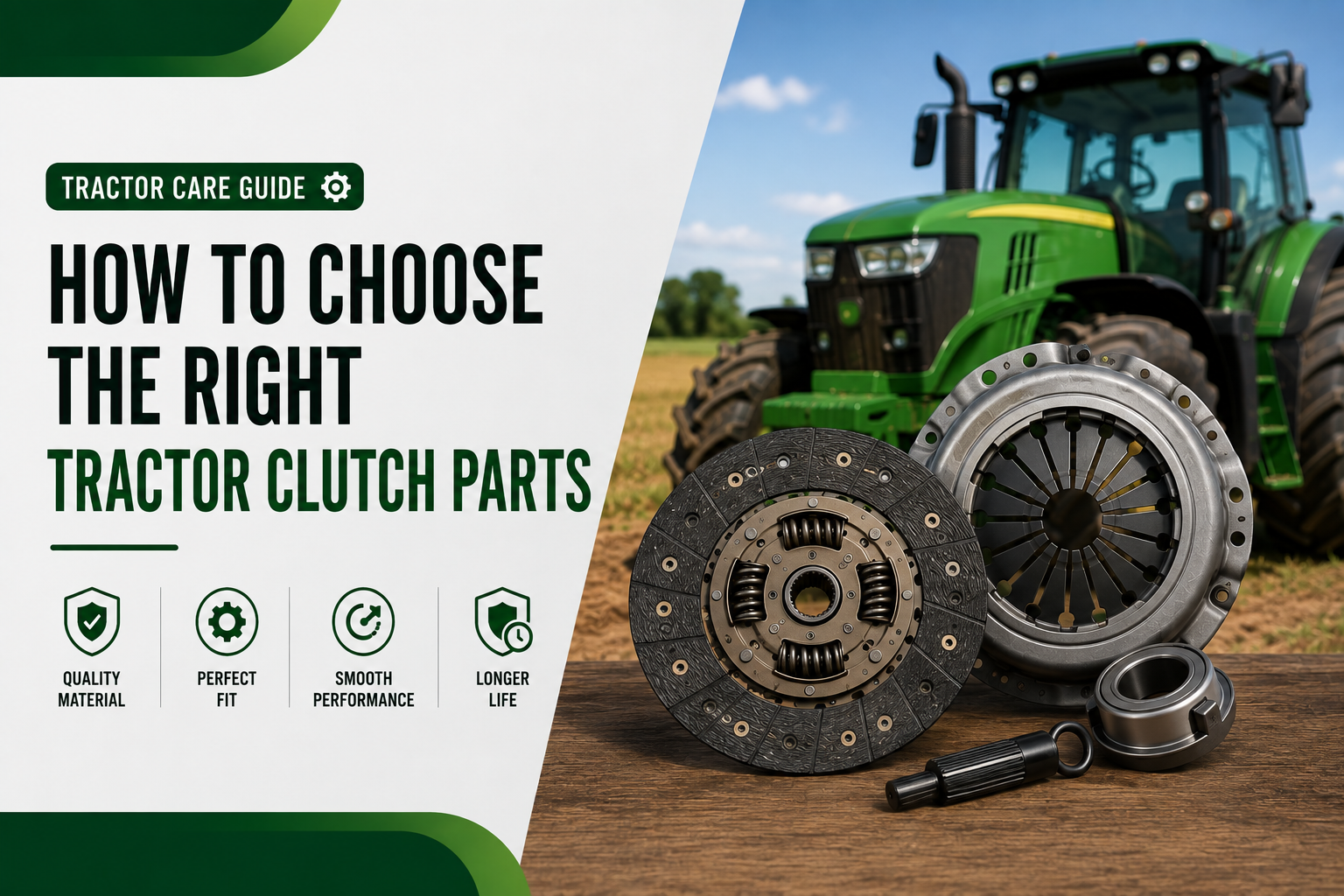
A tractor's clutch plays an important role in transferring engine power to the transmission. It allows the operator to start the tractor smoothly, change gears, and control power while working with different agricultural implements. Because the clutch is used regularly, its components can wear over time, especially when the tractor is used for heavy fieldwork, towing, or long working hours.
When clutch components need replacement, choosing the right tractor clutch parts is important. A part that looks similar to the original may not necessarily be suitable for the tractor. The correct component should match the tractor model, clutch system, dimensions, and working requirements.
For farmers and mechanics, selecting suitable clutch parts can help avoid repeated repairs and unnecessary downtime. This guide explains the main things to consider when choosing tractor clutch parts and how the right components can support smooth and reliable tractor performance.
Why the Tractor Clutch Is Important
The clutch connects and disconnects the engine from the transmission. This allows engine power to be transferred to the wheels in a controlled way.
A properly working clutch helps with smooth starting, gear shifting, and power delivery. It is particularly important when a tractor is working with heavy loads or agricultural implements.
Common clutch components include the clutch plate, pressure plate, release bearing, clutch cover, and related linkage parts. Each component has a specific function, so replacing the wrong part can affect the complete clutch system.
Know Your Tractor Model First
Before buying any tractor clutch part, start by identifying the exact tractor model.
Keep details such as the tractor model, engine type, manufacturing year, and serial number available when searching for replacement parts.
This information makes it easier to find a compatible component and reduces the chances of purchasing the wrong part.
Check the Original Part Number
The part number on the original clutch component can be useful when selecting a replacement.
Before removing the old part, check whether it has a visible identification number or marking. Compare this information with the replacement product details.
However, the part number should not be the only thing you check. Compatibility should also be confirmed through the tractor model and technical specifications.
This is especially important when buying parts online or from a new supplier.
Choose the Correct Clutch Plate
The clutch plate is one of the main working components of the clutch system. It transfers engine power to the transmission when the clutch is engaged.
A worn clutch plate may cause slipping, difficulty in moving the tractor, or reduced power transfer.
When selecting a replacement clutch plate, check its diameter, spline arrangement, thickness, and compatibility with the tractor.
The friction material should also be suitable for the type of work the tractor performs.
Check the Pressure Plate
The pressure plate applies force to keep the clutch plate properly engaged.
If the pressure plate becomes weak or damaged, the clutch may not engage correctly.
A suitable pressure plate should match the clutch plate and the tractor's complete clutch assembly.
Replacing only one component without checking the condition of the other clutch parts may not solve the original problem. A mechanic should inspect the complete system before deciding which components require replacement.
Do Not Ignore the Release Bearing
The release bearing helps disengage the clutch when the operator presses the clutch pedal.
A damaged release bearing may produce unusual noise when the pedal is pressed. It may also make clutch operation less smooth.
When replacing a clutch assembly, checking the release bearing is a good practice. If the bearing is already worn, replacing it at the same time can help prevent another repair soon after the clutch work is completed.
Consider the Tractor's Working Conditions
Not every tractor is used in the same way.
A tractor used for light farm work may experience less clutch stress than one used for heavy ploughing, transportation, towing, or frequent implement changes.
For example, a worn clutch plate may also have affected the pressure plate or flywheel surface.
Before fitting a new part, inspect related components for:
Excessive wear
Cracks
Uneven surfaces
Heat damage
Loose or damaged connections
A complete inspection helps ensure that the new clutch component works properly with the existing parts.
Correct Fitment Is Essential
Even a high-quality clutch component will not perform correctly if it does not fit the tractor properly.
The replacement part should match the required dimensions and mounting arrangement.
Important fitment details can include the clutch plate diameter, spline size, number of splines, pressure plate design, and bearing specifications.
Always confirm these details before purchasing.
If there is any uncertainty, consulting an experienced mechanic or spare-parts supplier can help avoid an incorrect purchase.
Do Not Choose Only on Price
Price is an important factor when purchasing tractor spare parts, but it should not be the only consideration.
A very cheap clutch component may appear economical initially but can become expensive if it wears quickly or causes additional problems.
Frequent replacement can increase labour costs, downtime, and maintenance expenses.
Instead of focusing only on the lowest price, compare quality, compatibility, expected durability, and supplier reliability.
Buy from a Reliable Spare Parts Supplier
The supplier plays an important role in getting the right replacement part.
A reliable supplier should provide clear product information and help buyers identify parts according to their tractor requirements.
Gropart provides tractor and agricultural machinery spare parts for customers looking for dependable replacement components. Choosing quality parts from a trusted source can make maintenance easier and reduce the risk of using unsuitable components.
Signs That Clutch Parts May Need Replacement
Farmers should pay attention to changes in clutch performance.
Common warning signs include:
Clutch slipping
Difficulty changing gears
Unusual clutch noise
Burning smell
Jerky movement
Tractor struggling under load
Clutch pedal behaving differently
These symptoms can have different causes, so proper inspection is important before buying replacement parts.
Replacing a worn component at the right time can help prevent further damage.
Proper Installation Matters
Correct installation is just as important as choosing the right part.
The clutch components need proper alignment and adjustment. Incorrect installation can result in slipping, noise, vibration, or premature wear.
For major clutch repairs, professional installation is recommended, particularly when the tractor needs to be split to access the clutch assembly.
After installation, the clutch should be checked to ensure proper engagement and smooth operation.
Regular Maintenance Can Extend Clutch Life
Choosing good replacement parts is only one part of clutch care. Proper driving and regular maintenance also affect clutch life.
Farmers should avoid unnecessary riding of the clutch pedal and should use the correct gear for the workload. Overloading the tractor can also place additional stress on the clutch.
Regularly checking clutch adjustment and responding to early warning signs can help prevent major problems.
Conclusion
Choosing the right tractor clutch parts is important for maintaining smooth power transfer, reliable gear shifting, and efficient field performance. The correct component should match the tractor model, clutch system, dimensions, and working conditions.
Before buying a replacement, check the tractor details, original part number, clutch specifications, and condition of related components. Do not focus only on price; consider quality, proper fitment, durability, and supplier reliability as well.
By choosing properly matched and quality tractor spare parts from Gropart, farmers and mechanics can reduce repeated repairs, minimise downtime, and maintain dependable tractor performance. A well-maintained clutch helps the tractor deliver power more smoothly and stay ready for demanding agricultural work.
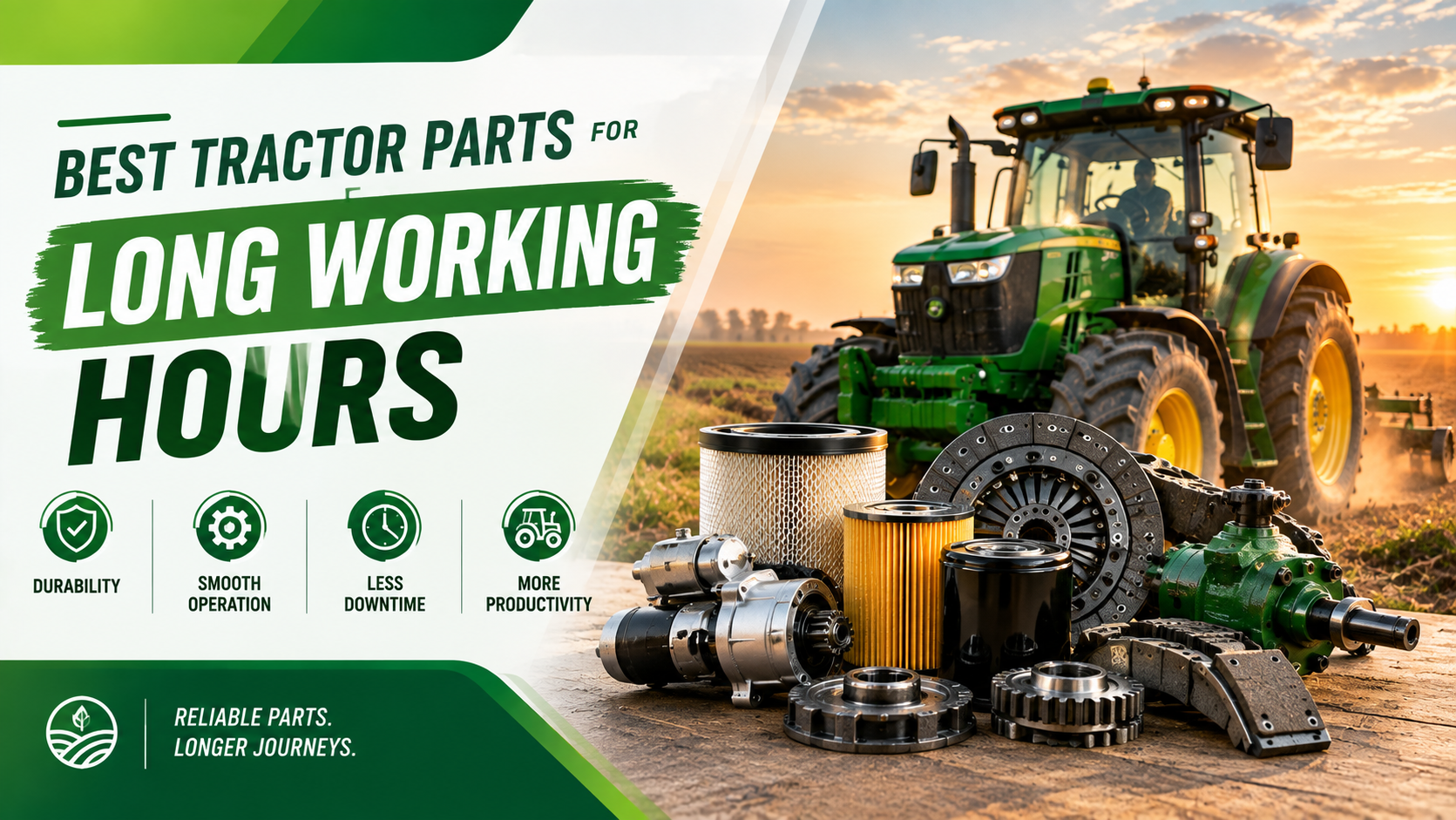
Discover the best tractor parts for long working hours, including engine filters, cooling components, belts, bearings, clutch, hydraulic, transmission parts, and tyres. Learn how quality tractor spare parts from Gropart, regular inspections, and timely replacement can help reduce...
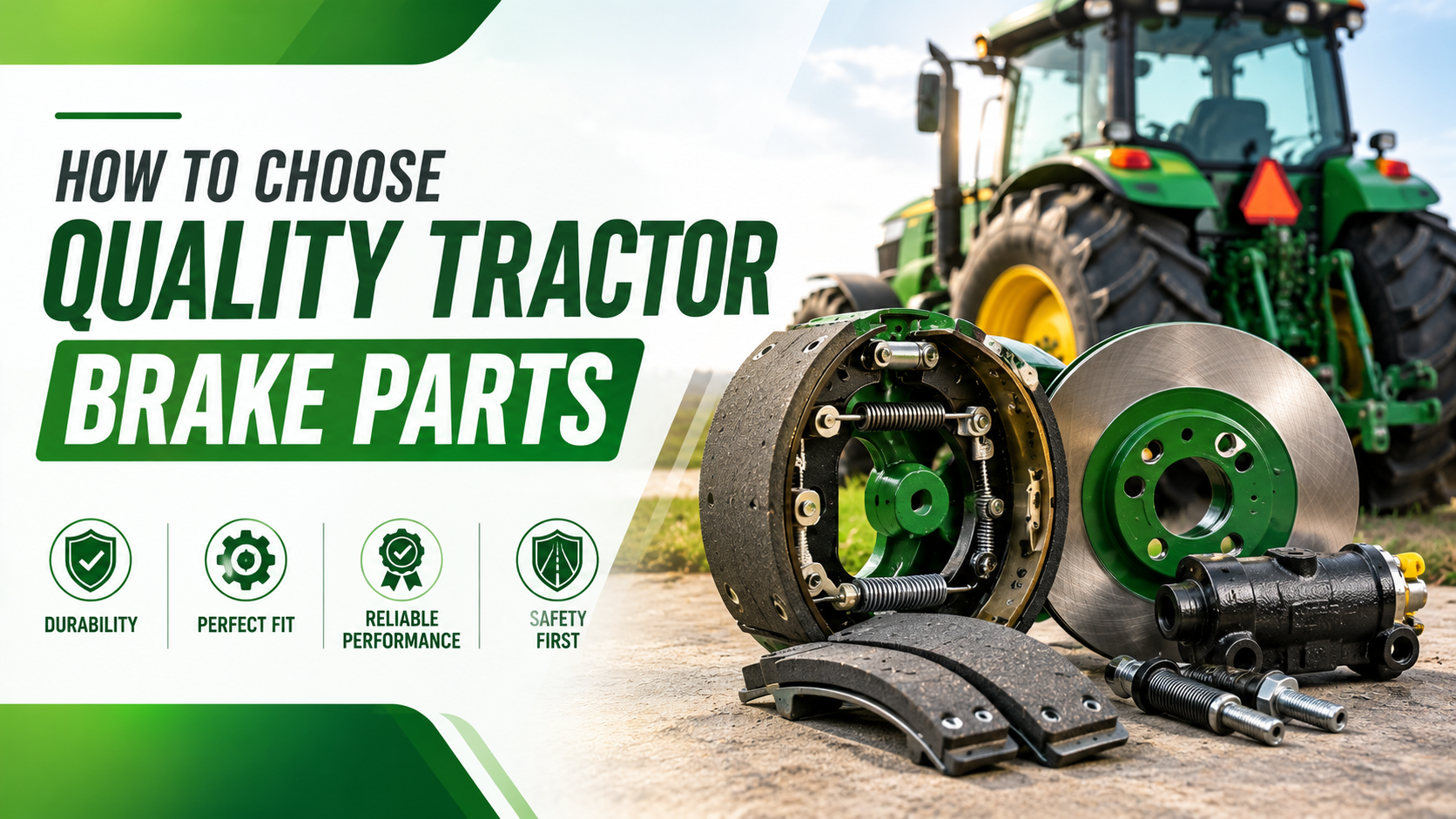
Learn how to choose quality tractor brake parts by checking fitment, brake type, material, durability, workload and supplier reliability for safer tractor performance.
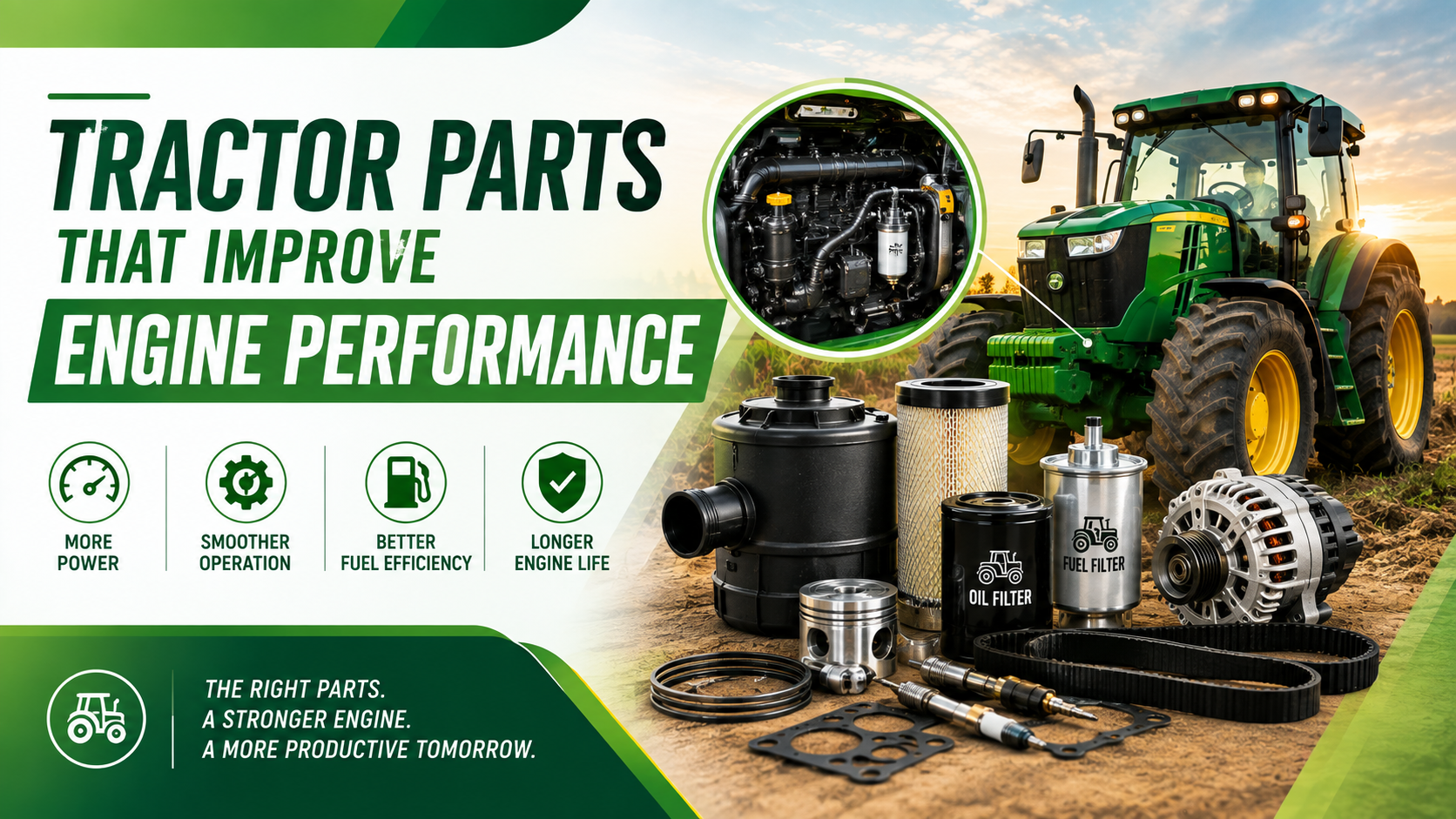
Discover tractor parts that improve engine performance, including air and fuel filters, injectors, belts, cooling components, seals, and other essential spare parts.
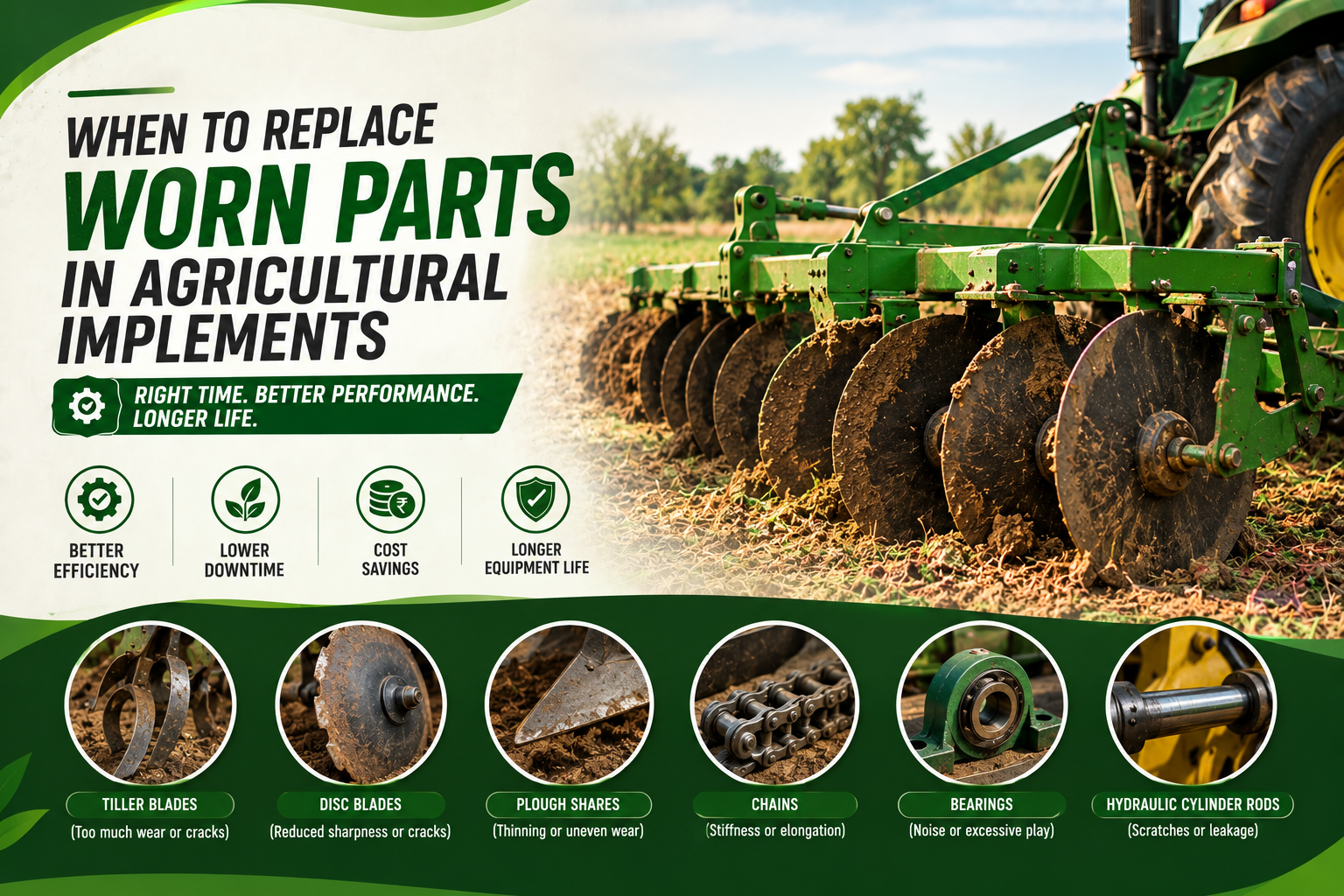
Learn when to replace worn agricultural implement parts such as blades, bearings, belts, chains, pins, bushes, and shafts to prevent breakdowns and maintain farm efficiency.
 English