हमारे पास आपके लिए कुछ नीतियां हैं, कृपया ध्यान देवे
Welcome!
-कृपया हमारे साथ अपना खाता पंजीकृत करें
-पंजीकरण के बाद आप अपने पैकेज को ट्रैक कर सकते हैं
-चेकआउट के दौरान कृपया कूपन कोड लागू करें
-रोमांचक ऑफ़र प्राप्त करने के लिए नीचे अपना ईमेल पता दर्ज करें
COD उपलब्ध नहीं है। हम केवल प्रीपेड ऑर्डर में काम करते हैं और पूरे भारत में शिपिंग करते है. COD is not available. We work in prepaid orders only and shipping PAN India.
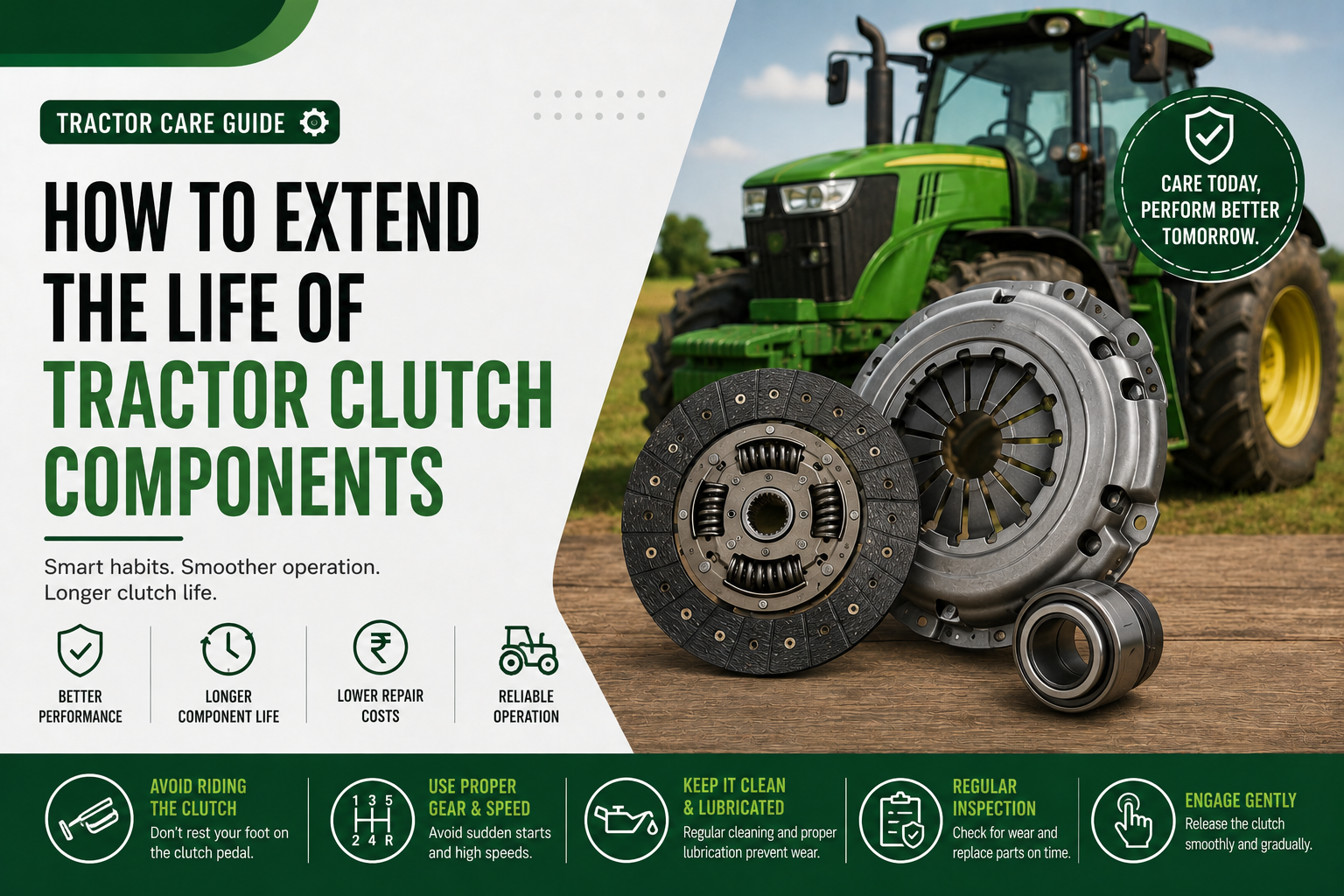
The clutch is one of the most important systems in a tractor. Every time a farmer changes gears, starts the tractor, stops during field operations, or uses different implements, the clutch plays a crucial role in transferring power from the engine to the transmission. Without a properly functioning clutch, smooth operation becomes difficult, productivity decreases, and repair costs can rise significantly.
Despite its importance, the clutch is often one of the most misused components in a tractor. Many clutch problems are not caused by manufacturing defects but by daily operating habits and poor maintenance practices. Excessive clutch wear can lead to slipping, hard gear shifting, reduced pulling power, and costly downtime during critical farming activities.
The good news is that clutch components can last much longer when operated correctly and maintained properly. Understanding what causes clutch wear and learning how to extend its lifespan can help farmers improve tractor performance while reducing maintenance expenses.
Why Tractor Clutch Components Matter
The clutch acts as a connection between the engine and the transmission. It allows power to be transferred smoothly while enabling gear changes and controlled movement.
A typical tractor clutch system includes several important components such as:
Clutch plate
Pressure plate
Release bearing
Flywheel
Clutch linkage
These parts work together continuously during operation. Because they experience friction and pressure every day, they naturally wear over time.
Proper care of these components helps ensure smooth operation and extends the life of the entire transmission system.
Avoid Riding the Clutch Pedal
One of the most common reasons for premature clutch wear is riding the clutch pedal.
Many operators develop a habit of keeping their foot partially resting on the clutch pedal while driving. Even slight pressure can cause the clutch plate to remain partially engaged.
This creates unnecessary friction and heat, which accelerates wear on the clutch plate and pressure plate.
Keeping your foot completely off the clutch pedal when it is not being used is one of the simplest ways to extend clutch life.
Use Smooth Clutch Engagement
Sudden clutch engagement places excessive stress on clutch components.
Releasing the clutch pedal too quickly can create shock loads that affect:
Clutch plates
Transmission gears
Drive components
Engine mounts
Smooth and gradual clutch engagement allows power to transfer evenly and reduces unnecessary wear.
This practice not only protects the clutch but also improves overall driving comfort and machine control.
Avoid Excessive Overloading
Tractors are designed to handle specific load limits. Continuously pulling loads that exceed recommended capacity places additional stress on the clutch system.
Overloading forces the clutch to work harder when:
Using the tractor within its recommended operating limits helps protect both the clutch and the transmission.
Shift Gears Correctly
Improper gear shifting is another major contributor to clutch wear.
Forcing gears or shifting without fully depressing the clutch pedal can damage clutch and transmission components.
Good shifting habits include:
Fully pressing the clutch pedal
Changing gears smoothly
Avoiding unnecessary gear changes
Selecting appropriate gears for the workload
Proper shifting reduces strain on the entire drivetrain and helps maintain clutch efficiency.
Minimize Half-Clutch Operation
Many operators use the half-clutch technique when working at slow speeds or maneuvering in tight spaces.
While occasional use may be necessary, frequent half-clutch operation creates constant friction between clutch surfaces.
This friction generates heat and causes faster wear of the clutch plate.
Whenever possible, operators should rely on proper gear selection rather than prolonged half-clutch use.
Reducing unnecessary clutch slipping can significantly increase component life.
Check Clutch Pedal Free Play Regularly
Clutch pedal adjustment is often overlooked during routine maintenance.
The clutch pedal should have the correct amount of free play as specified by the manufacturer. If the adjustment is incorrect, the clutch may not fully engage or disengage.
Improper free play can lead to:
Clutch slipping
Hard gear shifting
Increased wear
Reduced performance
Regular inspection and adjustment help ensure the clutch operates efficiently.
Prevent Oil Contamination
Oil contamination is a common but often unnoticed cause of clutch problems.
Engine oil or transmission oil leaking onto clutch surfaces can reduce friction and cause clutch slipping.
Common sources of contamination include:
Worn engine seals
Damaged transmission seals
Excessive lubrication
If clutch slipping occurs unexpectedly, checking for oil contamination should be part of the inspection process.
A small maintenance effort today can prevent major transmission and clutch repairs later.
Use Quality Replacement Parts
Even with excellent maintenance, clutch components eventually wear out and require replacement.
The quality of replacement parts directly affects performance and durability. Low-quality clutch parts may wear quickly, slip under load, or create additional stress on other drivetrain components.
Reliable clutch components from Gropart are designed for demanding agricultural conditions and help ensure smooth power transfer, longer service life, and dependable tractor performance.
Choosing quality spare parts often reduces maintenance costs over the long term.
Train Operators on Proper Clutch Usage
In many farming operations, tractors are used by multiple operators. Differences in driving habits can significantly affect clutch lifespan.
Training operators to:
Avoid riding the clutch
Shift gears properly
Use correct operating techniques
Respect load limits
can greatly reduce unnecessary wear and improve equipment reliability.
Good operating practices are often just as important as quality components.
Long-Term Benefits of Clutch Care
A well-maintained clutch provides several advantages beyond simply avoiding repairs.
These benefits contribute directly to increased productivity and better equipment value.
Conclusion
The clutch is one of the hardest-working components in any tractor, and its condition has a major impact on overall performance. Daily operating habits, load management, maintenance practices, and component quality all influence how long clutch parts will last.
Simple practices such as avoiding clutch riding, using smooth gear changes, preventing overloading, checking pedal adjustments, and addressing warning signs early can significantly extend clutch life. Regular maintenance and proper operation help reduce wear and prevent costly breakdowns.
By combining good operating habits with dependable replacement parts from Gropart, farmers can improve tractor reliability, reduce maintenance expenses, and keep their equipment performing efficiently throughout every farming season. Proper clutch care is not just about extending component life—it is an investment in long-term productivity and machine performance.
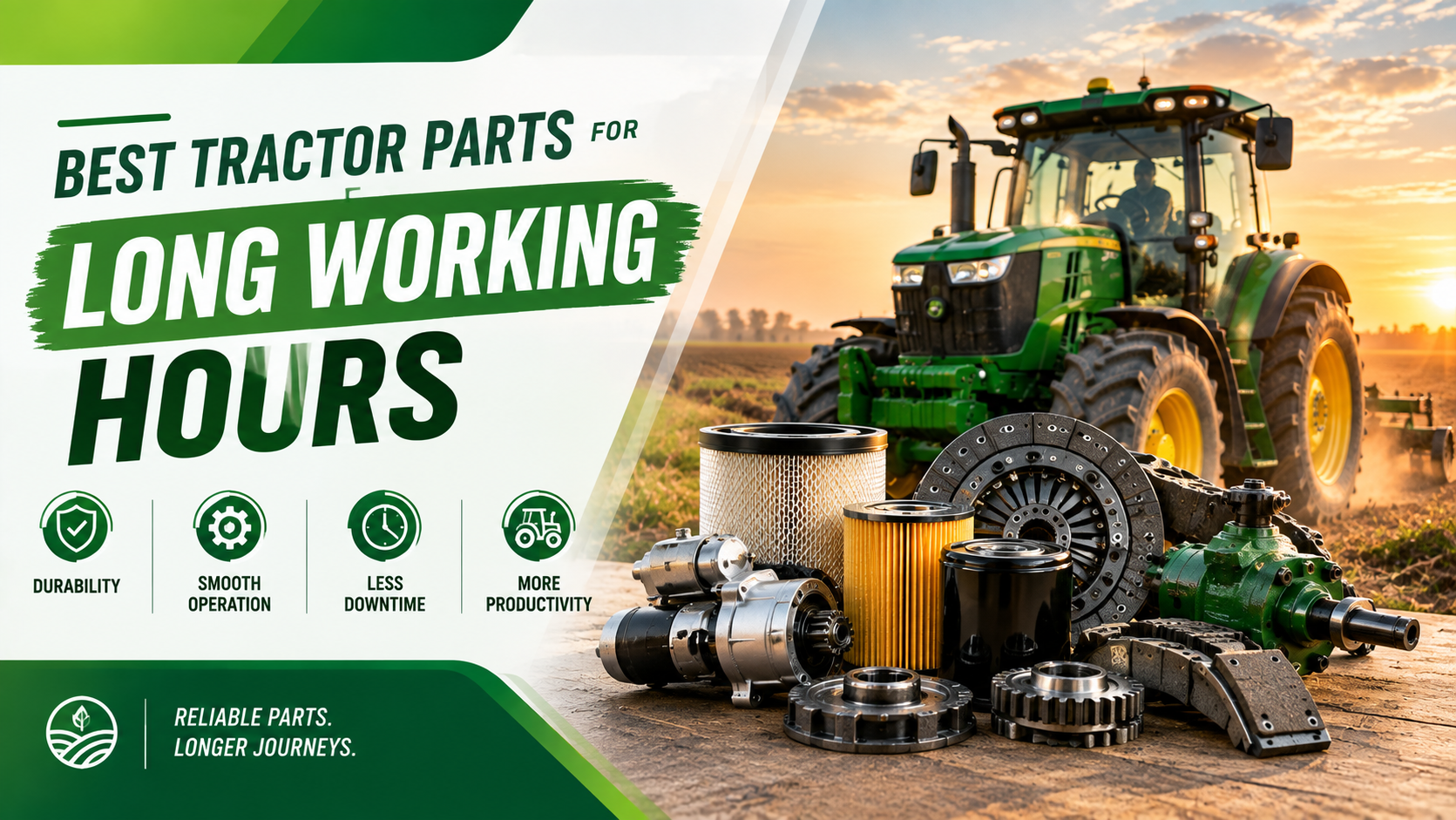
Discover the best tractor parts for long working hours, including engine filters, cooling components, belts, bearings, clutch, hydraulic, transmission parts, and tyres. Learn how quality tractor spare parts from Gropart, regular inspections, and timely replacement can help reduce...
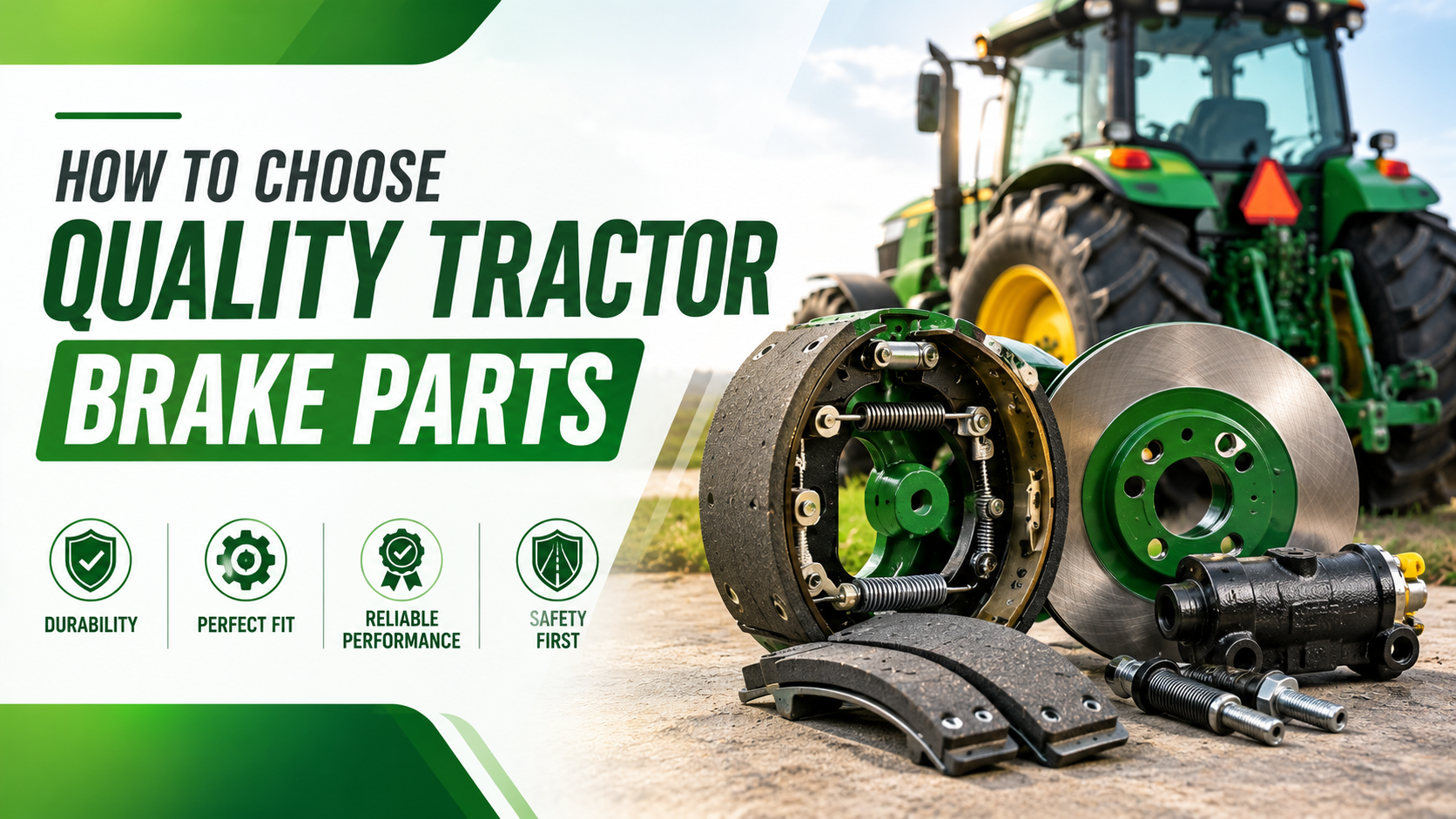
Learn how to choose quality tractor brake parts by checking fitment, brake type, material, durability, workload and supplier reliability for safer tractor performance.
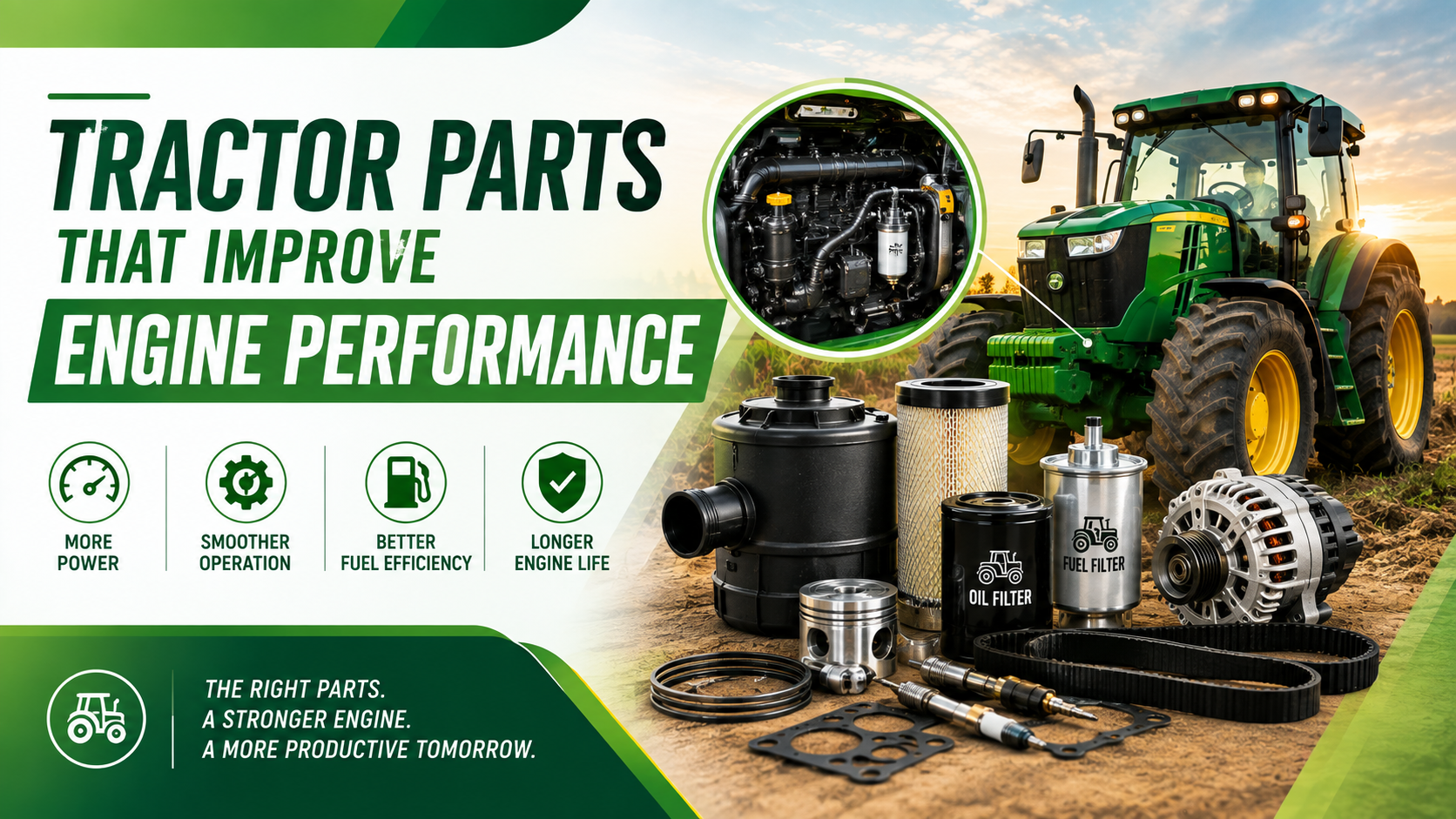
Discover tractor parts that improve engine performance, including air and fuel filters, injectors, belts, cooling components, seals, and other essential spare parts.
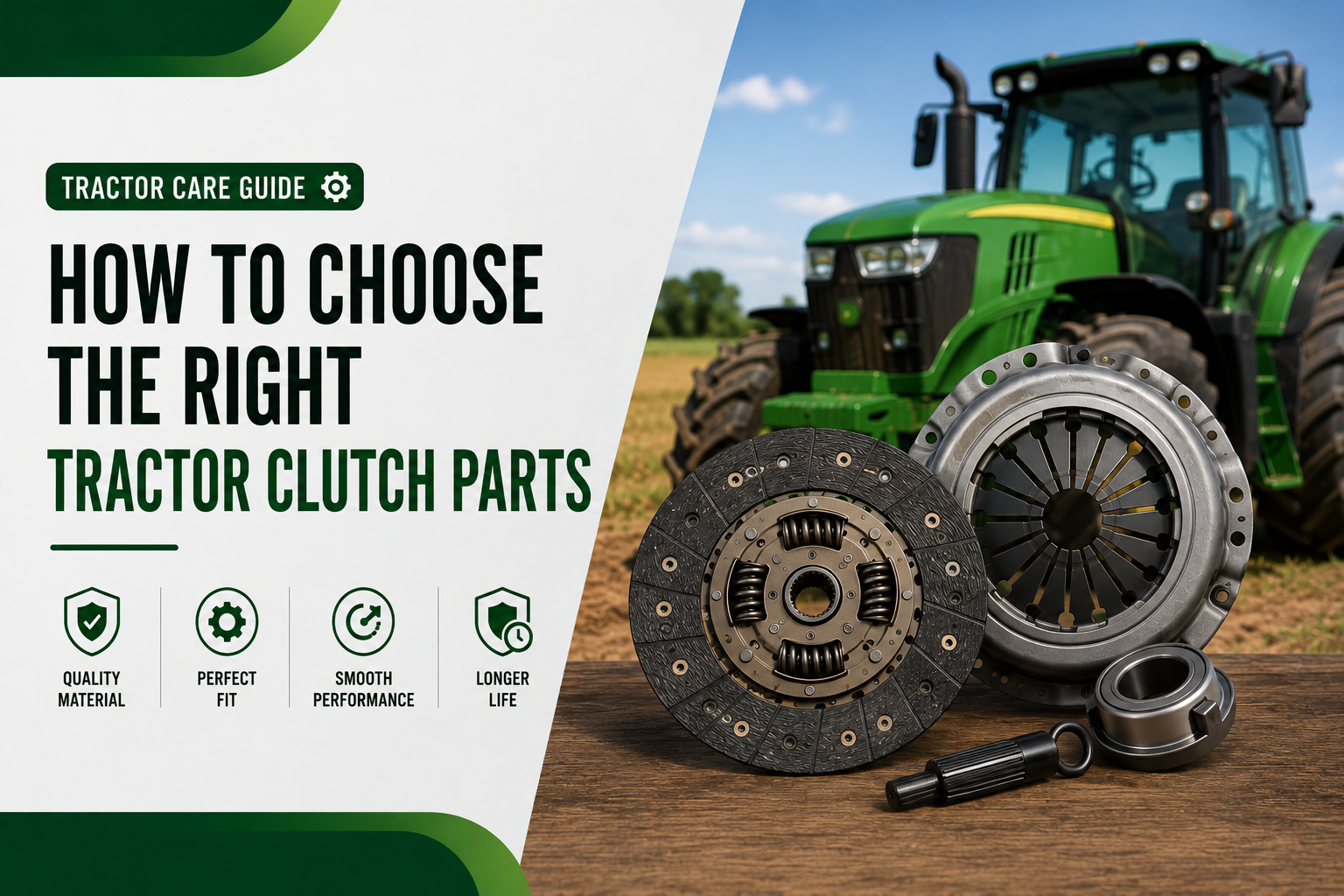
Learn how to choose the right tractor clutch parts by checking model, fitment, specifications, quality, working conditions, and compatibility for reliable performance.
 हिन्दी