Learn how to choose the right tractor wheel bearings by checking size, type, load capacity, quality, and compatibility f...
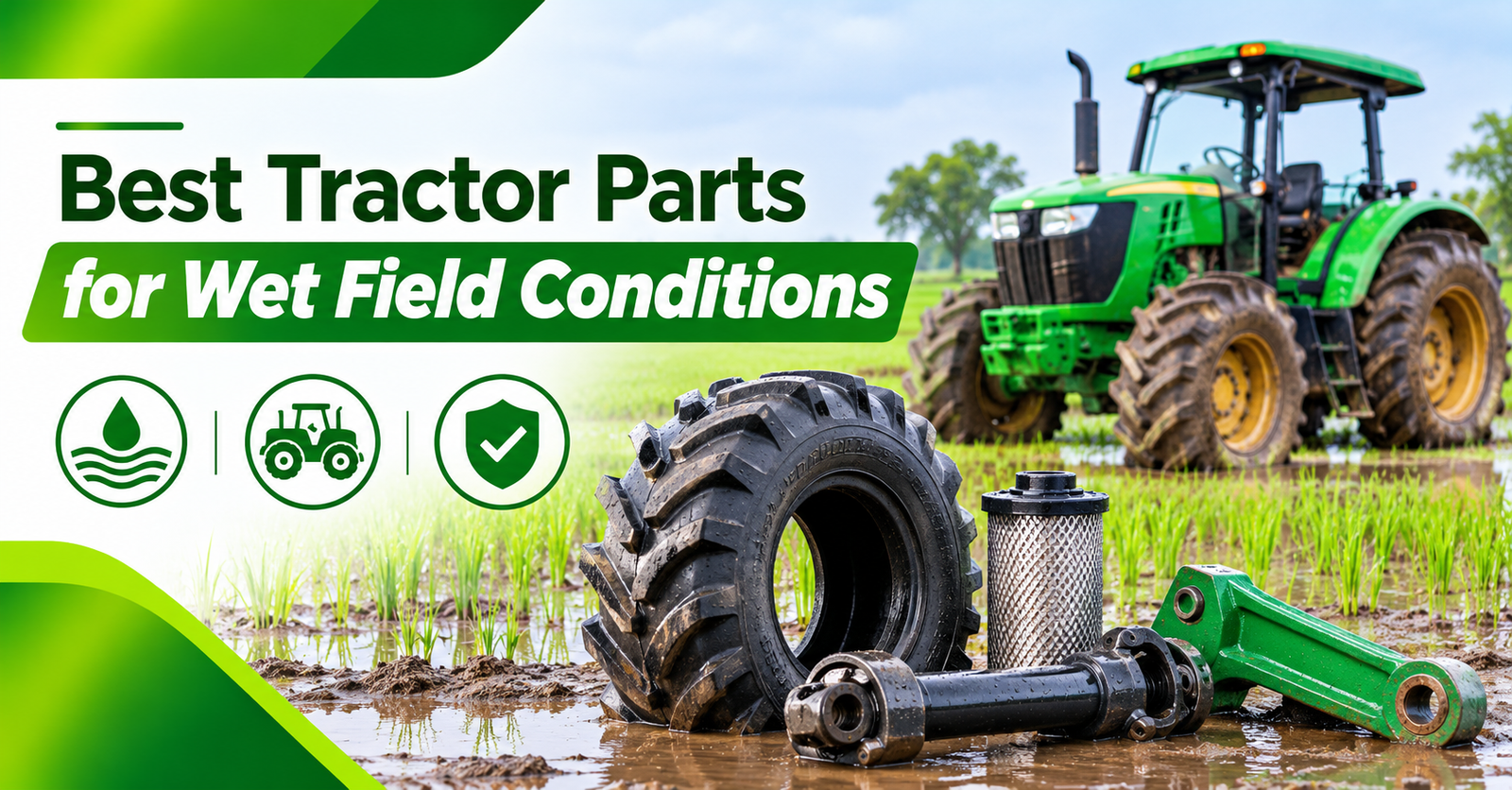
Working in wet fields is a common part of farming, especially during the monsoon season and paddy cultivation. However, muddy soil, standing water, and continuous moisture can put extra pressure on tractor parts. Tyres may lose traction, metal components can develop rust, and dirt or water may affect bearings, seals, brakes, and electrical connections.
Using the right tractor parts and maintaining them properly can help farmers reduce breakdowns and keep their machines ready for demanding fieldwork. The best parts depend on the tractor model, type of soil, working conditions, and agricultural activities being performed.
In this blog, we will explore the best tractor parts for wet field conditions, explain why they matter, and share practical tips for choosing and maintaining them.
Wet fields create different challenges compared with dry agricultural land. Soft soil increases the chances of tyre slippage, while mud can collect around the wheels, axles, and undercarriage. Continuous exposure to water and moisture may also increase corrosion and affect lubrication.
When a tractor works in these conditions for long hours, worn or unsuitable parts can cause performance problems and unexpected downtime.
Choosing compatible replacement parts and inspecting the tractor regularly can help reduce these risks. It is also important to clean the tractor after wet fieldwork and follow the manufacturer's maintenance recommendations.
Tractor tyres are among the most important components for working in wet fields. They help the tractor move through soft soil, maintain traction, and transfer engine power to the ground.
Tyres with suitable agricultural tread patterns and well-maintained lugs can provide better grip than tyres with worn or unsuitable tread designs. For paddy cultivation and puddling, specialised wetland tyres may be appropriate for certain tractors.
When choosing tractor tyres, consider the following factors:
Tyre pressure also affects traction and soil compaction. Follow the manufacturer's recommendations for the tyre, load, and operating conditions instead of reducing pressure without guidance.
Wheel bearings support rotating components and help wheels or related assemblies move smoothly. In wet field conditions, mud, water, and dirt can increase the risk of contamination if the bearing's sealing arrangement is damaged or unsuitable.
A worn or contaminated bearing may produce grinding noises, excessive movement, or abnormal heat around the wheel hub.
When selecting replacement tractor wheel bearings, check the original part number, dimensions, bearing type, and load requirements. Also confirm that the sealing arrangement matches the tractor's original design.
Do not choose a bearing based only on its size. Correct fitment, load capacity, and protection against contamination are also important.
Regularly inspect the wheel hub and address damaged seals promptly. If you notice unusual noise or excessive wheel movement, have the bearing assembly checked before continuing work.
Oil seals and gaskets help prevent lubricants and other fluids from escaping from different parts of a tractor. Depending on the design, they may be used around axles, hubs, engine components, transmission assemblies, and hydraulic connections.
Wet field conditions make these components particularly important because mud and moisture can collect around exposed joints. Damaged seals may allow lubricant to leak out or contaminants to enter certain assemblies.
When choosing replacement seals and gaskets, check their dimensions, material, and compatibility with the original component. A seal that looks similar may not provide the correct fit.
Inspect seals for cracks, hardening, deformation, and leakage. Replacing a damaged seal early can help protect connected components and reduce avoidable maintenance costs.
Many tractors use hydraulic systems to operate implements, lift equipment, and control other functions. During wet fieldwork, reliable hydraulic performance is important for handling agricultural implements effectively.
Hydraulic hoses carry pressurised fluid, while seals help prevent leakage at joints and moving components. Worn hoses, damaged fittings, and deteriorated seals may cause fluid loss or reduced hydraulic performance.
Before buying replacement hydraulic parts, check the hose specifications, pressure rating, connection type, length, and compatibility with the tractor's system.
Inspect hoses for cracks, bulges, abrasion, and leakage. Replace damaged components with parts that meet the manufacturer's requirements.
Safety warning: Never search for a hydraulic leak using your bare hands. High-pressure fluid can penetrate the skin and cause serious injuries. Switch off the system, release pressure according to the manufacturer's procedure, and have repairs carried out safely.
Moisture can encourage rust on exposed metal parts, especially when mud remains on the tractor after fieldwork. Fasteners, brackets, mounting hardware, and other components may deteriorate over time if they are not properly protected.
Rust can make maintenance more difficult and, in severe cases, weaken components or affect secure mounting.
When replacing bolts, nuts, brackets, or other hardware, choose the correct dimensions, strength grade, and finish specified for the application. Corrosion-resistant materials or coatings may be suitable in some locations, but they should not replace the manufacturer's requirements for strength and fitment.
After working in wet fields, clean away mud and allow exposed areas to dry. Inspect important fasteners and structural components regularly, and replace damaged hardware as recommended.
Wet soil and muddy surfaces can reduce traction and make tractor control more challenging. A properly maintained braking system is essential when turning, travelling on slopes, or transporting loads.
Depending on the tractor design, the braking system may include brake discs, drums, linings, linkages, seals, and related components. Some tractors use oil-immersed brakes, while others have different arrangements.
If the brakes become uneven, weak, noisy, or difficult to operate, the system should be inspected. Moisture, wear, incorrect adjustment, or other mechanical faults may affect braking performance.
When selecting replacement tractor brake parts, confirm the tractor model, original part number, dimensions, and brake system design. Never choose a brake component based only on its appearance.
Test the brakes according to the manufacturer's instructions before returning the tractor to full field operation. If braking performance is poor, do not continue working until the issue has been corrected.
Wet fieldwork can also expose the tractor to dust, soil particles, crop residue, and debris, particularly when conditions change between wet and dry areas.
The air filter prevents contaminants from entering the engine. A blocked, damaged, or incorrectly fitted filter can restrict airflow or allow dirt to enter the engine, depending on the fault.
Choose an air filter that matches your tractor's model and original specifications. Check the part number, dimensions, sealing surface, and filter type before purchasing.
Inspect the filter according to the manufacturer's service schedule and working conditions. Clean or replace it only as recommended for your filter design. Some filter elements should be replaced rather than cleaned.
Keep the filter housing properly closed and check that seals are fitted correctly after servicing.
Water and moisture can affect electrical connections, especially when protective covers or seals are damaged. Mud and water entering connectors may contribute to corrosion, starting problems, lighting faults, or unreliable electrical operation.
Inspect accessible wiring, battery terminals, connectors, and protective covers for damage. Look for loose connections, corrosion, cracked insulation, and missing seals.
If replacement is required, choose compatible connectors, wiring components, and protective parts suitable for the tractor's electrical system. Do not use a part simply because the plug appears to fit.
Keep electrical connections protected according to the manufacturer's recommendations. If electrical problems continue after wet fieldwork, arrange a proper inspection instead of repeatedly replacing unrelated components.
Lubrication helps protect moving parts from friction and premature wear. Depending on the tractor's design, grease fittings may be found on axle pivots, steering joints, linkage pins, and other serviceable points.
Wet conditions can wash away lubricant from some exposed areas, while mud can collect around joints and fittings. Poor lubrication may increase wear in pins, bushes, and bearings.
Check lubrication points regularly and use the grease specified by the manufacturer. Clean around grease fittings before applying lubricant to reduce the risk of pushing dirt into the joint.
Inspect damaged grease fittings and replace them with compatible parts. Follow the recommended lubrication intervals, especially during demanding fieldwork.
Selecting suitable parts begins with understanding the tractor's design and the conditions in which it operates. A component intended for a different model may not fit correctly or withstand the required loads.
Before purchasing replacement parts, consider these factors:
Gropart provides spare parts for tractors, JCB machines, threshers, and other agricultural machinery applications. When sourcing parts for wet field conditions, review the available product details and confirm that each component matches your specific tractor model.
Even suitable tractor parts need regular care. A few simple maintenance practices can help reduce wear and protect the tractor after muddy fieldwork.
If a fluid looks milky or unusually cloudy, it may indicate contamination. Arrange an inspection before continuing to use the affected system.
Wet field conditions can put extra pressure on tractor tyres, wheel bearings, oil seals, hydraulic hoses, brake parts, electrical connections, and other components. Choosing the correct parts helps maintain traction, protect important systems, and reduce avoidable breakdowns during agricultural work.
The best replacement parts are those that match your tractor's original specifications and suit the intended application. Regular cleaning, proper lubrication, timely inspections, and attention to leaks or unusual noises can also help extend component life.
Before buying a replacement, identify the actual problem and confirm compatibility with your tractor model. With the right parts and consistent maintenance, you can help keep your tractor reliable throughout wet fieldwork and the farming season.
शेयर करें:
Learn how to choose the right tractor wheel bearings by checking size, type, load capacity, quality, and compatibility f...
Learn when to replace tractor suspension parts by identifying 8 warning signs, including excessive vibration, unusual no...
Learn how to select the right tractor fan belt by checking belt size, type, material, tension, and compatibility to ensu...
Learn about common tractor oil pump problems, including low oil pressure, oil leaks, clogged filters, and worn component...