
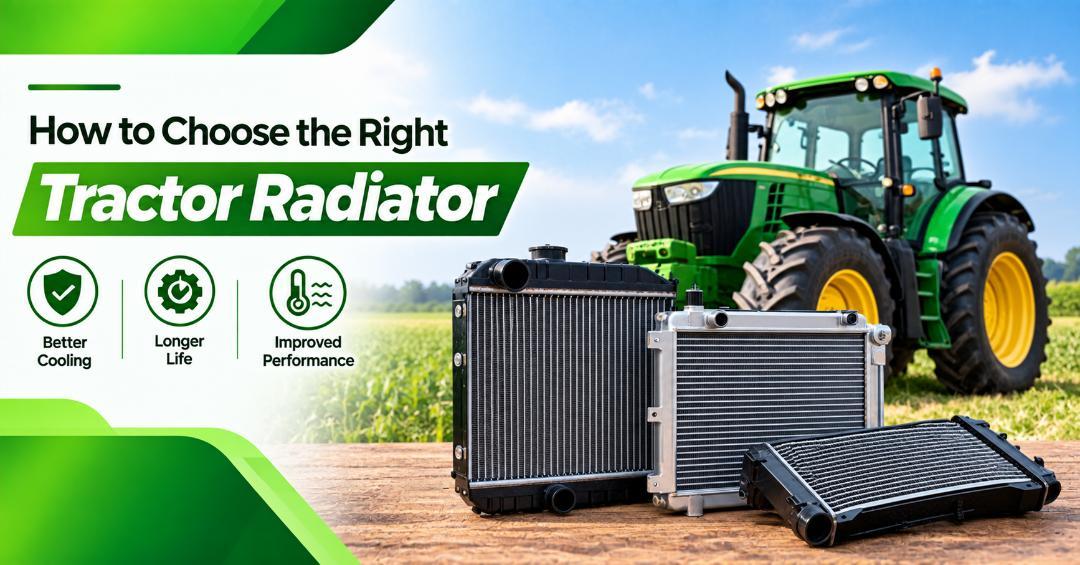
Learn how to choose the right tractor radiator by checking compatibility, size, material, build quality, cooling require...
COD उपलब्ध नहीं है। हम केवल प्रीपेड ऑर्डर में काम करते हैं और पूरे भारत में शिपिंग करते है. COD is not available. We work in prepaid orders only and shipping PAN India.
X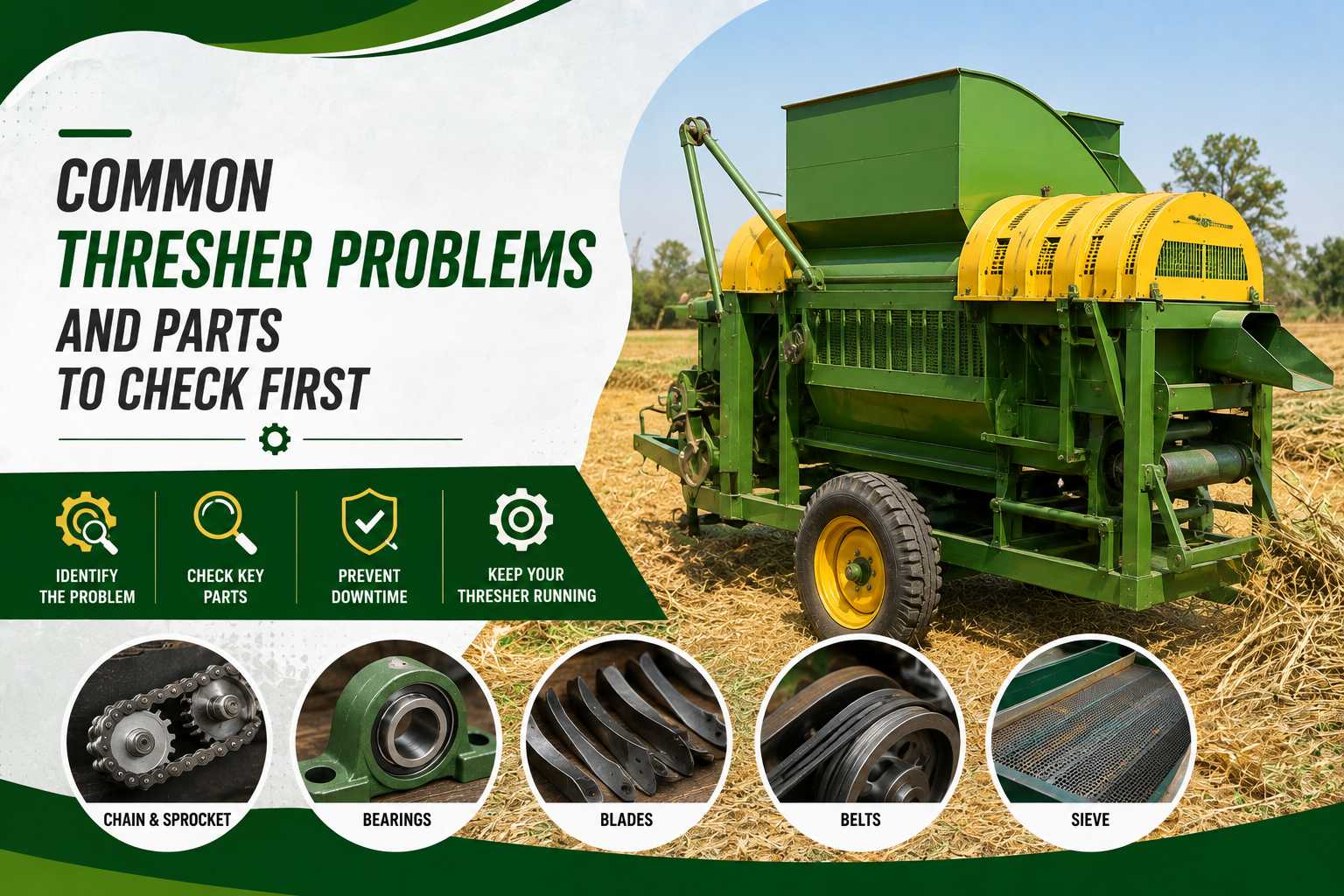
Threshers are important agricultural machines that help farmers separate grain from harvested crops quickly and efficiently. During the harvesting season, a thresher may work for long hours under heavy loads and in dusty field conditions. Because of this continuous use, different components can gradually wear out or develop problems.
When a thresher does not work properly, the problem may affect grain quality, harvesting speed, fuel consumption, and overall productivity. However, many common thresher problems can be identified early by checking the right parts.
Understanding the warning signs and knowing which components to inspect first can help farmers and mechanics reduce downtime and avoid unnecessary repair costs. Regular maintenance and quality thresher spare parts also play an important role in keeping the machine ready for demanding agricultural work.
A thresher contains several moving parts that work together at high speed. These components are exposed to dust, crop residue, vibration, friction, and heavy loads.
If one part becomes worn or damaged, it can affect the performance of the entire machine.
Common maintenance problems may lead to:
Regular inspection before and during the harvesting season helps identify small problems before they become major failures.
One of the first problems farmers may experience is difficulty starting the thresher.
The cause may be related to the engine, fuel system, electrical system, or battery.
Parts to check include:
A blocked fuel filter can restrict fuel flow, while a weak battery may not provide enough power for starting.
Checking these components first can help identify basic starting problems quickly.
A thresher requires consistent engine power to process crops efficiently.
If the engine loses power during operation, the machine may work slowly or struggle under load.
Common causes include:
The air filter should be checked regularly because threshers often operate in dusty conditions.
A blocked filter restricts airflow and can reduce engine performance.
Some vibration is normal during thresher operation, but excessive vibration should not be ignored.
High vibration may be caused by:
Continuous vibration can damage other components and make the machine unsafe to operate.
Bearings and rotating parts should be inspected carefully when unusual shaking occurs.
Bearings support rotating components and help reduce friction.
When bearings become worn, they may produce:
Operating with damaged bearings can eventually affect shafts and other connected parts.
Replacing worn bearings at the right time helps maintain smooth machine operation.
Belts transfer power between different components of the thresher.
A worn, loose, or damaged belt may slip during operation.
This can cause:
Belts should be checked regularly for cracks, stretching, and visible damage.
Proper belt tension is also important for efficient power transfer.
If grain is not being separated properly from the crop, several components may need inspection.
Possible causes include:
The threshing drum and related components should be checked for damage and excessive wear.
Correct machine adjustment is also important for achieving better grain separation.
A thresher should separate grain efficiently without causing unnecessary damage.
If too much grain is broken or damaged, the problem may be related to incorrect operating settings or worn components.
Parts and factors to check include:
Excessive speed or incorrect clearance can increase grain damage.
Regular inspection helps maintain better grain quality.
Crop loss can occur when grain is not properly separated or collected.
Possible causes may include:
Farmers should inspect the complete grain separation and cleaning system when excessive loss is noticed.
Sieves help separate grain from unwanted material.
If the sieve is damaged, blocked, or incorrectly adjusted, cleaning efficiency may decrease.
This can result in:
Regular cleaning and inspection help maintain proper airflow and separation.
Many threshers use airflow to separate lighter material from grain.
A weak or damaged fan may reduce cleaning efficiency.
Parts to check include:
Dust and crop residue should also be removed regularly to prevent blockages.
Threshers often operate for long periods, which can create significant heat.
Overheating may be caused by:
Operating an overheated machine can cause serious engine damage.
The cooling system should be checked before long harvesting operations.
A sudden increase in fuel consumption may indicate that the thresher is not operating efficiently.
Possible causes include:
Replacing blocked filters and checking engine components can help restore efficiency.
Continuous vibration can gradually loosen bolts and fasteners.
Loose connections can create:
Regularly checking important fasteners is a simple but effective maintenance step.
Threshers operate under demanding conditions, so replacement parts must be durable enough for continuous agricultural work.
Low-quality parts may wear quickly and lead to repeated failures.
Reliable thresher spare parts from Gropart can help support machine performance and improve long-term reliability.
Quality bearings, belts, filters, shafts, and other components can help reduce downtime and maintain efficient operation.
Before the harvesting season begins, farmers should inspect the entire thresher.
Important checks include:
Identifying worn parts before the season begins can prevent unexpected breakdowns during critical harvesting work.
Threshers depend on many moving parts to separate and clean grain efficiently. Problems such as engine power loss, excessive vibration, belt slipping, worn bearings, poor threshing, grain damage, overheating, and increased fuel consumption can affect productivity.
Checking the right parts at the first sign of trouble helps farmers identify problems early and reduce repair costs. Regular maintenance and timely replacement of worn components are essential for reliable thresher performance.
By using properly fitted and quality thresher spare parts from Gropart, farmers can improve machine reliability, reduce downtime, and maintain better harvesting efficiency. A well-maintained thresher is better prepared to handle long working hours and demanding agricultural operations throughout the harvesting season.
शेयर करें:
Learn how to choose the right tractor radiator by checking compatibility, size, material, build quality, cooling require...
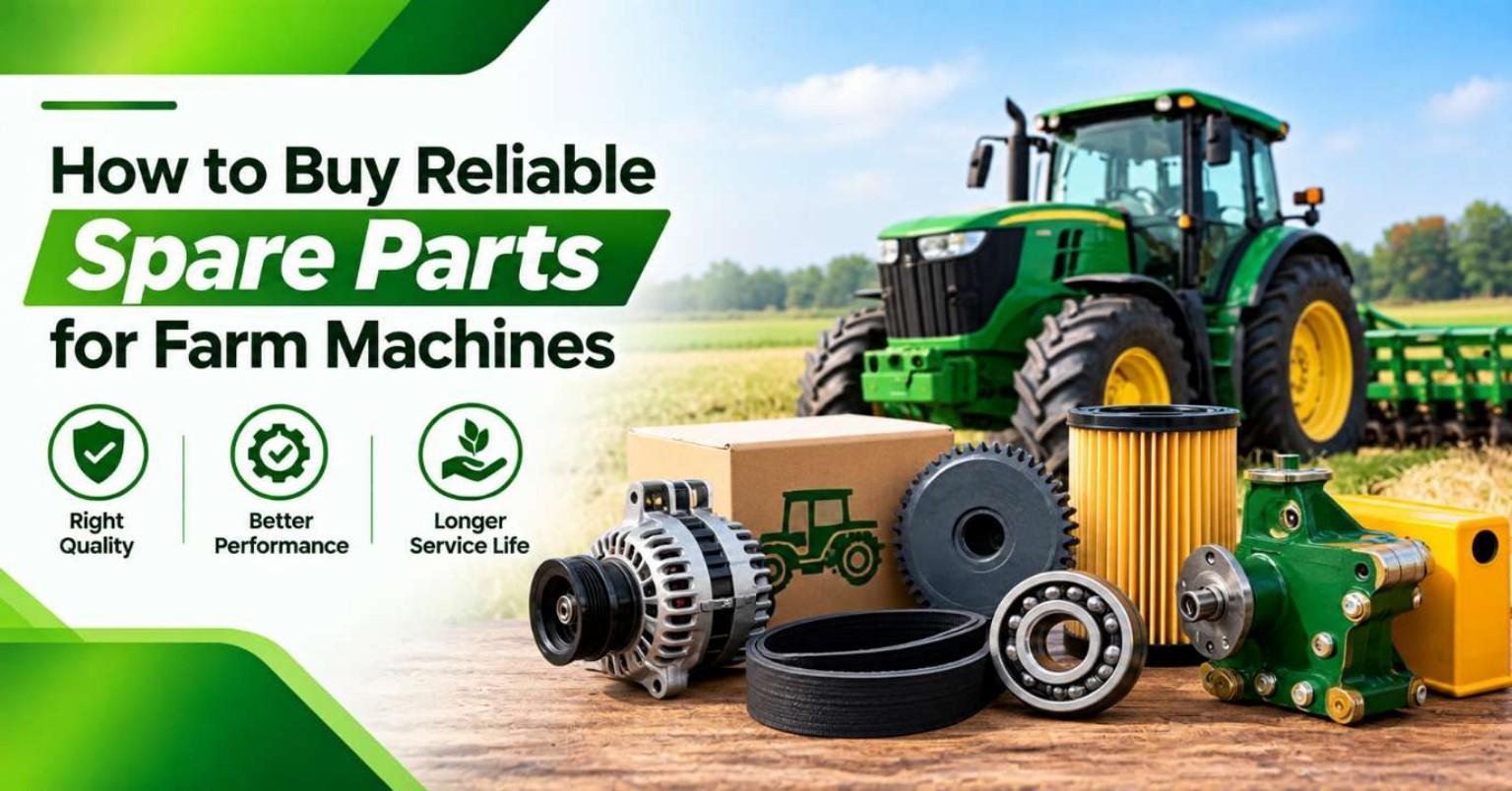
Learn how to buy reliable farm machinery spare parts by checking machine models, part numbers, dimensions, quality, fitm...
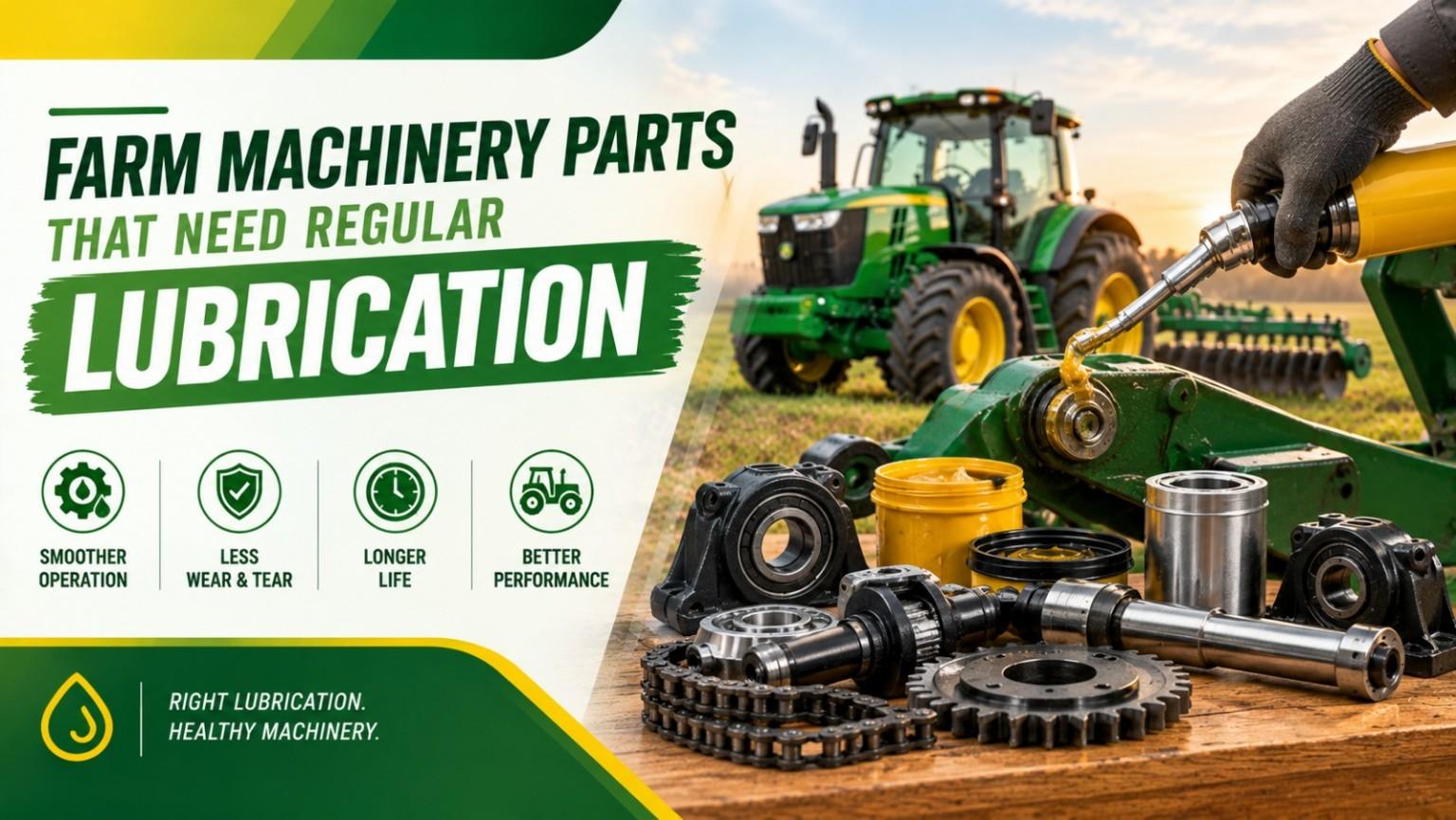
Learn which farm machinery parts need regular lubrication, including tractor bearings, PTO components, bushes, pins, cha...
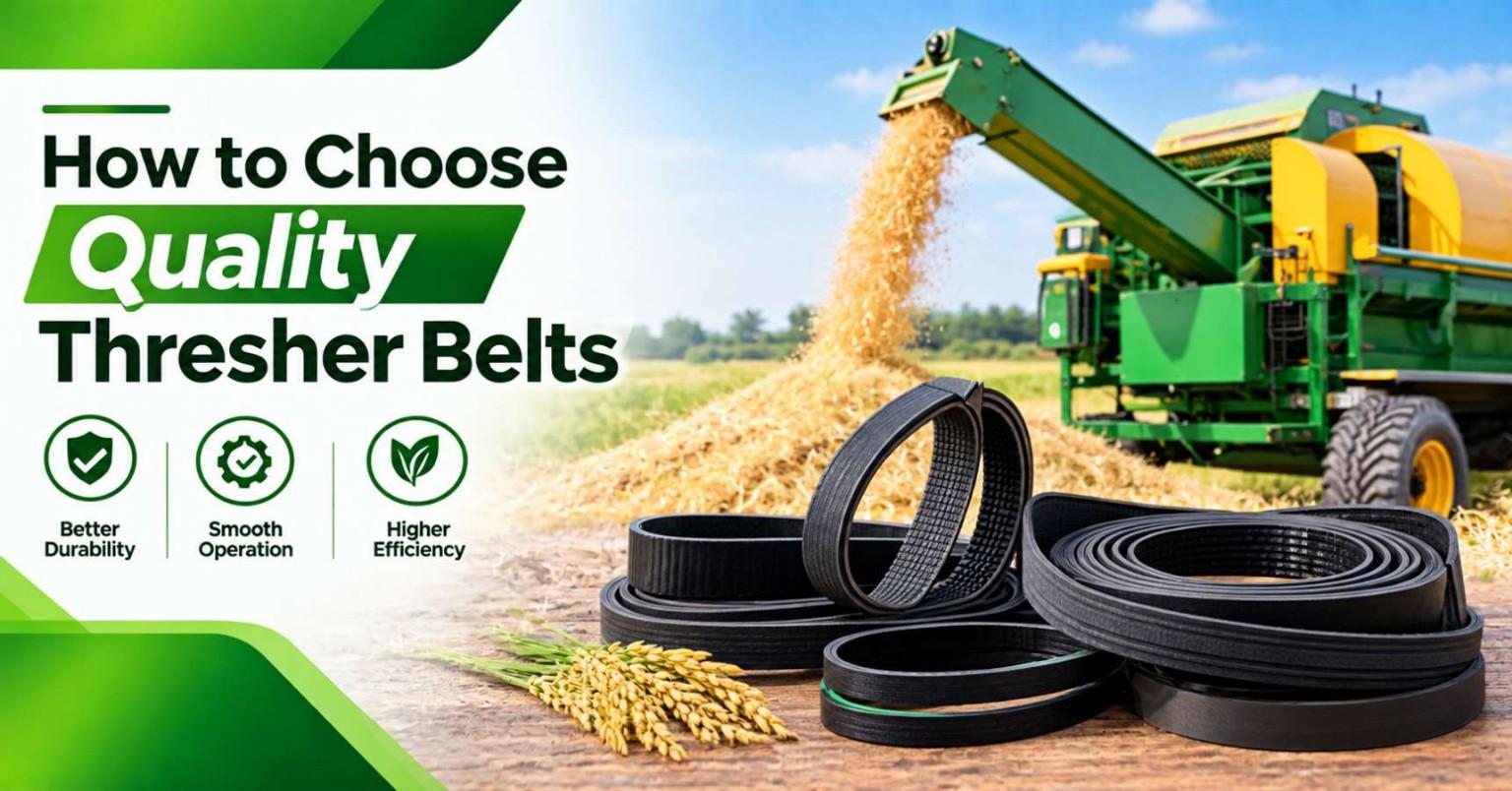
Learn how to choose quality thresher belts by checking size, profile, construction, load, heat resistance, compatibility...