 हिन्दी


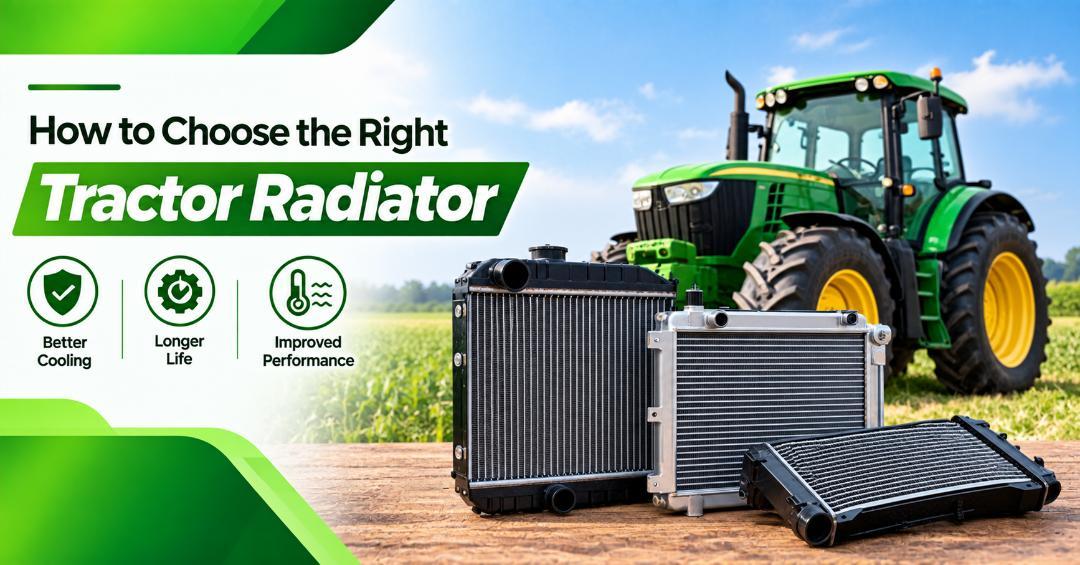
Learn how to choose the right tractor radiator by checking compatibility, size, material, build quality, cooling requirements, warranty and maintenance needs.
COD उपलब्ध नहीं है। हम केवल प्रीपेड ऑर्डर में काम करते हैं और पूरे भारत में शिपिंग करते है. COD is not available. We work in prepaid orders only and shipping PAN India.
X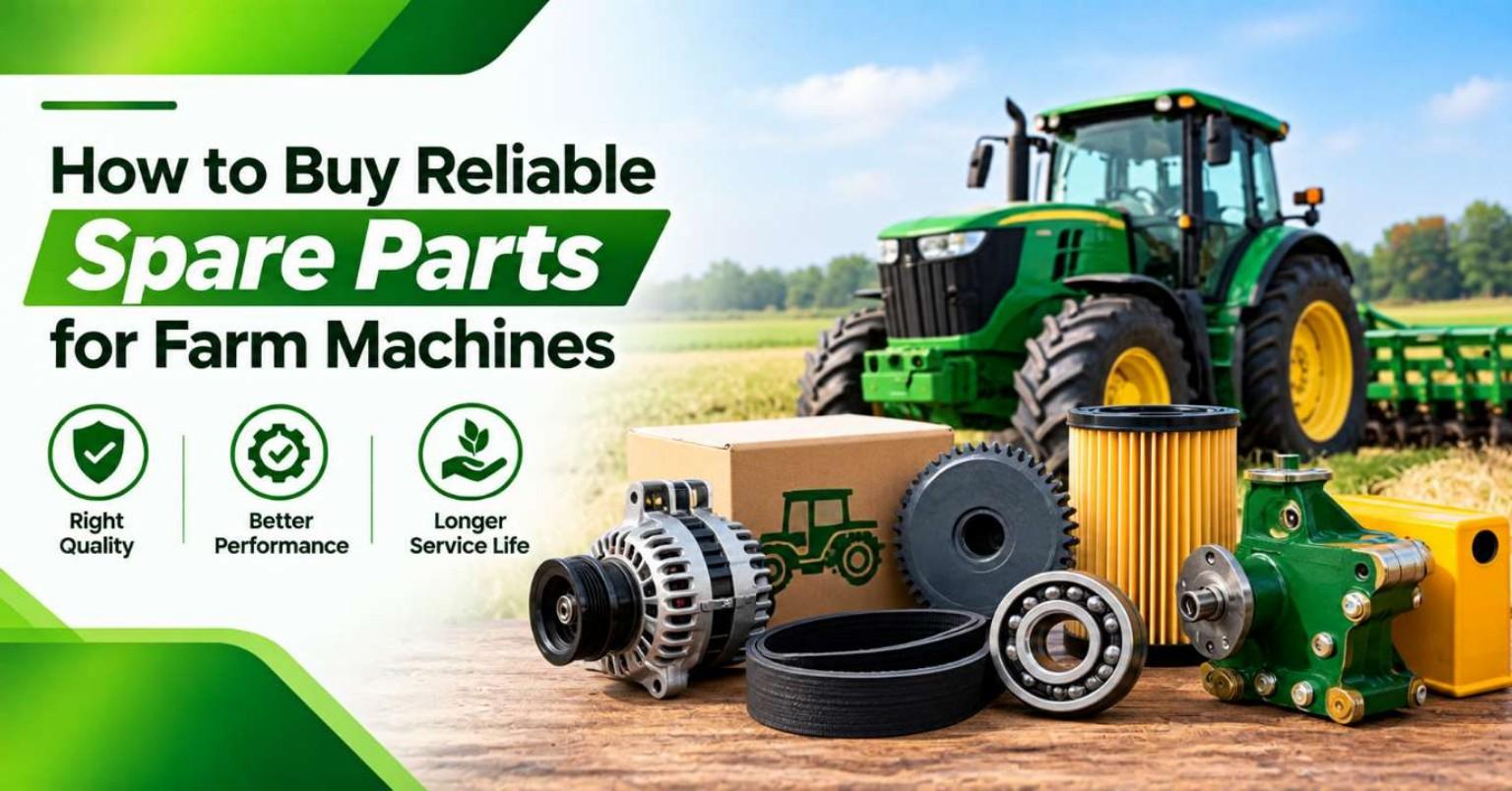
Farm machines play an important role in completing agricultural work on time. Tractors, threshers, harvesters, cultivators, and other equipment often work for long hours and under difficult conditions. Dust, heat, mud, heavy loads, and continuous movement can gradually wear out different components. When a part finally needs replacement, buying the right spare part becomes important for keeping the machine working without unnecessary delays.
However, choosing reliable spare parts is not always as simple as picking the first product available. Different machines require different components, and even parts that look similar may have different sizes, materials, or specifications. A wrong or poor-quality replacement can affect machine performance and may lead to repeated repairs.
For farmers, mechanics, and first-time buyers, knowing what to check before purchasing can make the process much easier. From identifying the correct machine model to checking quality and fitment, a few simple steps can help you buy farm machinery spare parts with greater confidence.
A spare part is not just a replacement for a damaged component. It becomes part of the machine's working system and can affect the performance of other connected components.
For example, a poor-quality bearing can increase friction, while an unsuitable belt may slip and reduce power transmission. A low-quality filter may not provide effective filtration, and an incorrect hydraulic seal can cause oil leakage.
Reliable spare parts can help support:
The right part can also reduce downtime during important farming and harvesting periods.
The first step before buying any farm machinery spare part is to identify the machine correctly.
Tractors, threshers, JCB machines, and agricultural implements are available in many models. Components can vary between models even when the machines are from the same manufacturer.
Note the machine model, serial number, engine details, manufacturing information, and other available identification details.
Providing this information to a spare parts supplier can make it easier to find a suitable component.
The original part number is another useful way to identify a replacement component.
Many spare parts have numbers printed, stamped, or marked on them. Record this information before the old component is discarded.
Compare the original number with the replacement part details. If the number has changed, confirm whether the new number is an updated or compatible version.
For older farm machines, professional guidance can be especially helpful because replacement numbers may differ from those originally used.
Correct dimensions are essential for proper fitment.
Depending on the component, important measurements may include length, width, diameter, thickness, thread size, number of teeth, or mounting dimensions.
A component that is only slightly different in size may not work correctly.
Do not choose a spare part only because it looks similar to the old one. Compare measurements and specifications whenever possible.
The material used to manufacture a spare part can affect its strength and service life.
Parts such as gears, bearings, shafts, pins, bushes, hydraulic components, and other working parts may experience significant loads and friction.
Before purchasing, consider whether the component is suitable for the intended application and operating conditions.
A well-made component can provide better durability than an unsuitable low-cost alternative.
How a machine is used can affect which spare parts are suitable.
A tractor used for heavy ploughing and towing may experience more stress than one used for light field operations. Similarly, a thresher used continuously during harvest may require components designed for demanding working conditions.
Consider factors such as:
Choosing components according to actual usage can help improve their service life.
Correct fitment is one of the most important factors when purchasing spare parts.
A component that does not fit properly may create vibration, leakage, uneven wear, or poor performance.
Before installation, compare the replacement part with the old component and check mounting points, dimensions, connections, and other relevant details.
If there is any doubt about compatibility, confirm it with a mechanic or reliable supplier before installing the component.
Some farm machinery components naturally require more frequent replacement because they experience regular wear.
These may include filters, belts, bearings, seals, bushes, brake components, hoses, and other moving or service parts.
Because these components are replaced regularly, it can be tempting to select the cheapest available option. However, quality still matters.
A durable replacement can reduce the frequency of repairs and help prevent related component damage.
The supplier you choose can make a major difference in the buying process.
A reliable supplier should provide clear information about the part, including compatibility, specifications, and application.
They should also be able to help identify the correct component when the buyer is unsure.
Gropart offers spare parts for tractors, JCB machines, threshers, and other agricultural machinery applications. Farmers and mechanics can use accurate machine details to find suitable replacement components for their equipment.
Price is an important part of any maintenance budget, but it should not be the only deciding factor.
A very cheap spare part may have a shorter service life or may not match the required specifications. If it fails quickly, the total cost can become higher because of repeated replacement, labour, and machine downtime.
Instead, compare the overall value of the component by considering quality, compatibility, construction, expected service life, and supplier reliability.
First-time buyers should not hesitate to ask questions before purchasing.
Useful information can include the part number, compatible machine models, dimensions, material, application, and installation requirements.
Clear product information helps buyers avoid confusion and reduces the chances of ordering an unsuitable component.
If a supplier cannot provide basic information about the part, it may be better to verify the product before making the purchase.
When the spare part arrives, inspect it before installation.
Look for visible cracks, dents, deformation, corrosion, damaged threads, or other defects.
Compare it with the original component and check the dimensions and connection points.
If anything appears incorrect, resolve the issue before fitting the part to the machine.
Even a reliable spare part can fail early if it is installed incorrectly.
Some components require proper alignment, correct tightening, specific tools, or particular installation procedures.
For simple service parts, trained operators may be able to complete the replacement. For complex repairs involving engines, transmissions, hydraulics, or other critical systems, professional installation is generally recommended.
Correct installation helps the new component work as intended.
Buying quality spare parts is only one part of good maintenance.
Farmers should also inspect machines regularly, follow service schedules, maintain suitable oil and fluid levels, and replace worn components before they fail completely.
Keeping a small record of replaced parts can also help track maintenance history.
This can be especially useful for machines that work for long hours during busy farming seasons.
If replacement parts are purchased in advance, they should be stored properly.
Keep components in a clean and dry place away from moisture, direct sunlight, chemicals, and unnecessary dust.
Small components such as seals, bearings, filters, and belts should remain in suitable packaging until they are required.
Proper storage can help prevent damage before the part is even installed.
Waiting until a machine breaks down during peak agricultural work can create unnecessary delays.
Before planting, harvesting, or other busy periods, inspect commonly worn components and keep essential replacement parts available when practical.
Checking belts, filters, bearings, hoses, and other frequently replaced items in advance can make seasonal maintenance easier.
Buying reliable spare parts for farm machines requires a little more attention than simply finding a component at the lowest price. Farmers and mechanics should first identify the exact machine model, check the original part number, verify dimensions, and confirm fitment before purchasing.
The working environment and workload should also be considered because heavy-duty agricultural operations can place greater stress on machine components. Choosing quality parts from a reliable supplier can help reduce repeated repairs and unnecessary downtime.
Whether you need tractor spare parts, JCB components, thresher parts, or other agricultural machinery spares, always focus on compatibility, quality, and long-term value. With proper selection, correct installation, and regular maintenance, spare parts from Gropart can help farmers and mechanics keep their machines dependable and ready for demanding agricultural work.
Learn how to choose the right tractor radiator by checking compatibility, size, material, build quality, cooling requirements, warranty and maintenance needs.
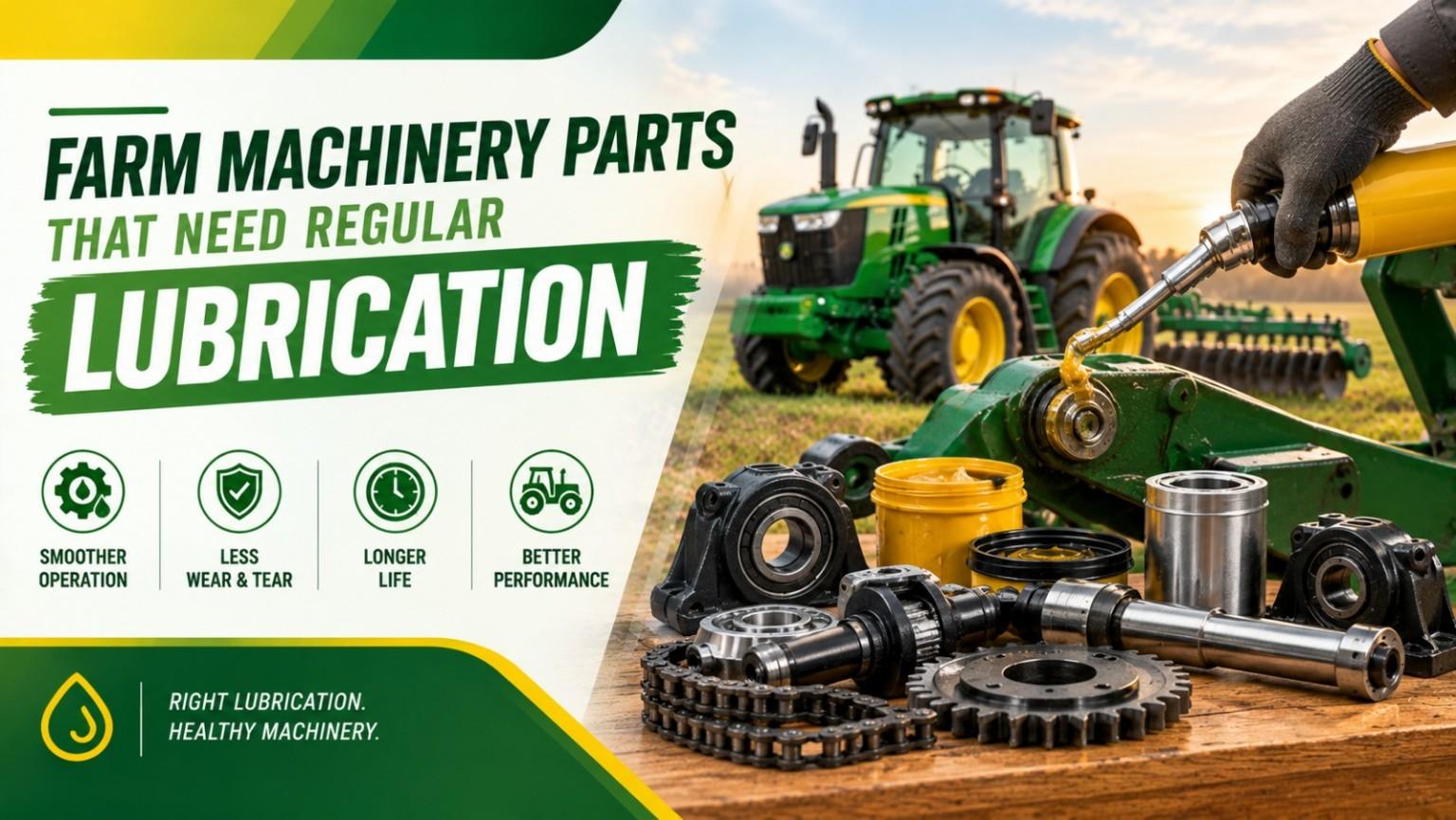
Learn which farm machinery parts need regular lubrication, including tractor bearings, PTO components, bushes, pins, chains, gears, wheel bearings and more.
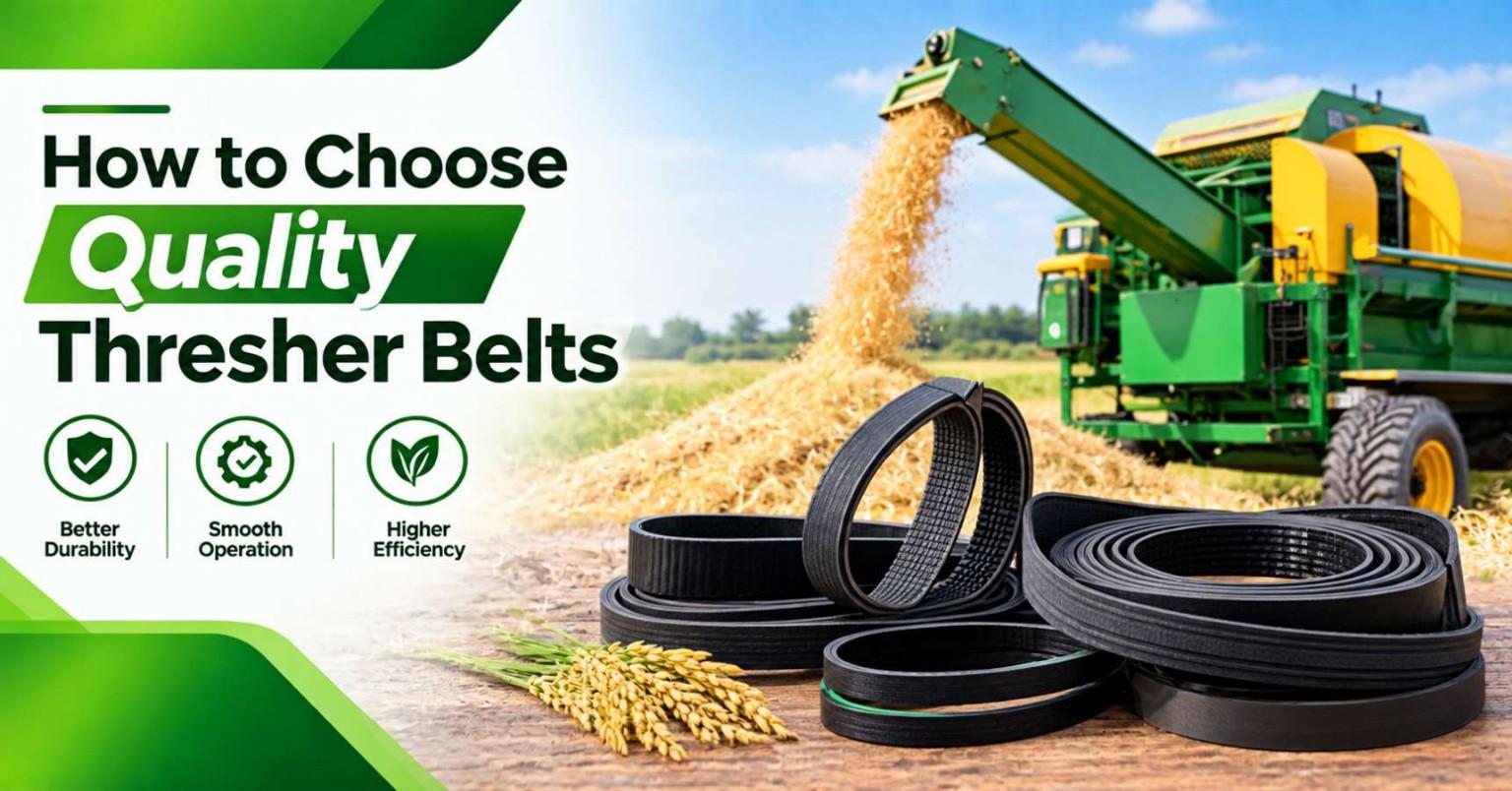
Learn how to choose quality thresher belts by checking size, profile, construction, load, heat resistance, compatibility, tension and belt wear.
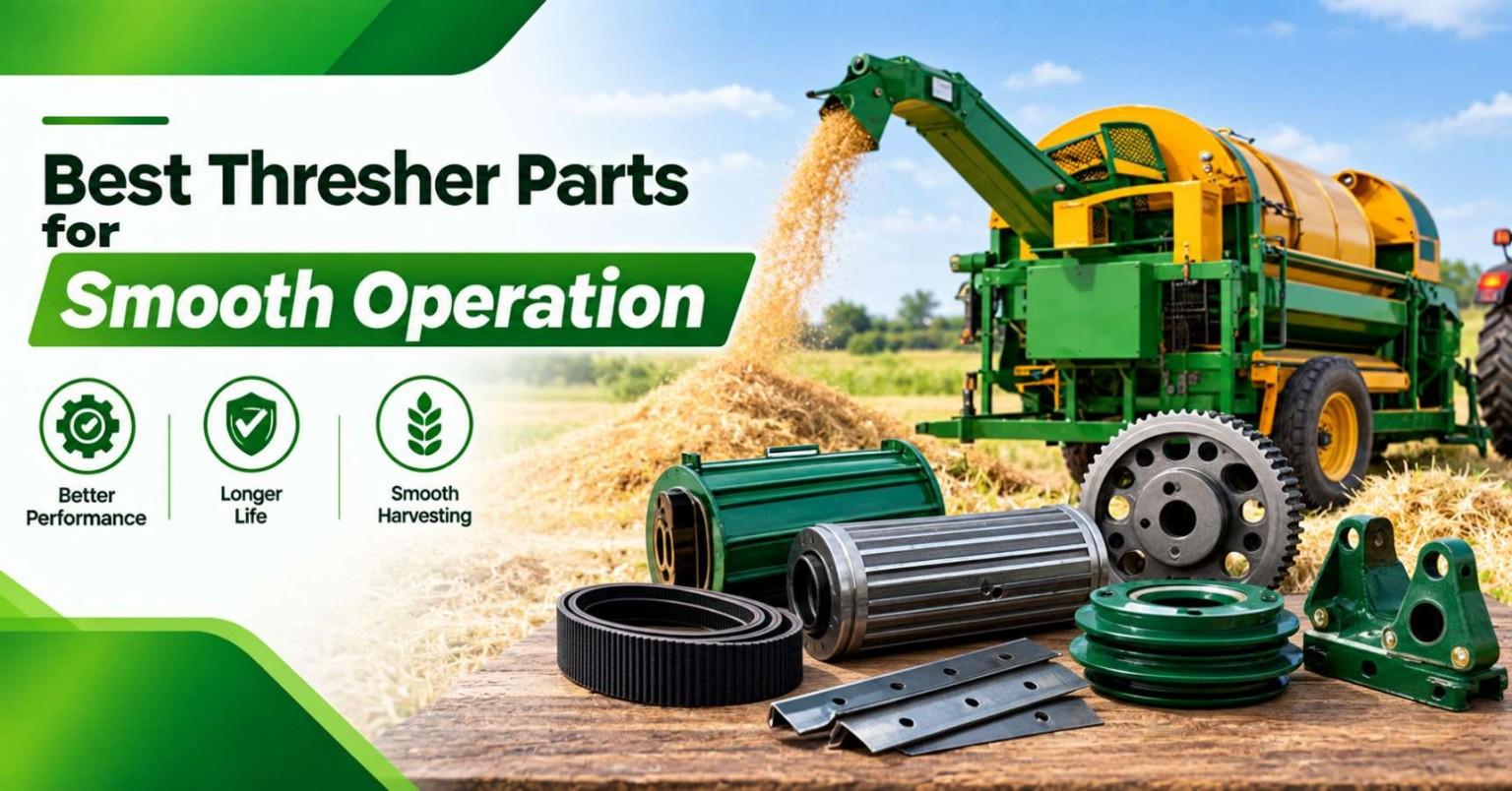
Learn about essential thresher spare parts including drums, beaters, bearings, belts, pulleys, shafts, sieves and filters for smooth machine operation