
Learn about common tractor oil pump problems, including low oil pressure, oil leaks, clogged filters, and worn component...
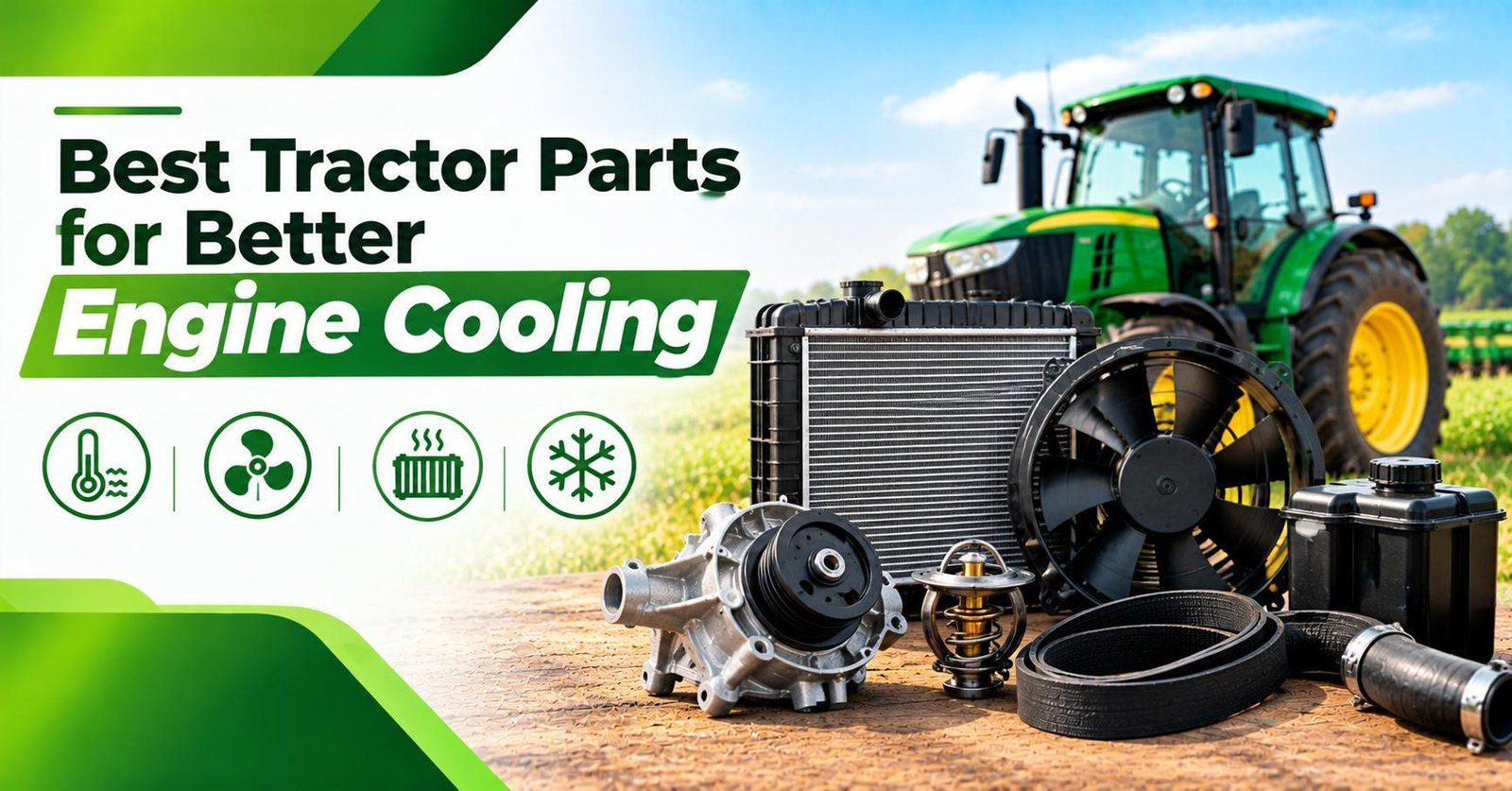
A tractor engine produces a significant amount of heat while working in the field. Activities such as ploughing, tilling, harvesting, and pulling heavy loads put extra pressure on the engine. If this heat is not controlled properly, the tractor may overheat, lose performance, or develop costly mechanical problems.
The engine cooling system helps maintain a suitable operating temperature and supports reliable tractor performance. However, effective cooling depends on several components working together. The radiator, water pump, thermostat, cooling fan, hoses, and other parts all play an important role.
Choosing the right tractor parts and maintaining them regularly can help reduce overheating problems and keep your tractor ready for demanding agricultural work. In this blog, we will discuss the best tractor parts for better engine cooling, their functions, and what to check when selecting replacements.
Tractors often operate for long hours in dusty fields and hot weather. During heavy work, the engine generates more heat, making an efficient cooling system essential.
If the engine becomes too hot, its components may experience excessive stress. Continued overheating can damage seals, affect lubrication, and lead to serious engine repairs.
A properly maintained cooling system helps the engine operate within its recommended temperature range. It can also reduce unnecessary downtime and support consistent performance during important farming activities.
Understanding the function of each cooling system component makes it easier to identify problems and choose suitable replacement parts.
The radiator is one of the most important parts of a tractor's engine cooling system. It removes heat from the coolant before the liquid returns to the engine.
Hot coolant flows through the radiator core, while air passes over its fins. This process transfers heat away from the coolant and helps lower its temperature.
A damaged, blocked, or poorly performing radiator can reduce cooling efficiency. Dust, dry mud, crop residue, and damaged fins may restrict airflow and prevent the radiator from releasing heat effectively.
When choosing a replacement tractor radiator, check the tractor model, dimensions, mounting points, hose connections, and original part number where available. The radiator must match the engine's cooling requirements.
Regularly cleaning the radiator fins and checking for coolant leaks can also help maintain proper cooling performance.
The water pump circulates coolant through the engine and radiator. Without proper circulation, heat may build up inside the engine, especially when the tractor is working under a heavy load.
A worn or damaged water pump can cause overheating, coolant leakage, unusual noises, and circulation problems.
When selecting a replacement, check the pump's compatibility with your tractor model. Pay attention to the mounting arrangement, pulley design, connections, and manufacturer specifications.
It is also important to inspect the pump drive belt, where applicable. A loose, damaged, or slipping belt can affect pump operation even if the pump itself is still in good condition.
If the tractor overheats repeatedly, have the entire cooling system inspected before assuming that the water pump is the only problem.
The thermostat controls coolant flow according to engine temperature. When the engine is cold, it helps the engine warm up. As the engine reaches its designed operating temperature, the thermostat opens to allow greater coolant flow through the radiator.
A faulty thermostat can remain closed or fail to open sufficiently, restricting coolant flow and causing overheating. If it remains open, the engine may take longer to reach its normal operating temperature.
Both conditions can affect engine operation.
Choose a thermostat that matches the tractor manufacturer's specifications, including the correct temperature rating and fitment. Installing an unsuitable thermostat may interfere with the intended cooling system operation.
If the engine temperature changes unexpectedly, a mechanic can test the thermostat and check for other possible causes.
The cooling fan moves air through the radiator, helping release heat from the coolant. It becomes especially important when the tractor is working at low speeds, when natural airflow may be limited.
A damaged fan, loose connection, worn drive belt, or faulty fan clutch in systems that use one can reduce airflow and contribute to overheating.
Before replacing the fan, inspect its blades for cracks, bending, or other damage. Also, check that the fan is correctly fitted and operates according to the tractor's design.
When buying a replacement tractor cooling fan, confirm the blade design, dimensions, mounting points, and compatibility with the original system.
Never inspect or handle a fan while the engine is running. Always switch off the tractor and allow moving components to stop before carrying out checks.
Radiator hoses carry coolant between the engine, radiator, and other cooling system components. Clamps help secure the hoses and prevent coolant from leaking at the connections.
Over time, hoses may become cracked, swollen, hardened, or weak. Clamps can also loosen or corrode, allowing coolant to escape.
A damaged hose may cause coolant loss and increase the risk of overheating. Even a small leak can become a bigger problem during long hours of fieldwork.
Inspect hoses for visible damage, leakage, and signs of deterioration. Replace worn hoses with the correct size and type for your tractor.
Choose suitable clamps that provide a secure fit without damaging the hose. Always confirm that the connections are properly installed after maintenance.
The radiator cap helps maintain the pressure specified for the cooling system. Proper pressure raises the coolant's boiling point and supports effective cooling under normal operating conditions.
A faulty cap may fail to maintain the correct pressure or allow coolant to escape through the overflow system. This can contribute to coolant loss and overheating.
When selecting a replacement radiator cap, check the pressure rating and fitment recommended for your tractor. A cap that looks similar may not have the correct specifications.
If coolant repeatedly escapes from the overflow, do not replace the cap without checking for other possible causes. A mechanic can inspect the cap and the rest of the cooling system to identify the problem.
Safety tip: Never remove the radiator cap while the engine is hot. The cooling system may be pressurised, and hot coolant or steam can cause serious burns.
In many tractors, belts help drive components such as the water pump and cooling fan. If a belt becomes loose, worn, cracked, or damaged, these components may not operate as intended.
A slipping belt can reduce coolant circulation or airflow, depending on the tractor's design. It may also produce squealing noises or show visible signs of wear.
Check belt condition and tension according to the manufacturer's recommendations. Replace belts that are damaged or excessively worn, and confirm that the replacement matches the correct length and specification.
Avoid tightening a belt more than recommended, as excessive tension can place unnecessary strain on bearings and related components.
Although coolant is not a mechanical spare part, using the correct coolant is essential for proper engine cooling. The recommended coolant helps transfer heat and may provide protection against corrosion and freezing, depending on the formulation.
Using an unsuitable mixture or neglecting coolant replacement can contribute to deposits, corrosion, and cooling system problems.
Follow the tractor manufacturer's instructions for coolant type, concentration, and service intervals. Do not assume that every coolant product is compatible with every tractor.
Seals and gaskets are also important because they prevent coolant from leaking from connected components. Worn seals around the water pump or other cooling system parts should be inspected and replaced when necessary.
Choosing compatible, good-quality parts helps maintain reliable engine cooling. Before purchasing any replacement component, check the following factors:
Gropart provides spare parts for tractors, JCB machines, threshers, and other agricultural machinery applications. When sourcing tractor cooling components, review the available product information and confirm that the selected part matches your tractor's requirements.
Good-quality parts work best when the cooling system receives regular maintenance. Simple checks can help identify developing problems before they cause major breakdowns.
Clean dust and crop residue from the radiator fins regularly, especially when working in dry or dusty fields. Check coolant levels when the engine is completely cool and look for signs of leakage around hoses, clamps, and the water pump.
Monitor the temperature gauge while operating the tractor. If the engine temperature rises above its normal range, stop safely and investigate the cause rather than continuing heavy work.
Follow the recommended service schedule and use the correct coolant. If overheating continues after basic checks, ask a qualified mechanic to inspect the thermostat, radiator, pump, fan, and other cooling system components.
Better engine cooling is essential for maintaining tractor performance, protecting engine components, and reducing unexpected downtime. The radiator, water pump, thermostat, cooling fan, radiator hoses, radiator cap, belts, and seals all contribute to the proper operation of the cooling system.
Selecting the right replacement parts begins with checking your tractor's specifications and identifying the actual cause of any cooling problem. Regular inspections, correct coolant use, and timely replacement of worn components can help keep the engine operating within its recommended temperature range.
For reliable tractor operation, pay attention to the condition of every cooling system component instead of focusing on just one part. The right parts, combined with consistent maintenance, can help your tractor handle demanding fieldwork more effectively.
1. Which tractor parts are most important for engine cooling?
The radiator, water pump, thermostat, cooling fan, radiator hoses, and radiator cap are among the main components involved in engine cooling.
2. Why does my tractor overheat during heavy work?
Possible causes include a blocked radiator, low coolant, a faulty water pump, a damaged fan belt, a malfunctioning thermostat, or restricted airflow. A proper inspection can identify the cause.
3. How often should tractor coolant be replaced?
The replacement interval depends on the tractor model and the coolant type. Follow the manufacturer's service schedule and use the recommended coolant.
4. Can a damaged radiator hose cause engine overheating?
Yes. A damaged or leaking hose can reduce coolant levels and interfere with cooling system operation, increasing the risk of overheating.
5. How can I choose the right tractor cooling spare parts?
Check your tractor's make, model, manufacturing year, original part number, and component specifications. Confirm compatibility with a reliable spare parts supplier before purchasing.
शेयर करें:
Learn about common tractor oil pump problems, including low oil pressure, oil leaks, clogged filters, and worn component...
Learn how to choose the right tractor fuel pump by checking compatibility, specifications, quality and installation requ...
Learn the common signs of tractor water pump failure, including overheating, coolant leaks, unusual noises, and poor cir...
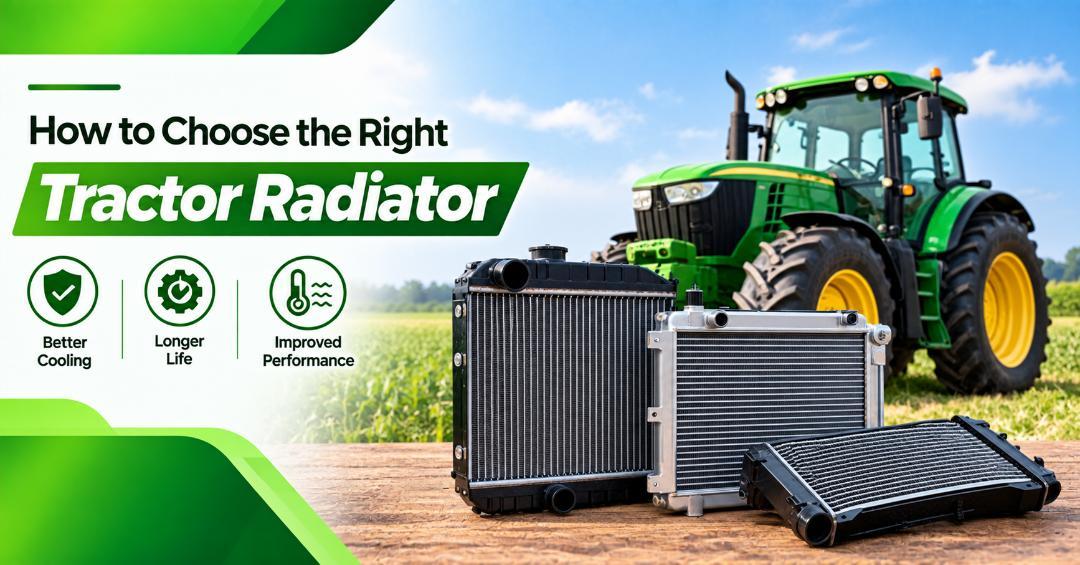
Learn how to choose the right tractor radiator by checking compatibility, size, material, build quality, cooling require...