
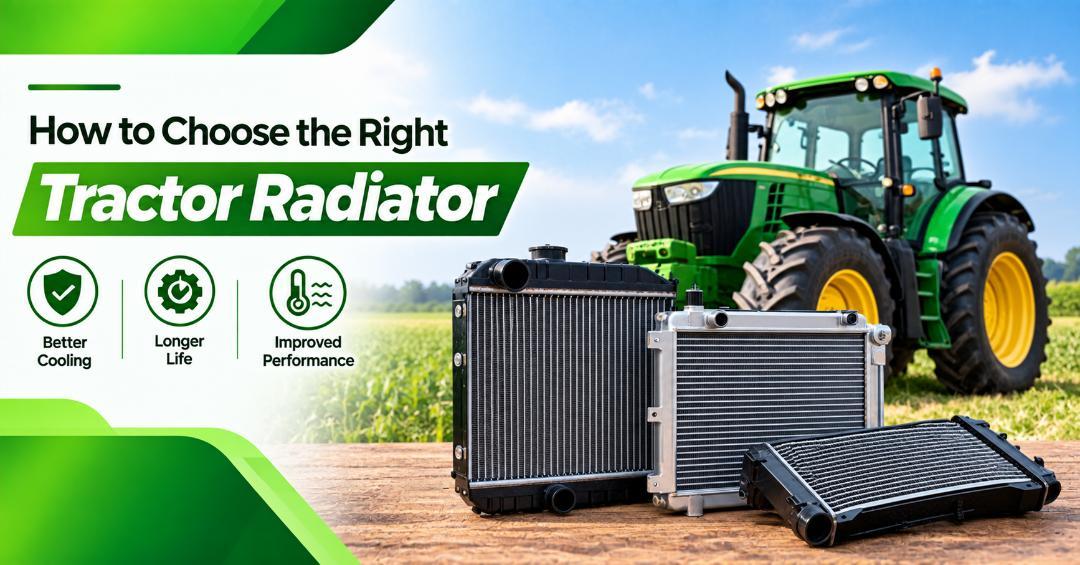
Learn how to choose the right tractor radiator by checking compatibility, size, material, build quality, cooling require...
COD उपलब्ध नहीं है। हम केवल प्रीपेड ऑर्डर में काम करते हैं और पूरे भारत में शिपिंग करते है. COD is not available. We work in prepaid orders only and shipping PAN India.
X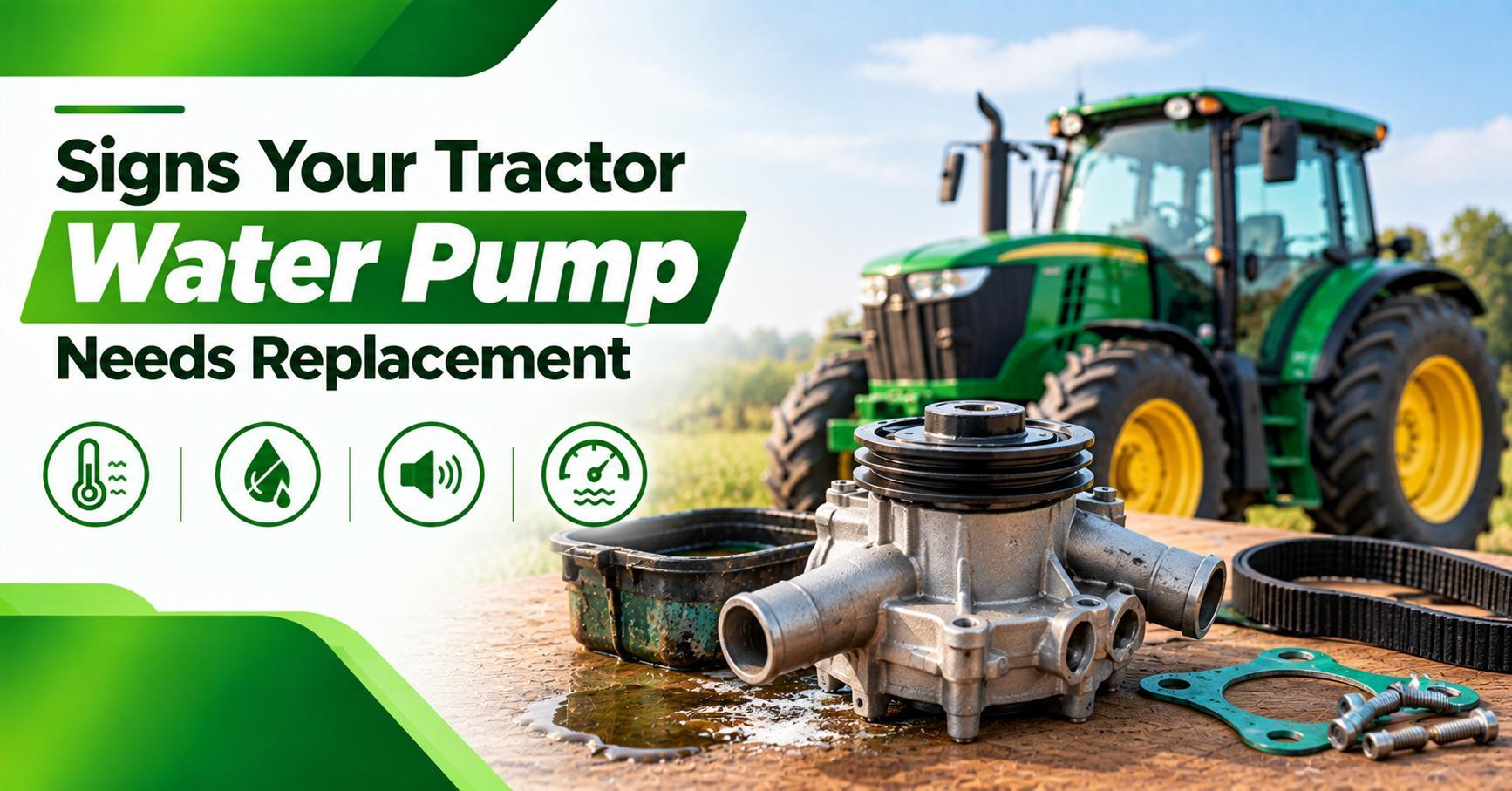
A tractor's engine works under demanding conditions, especially during ploughing, cultivation, harvesting, and other agricultural activities. During these operations, the engine produces heat that must be controlled to keep the tractor running properly. The water pump plays an important role in this process by circulating coolant through the engine and radiator.
When the tractor water pump starts wearing out or stops working correctly, the cooling system may not be able to control engine temperature effectively. Ignoring the early warning signs can lead to overheating, costly repairs, and unexpected downtime during important farming work.
Knowing the signs of a failing tractor water pump helps farmers and mechanics identify problems early and take the right action. In this blog, we will explain the common symptoms of water pump failure, its possible causes, and when replacement may be necessary.
A tractor water pump circulates coolant between the engine and radiator. As the engine operates, coolant absorbs heat from the engine and carries it to the radiator, where the heat is released into the surrounding air.
The cooled liquid then returns to the engine, and the process continues while the cooling system operates.
A properly working water pump helps maintain a suitable engine temperature during both light and heavy work. If the pump becomes damaged, coolant circulation may decrease or stop, increasing the risk of engine overheating.
Although the component is often called a water pump, many modern cooling systems use a mixture of water and antifreeze coolant rather than plain water. Always follow the coolant recommendations provided by the tractor manufacturer.
One of the most common signs of a failing tractor water pump is frequent engine overheating. If the pump cannot circulate coolant properly, heat may build up inside the engine.
You may notice the temperature gauge rising above its normal operating range, particularly when the tractor is working under a heavy load or running for long periods.
However, overheating does not always mean the water pump is faulty. Low coolant levels, a blocked radiator, a damaged thermostat, a faulty fan, or a loose drive belt can cause similar problems.
What to do: Stop the tractor safely if the engine temperature becomes too high. Allow the engine to cool completely before checking the cooling system. If overheating continues, arrange an inspection by a qualified mechanic.
Coolant leakage near the water pump is another warning sign. The pump contains seals and gaskets that help prevent coolant from escaping. Over time, these parts may wear out, become damaged, or lose their ability to seal properly.
Look for wet areas, coloured coolant stains, or dried deposits around the pump housing and nearby connections. You may also notice that the coolant level drops repeatedly even after topping it up.
A leaking hose or loose connection can sometimes look like a faulty water pump, so the exact source of the leak should be confirmed before replacing any part.
If the pump's internal seal or housing is damaged, repair or replacement may be required, depending on the pump design and the extent of the damage.
A worn water pump bearing can produce unusual sounds while the engine is running. These noises may include grinding, squealing, rattling, or whining.
The sound may become more noticeable as engine speed increases. In some cases, a damaged bearing can also cause the pump shaft to become loose or rotate unevenly.
Do not ignore persistent noise coming from the water pump area. If the bearing fails completely, the pump may stop circulating coolant correctly. Depending on the belt arrangement, a damaged pump can also affect other components driven by the same belt.
Turn off the engine and arrange a professional inspection if you notice unusual mechanical noises. Avoid placing your hands near moving belts, pulleys, or fans while the engine is running.
Steam rising from the engine compartment can indicate that the engine is overheating or coolant is escaping from the cooling system.
If the water pump is damaged, poor coolant circulation or leakage may contribute to excessive engine temperature. You may notice steam near the radiator, hoses, or water pump housing.
However, steam can also result from radiator leaks, damaged hoses, or other cooling system faults.
If steam appears, stop the tractor in a safe location and switch off the engine. Never remove the radiator cap while the engine is hot because pressurised coolant and steam can cause serious burns.
Let the engine cool completely and have the cooling system checked before restarting the tractor.
A water pump must circulate coolant at the rate required by the engine's cooling system. When the pump impeller becomes damaged, corroded, or worn, coolant flow may become insufficient.
This can lead to overheating, uneven cooling, or recurring temperature problems during fieldwork.
A damaged pump may not always show an external leak or produce unusual noise. In some cases, the problem develops internally and becomes noticeable only when the tractor is operating under load.
A mechanic can inspect the pump and check for circulation problems, damaged impeller components, or restrictions elsewhere in the cooling system.
Do not assume that every circulation problem is caused by the pump. Blocked passages, a faulty thermostat, and other cooling system issues should also be considered.
Regular inspection can reveal physical damage before the water pump fails completely. Look for corrosion, cracks, damaged mounting areas, coolant deposits, or signs of leakage around the pump housing.
Corrosion can develop when the cooling system is not maintained correctly or when unsuitable coolant is used. Poor maintenance may also contribute to damage to internal pump components.
A cracked housing or badly damaged mounting point may require pump replacement rather than a simple repair.
If you notice visible damage, have the component inspected before continuing heavy tractor work. Replacing a damaged part at the right time can help prevent further problems.
In tractors that use a belt-driven water pump, the pulley helps transfer engine power to the pump. If the pump bearing becomes worn, the pulley may develop excessive movement or wobble.
A damaged pulley or bearing can also affect belt alignment and contribute to belt noise, slipping, or unusual wear.
These symptoms should be checked promptly because the pump may not operate correctly if the belt drive is damaged. A loose or worn belt can also cause cooling problems even when the pump itself is still in good condition.
A mechanic can check the pulley, bearing, belt tension, and alignment to identify the actual cause.
Understanding the causes of water pump failure can help you maintain the tractor's cooling system more effectively.
Common reasons include:
Regular inspections and following the tractor manufacturer's service schedule can help identify these problems before they lead to major breakdowns.
Water pump replacement depends on the condition of the pump, the tractor model, and the manufacturer's maintenance recommendations. There is no single replacement interval that applies to every tractor.
Replacement may be necessary when the pump has a damaged bearing, a cracked housing, a failed seal that cannot be repaired, or an impeller that no longer works correctly.
Before buying a replacement, confirm the tractor's make, model, manufacturing year, and original water pump part number, if available. Check the mounting points, pulley arrangement, dimensions, and other specifications to ensure proper fitment.
Choosing a compatible replacement helps reduce installation problems and supports reliable cooling system performance.
Gropart provides spare parts for tractors, JCB machines, threshers, and other agricultural machinery applications. When sourcing a tractor water pump, review the available product details and confirm compatibility with your specific tractor before purchasing.
Simple maintenance practices can help keep the water pump and cooling system in good condition.
Always inspect the cooling system when the engine is switched off and completely cool. If you are unsure how to check a component safely, consult a qualified mechanic.
The tractor water pump is an essential part of the engine cooling system. Frequent overheating, coolant leakage, unusual noises, steam, poor coolant circulation, visible damage, and pulley movement can all indicate a possible water pump problem.
These symptoms do not always confirm pump failure, so the entire cooling system should be inspected before replacing a component. Early diagnosis can help prevent further damage, reduce repair expenses, and minimise unexpected tractor downtime.
When replacement is necessary, choose a water pump that matches your tractor's specifications and working requirements. Combined with regular maintenance and timely inspections, the right replacement part can help keep your tractor ready for demanding agricultural operations.
1. What are the main signs of a failing tractor water pump?
Common signs include engine overheating, coolant leakage, unusual noises, steam from the engine area, poor coolant circulation, and excessive movement of the pump pulley.
2. Can I drive a tractor with a faulty water pump?
Operating a tractor with a faulty water pump can cause serious engine overheating and damage. Stop using the tractor if overheating occurs and have the cooling system inspected before continuing work.
3. How long does a tractor water pump last?
Its service life depends on the tractor model, operating hours, coolant quality, maintenance practices, and working conditions. Follow the manufacturer's recommendations and replace the pump when its condition requires it.
4. Does a leaking water pump always need replacement?
Not always. The cause may be a seal, gasket, hose, or connection. Some faults may be repairable, while a damaged housing or severely worn pump may require replacement.
5. How do I choose the correct replacement water pump for my tractor?
Check the tractor's make, model, manufacturing year, original part number, mounting arrangement, and pump specifications. Confirm compatibility with a reliable spare parts supplier before purchasing.
शेयर करें:
Learn how to choose the right tractor radiator by checking compatibility, size, material, build quality, cooling require...
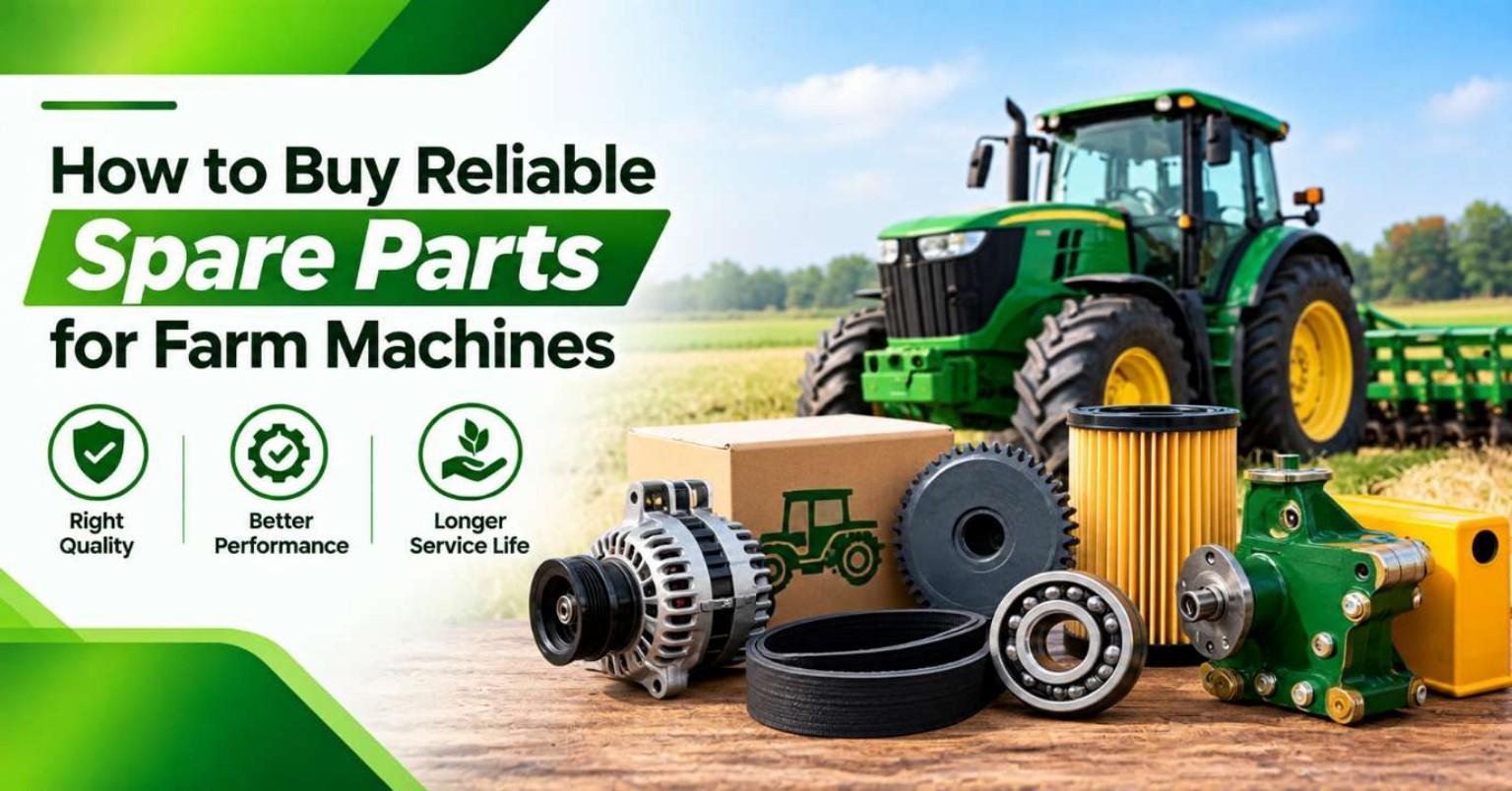
Learn how to buy reliable farm machinery spare parts by checking machine models, part numbers, dimensions, quality, fitm...
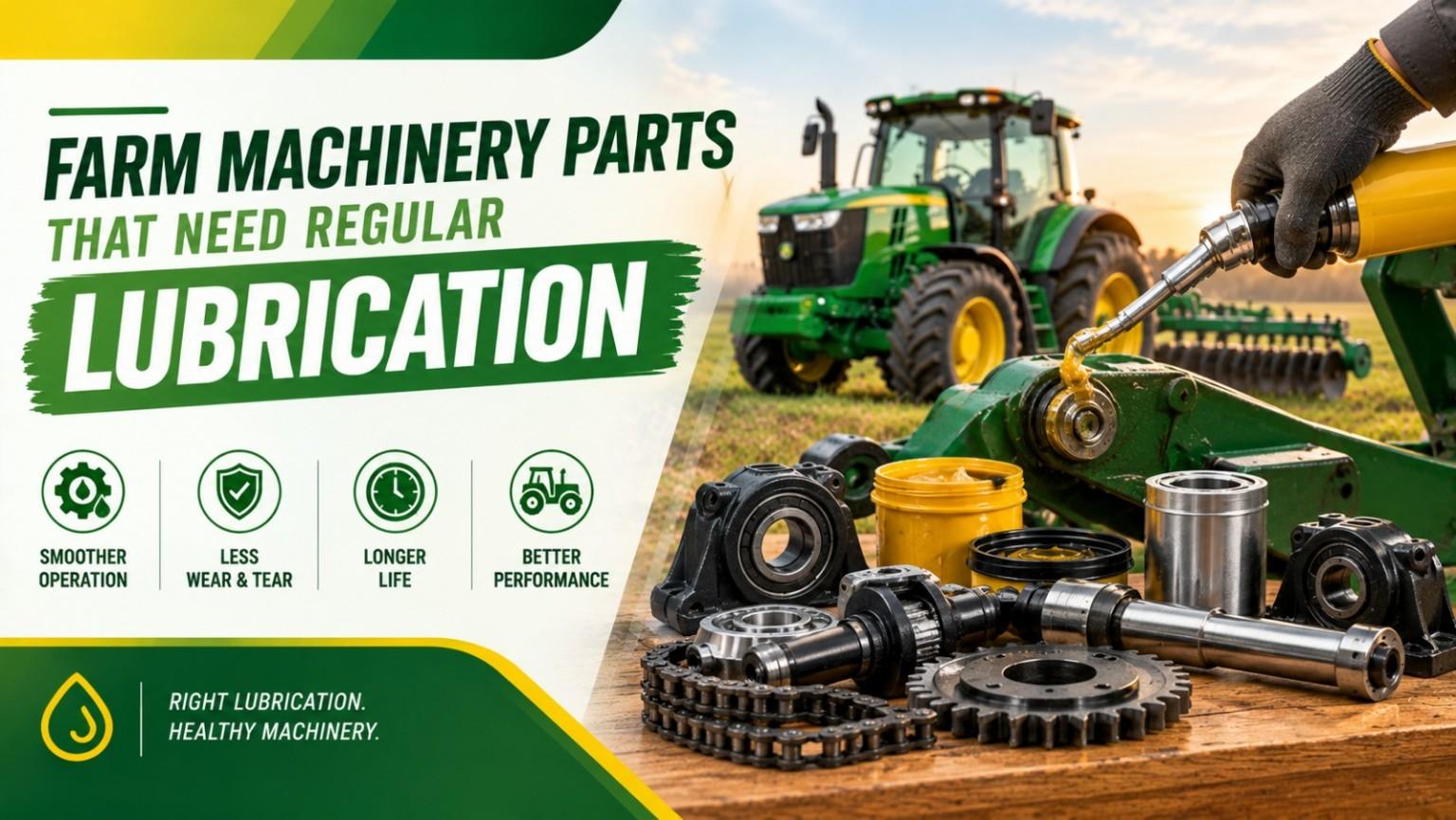
Learn which farm machinery parts need regular lubrication, including tractor bearings, PTO components, bushes, pins, cha...
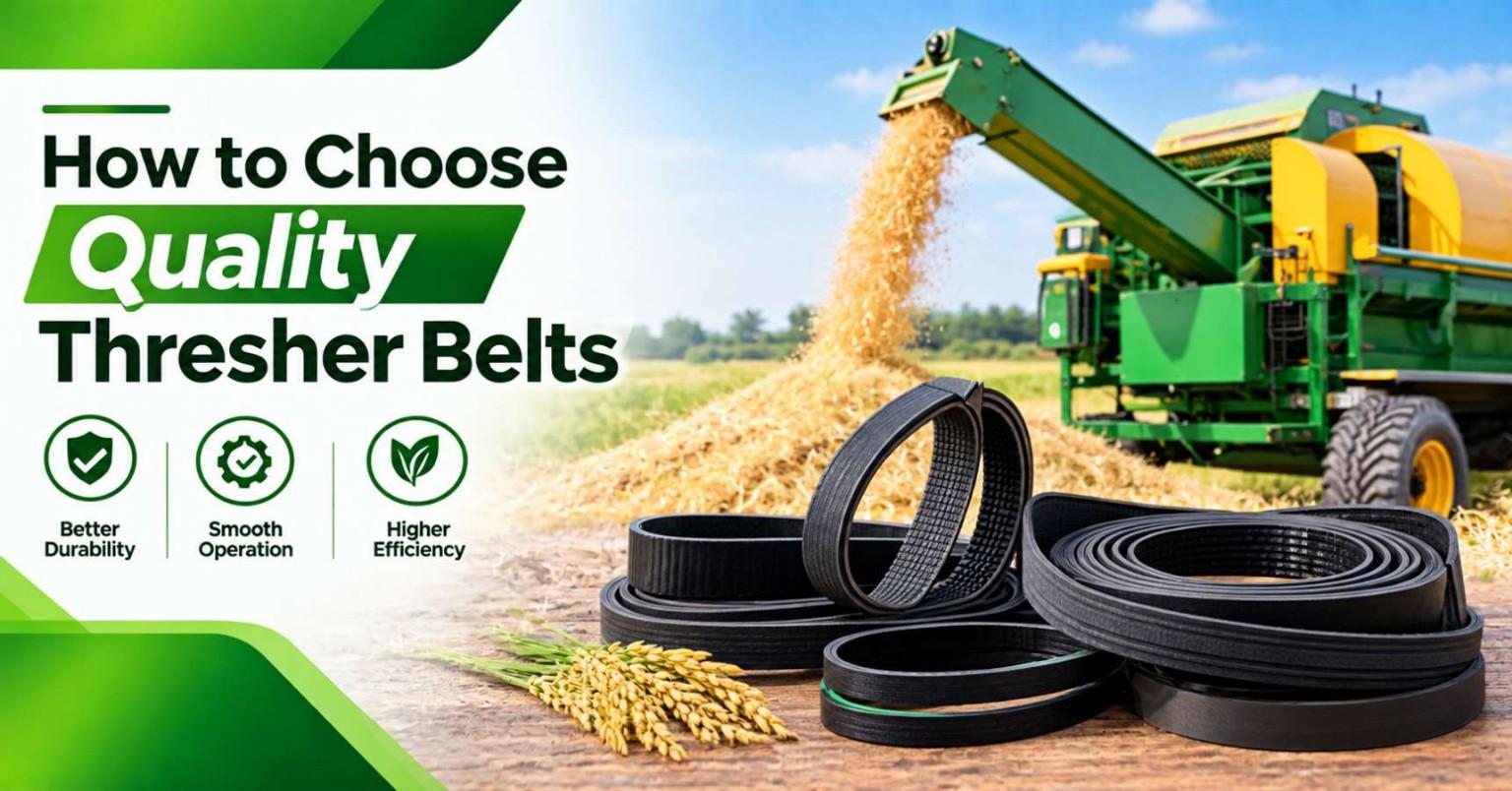
Learn how to choose quality thresher belts by checking size, profile, construction, load, heat resistance, compatibility...