 English

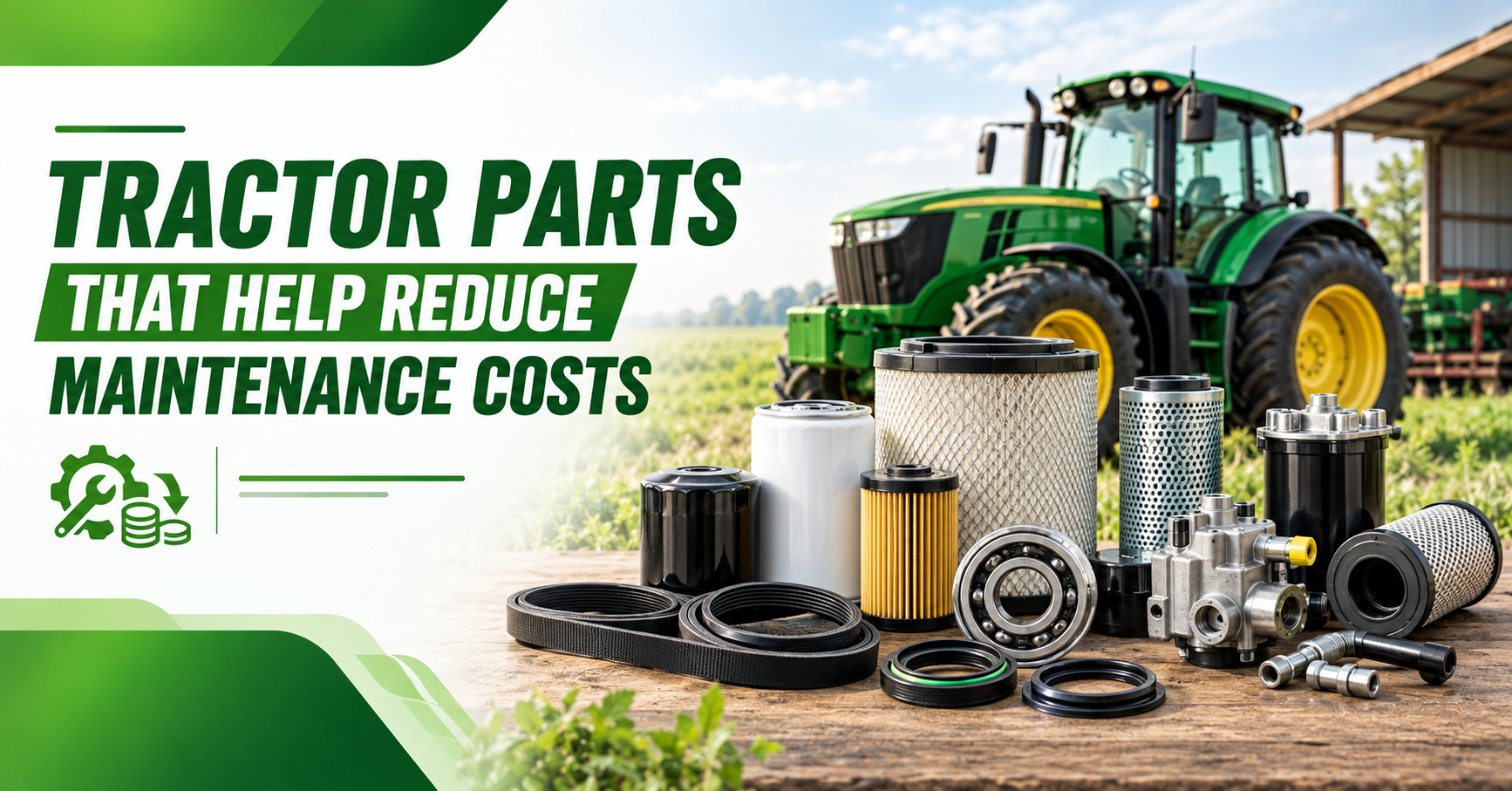
Discover how quality tractor parts like filters, bearings, belts, seals and hydraulic components can reduce maintenance costs and prevent costly repairs
COD उपलब्ध नहीं है। हम केवल प्रीपेड ऑर्डर में काम करते हैं और पूरे भारत में शिपिंग करते है. COD is not available. We work in prepaid orders only and shipping PAN India.
X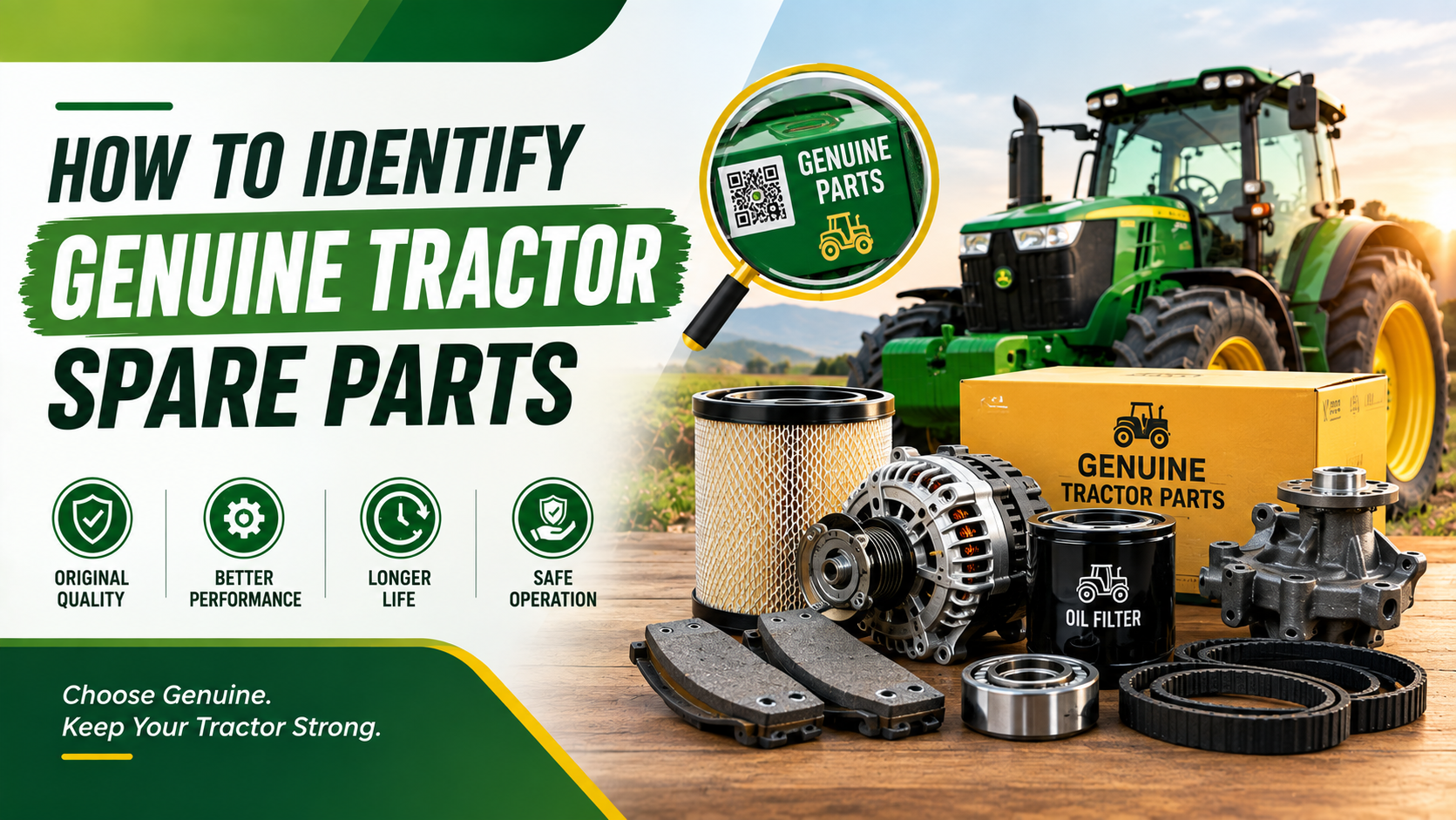 Tractor spare parts play an important role in keeping farm machines reliable and ready for daily work. From filters and bearings to clutch components, hydraulic parts, belts, and engine components, every part has a specific job. When a component becomes worn or damaged, replacing it on time can prevent bigger problems.
However, finding the right replacement is not always as simple as choosing the cheapest option. The spare parts market includes genuine, compatible, aftermarket, and poor-quality products. Some low-quality parts may look almost identical to better products, making it difficult for first-time buyers to identify the difference.
Using the wrong or poorly manufactured component can lead to early wear, reduced tractor performance, and repeated repairs. This is why farmers and mechanics should know how to identify genuine tractor spare parts before making a purchase.
Genuine or properly specified replacement parts are designed to meet the requirements of the tractor and its particular system. When a component matches the machine correctly, it can work more effectively with the surrounding parts.
Quality spare parts can help support:
A poor-quality part may save money initially but can become expensive if it fails quickly or damages another component.
Before checking whether a spare part is genuine, first identify the tractor correctly.
Tractors from the same manufacturer can have different parts depending on their model, production year, engine, and transmission.
Keep details such as the model number, serial number, engine type, and manufacturing year available when purchasing replacement parts.
Providing accurate tractor information helps the supplier identify the correct component and reduces the risk of buying an unsuitable part.
A part number is one of the most useful ways to identify a replacement component.
Many tractor parts carry identification numbers, codes, or markings. Compare the number on the existing component with the information provided for the replacement.
However, buyers should not rely on the part number alone. Specifications and compatibility should also be checked because replacement or updated part numbers may sometimes be used.
A reliable supplier should be able to explain whether a particular part is suitable for the tractor.
Packaging can provide useful information about a spare part.
Before purchasing, check whether the packaging contains clear product details, manufacturer information, part numbers, and other relevant identification.
Poor printing, spelling mistakes, damaged packaging, or missing information can be warning signs.
Packaging alone cannot prove that a part is genuine, but it can help buyers identify products that deserve closer inspection.
The physical appearance of a component can also provide clues about manufacturing quality.
A well-made part generally has consistent finishing, accurate edges, and a proper overall appearance.
Be cautious if a part has:
These signs do not automatically prove that a component is fake, but they should encourage the buyer to verify its specifications and source.
If the old part is available, compare it with the replacement before installation.
Look at its size, shape, mounting points, markings, and connection areas.
The replacement should have the correct dimensions and design for the intended application.
Do not assume that two parts are interchangeable simply because they look similar.
Material quality has a direct effect on how long many tractor components can last.
Parts such as gears, shafts, bearings, clutch components, and hydraulic parts may experience significant pressure, friction, or heat.
A properly manufactured component should use material suitable for its intended application.
When product information is available, check the material specifications and manufacturing details instead of judging the part only by appearance.
Where you purchase the spare part matters.
A dependable supplier should provide clear information about the product and help customers select components according to their tractor model.
Farmers should be cautious when purchasing parts from sellers who cannot provide basic product information or refuse to answer questions about compatibility.
Gropart provides tractor and agricultural machinery spare parts for farmers and mechanics looking for reliable replacement components. Buying from a trusted spare parts source can make it easier to verify product details before installation.
Price is an important consideration, but an unusually low price can sometimes be a warning sign.
If a product is being offered at a price far below comparable components, buyers should investigate its quality, source, specifications, and warranty or return conditions.
A cheaper part may not always be a bad product, but price should be considered together with quality and reliability.
The goal should be to find a suitable component that provides good value over its working life.
First-time buyers should not hesitate to ask questions.
Before purchasing, ask about:
A supplier that provides clear answers can make the buying process much easier.
Even a genuine or quality component can be wrong for a particular tractor if the wrong model or specification is selected.
Before installation, verify dimensions and mounting details.
This is particularly important for components such as filters, bearings, clutch plates, belts, brake parts, and hydraulic components.
If the part does not fit properly, do not force it into position. Confirm the correct replacement before proceeding.
Online shopping has made spare parts easier to find, but a product photograph does not provide all the information needed to confirm quality.
Two different components may look almost identical while having different specifications.
When buying online, check the written product description, part number, compatibility information, and supplier details.
If important information is missing, ask for clarification before placing the order.
Many quality components have markings, identification codes, or other manufacturing information.
These markings can help with product identification and traceability.
However, markings can also be copied on poor-quality products, so they should be considered along with other factors such as packaging, specifications, supplier reputation, and fitment.
A combination of checks provides better confidence than relying on one feature.
A suitable spare part should match not only the tractor but also the type of work it performs.
A tractor used for heavy ploughing, transportation, or long working hours may place greater stress on certain components.
Before buying, consider the tractor's workload and operating conditions.
This helps ensure that the selected part is appropriate for actual use.
If a newly installed part wears out unusually quickly, investigate the reason rather than simply replacing it with another identical component.
Early failure can be caused by:
Finding the actual cause can prevent repeated expenses.
A common misconception is that a high price automatically means a part is genuine or better.
Price should never be the only measure of quality.
A reliable purchasing decision should consider product specifications, compatibility, manufacturing quality, supplier credibility, and expected service life.
Choosing a properly specified and dependable component is more important than simply choosing the most expensive option.
Keeping invoices and product information can be useful, particularly for frequently replaced tractor parts.
Records can help farmers remember:
This information can make future replacement easier and help track maintenance history.
Identifying genuine tractor spare parts requires more than checking how a product looks. Farmers and mechanics should verify the exact tractor model, part number, specifications, fitment, packaging, manufacturing quality, and supplier reliability before making a purchase.
Avoiding unusually cheap products without proper verification, asking for clear product information, and comparing replacement parts with the original can help reduce the risk of buying unsuitable components. Proper installation and regular maintenance are also important for achieving good part life.
By purchasing reliable tractor spare parts from a trusted source such as Gropart, farmers and mechanics can make better maintenance decisions and reduce unnecessary breakdowns. Taking a few extra minutes to verify a spare part before buying can save time, money, and trouble later, while helping keep the tractor ready for demanding agricultural work.
Discover how quality tractor parts like filters, bearings, belts, seals and hydraulic components can reduce maintenance costs and prevent costly repairs
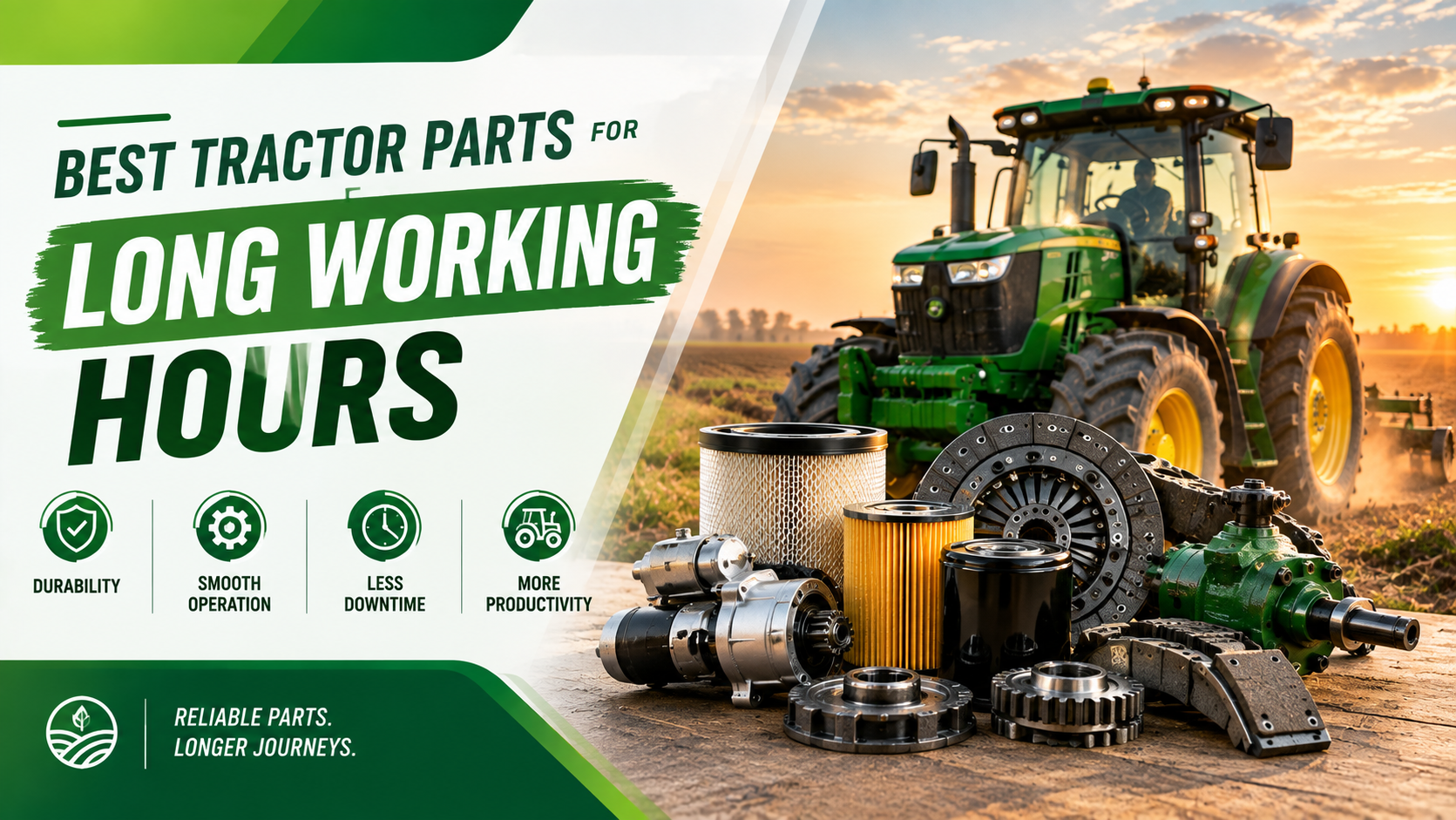
Discover the best tractor parts for long working hours, including engine filters, cooling components, belts, bearings, clutch, hydraulic, transmission parts, and tyres. Learn how quality tractor spare parts from Gropart, regular inspections, and timely replacement can help reduce...
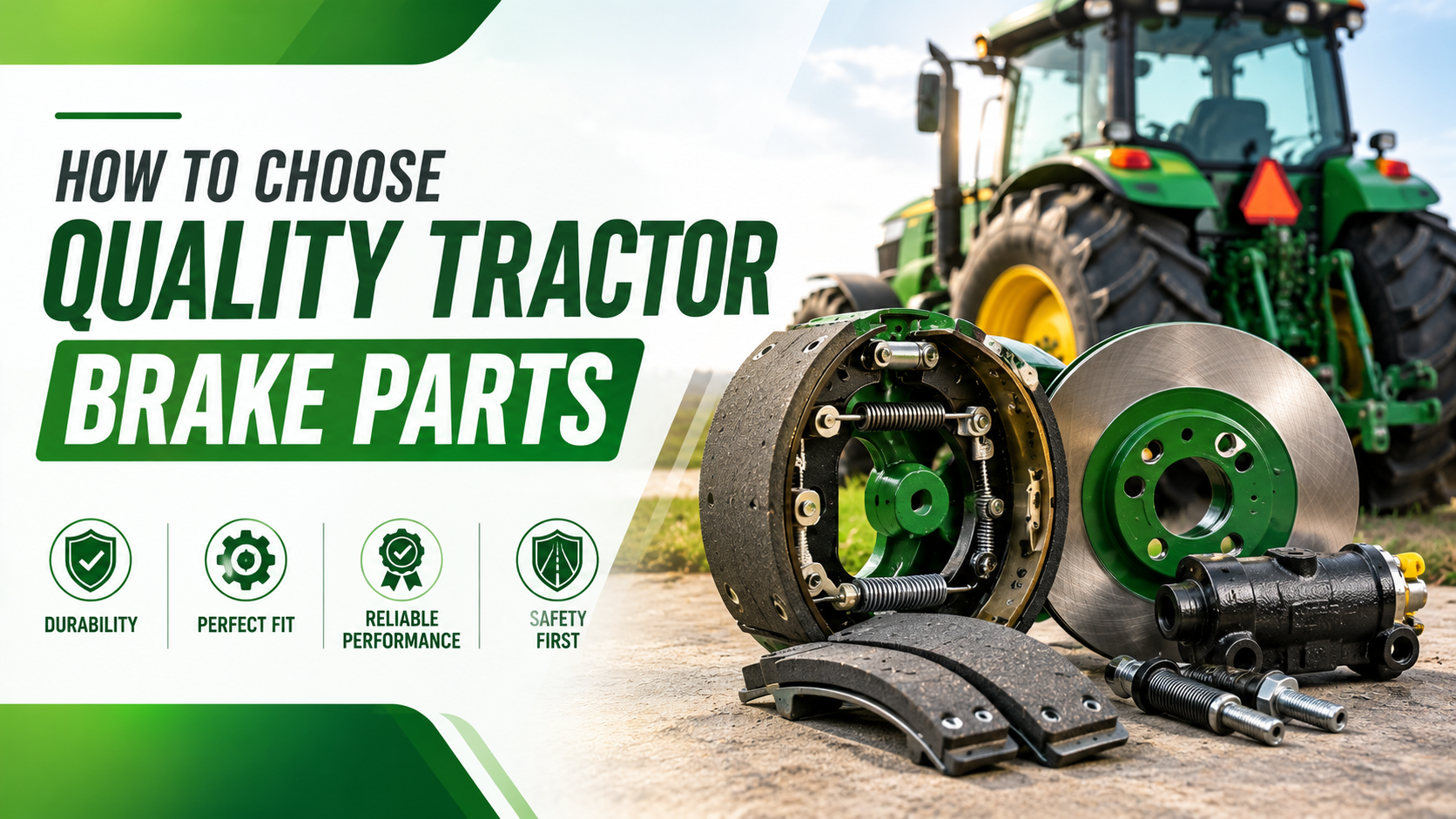
Learn how to choose quality tractor brake parts by checking fitment, brake type, material, durability, workload and supplier reliability for safer tractor performance.
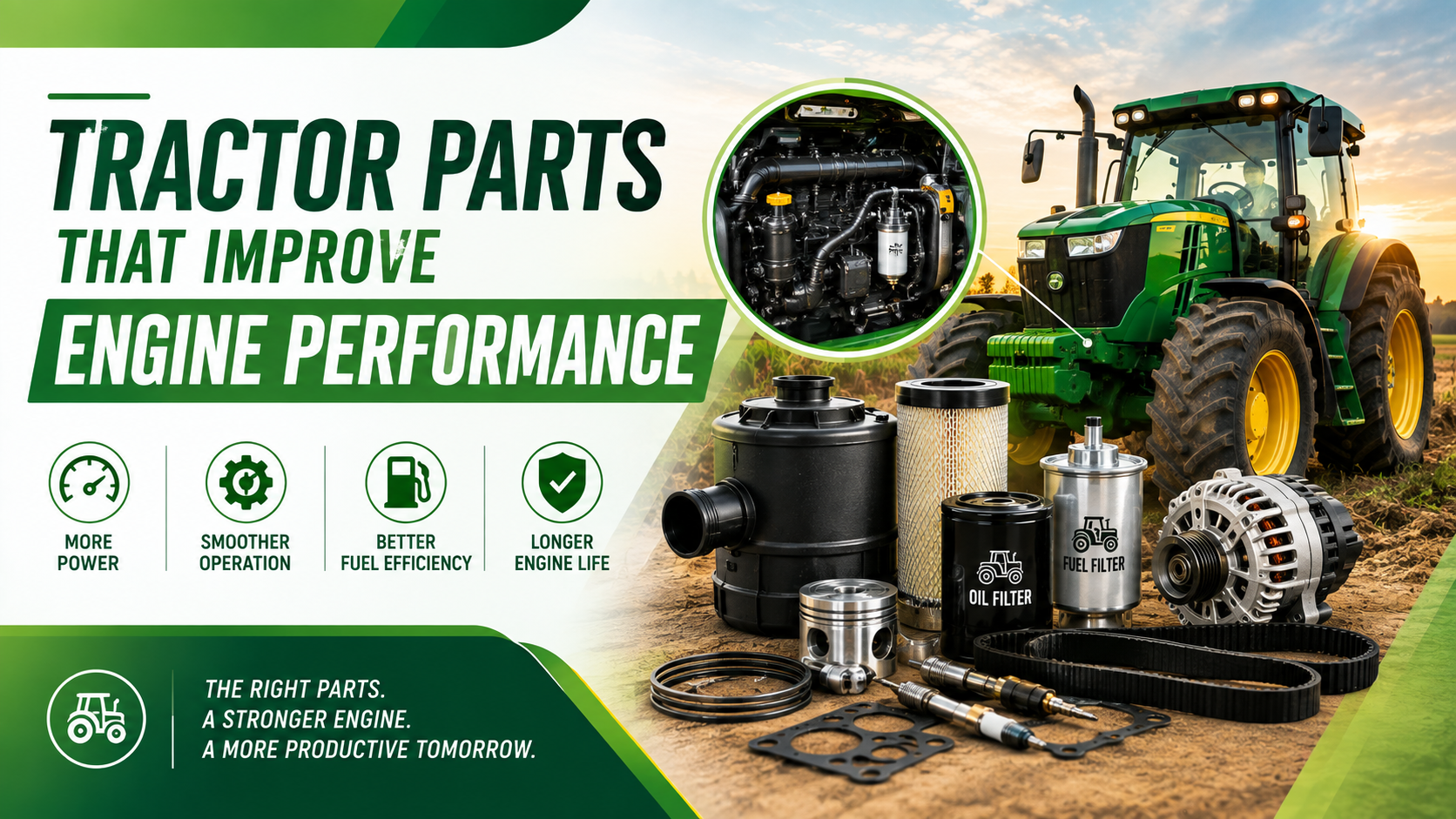
Discover tractor parts that improve engine performance, including air and fuel filters, injectors, belts, cooling components, seals, and other essential spare parts.