
Learn when to replace tractor suspension parts by identifying 8 warning signs, including excessive vibration, unusual no...
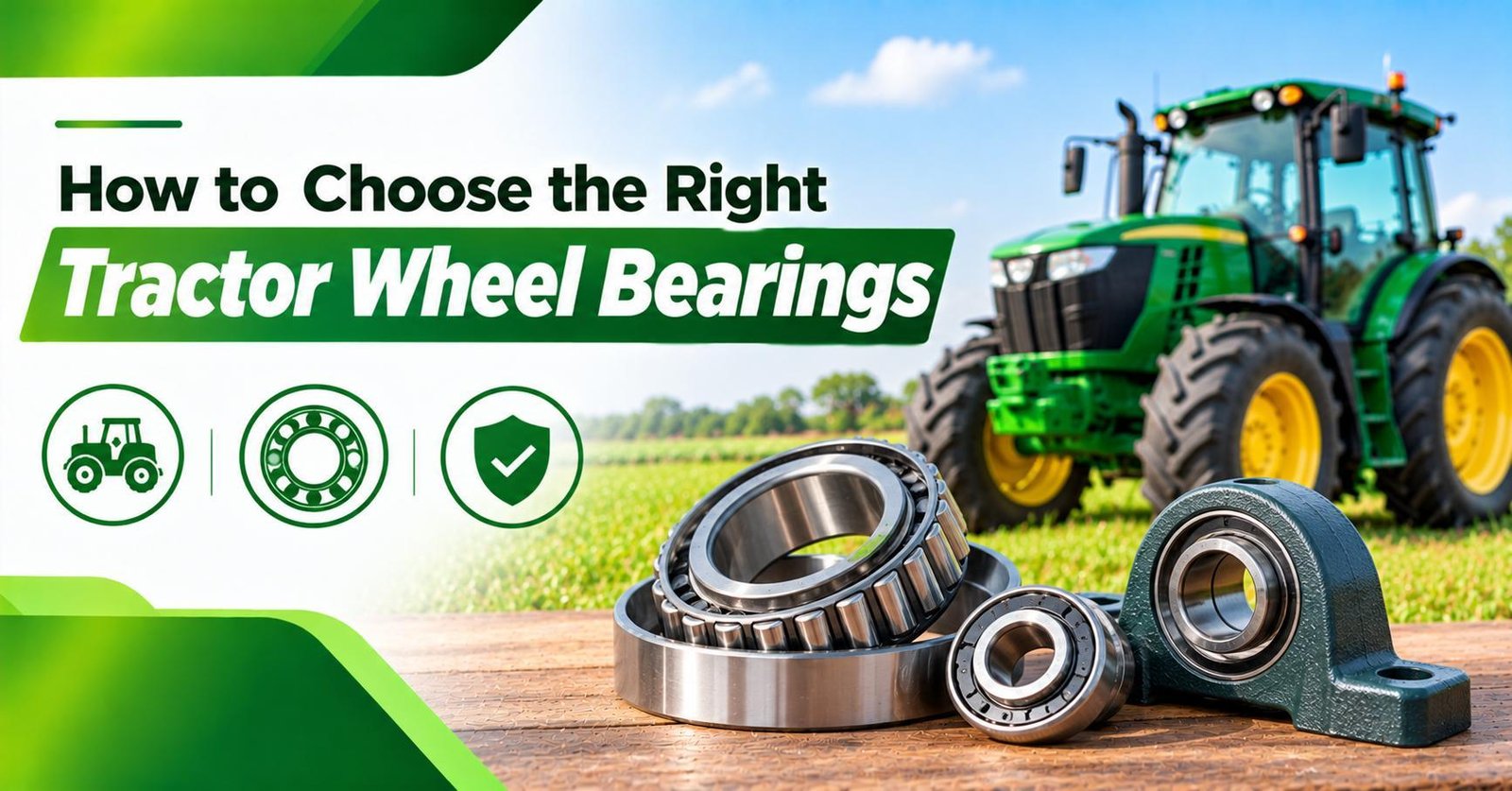
Tractors are built to handle demanding agricultural work, from ploughing and cultivation to transporting heavy loads across fields and roads. During these activities, the wheels carry significant weight and experience continuous movement, pressure, and vibration. Tractor wheel bearings play an important role in supporting this movement and helping the wheels rotate smoothly.
Choosing the wrong wheel bearing can lead to poor fitment, unusual noise, excessive friction, and premature wear. A damaged or incorrectly installed bearing may also affect wheel alignment and operating safety. For this reason, selecting the right tractor wheel bearing is essential for reliable performance and long-term maintenance.
In this guide, we will explain how to choose the right tractor wheel bearings, the factors to check before purchasing, the warning signs of bearing failure, and practical maintenance tips to help extend their service life.
Tractor wheel bearings are mechanical components that support rotating parts and help reduce friction between moving surfaces. Depending on the tractor's design, they may be installed in the front or rear wheel assembly.
These bearings help support loads while allowing the wheels or related rotating components to move smoothly. They are designed to handle different combinations of radial loads, which act perpendicular to the shaft, and axial loads, which act along the shaft.
The type of bearing used depends on the tractor's axle design, wheel arrangement, load requirements, and manufacturer specifications.
When wheel bearings are in good condition, they help support smooth rotation and reduce unnecessary friction. Worn or damaged bearings can create noise, heat, looseness, and other problems that require timely attention.
The first step in selecting the right wheel bearing is identifying your tractor's make, model, and manufacturing year. Different tractor models may use different bearing sizes, designs, and load capacities.
Even tractors from the same manufacturer may have different bearing arrangements depending on the axle configuration or model variant.
Before purchasing a replacement, check these details:
Your tractor owner's manual or parts catalogue can help you identify the correct component. You can also consult an experienced mechanic or spare parts supplier.
Checking these details before ordering reduces the risk of buying a bearing that does not fit your tractor.
Tractors may use different types of bearings depending on their wheel and axle design. Understanding the basic differences helps you identify the correct replacement.
Ball bearings: These use small spherical rolling elements and are designed for particular load and speed requirements. They are suitable for applications specified by the manufacturer.
Tapered roller bearings: These use tapered rollers and are designed to handle combined radial and axial loads. They are commonly used in certain wheel hub and axle arrangements.
Cylindrical roller bearings: These use cylindrical rollers and are designed for applications that require support for relatively high radial loads.
Not every bearing type can replace another. The correct choice depends on the original design, dimensions, load requirements, and operating conditions.
Always confirm the bearing type specified for your tractor rather than choosing a product based only on its appearance.
Correct dimensions are essential for proper bearing installation and performance. A bearing that is too large or too small may not fit securely inside the wheel hub or axle assembly.
When selecting a replacement, check the following measurements:
If the original bearing is available, its identification number can make the selection process easier. However, measurements alone may not confirm complete compatibility because load capacity, internal clearance, seals, and other design features also matter.
Use the tractor's original specifications whenever possible.
Tractors often operate under changing loads. They may carry implements, transport agricultural materials, move across uneven fields, or travel on hard surfaces.
Wheel bearings must be suitable for the loads and operating conditions specified for the tractor. A bearing with inadequate load capacity may wear prematurely or fail during use.
When choosing a replacement, consider the tractor's intended application and original bearing requirements. Do not assume that a larger bearing or one with a higher stated load rating will automatically be suitable.
The bearing must also match the axle and hub design to ensure correct installation and operation.
Selecting the specified bearing helps support reliable wheel movement during routine agricultural work.
Bearing quality affects durability, load handling, and resistance to wear. Wheel bearings commonly use specially manufactured bearing steel, with designs and treatments selected according to their intended application.
When comparing products, look for accurate dimensions, smooth rolling surfaces, proper finishing, and clear manufacturer or product information.
Seals and protective features are also important in applications exposed to dust, mud, water, and other contaminants. However, not all bearings use the same sealing arrangement, so choose the design specified for your tractor.
Avoid selecting a bearing based only on its price or external appearance. A compatible product from a reliable supplier is a better choice than an unsuitable bearing that may require early replacement.
Recognising early warning signs can help prevent further damage to the wheel hub or axle assembly.
Common symptoms of bearing problems include:
Unusual noise: Grinding, humming, or rumbling sounds near a wheel may indicate bearing wear, although tyre and other mechanical problems can produce similar noises.
Excessive wheel play: Unusual movement in the wheel or hub may indicate a worn bearing or another loose component.
Abnormal heat: A wheel hub that becomes unusually hot may have a bearing, lubrication, brake, or adjustment problem.
Rough rotation: A wheel that does not rotate smoothly during an appropriate inspection may have a damaged bearing or another mechanical fault.
Lubricant leakage or contamination: Grease leakage, damaged seals, or dirt entering the bearing assembly may indicate a problem with the lubrication or sealing arrangement.
These symptoms do not always confirm bearing failure. A qualified mechanic should inspect the wheel, hub, brakes, axle, and related components to determine the actual cause.
If you notice severe noise, excessive wheel movement, or signs of overheating, stop operating the tractor until it has been checked.
A suitable wheel bearing must work with the correct lubrication and sealing arrangement. Depending on the design, the bearing may require grease, oil, or a specified sealed configuration.
Incorrect lubrication can increase friction and wear. Contamination from dust, water, or dirt can also damage rolling surfaces and shorten bearing life.
Before purchasing, check whether the bearing is open, shielded, or sealed and confirm that it matches the original assembly.
During installation, the bearing must be fitted correctly without damaging its rolling surfaces. Incorrect fitting, improper adjustment, or excessive installation force can cause early failure.
Follow the manufacturer's instructions for lubrication, installation, and any required bearing preload or clearance adjustment. These requirements vary by bearing and axle design.
Price is an important factor when purchasing tractor spare parts, but compatibility and quality should remain the priority.
Compare the bearing's part number, dimensions, load specifications, manufacturer information, warranty coverage, and product condition. Ask the supplier to confirm fitment if you are unsure about the required bearing.
A reliable supplier can help you avoid ordering the wrong component and provide useful information about installation and compatibility.
Gropart provides spare parts for tractors, JCB machines, threshers, and other agricultural machinery applications. When sourcing tractor wheel bearings, review the available product details and confirm that the selected bearing matches your specific tractor model.
Regular maintenance can help reduce premature bearing wear and improve reliability.
Tractors used in wet, muddy, or dusty conditions may need particular attention to seals, lubrication, and contamination. Always follow the maintenance recommendations for your specific tractor.
Choosing the right tractor wheel bearings is essential for smooth wheel rotation, reliable load support, and safe tractor operation. The correct bearing should match your tractor's model, axle design, dimensions, load requirements, and original specifications.
Before purchasing a replacement, identify the bearing type, check its part number, and confirm the correct measurements. Also consider the sealing arrangement, lubrication requirements, and quality of the product.
If you notice grinding noises, excessive wheel play, abnormal heat, or rough rotation, arrange a professional inspection rather than continuing to operate the tractor without checking the problem.
With compatible wheel bearings, correct installation, and regular maintenance, you can help reduce unnecessary wear, avoid unexpected downtime, and keep your tractor ready for demanding agricultural work.
Share:
Learn when to replace tractor suspension parts by identifying 8 warning signs, including excessive vibration, unusual no...
Learn how to select the right tractor fan belt by checking belt size, type, material, tension, and compatibility to ensu...
Learn about common tractor oil pump problems, including low oil pressure, oil leaks, clogged filters, and worn component...
Learn how to choose the right tractor fuel pump by checking compatibility, specifications, quality and installation requ...