हमारे पास आपके लिए कुछ नीतियां हैं, कृपया ध्यान देवे!
- कृपया हमारे साथ अपना अकाउंट रजिस्टर करें और आप अपने पैकेज को ट्रैक करें
- चेकआउट के दौरान कृपया कूपन कोड लागू करें
- ग्राहक से अतिरिक्त शुल्क कंपनी या कूरियर कंपनी वसूल ना करे इसलिए
कैश ऑन डिलीवरी की सुविधा Gropart Bharat नहीं देती है
- रोमांचक ऑफ़र प्राप्त करने के लिए नीचे अपना ईमेल आईडी और मोबाइल नंबर दर्ज करें
COD उपलब्ध नहीं है। हम केवल प्रीपेड ऑर्डर में काम करते हैं और पूरे भारत में शिपिंग करते है. COD is not available. We work in prepaid orders only and shipping PAN India.
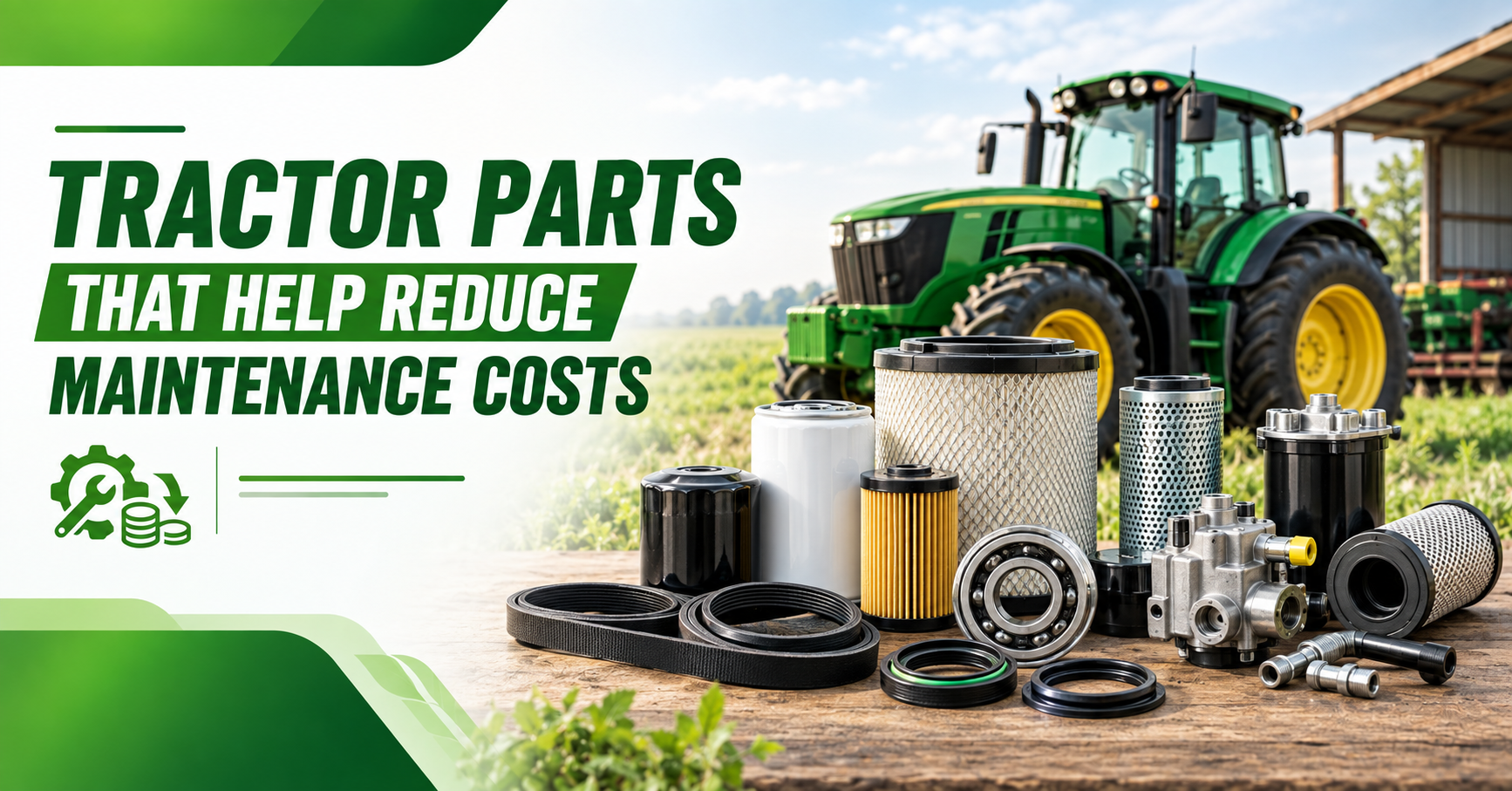
Tractors are a major part of modern farming, but keeping them in good working condition requires regular maintenance. Oil changes, inspections, repairs, and replacement parts can all add to operating expenses. For farmers who use their tractors regularly, controlling these costs without affecting machine performance is an important part of farm management.
The good news is that the right tractor parts can help reduce unnecessary maintenance expenses. Quality filters, bearings, belts, seals, cooling components, and other replacement parts can protect important systems and reduce the chances of repeated failures. However, choosing the right part and replacing it at the correct time are equally important.
Instead of waiting for a tractor component to fail completely, farmers can use preventive maintenance to identify worn parts early. This approach can reduce downtime and help avoid expensive damage to connected components.
Why Tractor Maintenance Costs Increase
Maintenance costs can rise when small problems are ignored for too long.
A worn belt may eventually break, a damaged seal can cause fluid loss, and a blocked filter can place extra stress on the engine or hydraulic system.
Common reasons for higher maintenance expenses include:
Delayed part replacement
Poor-quality spare parts
Incorrect fitment
Lack of regular inspection
Improper installation
Neglected lubrication
Using suitable replacement components and following a regular maintenance routine can help prevent many of these issues.
Quality Filters Protect the Engine
Filters are among the most important and affordable tractor spare parts.
Air filters prevent dust from entering the engine, while fuel and oil filters help remove contaminants from their respective systems.
A blocked or poor-quality filter can reduce efficiency and increase stress on engine components.
Regularly replacing filters helps protect expensive parts such as pistons, injectors, bearings, and other internal components.
A relatively small investment in a quality filter can therefore help prevent much larger repair expenses.
Durable Air Filters Reduce Engine Wear
Agricultural fields often contain large amounts of dust and fine particles.
If these particles enter the engine, they can cause wear on internal components.
A properly fitted air filter helps keep harmful contaminants away from the engine.
Farmers should inspect air filters more frequently when tractors are working in particularly dusty environments.
Replacing a damaged or heavily blocked filter can help maintain airflow and protect the engine.
Fuel Filters Help Protect the Fuel System
Clean fuel is essential for reliable engine operation.
A fuel filter removes dirt and contaminants before they reach sensitive fuel system components.
If the filter becomes blocked, fuel flow may be restricted and the engine may lose power or operate unevenly.
Replacing the fuel filter according to the recommended maintenance schedule can help protect fuel injectors and other expensive components.
Oil Filters Support Better Lubrication
Engine oil reduces friction between moving components.
The oil filter removes contaminants that accumulate in the lubricant during operation.
If the filter is clogged, oil circulation may be affected.
Regular oil and filter replacement helps protect internal engine components and may reduce premature wear.
This is particularly important for tractors that work for long hours or under heavy loads.
Quality Bearings Reduce Replacement Frequency
Bearings are used in many rotating parts of tractors and agricultural implements.
They reduce friction and support smooth movement.
Low-quality or incorrectly selected bearings may wear quickly, producing noise, vibration, and excess heat.
A durable bearing that matches the application can provide longer service life and reduce the need for repeated replacement.
Proper lubrication and protection from dust and moisture are also important for bearing life.
Belts Can Prevent Unexpected Downtime
Belts are relatively simple components, but their failure can stop important tractor systems.
A worn belt may slip, crack, or break during operation.
Regular inspection helps identify signs of wear before complete failure.
Replacing a damaged belt early can prevent downtime and reduce the possibility of related component damage.
Farmers should check belt tension, cracks, and overall condition during routine maintenance.
Seals Help Prevent Expensive Fluid Loss
Seals are designed to prevent oil and other fluids from escaping from different tractor systems.
A damaged seal may seem like a small problem, but continued leakage can reduce fluid levels and affect the performance of the system.
For example, hydraulic oil leakage can reduce lifting performance and may eventually damage hydraulic components.
Replacing worn seals on time can help protect the system and prevent larger repair bills.
Cooling Parts Help Prevent Overheating
Overheating can cause serious engine damage.
The cooling system includes components such as radiators, thermostats, cooling fans, hoses, and related parts.
A damaged hose or blocked radiator can reduce the system's ability to remove heat.
Regular inspection and timely replacement of damaged cooling components can help prevent overheating and expensive engine repairs.
Hydraulic Filters Protect Expensive Components
Hydraulic systems are responsible for lifting and operating many agricultural implements.
The hydraulic pump, valves, cylinders, and other components depend on clean hydraulic fluid.
A quality hydraulic filter helps remove contaminants from the system.
Replacing the filter on time can reduce the risk of damage to expensive hydraulic components and maintain reliable system performance.
Clutch Parts Can Reduce Long-Term Repair Costs
The clutch transfers engine power to the transmission and experiences significant friction during operation.
A worn clutch plate or pressure plate can cause slipping and poor power transfer.
Ignoring the problem can place additional stress on other components.
Replacing worn clutch parts before the problem becomes severe can help prevent more extensive transmission or clutch repairs.
Choose Parts According to the Tractor Model
Using the wrong spare part can increase maintenance costs rather than reduce them.
A component may look similar to the original but have different dimensions or specifications.
Before buying, check the tractor model, part number, dimensions, and application requirements.
Correct fitment helps ensure that the component works properly and reduces the risk of premature failure.
Do Not Always Choose the Cheapest Part
Saving money on spare parts does not always mean choosing the lowest-priced product.
A cheap component that fails quickly may require another replacement, additional labour, and more downtime.
Instead, farmers should consider the overall value of the part.
Quality tractor spare parts from Gropart can help farmers and mechanics find suitable replacement components for agricultural machinery.
Choosing reliable parts can support longer service intervals and reduce repeated repair work.
Regular Inspection Saves Money
Preventive inspection is one of the easiest ways to control maintenance expenses.
Farmers should regularly check filters, belts, bearings, hydraulic hoses, seals, tyres, and other visible components.
Small warning signs should not be ignored.
Unusual noise, vibration, leakage, overheating, or reduced performance can indicate that a component needs attention.
Finding the problem early is generally easier and less expensive than dealing with a complete breakdown.
Proper Installation Improves Part Life
Even a high-quality replacement part can fail early if it is installed incorrectly.
Components should be installed according to the tractor's requirements.
Incorrect alignment, excessive tightening, poor lubrication, or improper handling can reduce service life.
For complex repairs, professional installation can help ensure that the replacement part works correctly.
Keep a Maintenance Schedule
A simple maintenance record can help farmers manage tractor expenses.
Record details such as:
Part replacement dates
Filter changes
Oil changes
Major repairs
Inspection results
This makes it easier to plan future maintenance and avoid missing important service intervals.
Planned maintenance is usually easier to manage than unexpected emergency repairs.
Conclusion
Reducing tractor maintenance costs is not about avoiding necessary repairs or choosing the cheapest spare parts. It is about preventing avoidable failures and using reliable components that protect the tractor's major systems.
Filters, bearings, belts, seals, cooling parts, hydraulic components, and clutch parts can all contribute to lower maintenance expenses when they are properly selected, installed, and replaced at the right time.
Farmers should choose parts based on the exact tractor model, working conditions, quality, and fitment rather than price alone. Regular inspection and preventive maintenance can further extend component life and reduce unexpected downtime.
By choosing properly fitted and quality tractor spare parts from Gropart, farmers and mechanics can protect important tractor systems, reduce repeated repairs, and maintain reliable performance. A small investment in the right replacement part today can help prevent a much larger maintenance expense tomorrow.
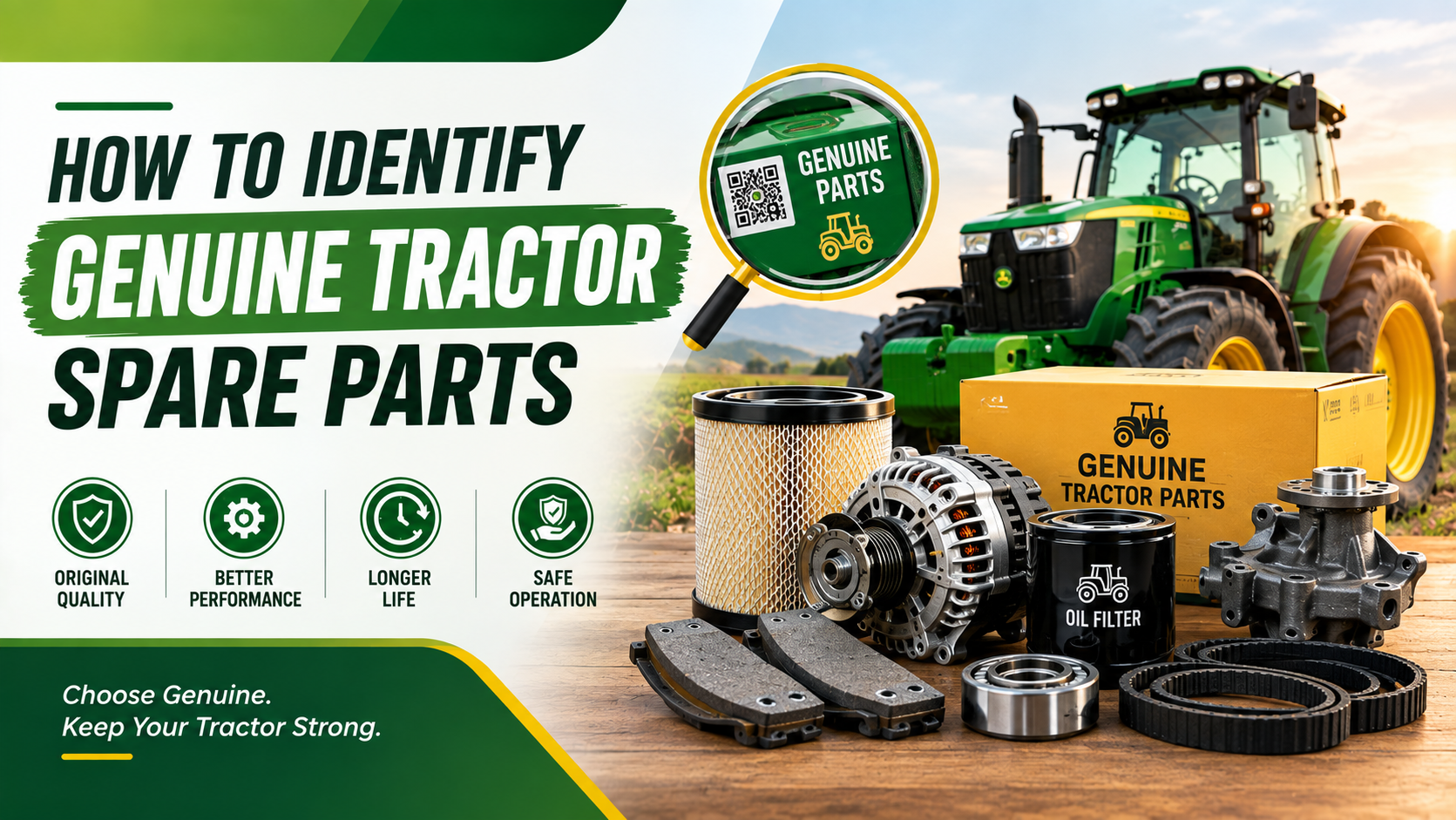
Learn how to identify genuine tractor spare parts by checking part numbers, packaging, fitment, material quality, markings, specifications and supplier reliability. Follow these practical tips to choose reliable tractor parts, avoid poor-quality components, reduce breakdowns and...
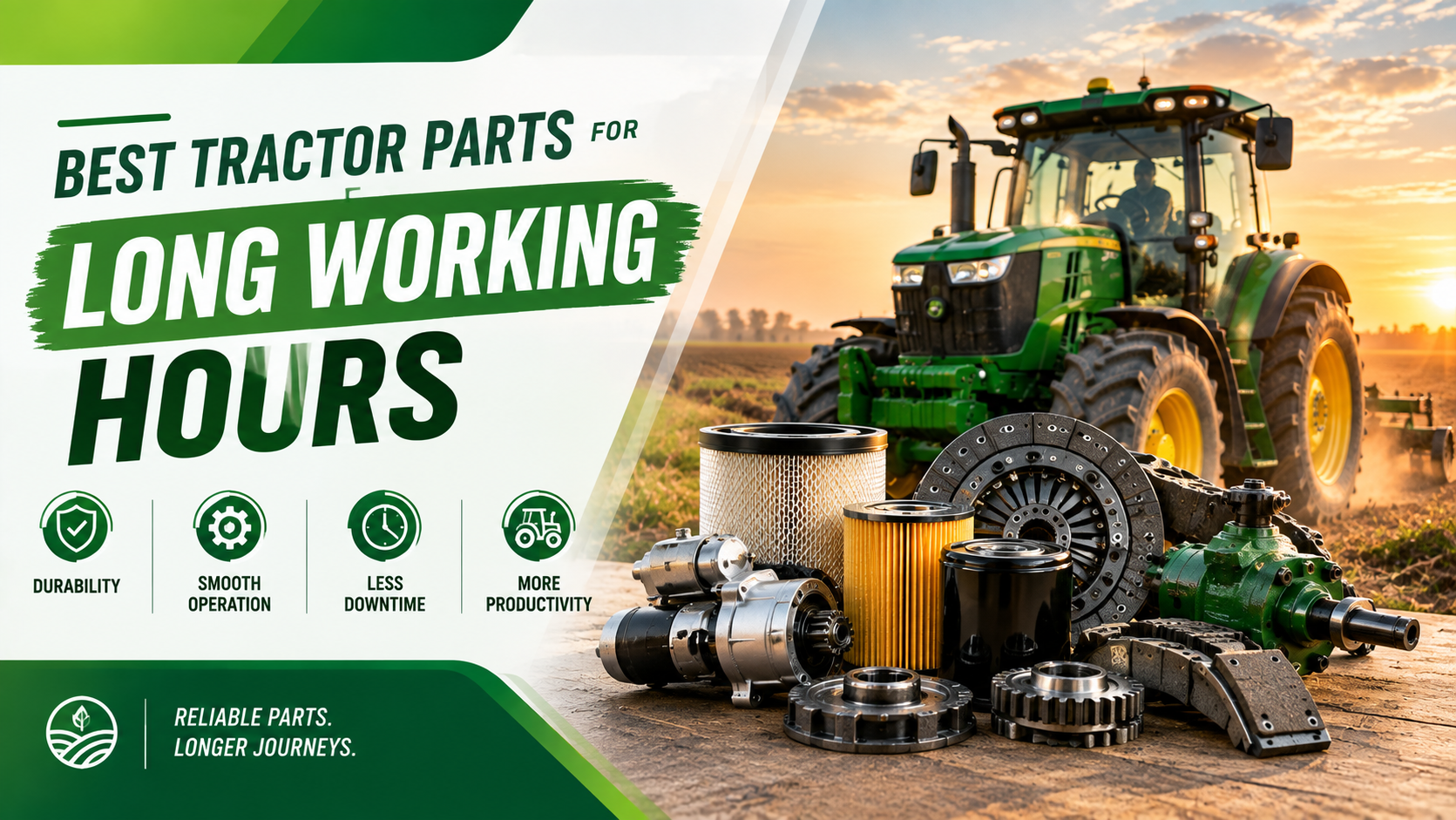
Discover the best tractor parts for long working hours, including engine filters, cooling components, belts, bearings, clutch, hydraulic, transmission parts, and tyres. Learn how quality tractor spare parts from Gropart, regular inspections, and timely replacement can help reduce...
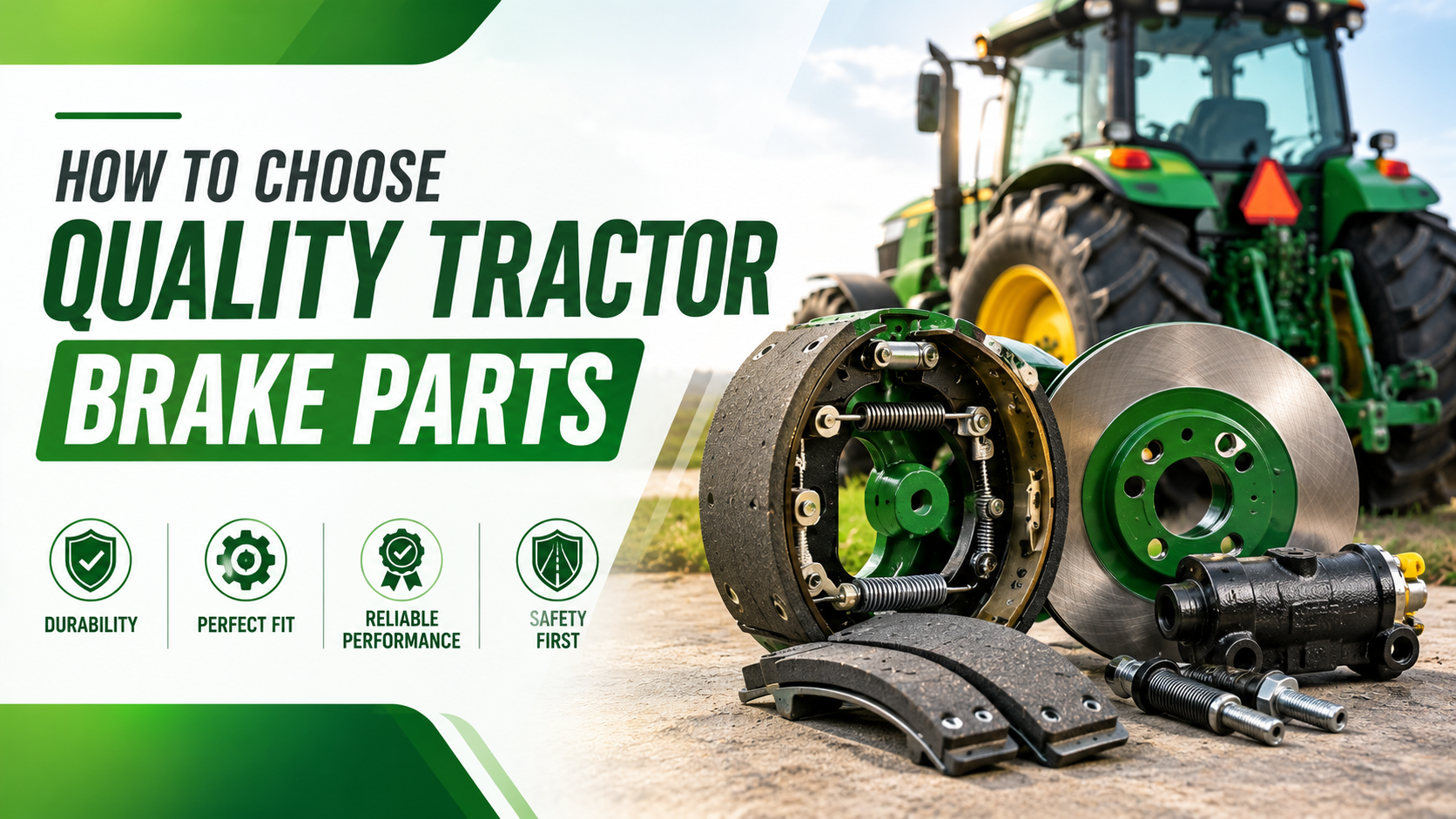
Learn how to choose quality tractor brake parts by checking fitment, brake type, material, durability, workload and supplier reliability for safer tractor performance.
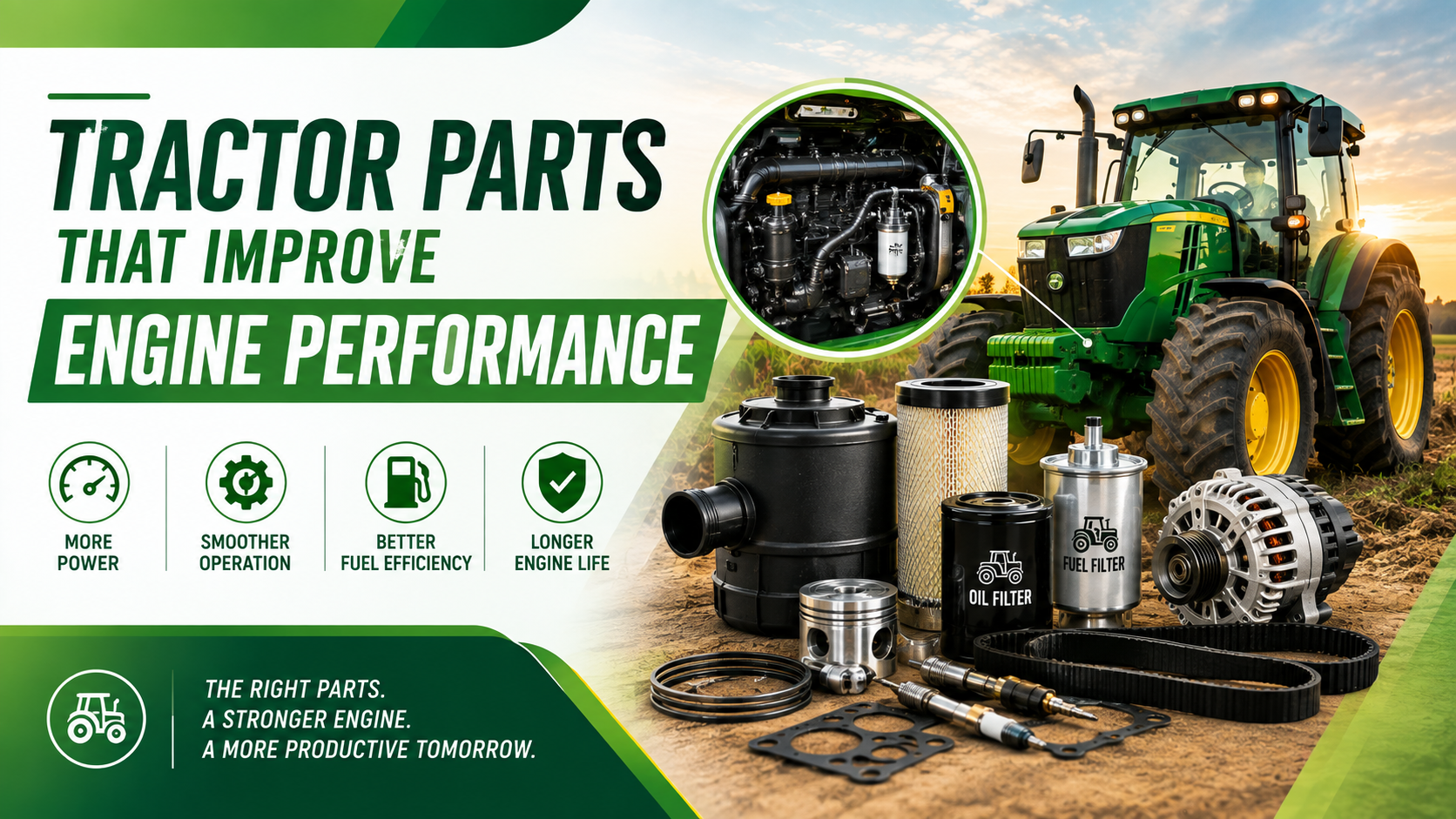
Discover tractor parts that improve engine performance, including air and fuel filters, injectors, belts, cooling components, seals, and other essential spare parts.
 English